
Understanding Risk Management Principles and Practices
Understand risk management principles and practices ⚖️ Learn how Pakistani businesses identify, assess, and control risks to protect projects and ensure safety.
Edited By
Liam Bennett
Risk management is an essential part of project management, especially in environments where uncertainties can impact timelines, budgets, and objectives. For traders, investors, analysts, brokers, and students studying project delivery, developing a solid grasp of risk management can distinguish between a project that finishes on time and one bogged down in costly delays.
Understanding risk management means recognising potential problems before they occur and planning how to handle them. Risks in projects might include fluctuating prices, regulatory changes, supplier delays, or even local issues such as loadshedding. For example, a construction project in Karachi may face risks from frequent electricity outages, affecting labour productivity and deadlines.
Effective risk management involves several key steps:
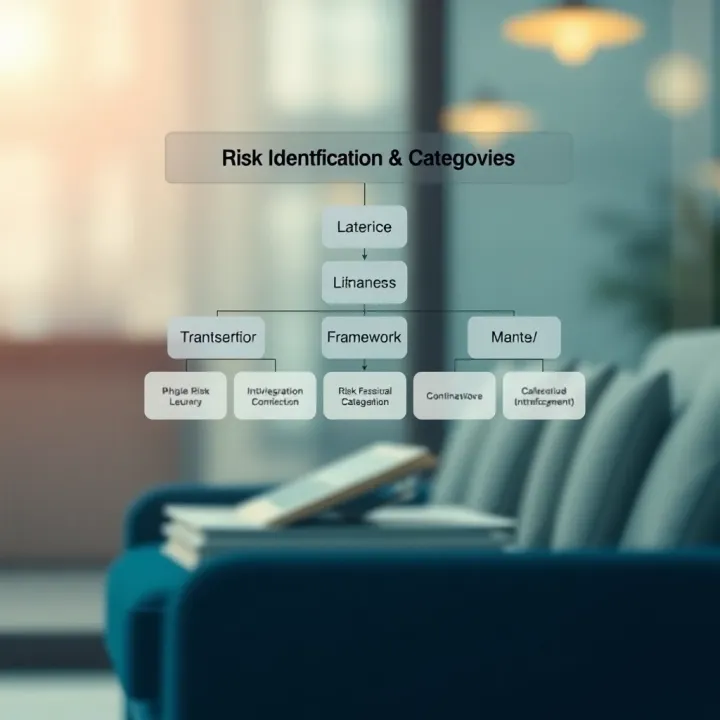
Risk Identification: Pinpointing threats and opportunities by scanning the project environment. This might include market shifts or technology failures.
Risk Analysis: Assessing the likelihood and potential impact of each risk using qualitative or quantitative methods.
Risk Response Planning: Deciding how to avoid, mitigate, transfer, or accept risks depending on severity and control.
Risk Monitoring: Keeping an eye on risk triggers and adjusting plans as conditions change.
Project managers in Pakistan often face unique challenges such as regulatory unpredictability and infrastructure hurdles. Integrating comprehensive risk assessment techniques ensures these factors do not derail progress.
To put this into perspective, suppose a software development project in Lahore encounters unexpected delays due to changes in local data protection laws. Early risk analysis could have flagged regulatory changes, allowing the team to adjust timelines and budgets promptly.
Some practical strategies for managing risks in Pakistan include:
Employing risk registers to document and track issues systematically.
Engaging stakeholders early to understand diverse perspectives and hidden risks.
Leveraging local expertise to anticipate region-specific obstacles.
Risk management is not just about avoiding problems; it enhances decision-making and increases confidence among investors and clients. For students and analysts, mastering these principles helps evaluate project health and predict outcomes better.
In short, embracing risk management practices tailored to local realities improves project delivery and maximises success rates in Pakistan's dynamic market conditions.
Understanding risk management is vital for anyone involved in projects, whether you're managing, investing in, or studying them. In this context, risk refers to uncertain events or conditions that can affect project objectives either positively or negatively. Without proper understanding, risks can cause delays, increased costs, or even project failure. Consider a construction project in Karachi where unexpected monsoon flooding halts work for weeks; identifying such environmental risks early helps planners prepare mitigations.
Risk in the context of projects means any uncertainty that may impact the project's scope, schedule, cost, or quality. This ranges from technical challenges, like integration issues in software development, to external factors like regulatory changes or supplier delays. Addressing these risks allows project teams to avoid surprises and react quickly when issues arise.
Objectives of risk management are to anticipate potential problems and opportunities, minimise negative impacts, and maximise positive outcomes. By doing this, the management aims to protect the project's value and ensure successful delivery. For example, identifying potential financial risk in fluctuating currency rates can lead to fixing contracts in PKR rather than foreign currency, reducing exposure.
Impact on project success is direct—projects with unmanaged risks often exceed budgets or miss deadlines, harming reputation and stakeholder confidence. Pakistani infrastructure projects sometimes face delays due to inadequate risk assessment, such as ignoring political unrest or supply chain bottlenecks.
Effective risk management means not just reacting to problems but proactively preparing to handle them, which increases the chance of delivering projects on time and within budget.
Reducing financial and operational uncertainties lowers the chance of cost overruns and operational disruptions. In Pakistan's volatile economic environment, project managers must account for inflation, exchange rate swings, and fuel shortages to avoid unexpected expenses or work stoppages. Planning contingencies and setting aside reserves can cushion the project against these shocks.
In brief, learning about risk management helps investors, analysts, and project professionals spot the hazards early, assess their potential effects, and plan practical responses. It supports smarter decision-making, preserves resources, and improves project outcomes—qualities that matter to all stakeholders in the project lifecycle.
Identifying risks early in a project is essential to managing uncertainty and avoiding setbacks. It allows project managers to spot potential issues before they escalate, saving time, money, and resources. Without proper identification, risks remain hidden, often causing last-minute chaos that disrupts progress. For traders, investors, and analysts working on Pakistan-based projects, awareness of specific risks can safeguard investments and guide decision-making.
Technical risks arise from technology failures or shortcomings in design and development. In Pakistan, where infrastructure and technical expertise may vary widely, projects relying on advanced software or machinery face challenges like system bugs, incompatibilities, or equipment breakdowns. For instance, a finance sector project depending on digital platforms such as JazzCash or Easypaisa might encounter glitches that affect transactions, undermining user trust.
Financial risks involve cost overruns, funding shortages, or currency fluctuations. Pakistani projects often face volatile PKR exchange rates and inflation that impact budgets. For example, a construction project estimated at Rs 10 crore could see expenses swell due to sudden price rises in building materials or delays caused by loadshedding, complicating cash flow management for investors and investors.
Operational risks refer to failures in day-to-day activities that disrupt a project. These include supply chain delays, staffing issues, or poor communication. Take a garment factory in Faisalabad; if raw material shipments are delayed by customs or labour strikes, production halts, hurting delivery deadlines and revenue streams.
Legal and regulatory risks crop up from changing laws or non-compliance with regulations. Pakistan's regulatory environment can be complex, with varying rules across provinces. Projects must navigate requirements from bodies like the Securities and Exchange Commission of Pakistan (SECP) or Federal Board of Revenue (FBR). For example, failure to secure proper environmental clearances or tax filings can lead to penalties or project stoppages.
Brainstorming and expert interviews encourage team members and specialists to share insights and spot potential risks from different angles. Having a diverse group from technical, financial, and legal backgrounds can uncover issues others might miss. A software firm developing a government tax system would benefit from interviews with FBR officials to anticipate compliance challenges.
SWOT analysis (Strengths, Weaknesses, Opportunities, Threats) helps organise risks by examining internal and external factors affecting a project. This technique offers a clear framework to balance positive elements against possible threats. For a logistics company expanding in Karachi, SWOT can highlight weaknesses like reliance on congested routes and opportunities such as new trade policies enhancing operations.
Checklists and historical data review rely on documented risks from previous similar projects to guide identification. Pakistani firms that keep detailed records of past challenges can avoid repeating mistakes. For example, reviewing risks from earlier real estate developments in Islamabad helps plan better for regulatory approvals and infrastructural demands.
To control project outcomes better, identify risks systematically using a mix of these techniques. This proactive approach not only anticipates problems but also equips project managers with early warning signs to act effectively.
Analysing and assessing risks is a vital step for any project manager aiming to keep a project on track. Without understanding which risks can affect progress and how severe their impact might be, decision-making becomes a shot in the dark. Carefully analysing risks helps in allocating resources effectively and prioritising actions that protect project goals from derailment.
Risk probability and impact assessment helps project teams estimate how likely risks are to occur and determine the severity of their consequences. For example, in a software development project in Karachi, the team might assess the probability of internet outages due to frequent loadshedding and estimate how much delay such an event would cause. This approach relies on judgement, expert opinion, and historical data to categorise risks, making it practical where numerical data is scarce or uncertain.
Risk prioritisation follows from this assessment by organising risks based on their combined likelihood and impact scores. This way, managers can focus on high-priority risks that threaten critical deliverables rather than spreading efforts thin across minor risks. For instance, if both supplier delays and regulatory changes are risks, but regulatory changes have a higher impact and likelihood, they get prioritised. This ordered focus saves time and budget while increasing the chances of project success.
Modelling and simulation involves using statistical and mathematical tools to predict risk outcomes with numerical precision. Methods like Monte Carlo simulation generate multiple scenarios based on risk inputs to show probable timelines or costs. Say a construction project in Lahore uses this method to estimate potential overruns due to material price fluctuations amid inflation. This makes risk evaluation data-driven and aids in communicating uncertainty to stakeholders with concrete figures.
Expected monetary value (EMV) analysis assigns a financial value to each risk by multiplying the probability of occurrence by the impact cost to the project. For example, if the chance of a delay due to machinery fault is 10% and would cost Rs 2 million, the EMV is Rs 200,000. Summing EMVs across all risks gives an estimate of the total financial exposure. This measure helps organisations decide how much to invest in mitigation or whether to buy insurance cover.
Analysing risks both qualitatively and quantitatively provides a comprehensive picture essential for informed decisions. While qualitative techniques guide initial prioritisation, quantitative methods put monetary and statistical clarity to the most critical risks, helping project leaders in Pakistan to manage uncertainty wisely.
Incorporating these assessments early and revisiting them throughout the project safeguards timelines, budgets, and reputations from unexpected setbacks, especially in complex environments prone to regulatory changes and infrastructure challenges.
Planning and implementing risk responses is the backbone of effective project risk management. Once risks are identified and analysed, having a clear plan to address them helps avoid surprises that can derail project timelines, budgets, or quality. This step ensures projects stay on track by either reducing the likelihood of risk events or minimising their impact if they occur. For example, a construction project in Islamabad might anticipate delays due to seasonal rains; proper risk response planning can allocate extra time or resources upfront to handle such setbacks.
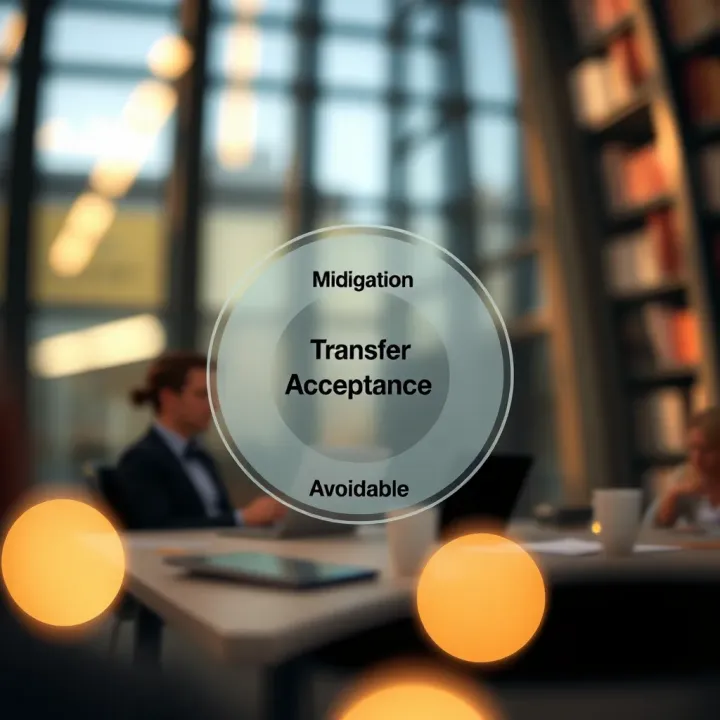
Avoidance and reduction techniques focus on proactively steering clear of risks or lowering their chances and consequences. Avoidance means changing project plans to sidestep risk altogether, such as deciding not to source material from a supplier known for delays. Reduction involves actions that bring risk down to acceptable levels. For instance, investing in better quality control during manufacturing lowers the risk of product defects. Both approaches require early identification and practical feasibility to be effective.
Risk transfer and sharing involve shifting risk responsibility to a third party or dividing it among partners. Insurance is a common transfer method, where project risk related to assets or liabilities is passed to insurers. Sharing can happen in joint ventures where partners accept portions of risk and reward. For example, a tech company collaborating with a local software firm in Lahore may share risks of software bugs and client dissatisfaction, spreading the burden and encouraging joint problem-solving. These options help projects manage exposure without absorbing full risk costs.
Establishing reserves means setting aside additional time or money to cover unforeseen issues. In Pakistan’s often volatile economic climate, having a financial reserve in project budgets can shield against sudden cost increases due to inflation or currency fluctuations. Time reserves help absorb delays without upsetting overall deadlines. Reserves act as a cushion, providing flexibility rather than leaving projects vulnerable to every hiccup.
Developing fallback plans prepares the team for defined scenarios where primary strategies fail. This could include alternative suppliers if the main one withdraws or switching to a different technology if initial testing fails. For instance, a logistics project in Karachi might have a backup route plan ready in case of unexpected roadblocks or strikes. Fallback plans must be clear, practical, and known to all key stakeholders to be truly useful during crises.
Projects that plan and implement risk responses systematically reduce surprises and improve chances of success. Practical tactics such as mitigation, transfer, reserves, and fallback plans are indispensable in Pakistan’s dynamic operational landscape.
Incorporating these response strategies equips traders, investors, analysts, and project managers alike with stronger tools to navigate uncertainty and deliver results consistently.
Constantly monitoring risks is vital to ensure smooth progress and timely detection of potential issues. It helps project managers stay ahead rather than scrambling when unexpected problems surface. The nature of projects often changes as work proceeds, so risk management cannot be a one-time activity. Instead, it must be woven into the project's daily workflow from initiation to closure.
Regular risk reviews involve scheduled sessions where the project team revisits the risk register and assesses whether current risks have changed or if new ones have appeared. This practice ensures that risk assessment stays relevant. For example, a software development project in Karachi may face fresh risks arising from new regulatory changes announced by Pakistan's telecommunication authority. Regular risk reviews help detect these shifts early, allowing timely adjustment.
Using a defined calendar for these reviews proves practical. Monthly or biweekly meetings suffice for most projects, but fast-paced environments like stock exchange software upgrades may require weekly reviews. These sessions should be concise yet thorough, focusing on key risk triggers and mitigation progress.
Updating risk registers forms a cornerstone of transparent risk management. This document records all identified risks, their status, and planned responses. Keeping it up-to-date supports clarity and accountability within the team. For instance, if a construction project in Lahore encounters unexpected supply chain delays, the risk register must reflect the status change and any new contingency plans adopted.
The register also enables tracking of risk resolution effectiveness over time. Modern project management tools commonly integrate risk registers, providing real-time updates and notifications that keep everyone informed without the fuss of manual record-keeping.
Responding to emerging risks means acting swiftly when new threats arise unexpectedly. Consider a business process outsourcing (BPO) firm in Islamabad suddenly impacted by loadshedding, affecting client service levels. The project manager must quickly revise schedules or arrange backup power solutions. Early warning through active monitoring enables such rapid reactions.
Flexibility in risk response plans prevents projects from being derailed. Static approaches do not work well in conditions where markets or political situations frequently shift, such as infrastructure projects along the China-Pakistan Economic Corridor (CPEC).
Feedback loops and continuous improvement refer to learning from past risk events to refine future management. Project teams should document what worked, what failed, and update processes accordingly. A telecom rollout in Karachi learned from initial delays caused by permit issues; feedback led to stronger engagement with local authorities in later phases, smoothing operations.
This ongoing cycle of review and optimisation encourages a risk-aware culture. It reduces surprises and builds confidence among stakeholders and clients. Using lessons learned sessions and post-project evaluations are practical ways to embed continuous improvement.
Active risk monitoring keeps projects resilient and responsive, key to managing complexities in Pakistan’s dynamic environment. It turns reactive firefighting into proactive steering towards success.
Regular risk reviews help catch changes early, keeping plans aligned with reality.
Updated risk registers ensure everyone knows the current risk landscape.
Dynamic responses to emerging threats avoid costly delays.
Feedback loops foster smarter risk management on future projects.
Risk management in Pakistani projects needs a tailored approach that fits local realities. Factors like regulatory frameworks, infrastructure gaps, and resource availability deeply affect how risks should be handled. Following best practices that acknowledge these specifics leads to smoother project delivery, fewer surprises, and better use of resources — vital in Pakistan’s often complex business environment.
Pakistan's regulatory landscape is evolving, with rules that vary across industries and provinces. Project managers must stay updated on local laws, whether it is tax compliance set by the Federal Board of Revenue (FBR) or environmental regulations enforced by the Pakistan Environmental Protection Agency. Ignoring these may not only cause delays but invite penalties, increasing project costs and reputational risks.
For example, a construction project in Karachi must comply with Karachi Development Authority's building codes, while a tech project in Islamabad may face data privacy laws under the Prevention of Electronic Crimes Act. Embedding compliance checks early in the project reduces last-minute hurdles and helps manage risks proactively.
Infrastructure issues like frequent loadshedding, transport bottlenecks, and intermittent internet connectivity remain common hurdles in many Pakistani cities. Such challenges can disrupt timelines and raise costs unexpectedly. Incorporating these realities into risk plans ensures teams have contingency options, such as backup power generators or alternative route planning for material delivery.
Similarly, resource constraints — including skilled labour shortages or limited technology availability — demand flexible strategies. For instance, a manufacturing project in Faisalabad might schedule critical phases during times with reliable power supply, avoiding peak loadshedding hours. Recognising these local factors prevents over-optimistic scheduling and costly delays.
Adopting digital tools helps Pakistani projects handle risks through better planning and communication. Software like Microsoft Project, Primavera, or local platforms such as Trello and Monday.com enables real-time tracking of tasks, deadlines, and risks. This transparency allows managers to spot emerging issues faster and allocate resources efficiently.
In Pakistan's frequently changing project environments, cloud-based software also supports remote collaboration, keeping stakeholders in sync despite travel restrictions or security concerns. This approach cuts down miscommunication-related risks and improves accountability.
Inclusive risk management benefits from input by all involved parties — clients, vendors, field staff, and regulators. In Pakistan, where informal networks and personal relationships often affect project outcomes, fostering open dialogue can uncover risks that formal reports miss.
For example, involving local community leaders early in infrastructure projects can highlight social or logistical risks, allowing mitigation before they escalate. Continuous engagement ensures adjustments in plans reflect on-the-ground realities, building trust and smoother execution.
Effective risk management in Pakistani projects hinges on understanding local laws, infrastructure limits, and people dynamics. Combining practical adaptations with technology and collaboration creates more resilient project plans.
Stay updated on regulatory changes and incorporate compliance in risk strategies
Plan for infrastructure and resource constraints realistically
Use project management software for real-time oversight
Engage diverse stakeholders for comprehensive risk insights
Such best practices empower project leaders in Pakistan to manage uncertainties confidently and deliver successful outcomes despite challenges.
Understand risk management principles and practices ⚖️ Learn how Pakistani businesses identify, assess, and control risks to protect projects and ensure safety.

📊 Learn practical risk management in project settings—identify, analyse, and handle risks to keep projects on track in Pakistan's business & development sectors.

Discover how effective risk management identifies hazards ⚠️, cuts losses 💰, boosts decisions ✅, ensures compliance 📋, and protects your business reputation 📈 in Pakistan.

📊 Understand financial risk management strategies Pakistani businesses use to identify, measure, and control threats amid economic challenges and regulatory duties.
Based on 13 reviews