

Benefits of Risk Management in Business
Discover how effective risk management identifies hazards ⚠️, cuts losses 💰, boosts decisions ✅, ensures compliance 📋, and protects your business reputation 📈 in Pakistan.
Edited By
Thomas Green
Disasters in Pakistan often strike hard due to the country's diverse geography and dense population. From floods in Sindh and Punjab, to earthquakes in Balochistan and Khyber Pakhtunkhwa, the risks are varied and complex. Managing these risks effectively is not just about emergency response but involves careful planning, coordination, and community engagement.
Good disaster risk management requires understanding hazards, assessing vulnerabilities, and preparing practical responses. Pakistan’s government, through bodies like the National Disaster Management Authority (NDMA) and Provincial Disaster Management Authorities (PDMAs), has laid down basic frameworks. However, the challenge lies in implementation—especially in rural and underserved areas where resources and infrastructure remain limited.
Communities themselves play a big role too. Their knowledge of local risks and early warning signals can greatly improve preparedness. For instance, fisherfolk along the Makran coast use traditional signs to anticipate cyclones before formal warnings reach them. Integrating such indigenous practices with modern technology can save lives and reduce damage.
Technology is becoming a game-changer. Satellite data, mobile alerts, and Geographic Information Systems (GIS) help identify hazard zones and monitor ongoing events. Pakistani telecom operators have started using SMS alerts during floods and earthquakes to warn people well before dangers arrive in their areas. Yet, access to this technology is uneven, especially in remote mountain and desert regions.
This article explores practical ways to strengthen Pakistan’s disaster risk management. It focuses on risk assessment, preparedness, timely response, and swift recovery. It highlights how government agencies, private sector, and local communities can work together, using technology as a key tool. The goal is simple: reduce the impact of disasters, protect lives, and safeguard property across the country.
Efficient disaster management is a collective effort—only through coordination and smart planning can Pakistan build resilience against future shocks.
By examining current gaps and successful stories, we aim to provide clear strategies that traders, investors, analysts, and students can understand and support in their respective roles.
Understanding disaster risk is essential for reducing harm to lives, property, and the economy in Pakistan. Accurate knowledge about the kinds of risks we face helps government, businesses, and communities prepare better. This section details how identifying these risks aids in taking practical steps to manage disasters effectively.
Pakistan faces frequent natural disasters like floods, earthquakes, and droughts, each causing distinct challenges. Floods during monsoon season often wash away crops and damage roads, especially in Punjab and Sindh, disrupting trade and daily life. The 2010 floods affected over 20 million people, showing how widespread the impact can be. Earthquakes, particularly in the northern regions like Kashmir, pose a severe threat because of geological fault lines. Droughts impact southern Punjab and Balochistan, stressing water resources and agriculture, which affect food supply and rural incomes.
Industrial zones in cities like Karachi and Faisalabad occasionally face accidents such as chemical spills or fires. These incidents not only cause immediate loss but also long-term health and environmental problems. For example, the 2012 factory fire in Karachi's Baldia Town resulted in significant fatalities and exposed weaknesses in fire safety standards. Urban fires in densely populated mohallas result from poor infrastructure and lack of firefighting resources, putting vulnerable communities at high risk.
Pakistan's vulnerability to climate change adds layers of complexity to disaster risk. Changes in temperature and rainfall patterns increase the frequency of extreme weather. Melting glaciers in the north lead to flash floods, while altered monsoon patterns cause unpredictable flooding or drought. These emerging risks demand adaptive strategies that account for long-term environmental shifts affecting agriculture, water availability, and urban planning.
Disasters severely damage roads, bridges, and power lines, interrupting supply chains and business operations. The recurrent floods swelling rivers like the Indus often leave vast farmland unusable for months. For farmers, losing crops means loss of income and food insecurity. Infrastructure damage also necessitates costly repairs, hindering economic activities and daily commuting.
Disasters frequently force thousands to leave their homes temporarily. Displaced families face overcrowded camps with limited access to clean water, sanitation, and healthcare. This situation increases vulnerability to communicable diseases. For instance, after floods, outbreaks of diarrhoea and dengue become common due to stagnant water and poor hygiene standards.
The economic cost of disasters hits Pakistan’s development targets. Rebuilding efforts divert funds from education and health to emergency recovery. According to estimates, floods and earthquakes cost Pakistan billions of rupees annually. This financial drain slows progress on poverty reduction and infrastructure improvements, affecting long-term national growth.
Understanding these risks early allows stakeholders to allocate resources smartly, minimise damage, and protect livelihoods more effectively.
Clear knowledge of disaster types and consequences forms the base required for any strong disaster risk management policy, especially in a country like Pakistan where natural and man-made hazards are common and evolving.
Disaster risk assessment serves as the backbone of managing hazards effectively in Pakistan. Without a clear understanding of where risks lie and who is vulnerable, it is nearly impossible to plan or allocate resources efficiently. This assessment helps spot patterns, prepare targeted responses, and reduce losses before disasters strike.
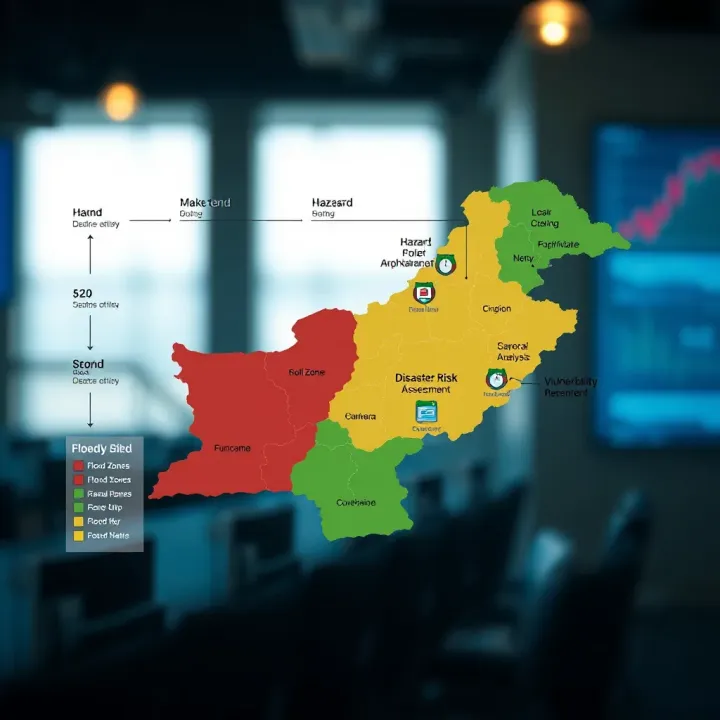
Pakistan's diverse geography exposes different regions to specific hazards such as floods in Sindh and Punjab, earthquakes in Balochistan and northern areas, and droughts in Tharparkar. Mapping these risk zones provides a practical way to focus mitigation efforts where they matter most. For example, flood risk maps along the Indus River allow authorities to prioritise embankment repairs and floodplain zoning. This targeted approach saves time and money while improving safety for millions.
Beyond geography, understanding community vulnerability is critical. It considers factors such as population density, economic status, building quality, and access to healthcare. Vulnerability assessments reveal which groups—like poor rural households or urban slum dwellers—need special attention before disaster strikes. For instance, in Karachi's informal settlements, weak infrastructure coupled with poor drainage raises flood risks. Targeted community support, including awareness and infrastructure upgrades, significantly lowers risk in these vulnerable pockets.

GIS technology emerges as a powerful tool in disaster risk assessment. It overlays diverse data such as hazard zones, population distribution, and infrastructure quality to paint a detailed risk picture. Provincial disaster management authorities use GIS to plan evacuation routes, identify safe shelters, and allocate resources swiftly during crises. The visual and data-driven approach allows decision-makers to act promptly, reducing response times and potential damage.
Pakistan's varied climate demands integrating meteorological data into disaster management. Weather forecasts, rainfall patterns, and temperature trends provide early indicators of events like floods or heatwaves. The Pakistan Meteorological Department (PMD) collects this data continuously, which, when combined with river flow measurements, enables flood forecasting days ahead. This advance notice is crucial for timely evacuations and preparation.
Real-time monitoring through sensors and gauges enhances situational awareness during disasters. River water level gauges along the Indus and its tributaries provide live updates to control centres. In earthquake-prone zones, seismic sensors detect tremors immediately, triggering alerts. These tools connect directly with emergency teams, ensuring faster response and adaptive measures based on actual developments rather than outdated reports.
Community participation in disaster warnings strengthens resilience at the grassroots. Local committees trained in monitoring river levels or observing weather changes can issue alerts faster than remote agencies sometimes. In rural Punjab, volunteers equipped with radios relay flood warnings to their villages, ensuring people have enough time to move valuables and evacuate if needed. This system complements official channels and suits areas with limited internet or mobile coverage.
Effective disaster risk assessment blends technology, local knowledge, and data to reduce losses before a crisis occurs. Pakistan's success depends on strengthening these components and integrating them into one coherent framework.
Mapping risk zones highlights hazard-prone areas for focused action.
Vulnerability analysis directs resources to those most at risk.
GIS provides a visual decision-making edge.
Meteorological data and real-time monitoring offer crucial early warnings.
Community-based systems ensure timely alerts even in remote places.
This mix supports smarter resource use and saves lives during Pakistan's frequent natural challenges.
Disaster Preparedness and Mitigation Strategies play a key role in reducing the damage caused by natural and man-made disasters in Pakistan. These strategies focus on reducing risk before a disaster hits, ensuring infrastructure can withstand shocks, and equipping communities to respond effectively. Implementing these measures not only saves lives but also minimises economic losses and speeds up recovery.
Pakistan’s vulnerability to earthquakes and floods demands that buildings meet strict construction codes. Enforcing these standards prevents unsafe construction, which has been a major issue during past disasters like the 2005 earthquake in Kashmir. For example, using reinforced concrete frames and proper foundation work can limit structural failures. The challenge lies in ensuring these codes are followed, especially in informal settlements and rural areas where oversight is weak.
Flooding is a recurring threat, especially along the Indus River basin. Flood protection involves building and maintaining embankments, dykes, and drainage channels to control water flow. Islamabad’s Nullah Lai restoration project illustrates the benefit of improving urban drainage to reduce flash flooding. Besides physical structures, sustainable land use practices upstream can also help by reducing sedimentation and runoff that worsen floods downstream.
Given Pakistan’s position along major fault lines, earthquake-resistant building designs are critical. This includes features such as base isolators, shear walls, and flexible joints that absorb seismic energy. Some modern construction projects in Karachi and Lahore have incorporated these designs, yet many older buildings remain vulnerable. Public policies encouraging retrofitting and awareness among builders can improve resilience against future quakes.
NGOs and community groups are often at the frontline in educating people about disaster risks and preparedness. Organisations like the Edhi Foundation and the Pakistan Red Crescent Society conduct workshops and distribute materials tailored to local risks. Their grassroots presence allows them to reach populations that formal government messaging might miss, especially in rural or marginalised urban communities.
Regular drills in schools and offices familiarise people with emergency procedures, reducing panic and confusion during actual disasters. For example, some schools in Karachi conduct earthquake drills every year, teaching students safe spots and evacuation routes. Workplaces also benefit by having clear roles assigned during emergencies, which helps maintain order and safety.
Timely information helps communities prepare better for upcoming hazards. Radio, mobile alerts, and social media platforms like WhatsApp groups serve as vital tools in Pakistan's densely populated areas. Government bodies, in partnership with media outlets, increasingly use SMS alerts to warn about floods or storms. Transparent communication encourages public cooperation and builds trust, which is necessary for effective disaster management.
Preparedness and mitigation require combined efforts across infrastructure, training, and communication to truly protect lives and property. Pakistan’s focus on these strategies can significantly reduce the fallout from disasters common in the region.
Effective disaster response and recovery are essential to minimise damage and support affected communities after a crisis. In Pakistan, where floods, earthquakes, and other disasters are frequent, timely and coordinated action saves lives and helps restore normalcy quickly. This phase focuses on managing immediate needs, coordinating resources, and planning long-term rehabilitation.
NDMA plays a central role in disaster response by orchestrating resources and policies at the national level. It sets guidelines, mobilises funds, and coordinates with provincial and district authorities to ensure swift action. For example, during the 2010 floods, NDMA led efforts to relocate millions to safer areas and distribute relief supplies effectively.
Provincial and district disaster management authorities (PDMA/DDMA) act as critical links between communities and national agencies. They handle on-ground operations like search and rescue, medical aid, and temporary shelters. Their local knowledge helps prioritise vulnerable areas quickly. After the 2019 Karachi floods, district offices coordinated traffic management and water drainage, preventing further chaos.
The military and emergency services provide specialised skills, equipment, and manpower during large-scale disasters. The army often leads relief operations, offers logistic support, and secures affected zones. For instance, the Pakistan Army’s assistance in earthquake-hit regions of Khyber Pakhtunkhwa has been vital for rapid rescue and rehabilitation. This collaboration ensures disciplined, resource-rich response efforts.
Rebuilding homes and restoring livelihoods is crucial to long-term recovery. Displaced families need safe housing and income sources soon after displacement. NGOs and government programmes focus on quick repairs and providing tools or seeds for farmers to restart agriculture. For instance, after 2022 floods, many households received cash grants to rebuild houses, while farmers got seeds and fertilisers under government schemes.
Disasters impact mental health deeply. Offering counselling and stress management support helps affected people cope and speeds up healing. Community centres and NGOs organise sessions to address trauma. For example, after the 2005 earthquake, psychosocial support was integrated into rehabilitation plans, helping survivors overcome shock and rebuild confidence.
Reviewing response actions improves future preparedness. After each disaster, authorities conduct assessments to identify what worked and what failed. These insights guide improvements in training, infrastructure, and coordination. The 2010 flood experience led to stronger early warning systems and better floodplain management. Incorporating lessons ensures that Pakistan enhances its resilience and manages risks more effectively next time.
A well-organised disaster response not only reduces immediate suffering but lays the foundation for faster recovery and stronger communities.
Key elements include clear roles for NDMA, provincial/district bodies, and the military.
Focus on restoring essential services and mental health support accelerates rehabilitation.
Learning systematically from past events drives continuous improvement in disaster management.
This structured approach allows Pakistan to protect lives and rebuild better, year after year.
Technology plays a vital role in boosting the effectiveness of disaster management in Pakistan. With a country facing frequent natural and man-made hazards, smart use of tech tools helps save lives, reduce economic losses, and speed recovery efforts. Innovation in communication, data collection, and environmental monitoring allows authorities and communities to prepare better and respond faster.
Mobile-based alert systems have become a backbone for early warnings across Pakistan. Agencies like the National Disaster Management Authority (NDMA) increasingly rely on SMS alerts and automated voice calls to warn people about impending floods, earthquakes, or severe weather. For instance, during the 2022 monsoon floods, emergency alerts sent via mobile networks helped residents in vulnerable areas evacuate timely. This immediacy reduces casualties by giving people critical minutes to act.
Mobile apps offer more than just alerts. Platforms such as the Pakistan Flood Information app and locally developed tools allow users to report issues, access safety tips, and request help. Such apps foster participatory disaster preparedness by encouraging community reporting and sharing local updates. This two-way communication supplements official updates and keeps remote or underserved populations connected.
Social media channels, combined with mobile technology, support real-time reporting from the ground. Citizens, journalists, and officials upload photos, videos, and status updates that provide a clearer picture of the disaster as it unfolds. During the 2021 Karachi floods, live video streams helped emergency responders assess affected neighbourhoods quickly, guiding resource deployment and search operations. This immediacy fills information gaps common in traditional reporting.
Remote sensing and satellite imaging have transformed disaster damage evaluation in Pakistan. High-resolution satellite images reveal flood extents, landslide locations, and the condition of infrastructure with precision. After the 2019 Kashmir earthquake, satellite data was vital for mapping destroyed areas inaccessible by roads. This technology allows faster, more accurate assessment which is crucial for coordinated rescue operations.
Satellite-based environmental monitoring feeds into Pakistan's early warning mechanisms for hazards like flash floods and cyclones. For example, meteorological satellites track rain patterns and river swells, enabling NDMA to issue timely warnings. Data from satellites also supports predictive models forecasting disaster impact zones, so emergency teams can prepare resources where needed before events strike.
Long-term satellite observations help track environmental trends contributing to disaster risk, such as deforestation, glacial melt, and urban sprawl around flood-prone rivers. This information guides policy decisions on land use and hazard mitigation. Pakistani authorities rely on satellite imagery to observe changes in major rivers like the Indus, identifying vulnerable spots and planning protective measures accordingly.
Technology and innovation are no longer optional but essential tools for Pakistan’s disaster management framework. Their integration improves every phase from early warning to recovery, making communities safer and more resilient.
Faster, wider dissemination of critical alerts
Improved situational awareness through real-time reporting
Accurate assessment and mapping assisting coordinated response
Data-driven policy planning to reduce future risks
Embracing mobile tech and remote sensing innovation offers practical, measurable improvements to disaster risk governance in Pakistan.
Discover how effective risk management identifies hazards ⚠️, cuts losses 💰, boosts decisions ✅, ensures compliance 📋, and protects your business reputation 📈 in Pakistan.

Explore actuarial science and risk management 🧮. Learn key principles, risk assessment techniques, career paths, and real-world uses in finance and insurance 🇵🇰.

🔍 Discover how to pick top Forex brokers in Pakistan! Learn about regulations, fees, platforms & tips for safe trading to boost your Forex success.

📈 Discover how to pick the best trading app in Pakistan with tips on fees, security, usability, and support to boost your investment confidence! 🇵🇰
Based on 15 reviews