

Understanding Actuarial Science and Risk Management
Explore actuarial science and risk management 🧮. Learn key principles, risk assessment techniques, career paths, and real-world uses in finance and insurance 🇵🇰.
Edited By
Laura Bennett
Risk management is about spotting possible threats before they hit and finding ways to deal with them. In Pakistan, like anywhere else, businesses, investors, and analysts face uncertainties—from market fluctuations to regulatory changes or natural events like floods. Proper risk management helps keep projects steady and businesses secure.
At its core, risk management involves recognising risks, assessing their potential impact, and then planning steps to reduce or control those risks. For traders, this might mean analysing market trends carefully before investing. For businesses, it involves policies to secure assets and ensure smooth operations despite external shocks.
Risk management isn't just a box to tick; it's a practical process that can save millions and keep operations running smoothly.
Key principles include:
Identification: Find what could go wrong. For example, a Pakistani exporter might consider currency devaluation or shipment delays.
Assessment: How likely is the risk, and what damage might it cause? A flooding risk in Karachi during monsoon, for example, is high but seasonal.
Mitigation: Steps to reduce impact. This could be diversifying suppliers or taking out insurance.
Understanding these practices helps you make informed decisions whether you are investing in the stock market, managing a company, or planning a project. Pakistani firms often combine international methods with local knowledge, using tools like SWOT analysis or risk registers tailored for their unique environment.
In short, risk management helps you prepare for the unexpected rather than scramble after trouble begins. This approach protects your assets, reputation, and future growth potential.
Defining risk management sets the groundwork for understanding how organisations identify and handle potential threats. It clarifies what risks are relevant in different contexts and helps align efforts towards protecting assets and reaching objectives safely. In Pakistan, where economic volatility and regulatory changes are common, precise definitions guide proper preparation and response.
Risk management means recognising uncertainties that may affect your project or business, evaluating their potential impact, and deciding how to deal with them. It is more than just spotting problems — it involves a system to prioritise risks and apply controls effectively. For example, a textile exporter in Faisalabad must manage risks like currency fluctuations, transport delays, or compliance with export regulations; otherwise, profits may evaporate unexpectedly.
Financial Risks
Financial risks involve potential losses related to money, investments, or cash flow. For Pakistani businesses, this could include exchange rate shifts—for instance, how the rupee’s sudden depreciation impacts costs for imported raw materials. Traders dealing in stock markets face market risks where share prices can swing drastically due to political events or economic data releases. Managing financial risks means using hedging tools, budgeting carefully, and monitoring cash reserves to stay afloat during sudden changes.
Operational Risks
Operational risks come from failures in daily processes, systems, or people. A Lahore-based manufacturing unit might face machinery breakdowns or supply chain disruptions due to floods or strikes. These risks affect the efficiency and quality of outputs, directly impacting business continuity. To manage operational risks, companies implement maintenance schedules, train staff, and create backup supplier arrangements.
Strategic Risks
Strategic risks arise from poor decisions or shifts in market conditions affecting long-term goals. For instance, a real estate developer investing heavily in urban centres may suffer losses if government policies change regarding land use. These risks impact the direction and competitiveness of a business. Leaders must keep an eye on market trends and policy signals to adjust strategies timely.
Compliance and Legal Risks
Compliance risks involve failing to follow laws, regulations, or standards, which in Pakistan can be quite complex due to evolving tax policies or environmental rules. A financial firm that neglects Anti-Money Laundering (AML) laws may face hefty fines and damage to reputation. Ensuring compliance means regular training, audits, and working closely with legal advisers to navigate requirements.
Clearly defining risk types helps businesses and professionals focus their efforts where it matters most, ensuring that resources are not wasted and that potential threats do not become reality.
This detailed understanding is essential for traders, investors, analysts, and students who want to build resilient operations, protect investments, and make better decisions in Pakistan’s dynamic environment.
Understanding the key elements of the risk management process helps traders, investors, analysts, and brokers control potential threats to their portfolios and businesses. This process is a structured approach for spotting risks early, assessing their impact, and deciding how to deal with them effectively. Each element plays a distinct role, ensuring no risk goes unnoticed or unaddressed.
Risk identification is the first step where organisations recognise possible risks that might affect their operations or investments. For instance, a stockbroker may identify risks linked to sudden policy changes by the State Bank of Pakistan or volatility in the Pakistan Stock Exchange (PSX). This step involves gathering data from diverse sources like market trends, news, expert opinions, or business processes. Spotting risks early reduces surprises and prepares decision-makers for what lies ahead.
Qualitative assessment focuses on understanding risks in a descriptive manner. Instead of numbers, it considers the nature and seriousness of risks based on expert judgement, interviews, and historical experience. For example, a fund manager might rate the risk of political instability as high, given past incidents in Pakistan impacting markets. This approach is valuable when data is limited or when assessing risks like reputational damage or compliance issues.
Quantitative assessment uses numerical methods to measure risks, such as probabilities and financial impact. Techniques include statistical models, scenario analysis, and value-at-risk (VaR). In Pakistan, investors may analyse currency fluctuations or inflation rates to forecast portfolio losses in monetary terms. This method brings precision to risk evaluation, helping stakeholders prioritise and allocate resources efficiently.
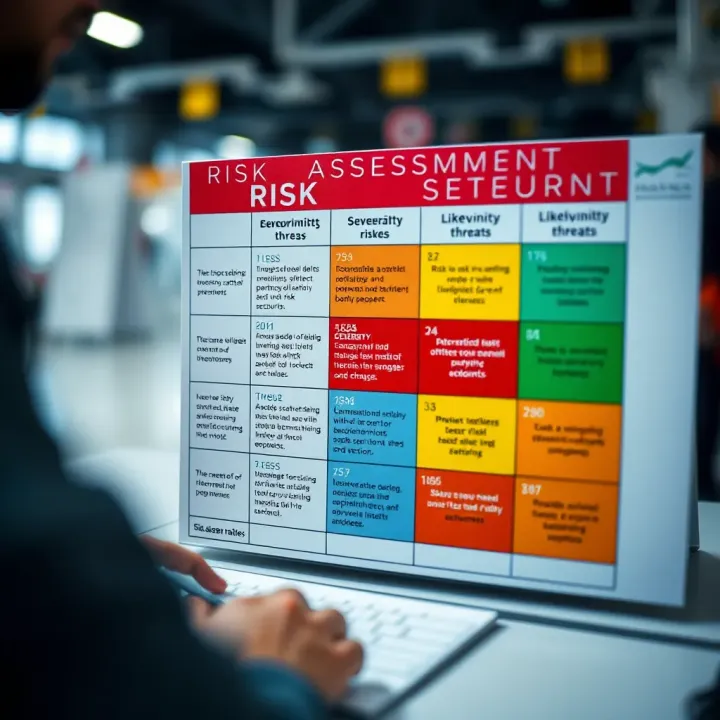
After identification and assessment, risks are ranked by their potential impact and likelihood. This step enables investors or companies to focus on risks that could cause serious damage if left unchecked. For example, a textile exporter might prioritise foreign exchange risk over operational delays. This makes the risk management effort more targeted and practical.
Avoidance means steering clear of activities that expose an organisation to certain risks. If a Pakistani investor feels the telecom sector is too volatile due to regulatory uncertainties, they might avoid investing there altogether. This is the most straightforward way to eliminate a risk but could limit opportunities.
Risk reduction involves taking steps to lower the chance or impact of a risk. For instance, a company facing frequent power outages (loadshedding) in Karachi might install backup generators to reduce operational disruptions. Similarly, diversification of investments across sectors can reduce exposure to any one type of risk.
Sharing spreads the risk between parties, often through contracts or insurance. A Pakistani construction firm may share project risk with contractors via performance bonds. Traders might use derivatives to hedge against price fluctuations, distributing potential losses.
Sometimes, risks are unavoidable or the cost of mitigation is too high. In such cases, organisations accept the risk and prepare to manage its consequences. For example, a small investor may accept the risk of market volatility while aiming for higher returns, keeping some cash liquid to cover potential losses.
Effective risk management needs ongoing monitoring. Markets and environments change rapidly, so risks must be reviewed periodically. Pakistani investors tracking regulatory policies or geopolitical developments adjust their strategies accordingly. This dynamic approach ensures risks are controlled continuously rather than addressed only after damage occurs.
Regularly reviewing risks keeps businesses and traders ahead of surprises and helps adapt to shifting conditions.
In summary, these key elements guide how you recognise, assess, prioritise, respond to, and monitor risks. Knowing them helps Pakistani market participants and organisations protect investments, maintain stability, and achieve long-term goals.
Risk management depends heavily on the right tools and techniques to properly identify, assess, and control risks. These methods help traders, analysts, investors, and brokers make informed decisions by providing clear insights into potential threats and opportunities. Using practical tools such as risk registers, SWOT analysis, and scenario planning enables organisations to stay ahead of challenges instead of reacting late.
A risk register is essentially a central log that details identified risks, their likelihood, potential impacts, and assigned mitigation measures. This keeps everyone on the same page, ensuring no risk slips through the cracks. For example, a stockbroker tracking currency fluctuations affecting foreign investments would note these in the register to flag urgent attention.
Risk maps visually represent risks, often by plotting them on a grid based on severity and probability. This helps highlight which risks require immediate action. Imagine a Karachi-based trading firm mapping risks related to political instability and market volatility; the map would point out hotspots that need close monitoring.
SWOT (Strengths, Weaknesses, Opportunities, Threats) analysis allows businesses to evaluate internal factors and external risks simultaneously. For instance, an investor examining a textile company might identify the strength of local labour but also the threat posed by rising cotton prices.
PESTLE (Political, Economic, Social, Technological, Legal, Environmental) analysis complements this by focusing on wider external factors. A financial analyst might use PESTLE to gauge how new government regulations or foreign exchange controls will impact market conditions.
Scenario planning involves creating detailed hypothetical situations to test how an organisation would respond. Pakistani banks, for example, might plan for scenarios like sudden interest rate hikes or international sanctions impacting remittances.
Stress testing pushes this further by evaluating how extreme conditions affect financial health or operations. This technique is especially important for investors in high-volatility markets such as PSX, where unexpected shocks can hit asset values.
Modern risk management relies on software that automates the tracking and reporting of risks. Platforms designed for Pakistani businesses can integrate with local financial systems like SBP’s data or FBR’s tax filings. This automation saves time and reduces errors, making it easier for risk managers to focus on analysis rather than data collection.
Software tools also enable real-time alerts—for example, notifying a broker if a stock hits a risk threshold. This immediacy can be crucial during periods of market turbulence.
Data analytics uses historical and real-time data to predict trends and identify hidden risks. By analysing transaction records, market patterns, and economic indicators, analysts can spot warning signs earlier.
In Pakistan's context, analytics helps assess risks such as credit defaults, currency volatility, or supply chain disruptions caused by load shedding. These insights allow investors and traders to adjust portfolios proactively rather than react to losses.
Effective use of these tools can transform risk management from a reactive task into a strategic advantage in Pakistani markets.
Pakistan faces unique challenges that make risk management a necessary practice for organisations across sectors. From business disruptions caused by economic uncertainty to infrastructure vulnerabilities due to natural disasters, managing risks helps reduce financial losses and protect lives. In the context of Pakistan’s volatile economy and regulatory environment, organisations that adopt strong risk management practices gain a clear edge in stability and resilience.
In Pakistan’s business environment, risk management safeguards companies against market fluctuations, currency depreciation, and credit defaults. For example, exporters who regularly face Pakistan rupee (PKR) volatility must monitor forex risks closely to avoid unexpected losses. Banks and financial institutions use risk management tools to assess creditworthiness and prevent non-performing loans, especially amid uncertain economic policies and inflationary pressures. Firms listed on the Pakistan Stock Exchange (PSX) often deploy risk metrics to hedge investments and maintain portfolio balance during turbulent times.
Pakistan’s infrastructure is prone to risks such as earthquakes in regions like Islamabad and road accidents on national highways. Effective risk management ensures that engineering, construction, and maintenance projects factor in these hazards to reduce damage and delays. WAPDA, responsible for power distribution, uses risk assessments to manage loadshedding impacts while protecting critical networks from faults. Public safety departments also rely on risk management to plan emergency response strategies during floods and monsoon seasons. These efforts minimise casualties and economic disruption, proving risk management’s essential role beyond just business.
Compliance with regulatory frameworks in Pakistan remains a headache for many organisations. Managing risks means staying abreast of evolving laws from bodies like the Securities and Exchange Commission of Pakistan (SECP) and the Federal Board of Revenue (FBR). For instance, sudden tax policy changes or delays in filings can cause heavy penalties. Risk management helps companies develop internal controls and reporting systems to avoid compliance failures. Moreover, managing legal risks prevents reputational damage due to litigation or disputes, increasingly critical in Pakistan’s competitive business climate.
In Pakistan’s complex economic and regulatory landscape, risk management is not an optional practice but a necessity for sustainable growth and security.
Organisations that embed risk management in their operations enhance decision-making, protect assets, meet regulatory demands, and ultimately improve trust among investors, customers, and stakeholders. This approach aligns well with modern business practices and helps Pakistani firms navigate both local challenges and global competition effectively.
Implementing a robust risk management framework is essential for maintaining control over uncertainties and securing organisational objectives. This framework acts as the backbone of all risk-related activities, ensuring consistent practices and clear guidelines. Whether in a Karachi-based textile firm or an Islamabad IT startup, a well-structured framework helps organisations anticipate challenges, allocate resources efficiently, and respond proactively to risks.
A risk management policy is the blueprint that outlines the organisation’s commitment and approach towards managing risks. It must clearly define the risk appetite, objectives, and scope, offering a roadmap that aligns with the business goals. For example, banks operating in Pakistan might adopt a policy that emphasises strict compliance with SBP regulations and continuous assessment of credit risk. The policy should be concise, approved at the highest level, and communicated across the organisation to foster a risk-aware culture.
Clear accountability is key to effective risk management. Designating roles ensures every risk activity is monitored and managed by the right personnel. Typically, a risk committee led by senior management takes strategic decisions, while operational teams handle day-to-day risk controls. For instance, a manufacturing company may assign the safety officer to oversee factory hazards, while finance teams manage financial risks. This clarity prevents gaps in risk oversight and encourages shared ownership across departments.
Equipping staff with the knowledge and skills related to risk management is vital, especially in a fast-changing environment. Regular training keeps teams updated on new risks, regulatory changes, and best practices. Training sessions could include scenario-based exercises relevant to local contexts, like managing supply chain disruption during monsoons. Awareness programmes increase vigilance, reduce accidental errors, and help embed risk considerations into daily decision-making.
Risk management is not a one-time effort; it requires continuous evaluation for effectiveness. Regular reviews identify emerging risks and assess how well mitigation measures are performing. Companies in Pakistan’s volatile energy sector, for example, need ongoing adjustments to address loadshedding risks. Feedback loops from all levels — including frontline workers — provide valuable insights that help refine policies and procedures, ensuring the framework stays responsive and practical.
Remember: A risk management framework gains strength not just from documentation but through active practice and ongoing refinement. Practical steps like detailed policies, defined roles, continuous training, and feedback are the building blocks of resilience.
This structured approach leads to better risk control and informed decision-making, which benefits traders, investors, analysts, and brokers who rely on sound risk practices in Pakistan’s dynamic markets.
Explore actuarial science and risk management 🧮. Learn key principles, risk assessment techniques, career paths, and real-world uses in finance and insurance 🇵🇰.

📊 Learn practical risk management in project settings—identify, analyse, and handle risks to keep projects on track in Pakistan's business & development sectors.

Discover how effective risk management identifies hazards ⚠️, cuts losses 💰, boosts decisions ✅, ensures compliance 📋, and protects your business reputation 📈 in Pakistan.
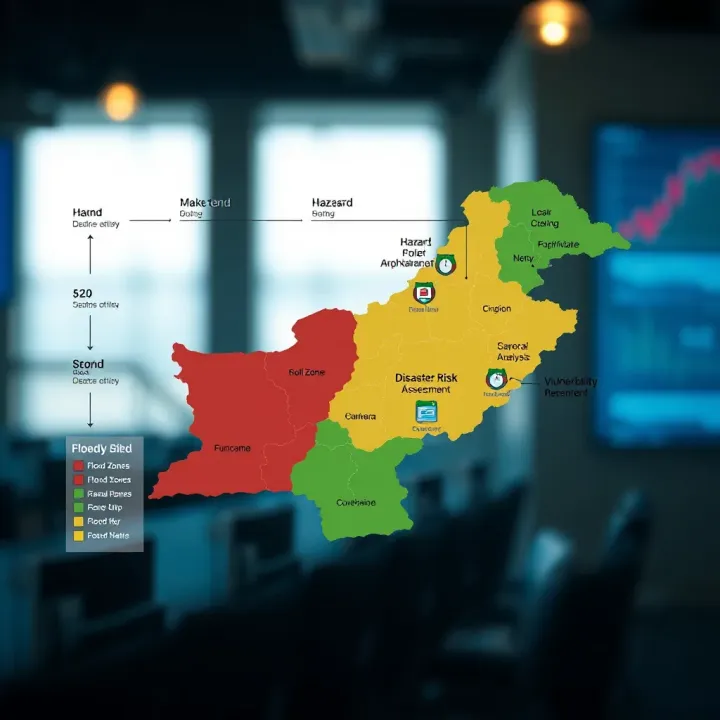
Protect lives & property in Pakistan with effective disaster risk management. Learn key strategies: risk assessment, response, recovery, and tech role 🌪️🛡️
Based on 6 reviews