

Benefits of Risk Management in Business
Discover how effective risk management identifies hazards ⚠️, cuts losses 💰, boosts decisions ✅, ensures compliance 📋, and protects your business reputation 📈 in Pakistan.
Edited By
Oliver Green
In project management, risk management means spotting problems before they happen and figuring out how to deal with them. Every project, whether it involves constructing a new building in Lahore or launching a tech startup in Karachi, faces uncertainties that can disrupt schedules, inflate costs, or lower quality. Managing these risks isn’t just a formality; it directly affects whether a project finishes on time and within budget.
Risk management involves several steps: identifying potential risks, analysing their impact, prioritising them, and then implementing control measures. For example, a construction project may face risks like sudden material price hikes or delays due to monsoon rains. Recognising these risks early allows the project manager to adjust procurement plans or schedule work around predictable weather patterns.
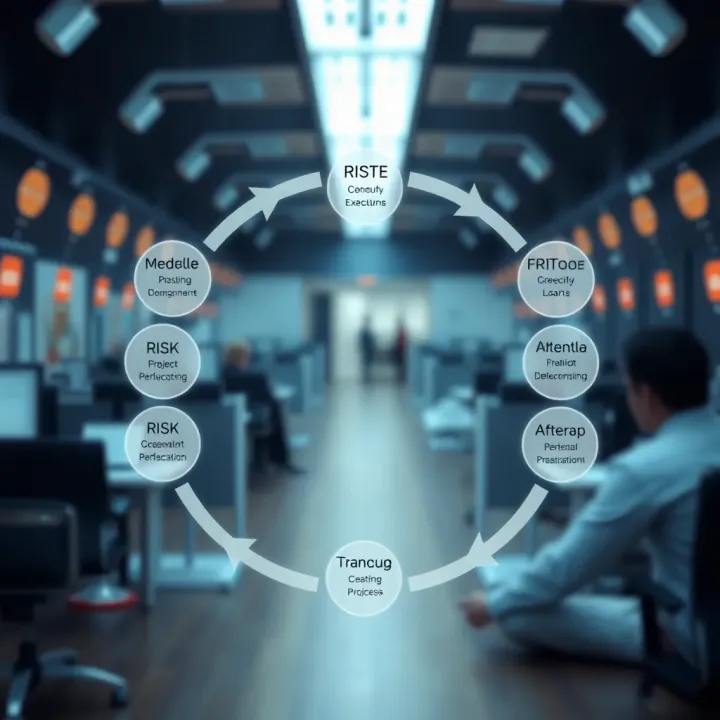
Understanding the common risks in Pakistani projects—such as frequent loadshedding affecting power supply or regulatory delays at local government offices—is crucial. These factors often cause ripple effects that impact timelines and costs if left unaddressed.
Effective risk management helps maintain a project’s momentum and prevents small issues from turning into costly setbacks.
Practical risk handling methods include regular risk reviews during project phases, setting aside contingency funds, and using communication tools to keep stakeholders informed. Digital platforms like MS Project or local tools adapted for Pakistani markets can assist in tracking these risks systematically.
By integrating risk management into everyday project activities, managers reduce surprises and keep their teams focused on delivering results. This approach builds resilience not only in timelines and budgets but also in maintaining trust with investors and clients.
In summary, risk management is about being prepared rather than reactive. It helps projects succeed in Pakistan’s often unpredictable business and development environment.
Risk management is a vital part of every successful project. It means knowing what might go wrong and taking steps to avoid or reduce those problems before they impact the project's goals. In Pakistan's dynamic business and development sectors, projects often face uncertainties like regulatory changes, budget fluctuations, or supply chain hiccups, so understanding risk management helps keep things steady.
Risk in project management refers to any uncertain event or condition that can affect a project positively or negatively. Most risks, however, tend to threaten the project's scope, time, cost, or quality. For example, a construction project in Karachi might face unexpected delays due to monsoon rains, or an IT project in Islamabad could struggle because of sudden changes in software regulations by the Pakistan Telecommunication Authority (PTA). Recognising these risks early enables project teams to prepare, whether it’s arranging alternative suppliers or revising timelines.
Knowing how risks work is essential because it prevents surprises and builds resilience. Ignoring risks often leads to cost overruns, missed deadlines, and project failure. Conversely, effectively managing risk can save money, protect reputations, and create smoother progress.
Risk management directly influences whether a project meets its goals on time and within budget. Projects that manage risks actively can adapt faster when challenges emerge. For instance, a manufacturing project that anticipates material shortages can arrange bulk purchases beforehand, avoiding last-minute price hikes or delays.
Beyond saving resources, risk management also boosts stakeholder confidence. Investors and clients feel more secure when they see a project team responding systematically to potential problems. This is especially true in Pakistan’s volatile economic and political environment, where external factors like policy shifts or energy loadshedding can suddenly affect projects.
Effective risk management makes projects nimble and reliable, enabling teams to steer through uncertainty without losing direction.
In practice, this means a project manager must identify risks clearly, assess their likelihood and impact, and establish plans to handle them. Simple tools like a risk register can track issues, while regular team check-ins help spot new risks early. This approach prevents small hiccups from snowballing into major setbacks, ensuring projects in Pakistan’s diverse settings have a stronger chance to succeed.
Managing risks effectively is a cornerstone of successful projects. Following clear steps ensures you spot threats early, weigh their potential damage, plan how to tackle them, and keep control as things evolve. This approach helps avoid surprises that could throw budgets off or delay delivery – matters every trader, analyst, and project manager keeps a close eye on.
Spotting risks as soon as possible can save much trouble later. Risks often come from several sources in project settings: changing market conditions, supply chain hiccups, resource shortages, or even regulatory shifts in Pakistan’s dynamic economy. For example, a construction project might face risks from sudden fuel price hikes or load shedding affecting machinery.
To pick up on these risks early, teams use techniques like brainstorming sessions, interviewing experienced staff, reviewing past project failures, and consulting industry experts. Tools such as SWOT analysis (Strengths, Weaknesses, Opportunities, Threats) are also common. These methods help uncover issues before they escalate, enabling proactive planning rather than reactive scrambling.
Once identified, risks require analysis to understand their gravity. Qualitative risk analysis uses descriptive categories – such as high, medium, or low risk – based on intuition and experience. For instance, an IT project might label the risk of data leakage as ‘high’ given potential brand damage.
Quantitative analysis, on the other hand, assigns numerical values estimating potential cost or time impact. This is handy for large-scale projects where precise budgeting matters. It could involve calculating expected financial loss if a supplier delays by a week.
Assessing the impact and likelihood of each risk guides prioritisation. A risk with a low chance but huge impact, like currency depreciation affecting foreign imports, needs different handling than a frequent but low-impact risk like minor equipment faults. This ensures resources target the most threatening risks first.
Effective risk management involves choosing the right response: avoidance, mitigation, transfer, or acceptance. Avoidance means steering clear of the risk altogether, like cancelling a supplier contract known for delays. Mitigation reduces risk severity, such as training staff better to lower human errors.
Transferring risk often involves insurance or outsourcing to experts, which is common in Pakistan’s construction sector where project owners pass certain liabilities to contractors. Acceptance might apply for low-threat risks where managing them costs more than potential loss.
Risk management is not a one-time task. Tracking risk status throughout project life means regularly checking if risks materialise or change. Dashboard tools can highlight overdue tasks or rising risks, enabling timely action.
Plans should be flexible to adapt as new issues arise or conditions shift. For example, during monsoon season, a logistics project might face unexpected delays requiring a revised risk response. Staying alert and ready to tweak plans keeps projects on course despite uncertainties.
Continuous attention to risk management helps turn challenges into manageable parts of the project rather than causes of failure. In Pakistan’s volatile settings, this agility often decides the difference between success and costly setbacks.
Understanding the common risks faced in Pakistani projects helps in building more realistic plans and safeguards. Risk management becomes practical only when you are aware of the challenges typical to our local environment. These risks have real consequences on timelines, budgets, and overall project viability.
Financial risks frequently disrupt Pakistani projects due to currency instability and inflation. For example, projects dependent on imported machinery often face cost overruns when the rupee weakens unexpectedly, pushing expenses higher than forecasted. Delays in fund disbursement, either from government bodies or private investors, can stall procurement and labour payments, creating a cascade of problems. Also, fluctuating interest rates set by the State Bank of Pakistan (SBP) affect loan repayments for project financing, squeezing budgets unexpectedly.
Operational risks usually arise from inefficient resource allocation or a lack of skilled labour. Many projects suffer when machinery undergoes frequent breakdowns due to poor maintenance standards that prevail in Pakistan’s industrial sector. Labour shortages are common, especially in specialised trades, causing schedule slippage. In rural areas, logistics problems worsen delays—poor road conditions and loadshedding disrupt material deliveries. These operational issues compound quickly without robust contingency planning.
Pakistan’s regulatory framework is evolving but often lacks clarity or consistency, creating compliance risks. Regulatory approvals can get delayed or face sudden changes, as seen in real estate projects where zoning rules or environmental clearances shift mid-way. Tax laws and labour regulations require close monitoring to avoid penalties from the Federal Board of Revenue (FBR) or labour departments. Non-compliance with the Pakistan Telecommunication Authority (PTA) standards can halt technology projects, disrupting operations.
External risks hold significant sway over projects here. Political instability or unexpected policy shifts may alter government priorities, affecting funding and licensing. For instance, a change in provincial leadership often delays infrastructure projects. Environmental risks, including monsoon floods or droughts, regularly hit construction schedules. Urban projects in Karachi face dangers from waterlogging and sewage problems, stalling work. These external factors compel project managers to build flexibility and regular risk reviews into their plans.
Focusing on these local risk types gives project managers a clearer view of the challenges ahead, enabling more effective planning and timely mitigation.
Effective risk management depends heavily on the tools and techniques project managers use to identify, track, and respond to risks. This section highlights practical methods that help keep projects on course, ensuring informed decisions are made and potential issues are handled efficiently. Understanding and applying the right tools aids in reducing uncertainty and avoiding costly delays or overruns.
A risk register is a fundamental document that tracks all identified risks throughout the project lifecycle. It captures details like risk description, likelihood, impact, owners, and mitigation actions. For example, a real estate developer in Karachi might note construction delays due to material shortages as a risk in the register, assigning responsibility for supplier follow-up. Alongside this, the Risk Breakdown Structure (RBS) organises risks into categories such as financial, operational, or environmental. This structure helps managers systematically analyse risks and ensures no major area is overlooked. Together, these tools provide a clear snapshot of risk exposure and facilitate ongoing review.
Modern projects often require digital solutions for risk management, especially when teams are large or geographically spread. Applications like Microsoft Project, RiskWatch, or custom Excel templates enable detailed risk analysis and keep the register updated in real time. For instance, an IT firm developing software with cross-city teams in Lahore and Islamabad uses a cloud-based risk tool to share immediate updates, avoiding miscommunication. These tools may offer dashboards, automated alerts, and integration with other project management software, streamlining risk tracking and enhancing responsiveness.
Risk management is more effective when the whole project team is engaged. Open communication creates awareness and encourages the reporting of new risks. Regular risk review meetings—whether in-person or virtual—help keep everyone on the same page. For example, a transport infrastructure project in Punjab benefits when field engineers communicate operational risks they observe, allowing timely adjustments. Involving stakeholders at all levels fosters a shared responsibility for managing risks and encourages practical, ground-level input that may not appear in documents alone.
Keeping risks visible and actively managed through practical tools, digital platforms, and continuous team engagement turns risk management from a passive checklist into a dynamic part of project execution.
By adopting these tools and methods, project managers in Pakistan’s business and development sectors can better anticipate threats and reduce surprises, saving time and money while improving the chance of success.
Discover how effective risk management identifies hazards ⚠️, cuts losses 💰, boosts decisions ✅, ensures compliance 📋, and protects your business reputation 📈 in Pakistan.

Explore actuarial science and risk management 🧮. Learn key principles, risk assessment techniques, career paths, and real-world uses in finance and insurance 🇵🇰.

🔍 Discover how to pick top Forex brokers in Pakistan! Learn about regulations, fees, platforms & tips for safe trading to boost your Forex success.

📈 Discover how to pick the best trading app in Pakistan with tips on fees, security, usability, and support to boost your investment confidence! 🇵🇰
Based on 15 reviews