

Benefits of Risk Management in Business
Discover how effective risk management identifies hazards ⚠️, cuts losses 💰, boosts decisions ✅, ensures compliance 📋, and protects your business reputation 📈 in Pakistan.
Edited By
Liam Carter
Risk management is a vital practice for Pakistani businesses, particularly as they face unique challenges like economic fluctuations, regulatory changes, and operational risks such as loadshedding. Understanding and applying core risk management principles helps businesses not just survive but also adapt and grow in this dynamic environment.
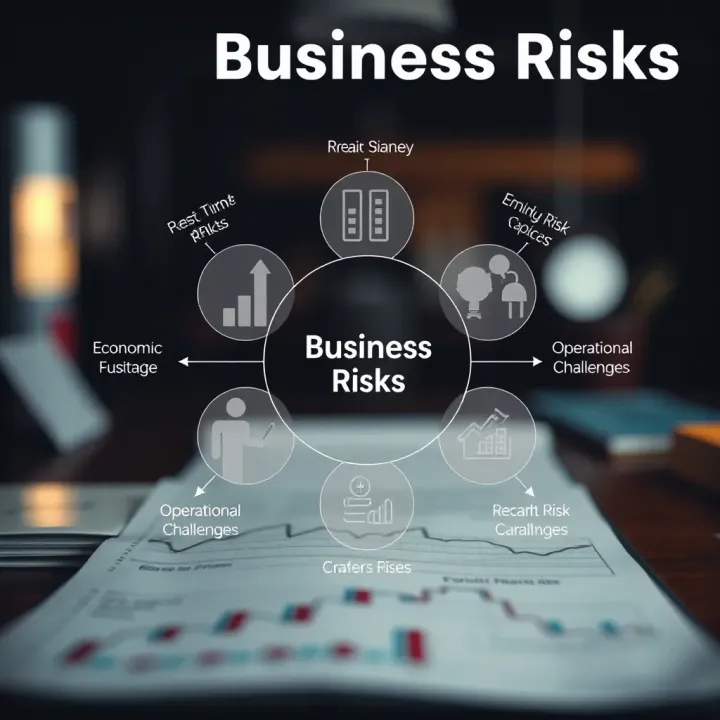
Pakistan’s business landscape includes various risks, from currency volatility and political instability to compliance demands by agencies like the Federal Board of Revenue (FBR) and the Securities and Exchange Commission of Pakistan (SECP). For example, a small textile exporter in Faisalabad may grapple with sudden increases in raw material costs and foreign exchange pressure simultaneously. Without assessing these risks properly, losses can escalate quickly.
Effective risk management starts with identifying potential threats clearly, followed by assessing their likelihood and impact. Businesses in Pakistan often overlook the importance of consistent risk assessment, which reduces their ability to respond effectively. Here’s what organisations should focus on:
Risk Identification: Involves spotting internal and external risks. For instance, a Karachi-based transport company should monitor traffic conditions, fuel price changes, and regulatory shifts.
Risk Assessment: Evaluates how likely a risk is and how damaging it could be. This helps prioritise which risks need urgent attention.
Risk Control: Adopts strategies such as diversification, insurance, or technological solutions like real-time tracking systems to manage risks.
Monitoring and Review: Continuous evaluation ensures that risk management remains relevant as circumstances change. Businesses using digital payment platforms like JazzCash must regularly update security measures to prevent fraud.
Managing risk effectively is not just about avoiding loss but enabling sustainable growth under uncertainty.
Business owners should start with a simple risk register listing common risks and their mitigation plans. For example, a Lahore-based IT firm could include data breaches, client payment delays, and power outages on its list, along with practical controls like data backups, stricter credit controls, and backup generators.
In summary, risk management tailored to Pakistan’s economic and operational environment equips businesses to face challenges head-on. Early identification, clear assessment, practical controls, and regular monitoring are simple yet powerful steps every business should strengthen today.
Risk management is vital for every organisation, especially in Pakistan where economic and political factors can shift rapidly. Understanding its core helps businesses safeguard assets, reduce surprises, and ensure smoother operations in an uncertain environment.
Risk management refers to the process of identifying, analysing, and addressing potential threats that can adversely affect a business. This isn't just about avoiding problems but actively preparing to minimise their impact. For example, a textile exporter in Faisalabad may face risks from currency fluctuation or delayed shipments. Recognising these risks early allows the company to put safeguards in place, such as forward contracts or alternative suppliers.
The main aim is to protect the organisation's value by reducing the likelihood and impact of negative events. It also seeks to provide stability, so businesses can plan confidently and meet their goals despite uncertainties. A local SME accepting credit risk wisely ensures it won’t face insolvency if clients delay payments. This balance allows room for growth without reckless exposure.
Pakistan's economy is prone to fluctuations in inflation, exchange rates, and interest rates, which affect operational costs and profitability. Political shifts can change regulations overnight. Businesses ignoring these risks may find themselves hit by sudden tax hikes or import restrictions, similar to what happened during the recent energy crisis impacting manufacturing sectors. A proactive risk approach helps firms adjust strategies on time.
Pakistan's regulatory environment involves compliance with FBR tax laws, SECP corporate rules, labour regulations, and environmental standards. Non-compliance risks heavy fines or business disruptions. For instance, many companies struggled to meet new FBR e-filing requirements last year. Understanding and managing these compliance risks isn’t just a legal necessity but avoids loss of reputation and market access.
Effective risk management keeps you one step ahead — not just reacting, but anticipating. It’s a practical shield in Pakistan’s challenging business climate.
By grasping these basics, businesses can build frameworks to identify risks clearly, assess their potential impact, and design measures that protect their interests practically and sustainably.
Understanding the common risks Pakistani businesses face is essential for developing effective risk management strategies. These risks often stem from the country's unique economic conditions, infrastructure challenges, and regulatory environment. Identifying these risks helps traders, investors, and business owners prioritise actions to protect their operations and finances.
Pakistani businesses regularly grapple with currency volatility and inflation. The value of the Pakistani rupee often experiences swings against the US dollar and other major currencies due to trade imbalances and political uncertainty. For exporters or importers, even small shifts can significantly affect profit margins. For example, importers paying in dollars might suddenly face higher costs if the rupee weakens, pushing their prices up for local consumers.
Inflation further complicates matters, as rising costs for raw materials, labour, and utilities can squeeze businesses’ operational budgets. A food processing factory in Lahore might face increased prices for packaging materials due to inflation, forcing them to either absorb the extra expense or raise product prices, potentially losing customer demand.
Many Pakistani businesses rely on credit lines from banks or suppliers to maintain smooth operations. However, fluctuating interest rates and economic uncertainty can tighten liquidity, making it more difficult to service debts or maintain working capital. For instance, a textile exporter might struggle if a buyer delays payment, causing cash flow gaps that hinder factory operations.
Additionally, limited access to affordable financing in Pakistan often forces companies to depend on informal lending or short-term credit, exposing them to high-interest burdens. Poor liquidity management may risk defaults or force asset sales at low prices.

Scheduled power outages, commonly known as loadshedding, remain a persistent challenge for Pakistani businesses. Industries requiring continuous power, like manufacturing and IT firms, face downtime that disrupts production and client commitments. For example, a Faisalabad-based garment manufacturer may lose valuable working hours during peak loadshedding periods, increasing costs and delaying orders.
Beyond power, unreliable infrastructure such as poor roads and limited internet connectivity increase operational risks. These hurdles impact efficiency, cause delays, and add unexpected expenses.
Supply chains in Pakistan are vulnerable to numerous disruptions, from political unrest to transport strikes or import restrictions. A retailer in Karachi, for example, might find stock shortages if customs delays block container clearance at ports. Similarly, seasonal floods or monsoon rains can damage roads and delay deliveries, compounding challenges.
Having a disrupted supply chain means higher costs, stock-outs, and unhappy customers. Businesses that don’t diversify suppliers or maintain buffer stocks can suffer serious setbacks.
Navigating Pakistan’s complex taxation system is challenging for many businesses. Frequent changes in Federal Board of Revenue (FBR) policies, such as withholding tax rates or sales tax rules, demand constant attention. Small to mid-sized firms often struggle to keep up with e-filing requirements or rectify discrepancies, facing penalties or audits.
For example, a Karachi-based tech startup may falter if it misses timely tax submissions, resulting in fines or legal issues. Understanding the latest FBR notifications is key to avoiding compliance risks.
Labour regulations in Pakistan require careful management to prevent disputes. Companies must comply with minimum wage laws, social security contributions, and working hour limitations. Contractual problems often arise when agreements lack clarity on wages, benefits, or termination terms.
A manufacturing unit in Gujranwala, relying on seasonal workers, may face legal hassles if contracts are informal or poorly documented. Proper understanding and adherence to labour laws help businesses avoid fines, strikes, or litigation that stall operations.
Awareness and proactive management of these common risks enable Pakistani businesses to remain resilient and competitive in an unpredictable environment.
Currency swings and inflation affect costs and pricing
Credit challenges threaten cash flow stability
Loadshedding disrupts production schedules
Supply chain interruptions cause stock shortages
FBR rules require strict compliance
Labour law adherence avoids legal penalties
Addressing these risks early sets the foundation for sustainable business growth in Pakistan's dynamic market.
Risk assessment and prioritisation form the backbone of effective risk management. Without properly identifying and ranking risks, businesses end up wasting resources chasing minor threats while ignoring major ones. Pakistani businesses, facing varied economic and operational uncertainties, need clear methods to spot risks and decide which ones demand urgent attention.
Internal risks originate within a business’s control, such as employee errors, outdated technology, or weak financial controls. For example, a Karachi-based textile firm might face internal risks like production delays due to untrained workers or machinery breakdown. These risks can often be managed with better training or maintenance.
External risks come from outside the organisation and are usually harder to control. These include economic downturns, political unrest, or regulatory changes by the Federal Board of Revenue (FBR). For instance, a sudden change in taxation policy by FBR could impact a Lahore exporter’s cash flow unexpectedly. Understanding this distinction helps businesses place responsibility correctly and craft targeted responses.
A risk register is a practical tool that lists all identified risks along with detailed information such as likelihood, impact, and mitigation steps. Many Pakistani SMEs overlook this simple tool, but it can be a game-changer. Say a Faisalabad textile mill maintains a risk register, documenting potential equipment failures and market fluctuations. This register guides management to allocate budget for urgent repairs before an actual breakdown.
Risk registers also support communication across departments. When used well, they ensure that everyone from finance to operations stays on the same page about which risks matter most and what is being done about them.
Evaluation involves gauging both how likely a risk is to happen and what damage it may cause. For example, the risk of power loadshedding in Islamabad might be very likely but with a moderate impact if backup generators are available. In contrast, a rare cyberattack on a bank's online system can have severe consequences but happens less often.
Estimating these factors helps prioritise limited resources. Pakistani businesses can better focus on risks with high probability and significant impact rather than spreading efforts thinly across all possible threats.
To visualise risk evaluation, businesses often use a risk matrix or heat map. This is a grid where one axis shows probability and the other shows impact, helping to group risks into categories like high, medium, or low concern.
A Karachi import business might use a heat map to plot risks like currency depreciation (high probability, high impact) versus supply chain delays (medium probability, medium impact). The colour coding makes it easy for decision-makers to see at a glance which risks need immediate action and which can be monitored.
Using these techniques ensures your business doesn't waste precious time chasing low-priority risks while high-risk issues simmer unnoticed. Prioritisation makes risk management not just effective but efficient.
Understanding and applying these assessment and prioritisation tools equips Pakistani businesses to manage risks smartly and stay ahead in challenging market conditions.
Managing business risks requires a blend of clear strategies tailored to the specific challenges faced by Pakistani firms. Choosing the right approach depends on the nature of the risk as well as the resources available. Effective strategies not only protect the organisation but also support sustainable growth amid economic uncertainties.
Changing Business Processes involves adjusting how a company operates to avoid or lower potential risks. For example, a manufacturing firm in Karachi might shift part of its supply chain to local vendors to reduce reliance on imports, which are vulnerable to sudden currency fluctuations and customs delays. Similarly, introducing quality control checks earlier in production can help minimise operational defects and returns.
This approach works well when certain activities consistently expose the business to avoidable risks. However, changing processes often requires staff training and upfront costs, so firms need to balance potential gains against disruption.
Investing in Infrastructure is another vital way to reduce risk exposure. In Pakistan, persistent loadshedding can halt production and spoil inventory. Installing backup generators or solar power systems ensures operations continue smoothly, protecting against this common threat.
Beyond power, upgrading IT infrastructure to secure reliable internet connections can enable businesses to avoid downtime, especially when relying on digital payment platforms like JazzCash or Easypaisa. Such investments might seem costly initially but tend to save money and safeguard reputation over time.
Insurance Options in Pakistan provide a financial safety net against certain types of risks. Firms can purchase policies covering fire, theft, business interruption, or employee accidents. Although insurance penetration in Pakistan is relatively low, growing awareness and the availability of tailored business packages from companies like Jubilee General or EFU General Insurance make it increasingly practical.
Insurance reduces the burden of unexpected losses, allowing businesses to focus on growth rather than emergency expenses. That said, coverage terms must be scrutinised carefully to align with specific operational risks.
Outsourcing and Partnerships spread risk by sharing responsibilities with external parties. For instance, a retail business may outsource its courier services to Bykea or local logistics providers to minimise delivery challenges internally. Similarly, collaborating with specialised IT firms to handle cybersecurity may reduce vulnerability to data breaches.
These arrangements allow companies to tap expertise without bearing full risk ownership. However, choosing reliable partners and clear contracts is essential to prevent new risks from poorly managed outsourcing.
When to Accept Risks is as important as avoiding or transferring them. Some risks, like minor daily fluctuations in exchange rates, might be economically inefficient to hedge or insure. Businesses often accept such risks but maintain buffers like flexible budgeting.
Acceptance is a tactical decision, often for risks with low probability or impact. Strategic acceptance calls for awareness and preparedness rather than complacency.
Ongoing Risk Review and Adjustment ensures strategies remain relevant as conditions change. Regularly reviewing risk registers, monitoring market trends, and adjusting plans keep risk management dynamic. For example, if political developments increase import tariffs, firms should reassess their exposure and alter supply channels or pricing accordingly.
Continual monitoring creates resilience and responsiveness in the face of Pakistan's complex business environment.
Effective risk management isn’t about eliminating all dangers—it’s about recognising which risks to tackle, transfer, accept, or reduce, and then staying alert to new challenges.
By combining these strategies suitably, Pakistani businesses can better protect themselves and improve their chances of long-term success.
Implementing a risk management framework provides Pakistani businesses a structured approach to handle uncertainties systematically. This framework helps organisations establish clear procedures for spotting risks, assigning accountability, and monitoring progress. Without such a system, risks might be overlooked or managed inconsistently, leading to bigger problems down the line.
Setting Risk Policy and Objectives
Clear risk policies and objectives set the foundation for a sound risk management plan. This means defining what level of risk the business is willing to tolerate and what it aims to protect, such as financial stability, customer trust, or reputation. For example, a textile exporter in Faisalabad may set a risk policy focusing on minimising currency fluctuation impacts and delivery delays. Setting these goals guides all subsequent risk evaluations and decisions.
Assigning Roles and Responsibilities
Every risk management plan must pinpoint who is responsible for various tasks. Designating roles ensures accountability and prevents gaps in monitoring or response. For instance, the finance manager may oversee financial risks, while the operations head addresses supply chain interruptions. Smaller businesses might assign multiple roles to one person, but clarity remains essential to avoid confusion.
Documentation and Communication
Keeping accurate records of identified risks, assessment results, and mitigation steps is crucial. Documentation helps track progress and provides a reference during audits or board meetings. Moreover, clear communication channels allow risk information to flow easily among departments. A Karachi-based software firm might use regular meetings and shared documents to keep everyone updated on cybersecurity threats and responses.
Software Solutions for Risk Tracking
Technology aids in tracking risks efficiently. Many Pakistani companies now use specialised software that logs risks, flags overdue actions, and generates reports automatically. For example, a medium-sized manufacturing unit in Lahore might use such software to monitor machinery maintenance risks and alert managers before breakdowns occur. These tools reduce manual errors and save critical time.
Integration with Financial and Operational Systems
Linking risk management tools with existing financial and ERP systems provides a full picture of business health. This integration allows real-time analysis of how risks impact cash flow, procurement, and production. A Karachi logistics firm integrating its risk system with inventory and payment records can immediately respond if supplier delays threaten deliveries.
Regular Training and Awareness
Training employees regularly on risk policies builds awareness across all levels. Practical sessions help staff recognise early warning signs, like irregular transactions or safety hazards. For a Punjab-based retail chain, this might include seminars on anti-fraud measures and emergency preparedness, improving overall resilience.
Aligning with SECP and FBR Guidelines
Compliance with the Securities and Exchange Commission of Pakistan (SECP) and Federal Board of Revenue (FBR) regulations reduces legal risks significantly. Ensuring internal policies reflect these guidelines avoids penalties and supports smooth audits. For example, some companies closely monitor GST filings and record-keeping per FBR rules to sidestep fines and maintain credibility.
Building a robust risk management framework not only shields businesses from threats but also builds confidence among investors, customers, and regulators alike. It's an investment that pays off in smoother operations and better long-term planning.
By embracing these elements, Pakistani businesses can navigate uncertain environments better and stay competitive.
Discover how effective risk management identifies hazards ⚠️, cuts losses 💰, boosts decisions ✅, ensures compliance 📋, and protects your business reputation 📈 in Pakistan.

Explore actuarial science and risk management 🧮. Learn key principles, risk assessment techniques, career paths, and real-world uses in finance and insurance 🇵🇰.

Master effective binary options trading strategies 📈 tailored for consistent success. Learn practical tips, risk management, and market insights for smarter trading.

Discover how binary images work, their creation, common uses, and techniques. Learn about challenges and real-world applications in tech and healthcare 🖤⚫️📊.
Based on 14 reviews