

Benefits of Risk Management in Business
Discover how effective risk management identifies hazards ⚠️, cuts losses 💰, boosts decisions ✅, ensures compliance 📋, and protects your business reputation 📈 in Pakistan.
Edited By
Charlotte Evans
Enterprise Risk Management (ERM) serves as a structured approach for businesses to spot and handle risks that could impact their goals. In Pakistan, where market fluctuations, regulatory shifts, and operational challenges frequently surface, having a solid ERM framework helps companies stay resilient.
In simple terms, ERM is not just about avoiding losses; it’s about understanding various risks — financial, operational, reputational — and managing them actively to secure long-term success. For example, a textile exporter in Faisalabad may use ERM to safeguard against foreign exchange swings and sudden policy changes impacting export duties.
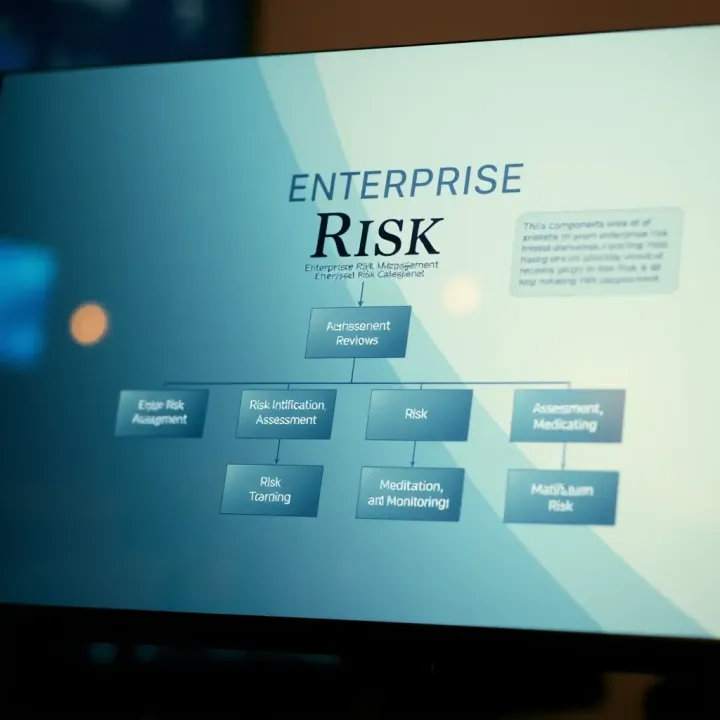
Implementing ERM makes decision-making clearer by providing a full picture of threats and opportunities, helping leaders choose well-informed paths, especially in Pakistan's complex business environment.
An effective ERM process usually starts with identifying risks across the organisation, then assessing their likelihood and potential damage. Tools like risk matrices, heat maps, and scenario analyses are quite common. These tools help Pakistani businesses, whether a Karachi-based SME or a Lahore manufacturing unit, to prioritise their focus.
Leadership plays a key role in adopting ERM. Top executives and board members must promote a culture where risk awareness is part of daily activities. For instance, some banks in Pakistan incorporate risk reviews into monthly performance meetings, ensuring risks don't go unnoticed.
Moreover, regulations from bodies like the Securities and Exchange Commission of Pakistan (SECP) encourage firms to strengthen their risk management frameworks. Compliance is no longer optional but a necessity, especially for publicly listed companies on the Pakistan Stock Exchange (PSX).
In this guide, we’ll explore how Pakistani businesses can put ERM into practice effectively, covering the tools, leadership roles, and regulatory aspects shaping the risk management landscape today.
Enterprise Risk Management (ERM) is more than just a buzzword—it's a structured approach that helps Pakistani businesses spot threats early and plan for them. For traders, investors, and analysts, understanding ERM shines a light on how companies protect their bottom line and sustain growth. ERM guides organisations in clearly identifying hazards, assessing their chance and impact, and deciding on the best steps to mitigate risks that could disrupt operations or financial health.
ERM revolves around a comprehensive view of risk across an entire organisation, rather than isolated problems. It focuses on four key steps: identifying risks, analysing their potential impact, deciding how to respond, and monitoring ongoing developments. This cycle ensures companies remain proactive rather than reactive. For instance, a textile mill in Faisalabad might incorporate ERM to manage supply chain disruptions, machinery breakdowns, or market fluctuations.
Unlike traditional risk management, which often addresses individual risks separately, ERM provides a holistic framework that aligns risk management with an organisation’s overall objectives. Traditional methods might focus only on operational risks, like theft or equipment failure, while ERM also includes strategic, financial, and compliance risks. For example, a manufacturing firm using ERM would not only guard against factory fires but also factor in changing export policies or currency volatility affecting profits.
Pakistani businesses encounter unique risks such as political instability, fluctuating energy supply, and complex taxation rules. These factors can halt production or increase costs unexpectedly. A food processing company in Karachi might struggle with irregular electricity due to loadshedding, requiring specific risk strategies to maintain production schedules.
Economic uncertainty, including inflation shifts and currency depreciation, can severely impact business planning in Pakistan. Additionally, evolving regulatory frameworks demand vigilance to avoid penalties. For example, businesses trading on the Pakistan Stock Exchange must adhere carefully to Securities and Exchange Commission of Pakistan (SECP) regulations, and failure to do so could damage their reputation or invite fines.
ERM helps Pakistani businesses prepare for diverse risks, turning uncertainty into manageable challenges, which can safeguard their reputation and financial stability.
By integrating ERM, companies not only guard against losses but also unlock better decision-making, giving them a competitive edge in Pakistan’s dynamic market.
Building a strong Enterprise Risk Management (ERM) framework starts with clear core components that help organisations spot and handle risks effectively. Pakistani businesses, whether operating in textiles, agriculture, or financial services, can benefit immensely by adopting these components. This section explains these building blocks with practical examples relevant to the local setting.
Risk identification means recognising potential threats that might harm a business’s objectives. These risks fall into several categories: financial, operational, strategic, and compliance. Financial risks include currency fluctuations affecting import costs—a frequent challenge for exporters in Karachi and Lahore. Operational risks involve issues like machinery breakdown in manufacturing units or loadshedding disrupting production schedules. Strategic risks concern shifts in market demand or government policy changes like new tariffs by the Federal Board of Revenue (FBR). Compliance risks emerge when businesses neglect regulations from bodies like the Securities and Exchange Commission of Pakistan (SECP) or the Pakistan Telecommunication Authority (PTA).
Pakistani industries face unique risks; for instance, a cotton mill in Faisalabad may confront risks linked to cotton price volatility and irrigation water shortages. Similarly, real estate firms in Islamabad may deal with zoning law changes affecting development plans. Understanding these categories helps companies pinpoint specific challenges and prepare accordingly.
Once risks are identified, assessing their seriousness is essential. Qualitative methods use expert judgment and experience to judge the potential impact and likelihood of risks, often gathered through workshops or interviews. Quantitative methods assign numerical values to risks, like estimating the potential financial loss in rupees if a key supplier fails. For example, a bank in Karachi might quantify credit risk based on historical default rates and loan exposure.
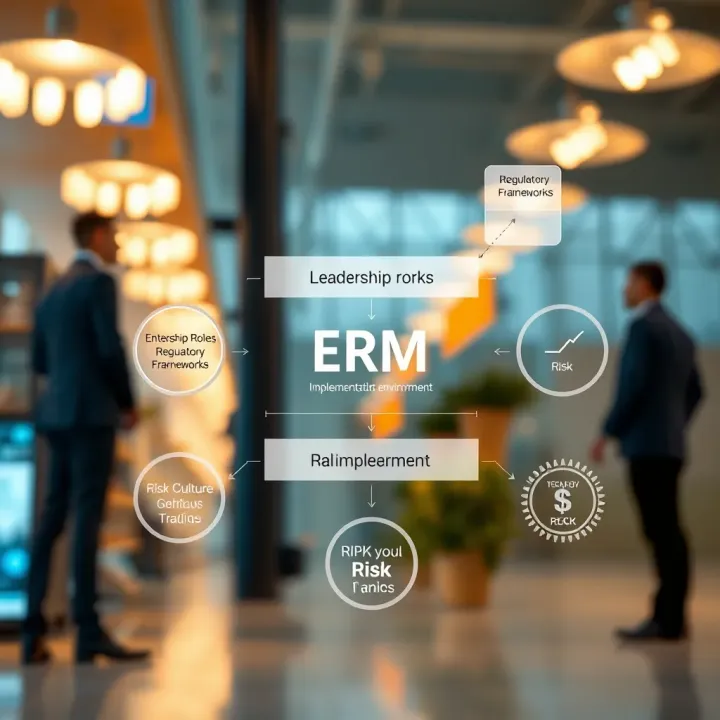
Tools like risk matrices and heat maps simplify this process by visually categorising risks as low, medium, or high based on their impact and probability. A heat map can quickly show that a compliance breach holds a high risk, warranting immediate attention, while minor operational delays might pose a low risk. This approach helps management focus on the most threatening risks first.
Developing risk response plans involves deciding how to manage each risk—whether to avoid, reduce, transfer, or accept it. For instance, a textile exporter might hedge foreign currency risk through forward contracts, while a software firm could invest in cybersecurity to reduce data breach chances.
Monitoring and review are ongoing activities to ensure risk responses remain effective. Pakistani companies often review risk registers quarterly, checking if new risks have appeared or if previously identified risks have changed severity. This continuous vigilance helps adapt to fast-evolving market and regulatory conditions, especially in uncertain economic times.
A well-structured ERM framework is not a one-off exercise but a continuous cycle of spotting, assessing, acting on, and tracking risks. For Pakistani firms, this approach safeguards both growth and sustainability.
This clear focus on identification, assessment, response, and monitoring forms the backbone of effective risk management tailored for Pakistan's unique challenges and opportunities.
Effective Enterprise Risk Management (ERM) depends heavily on leadership and the organisational culture set by the leaders. In Pakistani businesses, where environments can be unpredictable due to economic volatility and regulatory changes, strong leadership steers risk management efforts and fosters a culture where risks are openly identified and managed. The board and management shape the tone at the top, clarifying priorities, risk tolerance, and establishing governance structures that support timely and transparent decision-making.
The board must define the company's risk appetite—the level of risk the organisation is willing to accept in pursuit of its goals. This guidepost helps management and employees make decisions aligned with strategic objectives, avoiding reckless risks or excessive caution. For example, a textile manufacturer in Faisalabad might set a moderate risk appetite balancing export growth against currency fluctuation risks. Clear governance structures, such as risk committees or dedicated compliance officers, ensure roles and responsibilities are well allocated and risk oversight remains consistent and effective.
Leaders must embed accountability into risk processes. This means assigning risk owners for different areas and holding them responsible for managing and reporting risks. For instance, a bank's branch manager should be accountable for operational risks like cash handling and fraud. Regular audits and management reviews help maintain accountability and encourage adherence to risk policies. When leaders hold teams answerable, they build a culture where risks are proactively managed rather than ignored.
Ongoing training educates employees about risk recognition and their roles within ERM. Pakistani firms can use tailored workshops highlighting risks specific to local industries or regulatory requirements, such as tax compliances or import restrictions. Regular communication through meetings, newsletters, or internal platforms keeps risk awareness alive and integrates it into everyday work. A Faisalabad-based export company might provide monthly risk updates that cover changes in foreign exchange regulations impacting their operations.
Transparent reporting builds trust across departments and with stakeholders. Organisations must encourage staff to report issues without fear of blame or retaliation. Establishing confidential channels and recognising employees who report risks fosters an open culture. For example, a software firm in Karachi that rewards proactive risk reporting sees fewer last-minute surprises and better risk management outcomes. Transparent reporting also helps leadership and the board have accurate insights necessary for timely decisions.
Strong leadership combined with a supportive organisational culture forms the backbone of successful ERM, making Pakistani businesses more resilient amid uncertainties.
By focusing on clear governance, accountability, education, and open communication, companies can harness the full benefits of enterprise risk management.
Implementing Enterprise Risk Management (ERM) in Pakistan is no longer optional but essential for businesses aiming to sustain growth and handle uncertainties effectively. Pakistani companies face unique challenges, including regulatory shifts, currency fluctuations, and infrastructure issues like frequent loadshedding. Integrating ERM helps identify risks early, prepare suitable responses, and safeguard business continuity.
In Pakistan, several authorities shape the framework businesses must follow to manage risks. The Securities and Exchange Commission of Pakistan (SECP) sets regulations especially for corporates and financial institutions, mandating risk disclosures and governance guidelines. Additionally, the Federal Board of Revenue (FBR) impacts compliance around taxation and financial reporting, indirectly influencing enterprise risk by penalising non-compliance.
Companies listed on the Pakistan Stock Exchange (PSX) have to comply with stringent corporate governance codes that include risk management responsibilities. Ignoring these leads to legal challenges and reputational damage, which can cost firms dearly in a competitive market.
Pakistan is improving its risk reporting landscape through enhanced corporate governance frameworks by the SECP and PSX. These standards expect companies to produce transparent and regular risk assessments as part of financial disclosures. For example, listed firms must provide a detailed Risk Management Report along with annual accounts, highlighting key risks and mitigation measures.
This approach aligns with global practices yet accounts for local market dynamics such as political instability or energy shortages. Such standards help investors and stakeholders better understand an organisation's risk profile, fostering confidence and mitigating surprises.
Modern ERM depends heavily on technology. Software platforms like SAP GRC, MetricStream, and RiskWatch are gaining traction among Pakistani enterprises. These tools help automate risk identification, assessment, and monitoring, saving time and reducing human errors.
Data analytics plays a vital role, enabling firms to detect patterns, forecast financial risks, or spot operational inefficiencies. Digital dashboards that update in real-time grant top management a clear picture of risk exposure, allowing faster and more informed decisions.
Besides global solutions, Pakistani companies often use local platforms tailored to regional business environments. For instance, banking software from local vendors integrates with the State Bank of Pakistan’s (SBP) reporting systems, making compliance easier.
Startups and SMEs leverage platforms like JazzCash and Easypaisa to track transactional risks and fraud. These platforms provide useful data streams that help businesses monitor credit risk or suspicious activities specific to Pakistan’s informal economy.
Pakistani firms face obstacles such as a lack of risk management awareness, limited skilled personnel, and resource constraints. The cultural reluctance to admit risk openly discourages transparent reporting. Additionally, infrastructural problems like unreliable power supply and internet connectivity hamper the use of advanced ERM tools.
Another challenge is regulatory unpredictability—frequent policy changes can confuse compliance efforts, making formal risk frameworks harder to maintain.
To tackle these issues, businesses must invest in training programmes that promote a risk-aware culture, breaking down taboos around discussing risks. Hiring or developing specialised risk officers also helps bridge the skills gap.
Adapting technology to local conditions, such as using offline-compatible software or hybrid manual-digital systems, can counter infrastructure hurdles. Staying in regular touch with authorities like SECP and FBR ensures that companies keep ahead of regulatory changes.
Strong leadership and choosing the right technology mix are critical for successfully implementing ERM in Pakistan’s complex business climate.
By keeping these points in mind, Pakistani businesses can build risk management frameworks that not only fulfil compliance but also support better decision making and resilience.
Adopting enterprise risk management (ERM) offers clear advantages to Pakistani businesses, especially in today’s uncertain economic climate. It not only helps companies spot potential challenges early but also turns risk insights into strategic decisions that support growth and stability.
ERM enables organisations to use risk data effectively to steer their growth path. By evaluating risks systematically, firms can prioritise opportunities that align with their risk appetite while avoiding pitfalls. For instance, a textile exporter in Faisalabad might assess political and currency risks before expanding into new markets, ensuring their plans are realistic and achievable.
Pakistani companies like Meezan Bank have integrated ERM to support strategic decisions. Meezan’s risk officers analyse credit and market risks closely, helping management decide when to push for new product launches or scale back during volatile periods. This proactive stance often makes the difference between falling behind and staying ahead in competitive sectors.
ERM helps businesses keep pace with Pakistan’s evolving regulatory environment by embedding compliance into core operations. This reduces the chances of breaches and penalties, which are costly both financially and reputationally. For example, firms adhering to State Bank of Pakistan’s (SBP) guidelines through ERM have clearer processes for anti-money laundering and customer due diligence.
Maintaining stakeholder trust is another big benefit. A company that handles risks transparently and meets its legal obligations builds stronger relationships with investors, customers, and regulators. Take a manufacturing firm in Karachi that regularly reports risk management efforts to its board and shareholders — this openness helps sustain confidence even when the market faces turbulence.
Proper risk management reduces unexpected losses by identifying vulnerabilities before they cause damage. In practice, a construction company might spot supply chain risks early, avoiding costly delays or penalty payments. Lower surprises mean better financial planning and resilience during crises.
ERM also streamlines internal processes through risk controls, cutting down inefficiencies and errors. For instance, a Karachi-based logistics firm implementing risk checks in its delivery operations may reduce theft and loss, saving both time and money. By embedding these controls in workflows, companies enhance overall operational efficiency.
Embracing ERM is no longer optional but essential. For Pakistani businesses, it translates into sharper decisions, compliance certainty, and a leaner, more resilient organisation that handles challenges before they escalate.
Discover how effective risk management identifies hazards ⚠️, cuts losses 💰, boosts decisions ✅, ensures compliance 📋, and protects your business reputation 📈 in Pakistan.

Explore actuarial science and risk management 🧮. Learn key principles, risk assessment techniques, career paths, and real-world uses in finance and insurance 🇵🇰.

Discover how binary images work, their creation, common uses, and techniques. Learn about challenges and real-world applications in tech and healthcare 🖤⚫️📊.

Explore binary relations in math 🔢: definitions, properties, types, and real-world examples that link elements from two sets clearly and effectively.
Based on 12 reviews