

Candlestick Patterns Guide for Pakistani Traders
📈 Learn to read candlestick patterns confidently, with clear examples and expert book suggestions for Pakistani traders aiming to improve stock and forex analysis.
Edited By
Jack Hamilton
Candlestick patterns are an essential part of technical analysis for traders in Pakistan’s stock and forex markets. These patterns help you see the price action clearly and make better decisions based on market trends and reversals. Unlike simple line charts, candlesticks provide more detailed information about buying and selling pressure within a specific time frame.
Each candlestick shows four key data points: the opening price, closing price, highest price, and lowest price during that period. The "body" of the candlestick is formed between the opening and closing prices, and the thin lines above and below, called "wicks" or "shadows", represent the high and low prices. When the closing price is higher than the opening, the candlestick is usually coloured green or white to indicate buying pressure. When it closes lower, it is coloured red or black, signalling selling pressure.

Understanding these basics allows Pakistani traders to spot important patterns such as "Doji", "Hammer", and "Engulfing" – each signalling different market sentiments. For instance, a Hammer pattern after a downtrend can indicate a possible bullish reversal, giving a buying opportunity.
Recognising these patterns early can help traders avoid risky decisions and take advantage of potential market moves.
Here are some practical tips for beginners:
Focus on the context: Patterns make more sense when you consider the overall market trend.
Confirm signals with volume or other technical indicators like RSI or moving averages.
Practice reading candlestick charts using local stock data from the Pakistan Stock Exchange (PSX) or forex pairs relevant to PKR.
Mastering candlestick patterns equips you with a valuable skill to navigate market volatility and increase the chances of profitable trades. This guide will walk you through common patterns in Urdu, tailored for Pakistani market conditions, so you can confidently apply them in your trading strategies.
Candlestick charts offer a clear visual summary of price movements over a specific period, making them a powerhouse tool for traders. For Pakistani traders dealing with stock, forex, or commodities, understanding these charts is essential. They provide quick insights into market trends, helping you decide when to enter or exit trades effectively.
Candlestick charting began in 18th century Japan, where a rice trader named Munehisa Homma used them to predict market trends. This method wasn't just about numbers; it painted a picture of market sentiment, showing fear, greed, and hesitation. Today, the technique remains popular worldwide because it condenses a lot of information into just a few shapes and colours.
A single candlestick represents four key price points: opening, closing, highest, and lowest prices within a chosen timeframe. The part between the opening and closing price is called the body, coloured typically green (or white) if the closing price is higher, and red (or black) if it is lower. The lines extending above and below—the wicks or shadows—show the intraday high and low. This design quickly tells you if buyers or sellers dominated.
While both chart types display price data, candlestick charts are easier to interpret at a glance. Bar charts display price ranges with simple vertical bars and ticks but lack the distinct colour signalling whether price went up or down. For Pakistani traders, especially those new to chart reading, candlesticks make spotting reversals or trend continuation clearer.
Candlestick patterns pack complex price action into simple visual forms. This helps traders quickly assess market conditions without crunching numbers. For example, a hammer pattern signals a potential bottom, hinting buyers are stepping in, which could trigger buying decisions during volatile sessions.
Whether you're trading PSX stocks, forex pairs like USD/PKR, or commodities such as oil or gold, candlesticks reveal buyer and seller behaviour across all markets. Their universal applicability means once you learn the patterns, they serve across different assets, saving time and mental effort.
Most popular Pakistani brokerage platforms and apps, including those linked with National Stock Exchange or forex brokers, support candlestick charts. Tools like MetaTrader and TradingView offer Urdu language options, making it easier for local traders to follow patterns. Thus, integrating candlestick analysis into your routine fits seamlessly with the tools many Pakistani traders already use.
In essence, candlestick charts are like a trader’s shorthand, summarising hours or days of price movements into easily readable shapes. For Pakistani traders, mastering them opens a clearer window onto market behaviour and opportunities.
Understanding key candlestick patterns is essential for traders because these patterns reveal changes in market sentiment. Pakistani traders, whether trading stocks on the Pakistan Stock Exchange (PSX) or forex on popular platforms, can benefit greatly by recognising these signals early. This section breaks down the main patterns in Urdu and explains their practical uses, helping you spot potential trend reversals or continuations accurately.
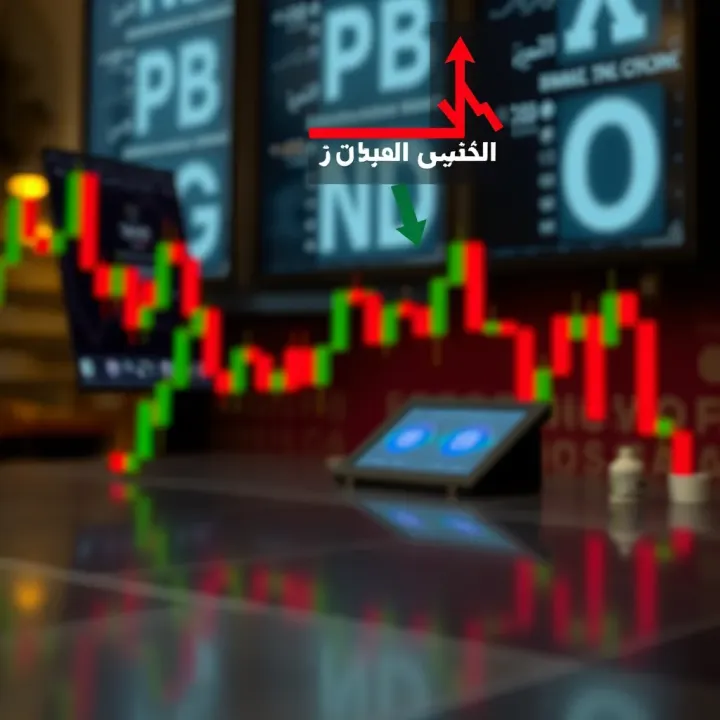
The Doji candle shows indecision in the market because the opening and closing prices are nearly the same. Imagine a tug-of-war where neither bulls nor bears can gain an upper hand, leading to a balance. In Pakistan’s volatile markets, spotting Doji near support or resistance levels can warn you about a possible trend change or pause. For example, if you see a Doji after a strong upward run in the Karachi Stock Exchange, it might hint bulls are losing momentum.
Both hammer and hanging man look similar—a small body with a long lower wick—but their location in the trend matters. A hammer appears after a downtrend and suggests buyers are stepping in, possibly signalling a reversal upward. On the other hand, a hanging man is found at the peak of an uptrend and warns that sellers may take over, hinting at a potential fall. In Pakistan’s market context, when you observe a hammer on a daily chart of a blue-chip stock like HBL after a slump, you can prepare for possible buy opportunities.
The shooting star occurs at the top of an uptrend with a small body and a long upper wick, signalling rejection of higher prices. It shows that sellers pushed prices down after buyers tried to raise them. Conversely, the inverted hammer appears after a downtrend and might indicate buyers’ interest returning. For trading commodities or currencies affected by rupee fluctuations, these patterns help anticipate short-term shifts. For instance, an inverted hammer in forex pairs like USD/PKR after a fall could suggest an upcoming bounce.
Engulfing patterns consist of two candles where the second fully covers the first’s body. A bullish engulfing at the end of a downtrend signals buyers overtaking sellers, meaning prices might climb. Conversely, a bearish engulfing after an uptrend warns about sellers pushing prices down. Pakistani traders can watch these on platforms like MetaTrader when trading in local equity or forex to time entries and exits better.
Morning star is a three-candle pattern commonly seen as a strong reversal sign after a fall. It starts with a large bearish candle, followed by a small-bodied candle indicating hesitation, then a large bullish candle confirming buyers’ strength. Evening star works the other way, marking an end to rising prices. These patterns help traders decide to book profits or enter trades early, especially in the light of Pakistan’s market moves influenced by political announcements.
Harami consists of a large candle followed by a smaller one completely inside the previous candle’s range, indicating uncertainty or reversal chances. Tweezer formations are pairs of candles with matching highs or lows, signalling strong resistance or support. These subtle patterns may not be as obvious as others but prove valuable when combined with volume and other indicators. They suit Pakistani markets where sudden government policies or macroeconomic announcements create sharp reversals.
Recognising these candlestick patterns in Urdu will give Pakistani traders an edge. Understanding how to read them properly helps in making confident decisions rather than relying on guesswork.
Clear knowledge of these patterns, mixed with local market awareness, equips you to trade effectively whether you’re on PSX or trading forex using Easypaisa or JazzCash wallets. Keep practicing these on demo accounts or charts to get a real feel for their behaviour.
Understanding how to read and interpret candlestick patterns is vital for any trader aiming to make informed decisions in Pakistani markets. Candlestick charts show price movement clearly, but their real value lies in recognising patterns within the context of the market trend, support and resistance levels, and validating signals with other indicators. This approach helps avoid costly mistakes by assessing not just individual candlesticks but the market behaviour around them.
Identifying uptrends and downtrends is the first step in contextual reading. An uptrend is characterised by higher highs and higher lows, indicating buying interest, while a downtrend shows lower highs and lower lows, signaling selling pressure. For example, if a candlestick shows a bullish engulfing pattern but appears in a clear downtrend on the Pakistan Stock Exchange (PSX), jumping into a buy trade without confirming the trend could be risky. Recognising whether the market is climbing or falling helps traders judge if a pattern signals a reversal or just a short pause.
Role of support and resistance levels is equally important when interpreting candlestick signals. Support is a price zone where buying interest prevents further decline, while resistance caps upward moves. Imagine a hammer pattern forming right at a historical support line for a popular stock like Oil & Gas Development Company (OGDC); this setup gives stronger confidence that the price may bounce back. Ignoring these levels can lead to misjudging the strength of the pattern.
Confirming signals with volume and other indicators can greatly reduce uncertainty. Volume shows the strength behind price moves— for instance, a Doji candlestick appearing with high volume may point to a significant market indecision worth watching closely. Pakistani traders often use RSI (Relative Strength Index) or MACD (Moving Average Convergence Divergence) alongside candlesticks to confirm if momentum supports the pattern. Without such confirmations, patterns can be misleading, especially in volatile markets influenced by factors like rupee depreciation or geopolitical news.
False breakouts and fake signals are common traps. These occur when price seems to break past resistance or support but quickly reverses, causing losses. For example, during busy trading sessions in Karachi or Lahore markets, sudden price spikes might trick traders into thinking a new trend starts, while it is actually a fake breakout. Recognising this risk helps prevent impulsive trades driven by excitement rather than sound analysis.
Importance of overall market context cannot be overstated. Candlestick patterns should never be read in isolation. If the broader market is bearish due to factors like economic slowdown announcements by the State Bank of Pakistan (SBP), even bullish patterns may fail to hold. Considering macroeconomic news, international market trends, and local factors such as loadshedding or political events helps traders interpret candlesticks more reliably.
Using multiple indicators for validation strengthens decision-making. Combining moving averages, volume, and momentum oscillators with candlestick patterns filters out weak signals. Pakistani traders can apply this in practice by watching a morning star pattern alongside a rising 50-day moving average and increasing volume in a stock like Pakistan Petroleum Limited. This multi-layered validation approach helps pinpoint entry and exit points with better accuracy and reduces guesswork.
Properly reading candlestick patterns involves context, confirmation, and caution. These three pillars can turn simple charts into a trustworthy roadmap for trading success in Pakistani markets.
Remember, patterns are guides, not guarantees. Always cross-check signals with trend analysis, support/resistance, and indicators before making trading calls.
Candlestick patterns provide valuable insights for traders, but their effectiveness improves when combined with Pakistani market realities. Understanding how local economic events, currency fluctuations, and unique market challenges affect price action helps traders make better decisions. This section offers practical advice to consider alongside candlestick analysis for a more informed trading approach.
Economic announcements like the State Bank of Pakistan’s (SBP) interest rate decisions, budget announcements, or trade reports significantly impact market sentiment. For example, a bullish engulfing pattern appearing just after a favourable SBP policy may confirm an upward move. Ignoring these news events can mislead traders by giving false signals. Keeping a close eye on Pakistan’s macroeconomic updates, such as inflation data or remittance flows, adds context to candlestick signals and helps avoid trading blindly.
The Pakistani rupee’s swings affect many sectors, especially in the forex market and stocks related to imports or exports. A hammer candlestick forming on the KSE-100 index after a sudden rupee depreciation might indicate a short-term rebound or entry opportunity. Additionally, government policies like tariff changes or subsidy adjustments often cause sudden price moves. Traders should monitor such policy developments because they influence the validity of candlestick signals, especially in volatile sectors like energy or automobiles.
Pakistan’s markets sometimes react sharply to external shocks like increased loadshedding, border tensions, or global commodity price changes. This volatility can create erratic candlestick patterns that may not follow typical rules. Recognising these disruptions helps traders avoid false breakouts. For instance, during prolonged loadshedding periods, stock volumes may drop, making candlestick signals unreliable. Traders must factor in these local disruptions and adjust their strategies to avoid overtrading in unsettled conditions.
Many Pakistani brokerages now offer user-friendly apps and platforms displaying candlestick charts with real-time data. Firms like JS Global, AKD Securities, and IGI Securities provide mobile apps that allow traders to spot patterns easily. These platforms also support FBR tax deduction at source (TDS) particulars and integrate with CNIC verification, ensuring smooth account setups. Using local brokerage apps can be more convenient for Pakistani traders due to tailored features and support for PKR-denominated trading.
MetaTrader and TradingView have grown popular in Pakistan, especially for forex and commodity trading. These platforms offer advanced tools, including multiple time frames, indicators, and alert systems that enhance candlestick pattern analysis. MetaTrader, widely used with Pakistani brokers for forex, supports custom indicators and automated trading. TradingView, with its social trading community, helps Pakistani traders share insights and spot trends. Both platforms support Urdu script for annotations, improving usability for local users.
For traders new to candlestick patterns, access to Urdu tutorials and educational material makes learning easier. Websites, YouTube channels, and mobile apps offering Urdu content on trading concepts help bridge language gaps. This support ensures Pakistani traders can fully grasp pattern meanings and their applications without confusion. Moreover, some platforms provide customer support in Urdu, enabling clearer communication when resolving technical or trading questions.
Successful trading in Pakistani markets needs more than just spotting candlestick patterns; it requires blending analysis with local economic context, platform capabilities, and practical language support.
Following these practical tips helps traders make smarter decisions, avoid common pitfalls, and use candlestick charts effectively within Pakistan’s unique market environment.
Mastering candlestick patterns is a practical way to improve trading decisions in Pakistani markets. These patterns offer clear visual cues about price movements, helping traders recognise potential trend reversals or continuations quickly. However, success depends on combining this knowledge with disciplined risk management and continuous learning.
Importance of mastering basics first
Starting with the fundamentals is vital. Before trying to read complex patterns like the Morning Star or Harami, traders should understand basic candlestick components such as the open, close, high, and low prices. This foundation makes it easier to spot meaningful signals and avoid confusion over pattern interpretations. For example, recognising a simple hammer candlestick after a downtrend can alert you to a possible reversal, but that understanding comes only after grasping the candle’s anatomy clearly.
Combining patterns with sound risk management
Candlestick signals alone do not guarantee profit; managing risk effectively is necessary. Traders should always determine stop-loss levels based on support or resistance zones, rather than blindly following pattern signals. For instance, if an Engulfing Bullish pattern appears, placing a stop-loss below the pattern’s low can protect capital if the market reverses. This cautious approach helps limit losses during false signals or market volatility common in Pakistani stocks or forex pairs.
Continuous learning and practice
Candlestick trading skills improve with experience and ongoing study. Market conditions change, and so does pattern reliability. Regularly reviewing past trades and staying updated with market news, especially events affecting the Pakistani economy like SBP announcements or geopolitical tensions, will refine a trader’s judgment. Plus, practising identifying patterns on real charts strengthens confidence in decision-making.
Suggested resources in Urdu
Accessing candlestick learning materials in Urdu makes understanding easier for many Pakistani traders. Books, video tutorials, and blogs that explain patterns with local market examples can bridge knowledge gaps. Texts from reputable sources or Urdu trading groups provide context relevant to Pakistan’s stock market or forex trading nuances.
Practicing with demo accounts
Using demo accounts on platforms like MetaTrader or TradingView allows risk-free practice. Traders can test recognising patterns in real-time price movements without risking actual capital. This hands-on method helps internalise pattern behaviours and improves timing for entering or exiting trades, which is crucial given sudden rupee fluctuations or loadshedding impacts on market session timings.
Joining local trading communities and forums
Engaging with fellow traders through online forums or local groups gives access to shared insights, trade ideas, and peer feedback. Pakistani trading communities often discuss current market trends and candlestick setups specific to regional conditions. Participating in such forums helps beginners avoid common mistakes and stay motivated on the learning path.
Consistent study and practical application of candlestick patterns combined with risk management can boost your chances of trading success in Pakistan’s dynamic markets. Keep refining your skills and stay connected to the local trading environment for best results.
📈 Learn to read candlestick patterns confidently, with clear examples and expert book suggestions for Pakistani traders aiming to improve stock and forex analysis.

📘 Explore the best chart pattern books tailored for Pakistani traders, with practical strategies for PSX and forex. Learn to identify key patterns and boost trading success.

🔍 Master crypto trading patterns to spot trends and optimise your strategy. Tailored insights for Pakistani traders navigating both local & global markets with confidence.
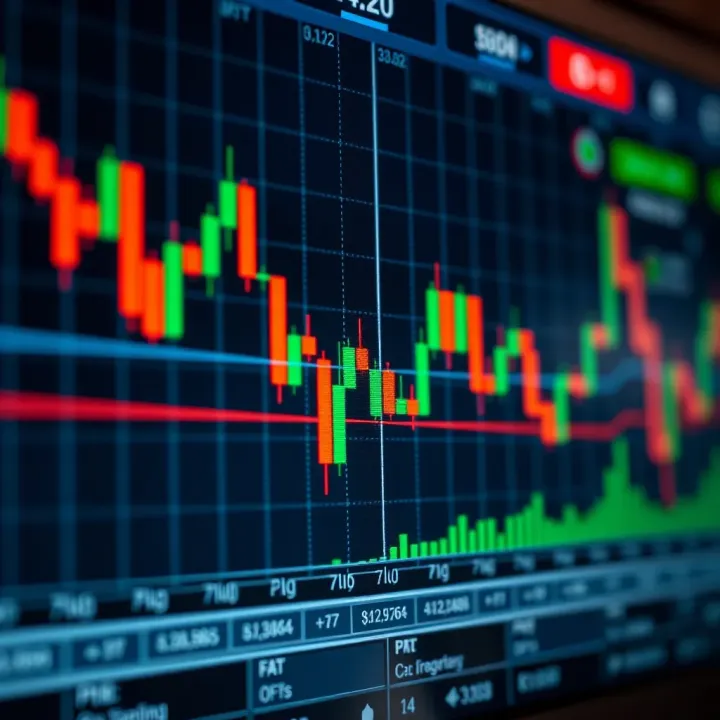
📉 Learn how key bearish candlestick patterns form and signal market drops. Get tips to interpret them wisely and steer clear of trading mistakes.
Based on 5 reviews