

Seven Key Chart Patterns Every Trader Should Know
📊 Learn to spot seven essential chart patterns in trading, understand their features, and apply practical tips for better decisions with smart risk management.
Edited By
Oliver Mason
For traders in Pakistan, mastering chart patterns can make a real difference in decision-making and profitability. Whether you’re active on the Pakistan Stock Exchange (PSX) or involved in forex trading through platforms like MetaTrader or local brokers, understanding chart patterns helps predict price movements based on historical data.
Pick up the right books on chart patterns and you’ll gain not just theory but practical tips tailored to market behaviour. Many books cover classic patterns such as Head and Shoulders, Double Tops and Bottoms, Triangles, and Flags — but not all explain how these patterns perform in emerging markets like ours, where volatility and external factors like political shifts play a role.

This guide highlights resources that break down these patterns clearly, showing how to spot reliable setups and avoid common pitfalls in Pakistani market conditions. For example, a Double Bottom might signal a strong rebound in a PSX stock after a prolonged downtrend, but you must consider liquidity and trading volume before rushing in. Practical books warn against blindly following patterns without context.
Solid understanding of chart patterns gives you an edge, especially when paired with knowledge about local market trends and regulatory developments.
Books focusing on technical analysis often complement chart pattern knowledge by explaining indicators like RSI or Moving Averages that confirm patterns' signals. For Pakistani traders, combining these tools with economic events – such as SBP interest rate changes or forex reserves announcements – sharpens your trading strategy.
When choosing books, look for:
Clear explanations with local or similar market examples
Step-by-step guides on pattern recognition
Advice on managing risks within volatile environments
Updated editions reflecting recent market data
By studying these resources actively and applying concepts to your trading journal, you can build confidence in your own setups rather than relying on hearsay or untested tips. The goal is to spot patterns that have high probability and align them with your risk tolerance and investment horizon.
This section sets the stage for exploring the best chart pattern books that help Pakistani traders sharpen their skills with both global knowledge and local relevance.
Chart patterns serve as a fundamental part of technical analysis, helping traders grasp the underlying trends and potential price movements in financial markets. They are visual formations created by price movements over time on a chart, revealing patterns traders interpret to predict future behaviour. Understanding these patterns allows traders to make informed decisions rather than relying on guesswork. For instance, spotting a "head and shoulders" pattern can signal a likely reversal in stock price, enabling a timely entry or exit.
Beyond mere shapes, chart patterns convey collective market psychology. Each pattern tells a story of how buyers and sellers interact, reflecting emotions such as fear, greed, hesitation, or confidence. For example, a "double bottom" often indicates a shift in sentiment from bearishness to bullishness as buyers step in to support the price. Recognising these psychological cues helps traders align their strategies with what the majority sentiment suggests at that moment.
Chart patterns are geometric figures that form on price charts, signalling potential future price directions. They include formations like triangles, flags, and reversal shapes such as double tops. Their significance lies in guiding traders when to enter or exit trades based on historical price behaviour. In Pakistan's markets, where fast-moving trends can catch beginners off guard, these patterns provide a roadmap to anticipate shifts. For example, a contracting triangle in a forex pair like USD/PKR might indicate a breakout soon.
When traders watch a stock or currency pair, their collective actions shape these patterns. Patterns like pennants or wedges form because buyers and sellers hesitate or push prices in predictable ways. This hesitation and eventual breakout reflect changes in market mood. Understanding that these shapes echo crowd behaviour adds depth to a trader’s analytical toolkit—helping them spot not just what happened, but why it happened.
In Pakistan Stock Exchange (PSX) and forex trading, chart patterns help filter noise from actual market moves. Local stocks often experience volatility due to political shifts or economic news, but patterns can point to genuine trends beyond temporary spikes. Similarly, in forex markets like USD/PKR or EUR/PKR, patterns aid traders in timing entries and exits amid sudden changes caused by foreign policy or SBP announcements.
Given Pakistan's unique economic environment with factors like loadshedding, inflation, and regulatory updates influencing markets, chart patterns provide a practical edge. They help traders remain disciplined, avoiding impulsive moves driven by daily headlines. For instance, recognising a reliable bullish flag pattern can encourage holding onto a position through short-term volatility, preventing premature selling during uncertainty.
Mastery of chart patterns equips Pakistani traders to read market rhythms more accurately, turning unpredictable price swings into manageable opportunities. This understanding is key to consistent trading success in local financial markets.
Chart patterns act as a vital guide for traders to anticipate market movements. Leading books detail these patterns, making them indispensable for Pakistani traders operating in PSX or forex markets. Knowing these patterns helps you plan entry and exit points with more confidence, reducing guesswork amid market noise.

Head and Shoulders signal a possible change in market direction. Imagine a share price rising to a peak (left shoulder), then climbing higher (head), before falling and rising again to a lower peak (right shoulder). This pattern hints the bullish trend might end, triggering a sell-off. For example, if a PSX stock like Engro Corp shows this pattern, traders often consider selling before the price drops.
Double Tops and Bottoms demonstrate two failed attempts to break resistance or support levels. A double top suggests the price tried twice but couldn’t rise higher, indicating bearish reversal ahead. Conversely, a double bottom marks a possible bullish reversal after price hit support twice. These patterns provide clear signals on possible trend changes, helping traders avoid late entries or exits.
Triangles usually reflect a pause in the trend before it continues. An ascending triangle shows buyers pushing prices higher, often leading to a breakout upwards. Descending triangles suggest sellers pressuring prices down. In the Pakistani market, breakout trades from triangles can be profitable when volumes support the move, especially during volatile sessions.
Flags and Pennants appear after sharp price moves and indicate brief consolidations. Flags look like small rectangles slanting opposite to the prior trend, while pennants resemble small symmetrical triangles. Both signal that the price is catching breath before continuing the trend. Recognising these helps traders ride momentum instead of missing out.
Cup and Handle carries the shape of a tea cup with a handle after a steady rise. This pattern points to a bullish continuation after a consolidation phase. Its practical relevance lies in confirming renewed buying interest, so traders might set buy orders just above the handle’s resistance.
Rounding Bottoms show a slow, steady shift from bearish to bullish sentiment. The price curves upward gently, resembling a bowl. It’s a sign of long-term accumulation. Pakistani investors spotting this pattern on stable blue-chip stocks might consider it a green light for long-term buy positions.
Understanding these patterns equips traders with practical insights to navigate Pakistan’s markets better. Instead of relying solely on gut feeling, traders can make decisions backed by established chart formations.
Choosing the right chart patterns books tailored to your trading style can sharpen your market decisions, especially for traders working in Pakistani markets like PSX or forex platforms. Different books focus on various levels of expertise and trading approaches—whether you are day trading, swing trading, or investing for the long term. Picking a book that aligns with your style helps avoid confusion and maximises learning efficiency.
Beginner books should explain chart patterns using simple language and clear examples. Look for titles that include plenty of illustrations, step-by-step guidance on pattern recognition, and practical advice on interpreting volumes and price action. These books often stress understanding basic concepts in manageable chunks without overwhelming the reader with technical jargon.
For instance, a beginner trader in Karachi wanting to start with PSX stocks should look for books that explain common reversal patterns like Head and Shoulders or Double Tops with local market examples. This practical approach helps connect theory to what you see on your charting software.
Among recommended reads, "Technical Analysis of the Financial Markets" by John J. Murphy often tops beginner lists worldwide and suits Pakistani readers as well because of its clear style and broad coverage. Another helpful book is "Japanese Candlestick Charting Techniques" by Steve Nison, useful for beginners wanting insight into candlestick patterns, widely used in forex and stocks trading.
These books lay the foundation before moving on to more complex analysis and are frequently recommended by trading academies in Pakistan.
Advanced traders need books that go beyond pattern recognition to explain the nuances of patterns under different market conditions. These books often provide quantitative techniques to measure pattern reliability and discuss statistical evidence supporting pattern outcomes.
For example, experienced traders might study Elliot Wave Theory or the Wyckoff Method covered in specialised titles by authors like Robert Prechter or Richard D. Wyckoff himself. Such advanced materials help traders refine entry and exit timing, which is critical in volatile markets like PSX’s or forex.
Many sophisticated books teach how to combine chart patterns with technical indicators such as Moving Averages, RSI, or MACD. This multi-tool approach helps confirm signals, reducing false entries.
Consider "Trading Price Action Trends" by Al Brooks, which demonstrates integrating price action with indicators to manage trades effectively. Pakistani traders often use this strategy to counteract sudden market moves due to political or economic events.
Selecting books that match your skill level and trading style enhances your ability to read charts accurately and make informed decisions, saving both time and capital in the long run.
By focusing on these aspects, traders in Pakistan can find resources which truly fit their needs and improve their market performance.
Understanding how to apply insights from chart patterns books can make a real difference in your trading results. These books are not just theory; they offer practical steps you can embed into your trading plan to spot opportunities and manage risks. By following proven techniques, you can improve your market timing and decision-making, especially in the often volatile Pakistani markets like PSX and forex.
Setting entry and exit points is central to trading success. Chart patterns help pinpoint when to enter a trade by signalling a likely change or continuation in price. For example, recognising a "head and shoulders" pattern forming on a PSX stock chart can warn you to prepare a sell order before prices fall. Likewise, an ascending triangle could hint at a breakout, signalling a buying opportunity. The books guide you on confirming such signals with volume and other indicators, sharpening your timing.
Once inside a trade, clear exit points prevent losses from snowballing. Good chart pattern books emphasise placing stop-loss orders just beyond key pattern levels. If your target is to gain 5-10 per cent profit, the book will show how to identify realistic price targets based on pattern measurements. This practical advice ensures you stick to your plan blindly, avoiding emotional decisions.
Risk management considerations should never be overlooked. Even the best pattern prediction can fail, so books underline managing trade size and losses. They advise risking only a small fraction of your capital on any single trade, around 1-2 per cent. For instance, if you have Rs 1 lakh to trade, risking Rs 1,000 to Rs 2,000 per trade limits damage in case the market moves against you.
Books also teach about adjusting stop-loss orders as the price moves favourably. This technique protects profits and cuts losses if patterns don't follow through as expected. Risk controls such as these help Pakistani traders safeguard their capital in choppy or uncertain markets.
Backtesting with historical data gives you a hands-on feel for how chart patterns worked in past market cycles. Many chart pattern books encourage traders to spend time reviewing old PSX or forex charts to find and mark patterns. Seeing how a double bottom led to a price rally or a flag pattern preceded a sharp fall helps cement pattern recognition skills. This practice develops your eye and builds confidence before risking real money.
Using charting software popular in Pakistan makes pattern practice more efficient and accessible. Tools like MetaTrader (MT4/MT5), TradingView, and local brokerage apps for PSX come equipped with drawing tools and indicators that help spot patterns. These platforms allow zooming into price action, adding volume bars, or overlaying moving averages to confirm patterns seen in books. Mastering these digital aids lets you apply book knowledge in real trading faster and with more precision.
Consistent practice with chart pattern books and software turns textbook knowledge into useful trading skills that fit your own style and risk tolerance. Start small, test carefully, and build up your trading plan step by step.
Chart pattern analysis offers practical tools for traders, but it is not without its pitfalls. Understanding these limitations helps Pakistani traders avoid common mistakes and use chart patterns more effectively. This section highlights key challenges and ways to balance technical tools with broader market knowledge.
Many traders fall into the trap of acting solely on chart patterns without waiting for additional signals. For instance, spotting a head and shoulders pattern on the Pakistan Stock Exchange (PSX) might seem like a clear sell signal. However, if volume does not support the pattern or no confirmation comes from other tools like moving averages or RSI, the signal could be misleading. Experienced traders in Pakistan often advise waiting for confirmation to reduce false alarms, especially in volatile markets where patterns can fail.
Another common mistake is to disregard underlying economic or company-specific news while trading based on patterns. For example, even if a cup and handle forms suggesting bullish momentum in a stock like Oil & Gas Development Company Limited (OGDCL), a sudden government policy change affecting petroleum sector taxes can override the technical signal. Pakistani markets respond to fiscal budgets, monetary policy changes from the State Bank of Pakistan (SBP), and geopolitical events, making it essential to factor in fundamental analysis alongside pattern reading.
Pakistan’s financial markets are influenced by unique factors such as currency fluctuations, loadshedding, and political developments. Traders must understand this context to interpret chart patterns properly. For example, during periods of rupee depreciation, the stock market may respond atypically to patterns that appear bullish in other conditions. Recognising these dynamics helps traders avoid misreading signals and positions their strategies according to actual market climate.
Using chart patterns together with fundamental analysis produces more reliable trading decisions. A balanced approach could involve spotting a breakout pattern in a tech stock listed on PSX, then verifying if the company’s quarterly earnings and sector outlook support the move. Many Pakistani traders successfully combine these methods; they use patterns to time entries and exits while fundamentals confirm the trade’s sustainability. This dual strategy reduces risk and improves overall trading confidence.
Tip: Always cross-check chart patterns with volume, trend strength, and market news before making your move.
By recognising the challenges and integrating both technical and fundamental factors, Pakistani traders can navigate the markets more wisely and boost their chances of consistent success.
📊 Learn to spot seven essential chart patterns in trading, understand their features, and apply practical tips for better decisions with smart risk management.

📈 Master major chart patterns to boost your trading skills! Learn to spot reversal & continuation signals, understand market psychology, and trade smarter.

🔍 Learn how to spot key bearish chart patterns in technical analysis to predict market drops. Boost your trading skills and trade wisely in falling markets📉
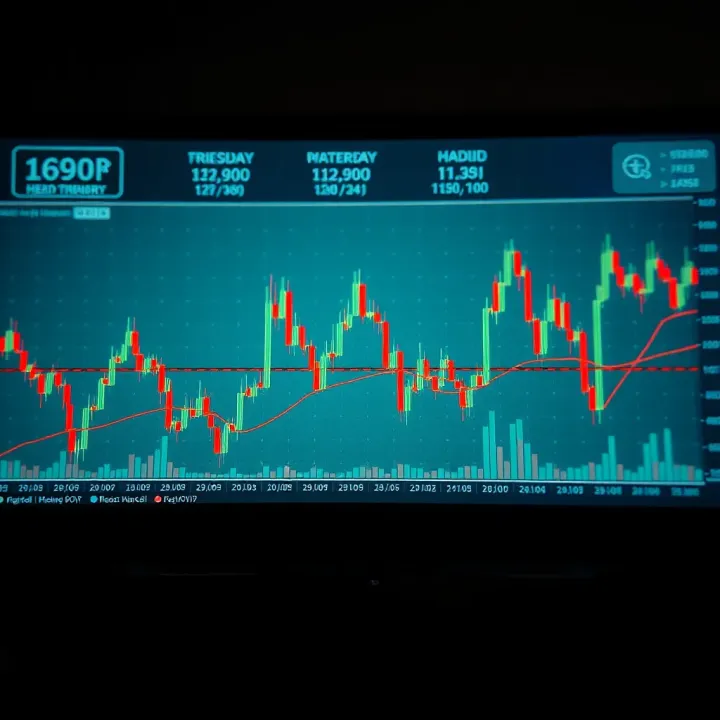
📊 Learn key chart patterns & boost your trading skills with easy-to-understand PDF resources. Get insights on pattern uses & reliable guides to master them.
Based on 5 reviews