

Complete Guide to Candlestick Patterns for Traders
📈 Master candlestick patterns with this detailed guide! Learn bullish, bearish, and neutral signals to boost your trading skills in Pakistan's market. 🇵🇰
Edited By
Isabella Turner
Candlestick patterns are a popular tool in technical analysis used by traders worldwide, including those in Pakistan’s stock and forex markets. These charts provide a clear picture of price movements within a specific time frame, helping traders anticipate potential market trends without relying solely on complex indicators.
Each candlestick shows four basic data points: opening, closing, high, and low prices during a trading session. The 'body' of the candle reflects the difference between the opening and closing prices, while the 'wicks' or 'shadows' indicate the session’s highest and lowest prices. A filled (usually red or black) body means the price closed lower than it opened, while a hollow (green or white) body signals a price increase.

Understanding these patterns is critical for spotting reversals, continuations, and indecisiveness in market behaviour. For example, a Doji candle, where the opening and closing prices are almost the same, suggests market uncertainty and could hint at upcoming trend changes. Meanwhile, a Hammer pattern often signals a potential bullish reversal after a downtrend, as buyers push prices up from lows.
For Pakistani traders, these patterns can be especially useful amid the volatile market conditions influenced by local economic factors, rupee fluctuations, and political uncertainties. Recognising patterns early can provide a strategic edge in deciding when to enter or exit a trade.
Pro tip: Combine candlestick patterns with volume analysis and support/resistance levels to improve accuracy in your trading decisions.
They offer visual simplicity, making it easier to grasp market sentiment at a glance.
Useful for short-term and long-term trading strategies alike.
Help to identify market sentiment shifts before major price moves.
Provide signals for risk management and position sizing.
This guide aims to make candlestick charts less intimidating and more practical for Pakistani traders. By learning key patterns and their implications, you can refine your technical analysis skills and improve your chances in the local markets.
In later sections, we will explore important candlestick formations, provide real-world examples from the Pakistan Stock Exchange (PSX) and Forex market, and suggest reliable books to deepen your understanding.
Getting familiar with basic candlestick patterns empowers you to read the market’s mood, making trading decisions more confident and timely.
Candlestick charts provide a clear snapshot of market activity, making them an essential tool for traders analysing the Pakistan Stock Exchange (PSX) or forex markets. Their visual nature helps traders spot trends and reversals faster than traditional line or bar charts, offering a practical edge in a fast-moving environment.
Candlestick charts originated in Japan during the 18th century as a method to track rice prices. They use colourful, vertical bars (candles) to display price movements within a set time, providing more detail than simple line charts. Today, they remain popular worldwide, including among Pakistani traders who rely on their visually intuitive format to understand price behaviour quickly.
Each candlestick reflects four key prices: open, close, high, and low within a trading period. The “body” shows the opening and closing prices, while thin lines, called shadows or wicks, mark the highest and lowest points. A green (or white) candle means the price closed higher than it opened, signalling buying strength. Conversely, a red (or black) candle shows closing below opening, suggesting selling pressure. This clear representation helps traders make quick decisions based on market sentiment.
Understanding the anatomy of a candle is crucial. The body size indicates the difference between open and close, which reveals the intensity of buying or selling. Long shadows can signal potential reversals or indecision—common in volatile Pakistani markets especially during election or budget announcements. Grasping these features lets traders interpret the story behind daily price moves more effectively.
Unlike line charts that only plot closing prices, candlestick charts showcase all price actions in a set timeframe. Bar charts also provide similar data but lack the clear fill/unfill distinction that highlights bullish or bearish days instantly. This advantage means Pakistani traders can spot trading signals and confirmation patterns without sifting through numbers, saving time and improving accuracy.
Candlestick formations often indicate shifts in sentiment—whether buyers are gaining control or sellers are pushing prices down. For example, a hammer candle after a downtrend might hint at a reversal due to emerging bullish interest. Recognising such signals can be especially beneficial in Pakistan’s volatile market conditions, where news events and geopolitical factors can quickly change sentiment.

Pakistani traders benefit from candlestick charts due to their simplicity and quick readability amid market uncertainty and fluctuating volumes. They work well with popular technical indicators like RSI or moving averages used by many local brokers. Moreover, candlestick patterns help spot entry and exit points more confidently in PSX shares or forex pairs like USD/PKR, reducing guesswork and improving risk management.
Candlestick charts act as a trader’s window into market psychology, helping decode complex price movements into easy-to-read visual cues. This clarity is key for making informed decisions in Pakistan’s dynamic trading environment.
By mastering the basics of candlestick charts and understanding their role, Pakistani traders can enhance their technical analysis toolkit and trade with greater confidence and precision.
Understanding common candlestick patterns is essential for traders in Pakistan who want to interpret price movements accurately and make informed decisions. These patterns act as visual signals that reveal shifts in market sentiment, helping you spot potential reversals or continuation points early. This section covers key single- and multiple-candle patterns, with real-world applications for stock and forex markets.
A Doji candle appears when the opening and closing prices are almost the same, creating a cross or plus sign shape. This signals indecision in the market, where bulls and bears are evenly matched. In Pakistan Stock Exchange (PSX), spotting a Doji after a strong uptrend or downtrend often indicates a potential pause or reversal, but further confirmation is needed before trading. For example, a Doji after rapid gains in a blue-chip stock like HBL can suggest the buyers are tiring.
Both these single candles have small real bodies with long lower shadows, but they appear in different contexts. A Hammer forms after a downtrend and implies buyers are starting to defend the price, often signalling a bullish reversal. The Hanging Man, on the other hand, appears after an uptrend and warns of a possible bearish reversal. Pakistani traders watch these for clues during volatile sessions, especially in sectors prone to swift moves such as textile or energy shares.
The Shooting Star looks like an inverted hammer with a small body and a long upper wick. It typically appears after an uptrend and suggests that buyers pushed prices higher but sellers forced them down to close near the open. This pattern hints that the uptrend may be losing steam. For instance, if the PSX touched a resistance level around 50,000 points and produced a Shooting Star, traders might anticipate a short-term pullback.
Engulfing patterns involve two candles where the second completely covers the body of the first. A Bullish Engulfing appears when a large green candle covers a smaller red candle, indicating strong buying momentum possibly reversing a downtrend. Conversely, a Bearish Engulfing shows a big red candle overtaking a green one, signalling increased selling pressure. These patterns are quite reliable for Pakistani markets, serving as warning signs near support or resistance zones.
The Morning Star is a three-candle bullish reversal pattern, starting with a strong bearish candle, followed by a small body candle (indecision), and then a solid bullish candle. It suggests buyers taking control after a downtrend. The Evening Star reverses this setup for bearish signals after an uptrend. Such patterns appear in busy trading periods, like before fiscal year-ends when volume surges. They're useful for swing traders on KSE-100 and forex pairs like USD/PKR.
Harami means "pregnant" in Japanese and involves a small candle nestled within the range of the previous larger candle. A Bullish Harami can hint at upside reversal after a downtrend, while a Bearish Harami warns about potential decline following gains. These patterns often signal caution, advising traders not to rush into positions without further clues. Especially for markets like the PSX, characterized by occasional sudden moves, recognising Haramis helps manage trade timing.
Recognising and understanding these candlestick formations help Pakistani traders read market mood swings clearly and combine them with other tools for better entries and exits.
By knowing these patterns, you'll gain an upper hand in the vibrant, sometimes volatile, trading environment. Practice spotting these on live charts to build confidence and refine your strategy gradually.
For traders in Pakistan, candlestick patterns provide a handy window into short-term price action. However, relying on these patterns alone can be risky. Practical tips become essential to use them effectively, especially considering Pakistan Stock Exchange (PSX) and forex market peculiarities. This section highlights how combining candlesticks with other tools, avoiding common mistakes, and tailoring strategies to local conditions improves trading outcomes.
Using Moving Averages and RSI with Candlestick Signals
Moving averages (MA) smooth out the price trend, helping to identify support and resistance levels. When a bullish candlestick pattern like a morning star lines up with a moving average support, the signal gains strength. Similarly, the relative strength index (RSI) reveals overbought or oversold conditions. For example, spotting a hammer candle on PSX shares near an oversold RSI reading near 30 typically suggests a potential bounce. Combining these indicators filters out false signals.
Volume Confirmation for Pattern Validity
Volume plays a critical role in validating candlestick patterns in Pakistani markets. A bullish engulfing pattern followed by surge in trading volume suggests genuine buying interest. Conversely, low volume might hint that a pattern lacks strength and could fail. On PSX, volume spikes often accompany institutional moves; noticing such volume confirms a pattern worth acting on. This is particularly useful given occasional illiquidity in midcap stocks.
Adapting Strategies for PSX and Forex Trading
PSX and forex markets in Pakistan behave differently due to factors like loadshedding and geopolitical news affecting liquidity and volatility. Candlestick patterns on PSX may need confirmation from daily trend analysis because patterns can form amidst structural volatility. In the forex market, 24-hour trading provides more continuous signals, but one must adjust for market sessions affecting currency pairs like PKR/USD. Pakistani traders should customise timeframes and combine patterns with macroeconomic news to avoid false breaks.
Overreliance on Single Patterns
Treating every candlestick pattern as a guaranteed trading signal leads to costly mistakes. For example, acting on a doji candle without considering broader trend or volume may produce a loss. Pakistani traders often expect patterns to work every time, but markets rarely behave predictably. It's wise to use patterns as clues, not decisions themselves.
Neglecting Market Context and Trends
Candlestick patterns lose value if traders ignore market trend and context. A bearish hanging man in a strong uptrend on PSX may only mean a short pause, not a reversal. Conversely, spotting a hammer at the bottom of a downtrend with confirming RSI oversold levels signals stronger reversal chances. Taking patterns out of context risks misinterpretation, so always evaluate trend direction and nearby support or resistance.
Ignoring Risk Management Principles
Successful trading involves managing risk, but many fail to set stop losses or control position size after seeing a candlestick pattern. For instance, entering a long trade on a bullish engulfing candle without limiting the downside exposes capital unnecessarily. Pakistani markets can be volatile; using stop-loss orders near pattern break points and limiting exposure protects from sudden swings and unexpected news.
Following these practical tips helps Pakistani traders use candlestick patterns more reliably. Remember, combining patterns with tools, considering context, and managing risk make all the difference.
Combine signals with moving averages, RSI, and volume for better confirmation
Adapt strategies to PSX and forex market conditions
Avoid blind trust in single patterns without confirmation
Always factor in the larger market trend before acting
Use stop losses and position sizing to control risk
Applying these principles will enable you to read candlesticks like a pro and make smarter trading decisions suited to Pakistan’s markets.
Books remain a solid source for traders aiming to master candlestick patterns because they offer detailed explanations, examples, and strategies that online articles often miss. For Pakistani traders especially, recommended books provide structured learning that balances theoretical foundations with practical insights relevant for markets like the Pakistan Stock Exchange (PSX) and local forex trading platforms.
Many beginner-level books focus on foundational texts like "Japanese Candlestick Charting Techniques" by Steve Nison, who introduced candlestick methods to the Western world. These classics detail how individual candlesticks and patterns form, and why they matter. For beginners, such books demystify technical jargon and offer clear illustrations that make learning manageable.
Traders can find these titles at major bookstores in Karachi, Lahore, and Islamabad, as well as online platforms such as Daraz or local second-hand bookshops in Anarkali Bazaar. Universities with finance departments or specialised training centres might also have copies for reference. Many of these books are available in English, which suits Pakistan's trader community familiar with global markets.
Beginner books emphasize pattern recognition, basic trading signals, and warnings about common pitfalls. They often include practical exercises to help readers identify patterns like Doji, Hammer, or Engulfing setups in live charts. These takeaways provide a stepping stone for Pakistani traders to build confidence before moving to advanced concepts.
Advanced texts delve into complex candlestick combinations and their interpretations across different time frames. For example, books might analyse multi-candle patterns combined with Fibonacci retracements or Elliott Wave theory. This approach suits traders trying to refine their timing and decision-making on PSX or forex charts.
Experienced readers benefit from books explaining how to combine candlestick analysis with indicators like RSI, MACD, or volume analysis for better confirmation. Such integration helps avoid false signals, which is crucial in volatile markets like Pakistan’s where geopolitical and economic news can cause sudden swings.
Some Pakistani authors and analysts have produced guides focusing on local market nuances, including trading psychology, daily news impacts, and sector-specific patterns in textiles, agriculture, or energy stocks. These books are valuable because they address conditions unique to Pakistan’s economy, offering practical advice on market seasonality and regulatory environments.
Taking time to read recommended books improves your understanding far beyond quick tips or online summaries, especially when you trade in markets as dynamic as Pakistan’s. A good book becomes a trader’s companion for daily chart reading and strategy refinement.
📈 Master candlestick patterns with this detailed guide! Learn bullish, bearish, and neutral signals to boost your trading skills in Pakistan's market. 🇵🇰

📊 Master key candlestick patterns for trading! Learn bullish & bearish signs with tips and get a handy PDF to boost your market decisions today.
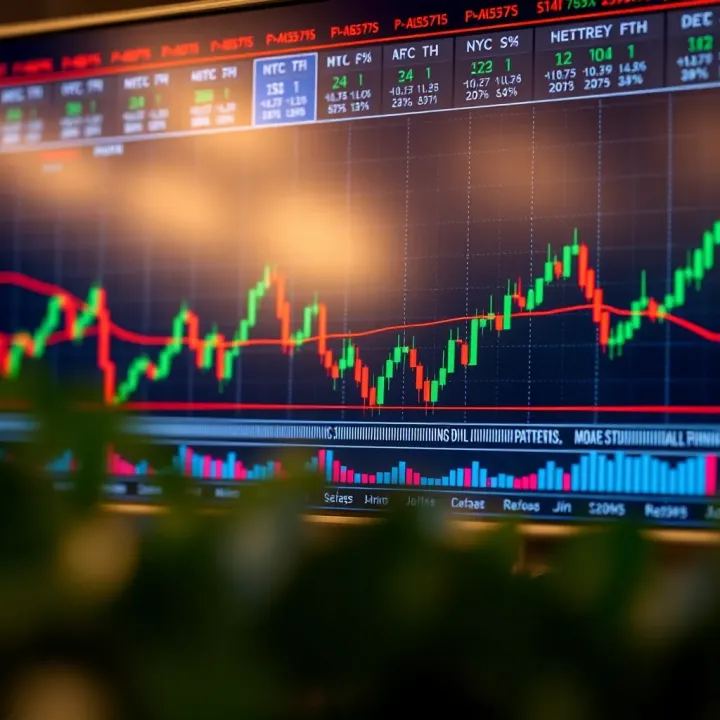
📊 Master advanced candlestick patterns with this detailed guide! Learn to spot key signals and make smart trading decisions in Pakistan and beyond.
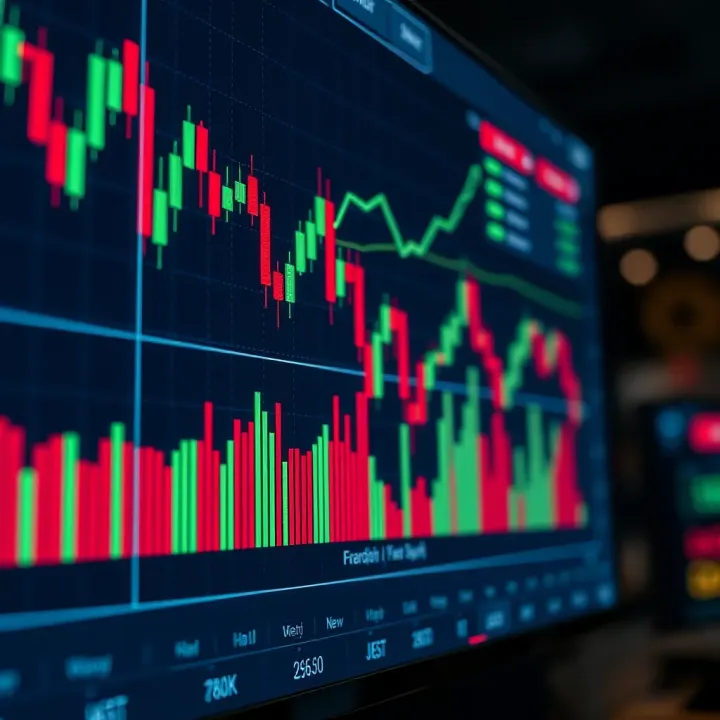
📈 Master key candlestick patterns with our guide! Learn to spot and read 35 essential shapes to boost your trading skills. Free PDF included! 📊
Based on 7 reviews