

Guide to Recognizing and Using Major Chart Patterns
📈 Master major chart patterns to boost your trading skills! Learn to spot reversal & continuation signals, understand market psychology, and trade smarter.
Edited By
Isabella Turner
When it comes to trading or investing, reading the market accurately can make all the difference. Chart patterns have been used by traders for decades as a way to predict future price movements based on historical data. But understanding these patterns isn't always straightforward — especially with so much jargon and mixed information out there.
This article aims to break down the most important chart patterns every trader, investor, or analyst should know. It won’t just stop at recognizing these shapes on the chart; we'll also explore practical ways to use them effectively in your own trading strategy. Plus, to help you get a solid grasp, we’ll point out some reliable PDF resources that explain these patterns in simple, no-nonsense terms.
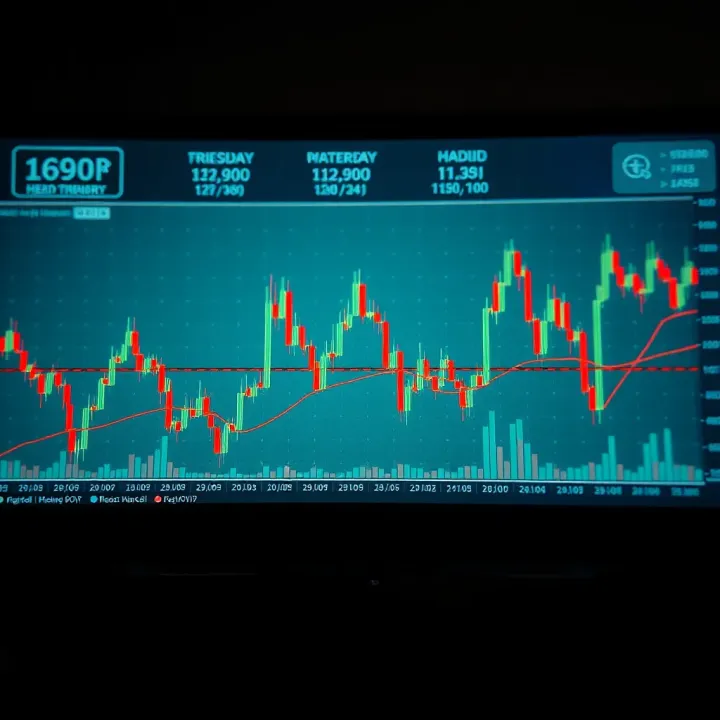
Why focus on PDF guides? They’re easy to download, study on the go, and refer back to anytime without needing constant internet access. That convenience makes learning smoother, especially for those juggling work, studies, or trading as a side hustle.
By the end of this guide, you’ll have a clearer picture of what each chart pattern signals, what to watch out for, and how to avoid common mistakes. You won’t need to sift through dry textbooks or confusing slideshows—everything will be laid out logically and clearly. Whether you're staring at candlestick charts for the first time or want to polish your pattern recognition skills, this article will cover all the bases.
"Chart patterns aren’t magic—they reflect the ongoing tug-of-war between bulls and bears. Learning to read these signals right can give you an edge that lasts beyond quick wins."
Let's get started and make chart patterns less of a puzzle and more of a powerful tool in your trading toolkit.
Chart patterns are like the roadmap for traders. They give clues about where prices might head next, based on past market behavior. Getting a solid grip on these patterns is crucial because they can help take the guesswork out of trading decisions that often feel like shooting arrows in the dark.
For example, a trader spotting a "head and shoulders" pattern knows it often signals a trend reversal. This knowledge can mean the difference between holding onto a losing position or cutting losses early. In this article, we'll break down these patterns, so you’re better equipped to read the market’s visual signals, making your trades smarter not harder.
Chart patterns are specific shapes or formations that appear on price charts, formed by the movement of price over time. These patterns arise because of the repeated behaviors of traders reacting to market news, sentiment, and psychology. Spotting these patterns lets traders anticipate future moves without needing to predict every market variable.
Take the "double top" pattern: two peaks at about the same price level suggest strong resistance. Recognizing this pattern, a trader might expect the price to decline soon. At their core, chart patterns serve as visual shorthand for market emotions like fear, greed, and indecision.
Chart patterns matter because they help simplify complex market data into understandable signals. They provide context to price fluctuations, helping traders decide when to enter or exit positions. Without these patterns, traders might rely too much on gut feeling or random chance.
Moreover, chart patterns are widely studied, which means many traders see and act on the same signals, increasing their reliability. For instance, a "triangle" pattern signaling a breakout often triggers a wave of buy or sell orders, pushing prices strongly in one direction. Ignoring such patterns is like ignoring road signs when driving—it might still work sometimes, but the risk is way higher.
Price action is the main narrative in trading—it's how prices move up and down. Chart patterns help decode this story by highlighting pauses, reversals, or continuations in trends. By recognizing these shapes, traders can interpret not just where prices have been but where they're likely coded to go.
For example, an "ascending triangle" shows increasing buying pressure where highs stay flat but lows rise. This suggests buyers are gaining strength and a breakout upward is likely..
Timing is everything in trading. Chart patterns offer cues about when to jump in or out. Waiting for a breakout from a pattern, like a "flag" or "pennant," can reduce the risk of acting too early.
Suppose a price breaks out of a "rectangle" pattern—a sideways consolidation range—on high volume. This signals renewed momentum, offering a good entry point. Conversely, a failed breakout warns it might be better to step aside. Using patterns this way helps traders avoid common pitfalls like chasing moves too soon or missing key turns.
Mastering chart patterns improves your trading edge by turning raw price moves into actionable signals. They’re not crystal balls, but by learning them well, you navigate markets with clearer insight and more confidence.
Grasping the common chart patterns is like having a map in the trading jungle—it guides traders in spotting shifts and continuations in the market. These patterns aren't just pretty shapes on a chart; they represent collective trader psychology and can alert you to potential opportunities or risks ahead. Knowing these well can drastically improve your timing and decision-making and make your strategies less hit-or-miss.
The Head and Shoulders pattern is a classic indicator that a trend reversal might be knocking on the door. Typically, it starts with a peak (the left shoulder), followed by a higher peak (the head), and then another lower peak (the right shoulder). The key is the "neckline," formed by connecting the lows between these peaks. Once the price breaks below this neckline, it often signals that the bullish run is over, and a bearish trend might begin. For instance, if you spot this pattern on the Pakistan Stock Exchange (PSX) for a blue-chip stock like Habib Bank, it could hint that the recent upward momentum is fading, so adjusting your positions accordingly can save losses.
These patterns are like the market's way of saying, "I gave it a shot, but I'm stuck." A Double Top looks like the price hit a ceiling twice without breaking through, signaling a possible downward turn. Conversely, a Double Bottom shows the price hitting a floor twice, hinting at an upward reversal ahead. Take a commodity like crude oil futures; spotting a Double Top might suggest that prices won't climb higher soon, signaling a good moment to sell or tighten stops.
Less common but no less important, Triple Tops and Bottoms reinforce the idea of price exhaustion after multiple failed attempts to break a level. Traders generally see these as stronger reversal signals compared to double patterns because the resistance or support level has been tested thrice. For example, if the Karachi Cotton Exchange shows a Triple Bottom, it could mean cotton prices might jump higher soon, giving traders an edge to jump in early.

Flags and Pennants are short breaks in a strong trend. Imagine the market taking a breath before it pushes on. Flags look like small rectangles slanting against the prior trend, while Pennants resemble little triangles. Both signal that once this pause ends, the original trend usually picks right back up. For traders, spotting these patterns could mean preparing to jump back in with the trend, rather than expecting a reversal. Say you've seen a sharp rally in the PSX index, and then a flag pattern forms—expect the rally to continue soon after.
Triangles are among the most versatile patterns, showing a tug-of-war between buyers and sellers. Symmetrical triangles indicate indecision, with the price making lower highs and higher lows converging to a point. Depending on what breaks first, the price can go either way. Ascending triangles, with flat tops and rising lows, generally hint at a bullish breakout, while Descending triangles suggest bearish moves with flat bottoms and lowering highs. Traders in Pakistan often track these patterns on popular shares like Engro Corporation to fine-tune entry and exit points.
Think of rectangles as horizontal pause zones, where the price bounces between support and resistance. The market is undecided but ready to pick a side. A breakout above resistance or breakdown below support signals the next move. This gives traders a clear cue on where to place their buy or sell orders. For example, watching the rectangle pattern on Lucky Cement shares can help identify when the price is ready to surge or fall sharply.
Recognizing these patterns is not about predicting the future with certainty but about weighing probabilities. Each pattern forms due to collective trader behavior, offering clues on what to expect next.
By mastering these common types of chart patterns, traders and investors can better navigate the markets, making smarter, more informed moves rather than guessing or relying strictly on luck.
Understanding how to read and interpret chart patterns is a crucial skill for traders and investors alike. It’s not just about spotting shapes on a screen; it’s about grasping what these shapes imply for future price movements. This foundation increases a trader's chances of making informed decisions and timing their entries and exits more precisely.
Chart patterns are a way to read the market’s past behavior to guess what it might do next. However, interpreting these patterns requires careful attention to several key elements. Missing these nuances can lead to costly errors, so reading patterns properly can be the difference between a winning trade and a dud.
Volume acts as a voice behind the pattern—it tells you how many traders are involved and whether there’s strong interest. For example, in an ascending triangle pattern, a breakout accompanied by rising volume suggests the move has momentum and is more likely to hold. Without volume increasing, a breakout might be weak and prone to failure.
In practice, you’ll want to look for volume spikes during pattern breakouts. A classic mistake is ignoring volume, which can lead you to trust false signals. Readers should monitor volume bars alongside price to catch these nuances.
Breakouts occur when price moves beyond a pattern’s boundary with conviction. For instance, when a head and shoulders pattern completes, the price breaks the neckline signaling a potential trend reversal. A breakdown is the flip side—price sinking below support.
It’s important to confirm these moves aren’t just brief spikes. Waiting for a candle close beyond the pattern boundary helps confirm the breakout. Jumping in too early may lead to getting trapped in fake moves.
Support and resistance serve as invisible walls guiding price movement. Recognizing these zones within and outside patterns helps to anticipate where price might stall or reverse. For example, in a double bottom pattern, the support level holds the price up, and a bounce might signify a bullish reversal.
Properly identifying these levels requires zooming out a bit to see the bigger picture. Remember, support turns into resistance after a breakout and vice versa. This flip is key when tracking how patterns evolve.
False breakouts occur when price temporarily moves beyond a key level only to quickly reverse back inside the pattern. This traps traders who acted too early. Imagine a pennant pattern where price breaks up but closes back below the resistance line by the end of the day.
One way to avoid this pitfall is using additional confirmation, such as volume increase or waiting for multiple closes beyond the breakout level. This patience can save you from chasing illusions.
Patterns are best used as part of a broader toolkit, not on their own. Relying solely on chart shapes can be risky because markets can act irrationally or patterns can fail.
Pairing patterns with other technical indicators like Relative Strength Index (RSI), Moving Averages, or MACD creates a more dependable signal. For example, if a pattern breakout coincides with RSI moving out of oversold territory, the signal strengthens.
Remember, trading is more like detective work than fortune-telling. Use all clues available, and never trust one piece alone.
In summary, reading chart patterns correctly means paying close attention to volume, breakouts, and support/resistance levels, while being cautious of false signals. Combining these insights with other tools reduces risk and improves your chances of success in the market.
PDFs are a simple but incredibly effective way to deepen your understanding of chart patterns. Traders often overlook how handy these files can be, especially when they’re trying to build or refresh foundational knowledge without getting lost in endless scrolling or outdated webpages. PDFs offer a stable format that stays consistent across devices and apps, making them perfect for continuous study and quick reference.
Whether you’re a beginner getting your feet wet or a seasoned trader looking for a handy checklist, having a well-organized set of PDF resources tailored to chart patterns can save time and reduce confusion. They typically bundle theory, examples, and visual aids together, so you’re not just reading dry text—you’re seeing how patterns play out with real market data.
One big plus of PDFs is how portable they are. Imagine you're at a café in Karachi or waiting for a client meeting in Lahore—you can quickly pull up your chart pattern guide on your phone or tablet without worrying about an internet connection or losing formatting. This makes learning flexible and on-the-go.
Plus, PDFs stay looking the same no matter where you open them. That consistency is crucial when you’re comparing different patterns or double-checking trading setups. Unlike web pages that might clutter with ads or lose formatting on mobile, PDFs keep it neat and focused.
This portability and reliability mean you can reference important concepts or diagrams anytime you need, instantly improving your trade planning and execution.
PDFs often come with clear layouts that break down complex chart patterns into digestible parts. They use diagrams, charts, and even annotated screenshots to show exactly what price action to watch for. This visual approach is far easier to grasp than chunky blocks of text.
For example, a PDF might illustrate a head and shoulders pattern next to the price levels where traders typically expect a breakout, giving a real-world feel rather than just definitions. These visuals stick in your memory better and help avoid common mistakes like misreading support or resistance.
Organized PDFs also help you track your learning progress. Each pattern section is usually self-contained, so if you want to review flags or triangles, you jump right to that part without hunting through scattered notes.
Finding dependable PDF guides can be a bit of a minefield, especially online where anyone can post trading advice. For Pakistani traders, it’s best to stick with well-known sources such as Investopedia’s downloadable guides or reputable brokerage firms like IG or Saxo Bank which often offer free educational materials.
Also, local trading academies and Pakistan Stock Exchange (PSX) publications occasionally provide PDFs tailored to our market dynamics. These can be more relevant since they consider regional trading hours, instruments, and regulations.
A reliable PDF should be up-to-date, offer clear explanations, include real examples, and preferably come from a professional or institution with a trading background.
For starters, Investopedia's free PDFs break down chart patterns simply and clearly, ideal for beginners. For a more in-depth study, downloadable guides from Saxo Bank or IG offer advanced tips with detailed charts.
Pakistani traders might also look at materials provided by PSX or trading education platforms like Traderji.pk, which sometimes offer region-specific PDFs. Paid options often come from courses or eBooks by local experts who understand the nuances of the Pakistan market, such as tax considerations or commonly traded stocks.
Keeping a mix of free and paid resources lets you balance budget with depth. Just remember, no PDF will make you a master overnight—it’s consistent studying combined with practice that really counts.
Tip: Always review the publication date and author’s credentials before putting your trust in any chart pattern guide. Market conditions change; so should your resources.
Using PDF resources in your trading arsenal is a smart move. They give structure to your study, a visual backbone to tricky concepts, and a portable, reliable way to keep improving your chart pattern skills—even when you’re away from your main setup.
Mastering chart patterns is just one piece of the puzzle. To get the most out of them, you need practical guidelines on how to apply these patterns in real trading scenarios. These tips help you move beyond theory and make smarter decisions when the market swings. For traders in Pakistan and elsewhere, it's essential to blend chart patterns with other skills, tools, and common sense to avoid costly mistakes.
Relying purely on chart patterns can sometimes lead you astray—this is where technical indicators come into play. Indicators like the Relative Strength Index (RSI), Moving Average Convergence Divergence (MACD), and volume-based indicators add an extra layer of confirmation. For instance, spotting a bullish flag pattern accompanied by a rising RSI gives you more confidence the uptrend will continue. On the flip side, if the indicator signals overbought conditions, it could hint at a false breakout.
Think of indicators as your safety net. They don’t replace chart patterns but help validate the signals those patterns throw off. A down-to-earth approach might be spotting a triangle pattern forming, then waiting for MACD crossover before jumping in. This reduces guessing and improves your chance to enter when the market momentum truly supports your trade.
No pattern guarantees profit, so managing how much you stand to lose on any trade is absolutely vital. One practical method is to set stop losses strategically around your pattern’s key support or resistance points. For example, after you see a double bottom transition, placing a stop just below the lower bottom limits damage if the move fails.
Another tip is sizing your trade based on your risk tolerance, never putting too much of your capital on the line in a single trade. Use the risk-to-reward ratio to decide whether a setup is worth pursuing—commonly aiming for at least a 1:2 ratio. This keeps emotions in check and prevents chasing losses. Pakistan’s volatile markets demand this kind of discipline, especially if you’re juggling multiple open positions across different assets.
Chart patterns hint at what might happen, but never what will happen. This subtle but critical difference is often overlooked. Understanding that patterns carry probabilities instead of guaranteed outcomes helps temper excitement and forces you to think in terms of odds.
For example, a head and shoulders pattern may succeed around 70% of the time, but that leaves a good chunk where it fails. Recognizing this uncertainty keeps you prepared to react quickly rather than stubbornly holding onto positions when the market proves you wrong. Patience and flexibility come hard if you're trapped by the illusion of certainty.
Before risking real money, testing how well a chart pattern performs historically on your chosen asset is smart practice. Backtesting means looking at past price data and checking if the pattern actually led to the predicted price moves. This isn’t about blindly trusting the books but about customizing what you learned to suit specific markets and timeframes.
For example, Pakistani traders dealing with the Karachi Stock Exchange might find that some patterns work differently compared to the US markets due to liquidity and volatility differences. Backtesting can be done manually or with software like TradingView, allowing you to identify strengths and weaknesses in your strategy.
Always remember: the more you understand how patterns played out in the past, the better you can anticipate their behavior in the future, but never toss risk management out the window.
Practical application is about merging pattern knowledge with other tools, protecting your capital, and approaching trades with realistic eyes. These habits keep you grounded and ready for whatever the market throws your way.
📈 Master major chart patterns to boost your trading skills! Learn to spot reversal & continuation signals, understand market psychology, and trade smarter.

📈 Master key candlestick patterns with our guide! Learn to spot and read 35 essential shapes to boost your trading skills. Free PDF included! 📊

🔍 Learn how to spot key bearish chart patterns in technical analysis to predict market drops. Boost your trading skills and trade wisely in falling markets📉

📊 Learn to spot seven essential chart patterns in trading, understand their features, and apply practical tips for better decisions with smart risk management.
Based on 15 reviews