

35 Must-Know Candlestick Patterns for Trading
Explore 35 key candlestick patterns 🔍 to spot market trends, improve your trading strategy, and make smarter decisions. Download your quick reference PDF now!
Edited By
Thomas Wright
When it comes to reading the markets, candlestick patterns serve as a valuable map for traders and investors alike. These visual cues have been guiding the decisions of market players for decades, proving time and again their relevance in technical analysis. This article shines a spotlight on the most useful candlestick patterns, detailing what they mean and how you can spot them in real time.
Why bother with candlestick patterns? In the bustling exchange floors of Karachi, Lahore, or even the virtual trading arenas, quick, reliable signals can mean the difference between snagging a good trade or losing out big. This guide is designed to cut through the noise and deliver practical insights, so you don’t just guess but trade with confidence.
Here’s what you’ll find inside:
Explanation of key bullish and bearish candlestick patterns
How to interpret what these patterns are signaling about market moves
Practical tips tailored to Pakistani market contexts and popular trading platforms like MetaTrader
A ready-to-use PDF summary to keep this info at your fingertips, whether on a screen or tucked in your trading notebook
By the end of this read, you’ll be better equipped to understand market sentiment and make smarter entries and exits. Let’s get cracking and turn those candlesticks into your trading allies.
Candlestick charts are more than just colorful boxes and lines on a screen. They provide a snapshot of market psychology during a specific time frame, capturing the tug of war between buyers and sellers. For traders in Pakistan, where markets can be highly volatile, understanding candlestick charts is like having a compass in a dense forest—it points you in the direction of potential market moves.
By decoding these charts, traders gain an edge in spotting shifts before they become obvious through price changes alone. This early insight helps in making smarter entry and exit decisions, reducing guesswork. Whether you’re looking at the Karachi Stock Exchange or international markets, candlestick patterns offer clues about future price action.
A candlestick itself tells a story in four parts: a thick body and the thinner wicks above and below it. The body represents the range between the opening and closing prices within a selected time frame—say, one day or 15 minutes. Wicks (also called shadows) extend from the body, marking the highest and lowest prices during that period.
Imagine a day where a stock opens at 100 PKR, shoots up to 110, dips to 95, and closes at 105. The candlestick body forms between 100 and 105, while the shadows stretch up to 110 and down to 95. This structure visually summarizes the day's trading activity, helping traders scan quickly for patterns without digging through raw numbers.
Understanding this simple shape lays the foundation for recognizing more complex patterns later. Plus, it helps prevent misreading market moves—like confusing a strong close after a volatile day for weakness.
These four prices—open, high, low, and close—are the pillars of every candlestick. The open is where the price started; the close is where it ended within the timeframe. The high and low detail the extremes. Together, they form a mini-price map.
For example, in a 4-hour chart of a tech stock listed on Pakistan's PSX, if you see a candle with a high much higher than open and close, this might indicate a brief surge in demand, but if the candle closes near the low, sellers managed to pull the price down before the period ended.
Understanding these components helps traders judge not just direction, but also the strength of price movements, crucial when timing trades.
Think of candlestick patterns as mood rings for markets. They give instant visual signals about whether buyers or sellers hold the upper hand. Patterns like a long green candle usually mean strong buying, while a long red one points to selling pressure.
For instance, after a string of red candles on the Pakistan Stock Exchange, seeing a bullish engulfing pattern—a larger green candle that fully covers the previous red candle—suggests a shift in sentiment toward buyers. This can be a hint for traders to watch for a possible upward move.
These visual clues save time because they distill complex market emotions into simple shapes, making it easier to quickly assess market conditions.
Not all patterns shout loud and clear, but many hint at what might come next. Some candlestick formations signal that a trend may reverse—for example, a hammer after a downtrend often indicates a potential bottom and the start of a bullish move. On the other hand, patterns like the rising three methods suggest a trend will keep going, giving confidence to hold or add positions.
For Pakistani traders juggling volatile commodities or fluctuating forex pairs, such signals can be a lifesaver. They help avoid entering a trade just as a reversal kicks in or missing out on a sustained move.
In short, understanding how to spot these patterns helps traders anticipate market behavior rather than react after the fact, potentially improving profits and minimizing losses.
Candlestick charts aren’t just pretty pictures—they’re tools that reveal the tug of war between bulls and bears, helping traders in Pakistan and beyond make better, faster decisions in the market.
When you’re trading, spotting bullish candlestick patterns can mean the difference between catching an upswing early or missing out entirely. These patterns signal moments when buyers are likely stepping back in, pushing prices higher after a drop or pause. They’re essential because they help traders time entries, giving clues about when the tide might turn favorably.
Imagine you’re watching a stock that’s been sliding. Suddenly, you see one of these bullish signals—it’s like a neon sign flashing ‘this might bounce back now.’ But remember, no pattern is guaranteed. These signs are more like a weather forecast—helpful but not foolproof.
A Hammer candlestick stands out with its small body sitting near the top and a long lower shadow. This shape tells you that while sellers drove the price down during the session, buyers fought back hard and pushed it back up near the opening price. It’s a strong visual hint that buyers are gaining strength.
You’ll often see Hammers at the bottom of downtrends. For example, if the share price of Engro Corporation has been falling and suddenly a Hammer appears, it suggests the downward pressure might be easing off.
A Hammer isn’t a standalone buy call but a cue to watch closely for a reversal. Traders usually wait for confirmation—like a higher close on the next candle—before jumping in. If you see a Hammer followed by a bullish candle, it often signals the start of an upward move.
In practice, combine this with other indicators such as Relative Strength Index (RSI) or volume spikes for extra confidence. If volume rises sharply on the Hammer day, that means more traders are stepping in, which strengthens the case for a potential reversal.
A Bullish Engulfing pattern forms when a small bearish candle is immediately followed by a larger bullish candle that completely covers or "engulfs" the previous one’s body. The key here is the size and color contrast—the second candle ‘swallows’ the first, showing a shift in momentum.
For instance, in a tumble of Pakistan Stock Exchange’s shares, spotting a tiny red candle trailed by a big green one that envelopes it means buyers stepped in forcefully after a hesitation period.
This pattern can be a blessing for traders eyeing trend reversals or strong bounces. It signals that buyers have overwhelmed sellers, possibly starting a fresh upmove. However, watch carefully where it happens—a Bullish Engulfing in a clear downtrend indicates a possible reversal, but within a sideways or choppy market, it can be less reliable.
Use it alongside volume data and price levels. Higher volume on the engulfing candle adds weight to this signal. Traders sometimes combine it with moving averages for confirmation, such as the 50-day moving average acting as support.
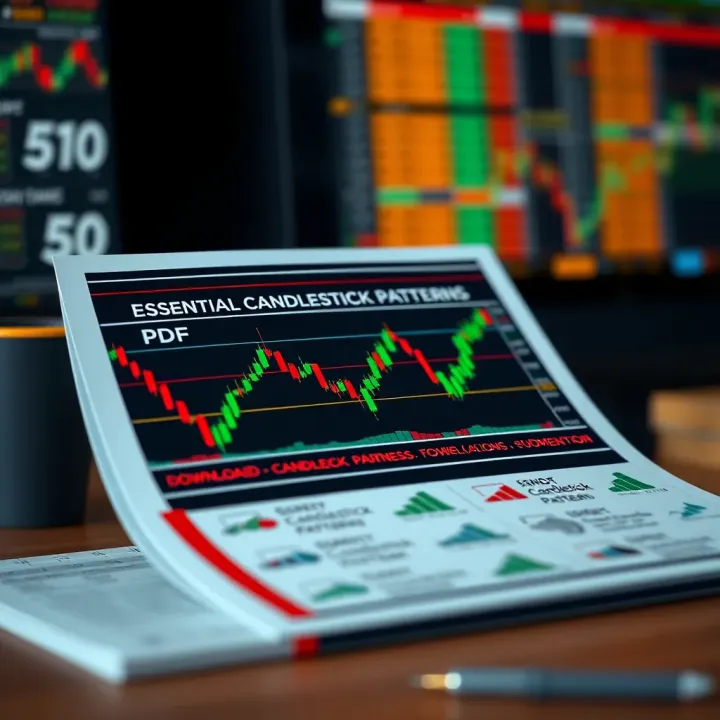
The Morning Star is a three-candle setup:
A long bearish candle signaling strong selling
A small-bodied candle (could be bullish or bearish), often a Doji or spinning top, indicating indecision
A long bullish candle closing well into the first candle's body
This sequence illustrates a move from selling pressure to hesitation, followed by robust buying.
This pattern clearly points to the market bottoming out and the bulls gaining foothold. For example, if Oil & Gas Development Company Limited (OGDCL) shows a Morning Star after a slide, it suggests the downtrend might be ending.
For trading, confirmation is crucial. Traders look for the third candle to close above the midpoint of the first candle’s body. Higher volume on the third day supports the signal.
Recognizing these patterns is like reading the market’s mood swings. They don’t work alone but shine brightest when paired with volume data and other technical tools.
In short, mastering these bullish patterns helps you spot opportunities to ride price rises safely and smartly. Keep an eye on the details and use them as one piece of your larger trading puzzle.
Understanding key bearish candlestick patterns is essential for anyone looking to anticipate market downturns and protect their investments. These patterns signal potential reversals or continuations of downward trends and help traders decide when to exit or short a position. Recognizing these patterns early can be a game-changer in reducing losses or capitalizing on falling prices.
Both the Shooting Star and Hanging Man share a similar look: a small real body near the bottom with a long upper shadow that’s at least twice the size of the body. The Shooting Star typically forms after an uptrend, signaling a potential reversal, while the Hanging Man appears after an uptrend but resembles a warning.
Key points to spot these:
Small real body at the lower part of the candle
Long upper wick (shadow) indicating rejection of higher prices
Very little or no lower shadow
For example, if you see a candlestick on the daily chart with a tiny green body and a long upper wick after a strong climb, that's likely a Shooting Star. Traders often use this as an early sign that bulls are losing control.
The Shooting Star suggests the market tried pushing prices higher but failed, often followed by sellers stepping in. This pattern hints that buyers are weakening, and a downtrend could start soon. In contrast, the Hanging Man’s appearance after an uptrend implies that sellers are emerging but haven't confirmed the downtrend yet—it's a caution flag rather than a guarantee.
A practical tip: Always watch for confirmation on the next candle, like a bearish close after a Shooting Star, before acting. This reduces false signals and helps make smarter trades.
The Bearish Engulfing pattern consists of two candles: a small bullish (green or white) candle followed by a larger bearish (red or black) candle that completely engulfs the first one’s real body. This means the second candle’s open is above the first candle’s close, and its close is below the first candle’s open.
This pattern often occurs after an uptrend, signaling a shift from buyers to sellers. It’s a straightforward red flag that the bears are taking over.
When this pattern forms, it shows strong selling pressure overcoming previous buying momentum. Traders look to this as an indicator to sell or short positions. For example, if a stock like Pakistan’s PSX-listed company shows this pattern on its daily chart, many traders might expect the price to drop further.
To act on this pattern, pairing it with volume is helpful—higher-than-average volume on the engulfing candle can confirm stronger bearish intent. Combine with other indicators like RSI dropping below 50 to strengthen your decision.
The Evening Star is a three-candle pattern signaling a potential top and bearish reversal. It starts with a strong bullish candle, followed by a small-bodied candle that gaps up (creating space), and ends with a large bearish candle closing deep into the first candle’s body.
Breaking down the stages:
First candle: Strong uptrend candle showing buyer strength.
Second candle: Indecision candle, often a Doji or small body candle, suggesting slowing momentum.
Third candle: Powerful bearish candle confirming sellers have taken control.
This pattern reflects buyer exhaustion and growing selling interest.
Traders use the Evening Star to time exits or short entries. For example, in Forex pairs like USD/PKR, spotting this pattern on a daily chart after a rally may hint that the rally is over.
For practical use:
Look for confirmation with the next candle staying bearish
Check supporting indicators such as MACD crossing down or volume spikes
Place stop-loss above the high of the second candle to manage risk
Recognizing these bearish patterns gives traders critical clues before markets turn sour, helping them make decisions that can safeguard capital or profit from downward moves.
By mastering the Shooting Star, Hanging Man, Bearish Engulfing, and Evening Star patterns, you add practical tools to your trading kit that shine especially bright during market shifts.
When markets are on the move, not every candlestick pattern signals a turnaround. Many times, these patterns tell us the current trend is likely to keep rolling. This is where patterns indicating market continuation come into play. They’re handy for traders who want to avoid jumping the gun on reversals and instead ride the wave longer.
Recognizing continuation patterns helps you stay on the right side of the market momentum. Imagine you’re tracking a stock in a solid uptrend – getting a hint that the price will keep climbing is far more valuable than guessing a reversal too early. These patterns give you that edge, improving timing and decision-making.
Pattern structure
The Rising and Falling Three Methods are straightforward but effective. They’re classic examples of a trend taking a breather before pushing further in the same direction. Picture this: during an uptrend, you see a strong bullish candlestick followed by three smaller bearish candlesticks that stay within the range of the first one. Then, you get another bullish candle closing above the first to jumpstart the move back up. The Falling Three Methods is just the mirror image in a downtrend.
Think of it like a quick pit stop for the market — a pause, not a U-turn. These small counter candles show a minor pullback but not enough to shake the trend’s foundation. It tells you sellers aren’t ready to take over, so the ride isn’t over yet.
Signals for trend continuation
The signal here comes from how the smaller candles behave. Since they’re “trapped” within the first large candle’s range, it shows hesitation, not conviction to flip the trend. Importantly, the last candle must break out in the initial trend’s direction – this confirms the market is ready to move on.
For instance, if you spot a Falling Three Methods during a bearish trend, don’t panic at those few weak bullish candles. They’re just a breather, and the continuation signal comes when the price dips lower again, confirming sellers are still in control. This pattern, used wisely, can help avoid the common pitfall of jumping into trades too early when the trend hasn’t actually reversed.
Doji types
Doji candlesticks show indecision in the market — the opening and closing prices match or are very close. There are several types:
Standard Doji: Opens and closes almost the same, leaving a cross or plus-like shape.
Dragonfly Doji: The open and close are at the top of the range, with a long lower shadow.
Gravestone Doji: Open and close at the bottom, with a long upper shadow.
Each type offers a slightly different flavor of hesitation, but none tells the whole story alone.
Interpretation within a trend
In a trending market, a Doji doesn’t necessarily mean the trend’s about to flip. Sometimes, it’s simply the market catching its breath before continuing. For example, in a strong uptrend, a Doji can indicate a pause where buyers and sellers are briefly neck-and-neck, but the bulls may still be holding control.
The key is to watch what happens right after the Doji. If the next candle pushes prices further in the trend's original direction, it's a green light to hold on. On the flip side, if the price reverses sharply, then caution is warranted.
Remember, a Doji alone is like a comma in a sentence – it pauses the story but doesn’t end it. Confirmation from following candles or other technical signals is critical before making trading moves.
By getting comfortable spotting continuation patterns like the Rising and Falling Three Methods and interpreting Doji candles in context, you sharpen your ability to stick with winning trades longer and avoid being shaken by every small wobble in the charts.
Using a PDF resource to understand candlestick patterns can save traders and analysts a ton of time. Instead of flipping endlessly through charts or relying on memory, this PDF acts like a quick, handy dictionary—ready whenever needed.
The PDF is designed with simplicity and speed in mind. Patterns are grouped by type, such as bullish, bearish, and continuation patterns, which makes it easier to find what you're looking for without scrolling through pages of unrelated info. Each pattern typically has a dedicated page, featuring:
A clear picture of the pattern
Key traits and how to spot it
Typical market scenarios where it appears
This setup allows traders to quickly scan and zero in on the pattern they want to analyze, especially helpful during live trading.
Think of these like little cheat codes. The PDF includes short bullet points or icons highlighting:
Warning signs for common pitfalls
How reliable the pattern is historically
Ideal confirmation tools, like volume or RSI
These pointers help traders double-check their reads fast, so they avoid jumping the gun on weak signals.
Candlestick patterns alone are like a compass without a map. To navigate markets well, pair these patterns with other indicators like moving averages, MACD, or Fibonacci retracements. For instance, spotting a bullish engulfing pattern right at a 50-day moving average support level strengthens that buy signal. This layered approach reduces guesswork and offers more confidence before making trades.
No matter how solid a candlestick pattern looks, risk management is the safety net every trader needs. The PDF reminds users to:
Set stop-loss orders below key support levels or recent lows
Determine position size based on personal risk tolerance
Avoid trading patterns that appear in choppy or low-volume markets
For example, if a hammer pattern shows up on a thinly traded stock, it’s wise to confirm with volume spikes before risking money. These practices help prevent avoidable losses and keep the trading account intact.
Remember, candlestick patterns give clues, not guarantees. Use the PDF as a tool in a well-rounded strategy, not a crystal ball.
With the PDF resource well-understood and integrated into your approach, spotting trade-worthy setups becomes quicker and less stressful. It’s like having a seasoned guide whispering tips at your side during the market hustle.
Candlestick patterns can be really helpful for traders, but they’re not foolproof. It’s easy to jump the gun and make trades based on patterns that look promising but don’t actually pan out. Knowing how to avoid common mistakes will save you from losing money and frustration. This section digs into ways to confirm patterns and how to read the broader market mood to make smarter decisions.
One of the biggest traps is mistaking a fake signal for the real deal. For example, a bullish engulfing pattern might look like a clear buy signal, but if there’s barely any volume behind it, the move could fizzle quickly. Volume shows the strength of a price move — think of it like the difference between a noisy crowd and an empty room shouting the same message. Low volume means weak conviction, so be cautious.
Supplementing candlestick patterns with other indicators like the Relative Strength Index (RSI) or Moving Averages can help you dodge false signals. For instance, if a bearish pattern forms but RSI suggests oversold conditions, the pattern may not lead to further decline. This extra layer of check helps you avoid jumping in on false alarms.
Here are some practical ways to confirm candlestick signals:
Volume spikes: Watch for increased trade volume during the formation of a pattern. A hammer confirmed by high volume is more trustworthy.
Moving Average crossover: If a bullish pattern forms just as a short-term moving average crosses above a longer-term one, the signal is stronger.
Support and resistance levels: A morning star pattern near a major support line adds weight to the potential reversal.
Trend Strength using RSI or MACD: If the MACD line crosses above its signal line alongside a bullish pattern, it’s a decent nod to go long.
By combining these checks, you filter out many weak or misleading signals. It’s like getting a second opinion before making a big decision.
Candlestick patterns don’t operate in a vacuum. Spotting a Hammer in a solid uptrend might signal a brief pause, not a reversal, whereas the same hammer in a downtrend could hint at a bottom. Ignoring the overall trend is a classic newbie mistake.
Consider this: A bearish engulfing candle during a strong bull market might just be a small hiccup, not a turn. On the other hand, spotting it during a prolonged sideways or down market should raise red flags. Recognizing where the market currently stands helps you weigh how much trust to put in the pattern.
Expecting every candlestick pattern to deliver perfect signals will only lead to headaches. Trading is about probabilities, not guarantees. If the broader market is choppy or news-driven, even strong patterns might fail. Setting realistic goals and stop-loss points around these trades is key.
For example, if you see a Morning Star at a support level but the broader market is uncertain due to an upcoming economic event, it’s wiser to trade smaller or wait for more confirmation. Adjusting your expectations lets you avoid big losses and keeps your sanity intact.
Always remember, candlestick patterns are tools, not oracles. Context and verification make the difference between a lucky guess and a smart trade.
By respecting the market context and seeking confirmation through volume and other indicators, you sharpen your trading edge. Avoiding these common pitfalls makes your technical analysis more reliable and practical for real-world trading.
Explore 35 key candlestick patterns 🔍 to spot market trends, improve your trading strategy, and make smarter decisions. Download your quick reference PDF now!
📊 Master advanced candlestick patterns with this detailed guide! Learn to spot key signals and make smart trading decisions in Pakistan and beyond.
📈 Master candlestick patterns with this detailed guide! Learn bullish, bearish, and neutral signals to boost your trading skills in Pakistan's market. 🇵🇰

📈 Master key candlestick patterns with our guide! Learn to spot and read 35 essential shapes to boost your trading skills. Free PDF included! 📊
Based on 11 reviews