
How to Use Binary Number Calculators
🔢 Discover how binary number calculators simplify computing tasks by converting numbers and performing operations efficiently. Learn tips to optimize usage in work and study.
Edited By
Isabella Turner
An economic calendar is a valuable tool for investors and traders who want to keep track of important financial events and economic indicators. These calendars list the dates and times of events like central bank announcements, inflation reports, employment data releases, and GDP figures across the world. For Pakistani investors, using an economic calendar effectively can improve decision-making by anticipating market moves and adjusting investment strategies accordingly.
Economic calendars provide real-time updates about events that affect currencies, stocks, commodities, and bonds. For example, when the State Bank of Pakistan (SBP) announces monetary policy changes, it directly impacts the rupee’s value and interest rates. If you are trading forex or investing in local equities, knowing the exact timing of such announcements helps position your portfolio in advance.
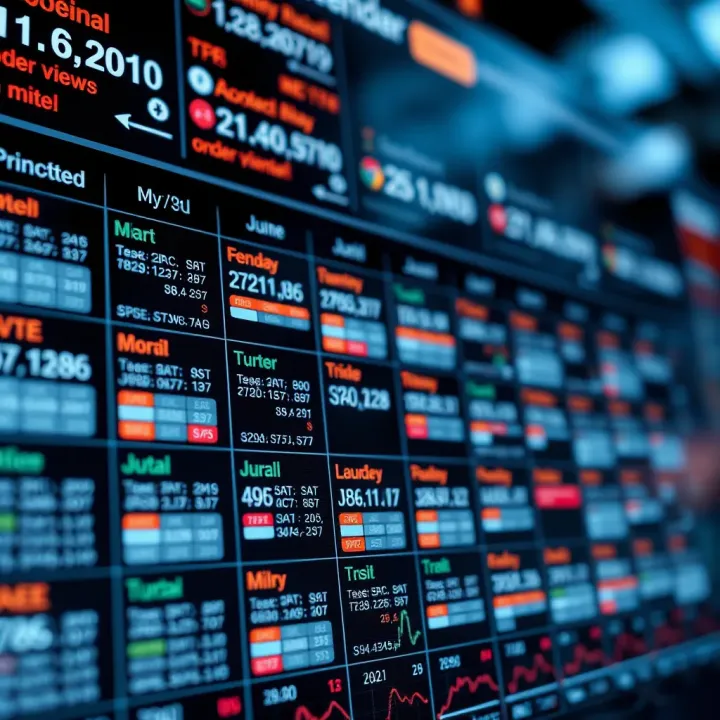
Key economic indicators to watch include inflation rates, industrial production, balance of trade, and unemployment figures. Inflation data, released monthly by the Pakistan Bureau of Statistics, signals currency strength and purchasing power. If inflation spikes more than expected, the SBP may hike policy rates, influencing bank lending and stock valuations. Similarly, Pakistan’s trade deficit figures can affect the rupee’s demand, sending currency rates up or down.
Staying updated with economic calendar events enables investors to react swiftly rather than react slowly after markets have absorbed news.
Use the calendar to identify high-impact events by following these practical steps:
Check daily and weekly schedules for Pakistan and global economies — the US, China, and EU data often sway emerging markets like Pakistan.
Note the release timings accurately in Pakistan Standard Time to avoid missing market-moving announcements.
Understand the expected versus actual data to gauge market sentiment—for instance, a lower-than-expected inflation rate usually boosts the rupee and equity prices.
Combine calendar insights with technical analysis and news flow for well-rounded investment decisions.
In brief, an economic calendar is like a financial weather forecast. It won’t guarantee sunny markets all the time, but it helps you prepare for storms, calm periods, and opportunities. The trick is to make it part of your regular research habit and use it to stay a step ahead in Pakistan’s dynamic financial landscape.
An economic calendar lists dates and times for important financial events and data releases that impact markets worldwide. For investors in Pakistan, understanding what this calendar shows can improve timing decisions and risk management. It highlights economic releases—from government reports to central bank announcements—that influence sectors, currencies, and overall market sentiment.
Interest rate decisions by central banks, like the State Bank of Pakistan (SBP), feature prominently. These rates affect borrowing costs, bank profits, and currency valuation. For example, if SBP hikes its policy rate, banks may raise lending rates, slowing business investments but strengthening the rupee. Investors watching the calendar can adjust exposure accordingly before such announcements.
GDP figures reflect the health of the economy by measuring total output. A rising GDP points to growth, signalling opportunities in sectors like manufacturing or consumer goods. Conversely, slower growth warns investors to stay cautious. For instance, if Pakistan’s quarterly GDP report shows slow growth, stock markets may dip on concerns over business profits.
Data like the Consumer Price Index reveals inflation trends affecting purchasing power and monetary policy. Increasing inflation in Pakistan may prompt the SBP to tighten money supply, influencing bond yields and stock valuations. Investors use inflation data from the economic calendar to anticipate such moves and protect returns.
Employment numbers provide clues about consumer spending and economic stability. Higher employment tends to boost demand for products and services. Markets tend to react positively if Pakistan’s job market strengthens, as it suggests robust domestic consumption.
Trade balance figures show the gap between exports and imports. A large deficit may weaken the currency and increase debt concerns. Pakistani investors watching trade data—especially related to exports like textiles or imports like oil—can gauge the economic direction, affecting firms reliant on foreign trade.
Economic releases scheduled before market opens tend to influence opening prices as investors act on fresh data immediately. For example, if inflation data drops before Karachi Stock Exchange trading starts, traders may adjust positions quickly. Releases during market hours cause live fluctuations, demanding real-time decisions.
Most economic events, like SBP rate announcements, are scheduled and anticipated, allowing traders to prepare. However, unscheduled events—such as emergency policy changes—often cause sharp, unpredictable market swings. Pakistani investors should monitor trusted news sources alongside the calendar to catch surprises.
Markets typically price in expected outcomes based on forecasts in the economic calendar. When actual figures differ significantly, surprises cause volatility. For instance, if the inflation rate exceeds expectations, the rupee might weaken suddenly. Knowing this helps investors judge whether to buy, sell, or hold positions.
Following the economic calendar closely can help navigate the market’s reactions and align investment choices with real-world events, reducing guesswork and enhancing confidence.
This knowledge empowers Pakistani investors to use economic calendar data as a tool for informed investing rather than mere curiosity.
Investors rely on key economic indicators to make informed decisions because these numbers influence market trends and asset prices. Monitoring these indicators helps in predicting market behaviour, spotting opportunities, and managing risk. For example, inflation data can signal rising costs which might erode purchasing power and impact company profits. Likewise, employment figures reflect economic health, affecting consumer spending and investor sentiment.
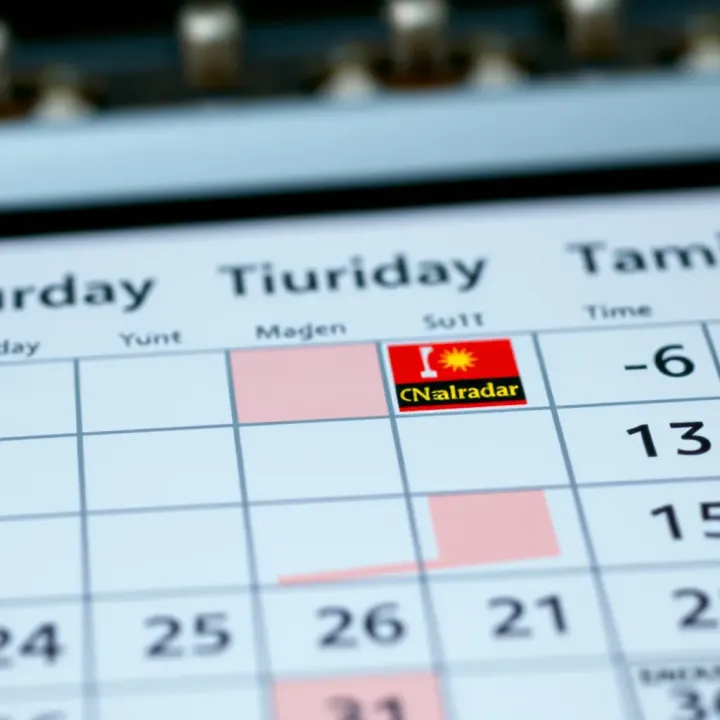
Inflation reflects how quickly prices are rising in the economy, and typically it's measured by Consumer Price Indices (CPI). In Pakistan, CPI figures released by the Pakistan Bureau of Statistics are eagerly watched for signs of increasing inflationary pressure. Rising inflation often pushes the State Bank of Pakistan (SBP) to consider raising interest rates to keep prices in check. For investors, understanding inflation trends helps in adjusting portfolio allocations—for instance, shifting to assets like real estate or commodities which tend to preserve value in inflationary periods.
The SBP’s policy rate is a critical benchmark that influences borrowing costs throughout the economy. When the bank raises its policy rate, borrowing becomes more expensive for businesses and consumers, slowing economic activity and often cooling inflation. Conversely, cutting the rate tends to encourage borrowing and spending, which can stimulate growth. Investors track these announcements closely to anticipate these shifts and adjust their strategies accordingly.
Changes in the SBP's policy rate directly affect the Pakistani rupee’s value. A hike can strengthen the rupee by attracting foreign investment seeking higher returns, while a cut may weaken it. Currency movements influence import costs and exporter competitiveness, impacting company earnings and stock prices. For equity markets, rising rates may initially spook investors due to higher financing costs, but a well-timed cut can spark buying if growth prospects improve. For example, the recent SBP decision to raise its policy rate saw a temporary dip in stock prices but stabilised as investors adjusted expectations.
Employment reports reveal how many people are working compared to the total workforce. Lower unemployment typically means higher consumer income and spending, boosting demand for goods and services. This scenario often encourages investment in sectors like retail and banking. Pakistan’s labour market figures, though released quarterly, offer insights into economic resilience, helping investors gauge consumer confidence and potential shifts in market momentum.
GDP measures the total economic output and growth over a period. Rising GDP indicates expanding economic activity and opportunities for corporate profits, often pushing stock prices upward. Conversely, slowdown or contraction signals caution. For Pakistani investors, quarterly GDP data from the Pakistan Bureau of Statistics provide a clear snapshot of economic health and help refine long-term investment plans.
The trade balance—the difference between exports and imports—affects Pakistan’s foreign exchange reserves and currency stability. A trade deficit might put downward pressure on the rupee, increasing inflation risk, while a surplus can support currency strength. Investors monitor these reports to assess external vulnerabilities and currency risk which influence portfolio decisions, particularly in sectors sensitive to import costs or export demand.
Understanding these economic indicators helps investors to adapt their strategies promptly, unlike waiting for delayed market reactions which may result in missed opportunities or losses. Using the economic calendar to keep track of such data releases gives you an edge in navigating Pakistan's and global markets effectively.
Investors rely on the economic calendar to gauge when markets might swing and to plan their moves accordingly. The calendar lists key data releases and events like central bank announcements or employment stats; knowing when these happen helps in anticipating market volatility and managing risk effectively. Without this foresight, investors might be caught off guard by sudden price shifts, especially in volatile Pakistani and global markets.
Market volatility often spikes around major economic releases. For example, a surprise hike in the State Bank of Pakistan’s policy rate can cause sharp movements in the rupee and stock market indices. Traders expect such events and prepare by adjusting their positions, sometimes reducing exposure before the announcement. On the other hand, strong economic data like better-than-expected GDP growth can boost investor confidence, triggering a buying spree. Using the economic calendar to mark these events allows investors to forecast periods of high activity and strategise their trades or investments accordingly.
Investors often shift their focus among sectors based on economic trends revealed through the calendar. For instance, rising interest rates typically hurt banking and real estate stocks due to higher borrowing costs, but energy and commodity sectors may gain. In Pakistan, if inflation data points to increasing prices, investors might rotate from consumer discretionary to staple goods industries, which tend to be more resilient. This active sector rotation can protect portfolios against downturns while capturing gains from sectors likely to perform well under current economic conditions.
Managing currency risk is crucial, especially for Pakistan’s investor base exposed to both local and international markets. Economic events that impact the rupee, such as trade balance announcements or foreign reserves updates, guide investors in adjusting their foreign currency holdings or hedging strategies. For example, if the economic calendar shows rising current account deficits, investors might reduce exposure to rupee-denominated assets or use derivatives to hedge against depreciation risk. This careful attention helps safeguard portfolio value amid currency fluctuations common in emerging markets.
Technical traders often use patterns and chart signals to decide entry or exit points. Economic data adds a layer of confirmation or caution for these decisions. For example, if technical analysis indicates a bullish trend on a stock, and upcoming positive economic data supports growth, the trader gains confidence in holding or adding positions. Conversely, if the economic calendar warns of a potential downturn through weak employment numbers or disappointing industrial production, traders might reconsider or tighten stop-loss levels to protect gains. Integrating economic data with technical signals creates a more comprehensive approach that balances market psychology with fundamental insight.
Effectively using the economic calendar bridges the gap between market timing and fundamental understanding, enabling investors to navigate uncertainty and make smarter decisions.
In short, the economic calendar isn’t just a schedule—it’s a practical tool that helps investors anticipate volatility, adjust portfolios to economic signals, and validate their trading strategies with real-world data. Pakistani investors gain an edge by combining local and global event tracking, helping them stay ahead in increasingly interconnected markets.
Using an economic calendar is especially helpful for Pakistani investors who need to keep an eye on local economic events and their global implications. Staying updated on these releases helps investors anticipate market movements in the Pakistan Stock Exchange (PSX) and manage currency and commodity risks better.
The State Bank of Pakistan (SBP) announces monetary policy decisions roughly every two months. These statements highlight changes in the policy rate, designed to control inflation and support economic growth. For example, when SBP raises the policy rate, borrowing costs increase, which can slow down economic activity and negatively impact stock prices, especially in interest-sensitive sectors like banking and cement.
Investors should watch SBP statements not just for the rate decision but also for the accompanying economic outlook. These insights help predict currency fluctuations, especially PKR movement against the US dollar. For instance, if SBP signals tightening to curb inflation, the rupee might strengthen, affecting export-heavy industries differently than domestic sectors.
The Pakistan Bureau of Statistics (PBS) releases key indicators such as inflation rate (Consumer Price Index), industrial production, and trade figures. Inflation data informs investors about purchasing power and cost pressures in the economy. Higher inflation often leads to SBP rate hikes, which in turn influence the stock and bond markets.
Industrial production reports give clues about manufacturing health. For example, a sudden dip in production can warn investors about slowing economic activity, impacting sectors like textiles and steel. Keeping track of quarterly and monthly PBS data helps investors time entry and exit from specific stocks or sectors.
The Federal Board of Revenue (FBR) regularly publishes tax collection statistics, signalling government revenue health. Strong tax revenues often mean better fiscal discipline and government ability to fund development projects, which can boost investor confidence.
Conversely, weak FBR collections raise concerns about budget deficits and possible increased borrowing. This can put pressure on the currency and debt markets. For investors in government securities or companies reliant on government contracts, FBR reports offer early warning signals.
US Federal Reserve (Fed) decisions on interest rates and monetary policy significantly impact global markets including Pakistan’s. When the Fed hikes rates, it often leads to capital outflows from emerging markets like Pakistan as investors seek higher returns in the US.
This can weaken the rupee and increase borrowing costs locally. Pakistani investors should closely watch Fed announcements and prepare for possible volatility in the PSX and currency markets.
China is a major trade partner for Pakistan. Economic indicators from China—like GDP growth, industrial output, and import-export figures—affect demand for Pakistani exports, especially textiles and raw materials.
Slowdown in China’s economy can reduce orders from Pakistan’s export sectors, hitting corporate earnings. On the flip side, strong growth in China often means increased demand and better prospects for trade-related industries. Keeping an eye on Chinese data helps Pakistani investors anticipate such shifts.
Pakistan is a net importer of oil, so international oil price fluctuations directly influence inflation, trade deficits, and government subsidies. Rising oil prices typically cause input cost spikes for manufacturers and transporters, which squeeze profit margins and increase inflationary pressures.
Investors should watch global oil price reports closely. For instance, a sharp rise in oil prices can lead to higher WAPDA fuel costs and transportation costs affecting broad sectors, from cement to chemicals.
Several apps and websites can help Pakistani investors monitor economic events efficiently. Platforms like Investing.com and Forex Factory offer reliable economic calendars with filters for Pakistan and global events. Additionally, financial news apps such as Bloomberg and Reuters provide real-time updates and analysis.
Using mobile alerts for key data releases can help investors react quickly rather than catching news late after markets have moved.
Staying on top of both local and global economic events through trusted tools improves decision-making and protects your investments from sudden shocks.
Using an economic calendar can help investors stay ahead of market moves, but several mistakes often trip people up. Understanding these pitfalls lets you make better decisions and avoid costly errors.
It is tempting to act immediately after a single economic report, especially if it seems surprising. However, focusing too much on one data point can mislead you. For example, if Pakistan’s inflation rate jumps one month, it might reflect a temporary supply issue or seasonal effect rather than a long-term trend. Traders who rush to sell stocks or currency after such a release can miss the bigger picture. Instead, look at a series of reports and other indicators before making moves.
Rapid reactions to isolated numbers tend to cause unnecessary volatility and poor investment decisions.
Economic events do not occur in a vacuum. Ignoring Pakistan’s specific economic conditions can lead you astray. For instance, a GDP growth figure might seem positive, but if it comes amid heavy loadshedding or political instability, market reactions could differ. Local factors such as government policy changes, foreign exchange fluctuations, or regional trade dynamics often shape how investors respond to typical economic data. Understanding this context ensures you interpret calendar events correctly.
Economic forecasts are estimates, and revisions to previous data are common. Many investors mistake the forecast as guaranteed or ignore the importance of revised figures. For instance, the State Bank of Pakistan’s monetary policy announcements include forward guidance that might change with new information. If investors misread these signals or do not pay attention to updated GDP or inflation figures, they may make wrong bets. Always check both the forecast and actual release, and watch for revisions over the following months.
Avoiding these mistakes improves your ability to use economic calendars for smarter investing. By treating data points as part of a broader trend, considering Pakistan’s unique market environment, and carefully assessing forecasts, you position yourself for more informed decisions.
🔢 Discover how binary number calculators simplify computing tasks by converting numbers and performing operations efficiently. Learn tips to optimize usage in work and study.

Explore how a binary divider calculator works 💻, learn division methods, solve challenges, and pick the right tool for your binary calculations efficiently.

Learn how to convert binary numbers to Gray code 🔢 and explore its role in reducing errors and easing hardware design in Pakistani digital systems 🖥️.
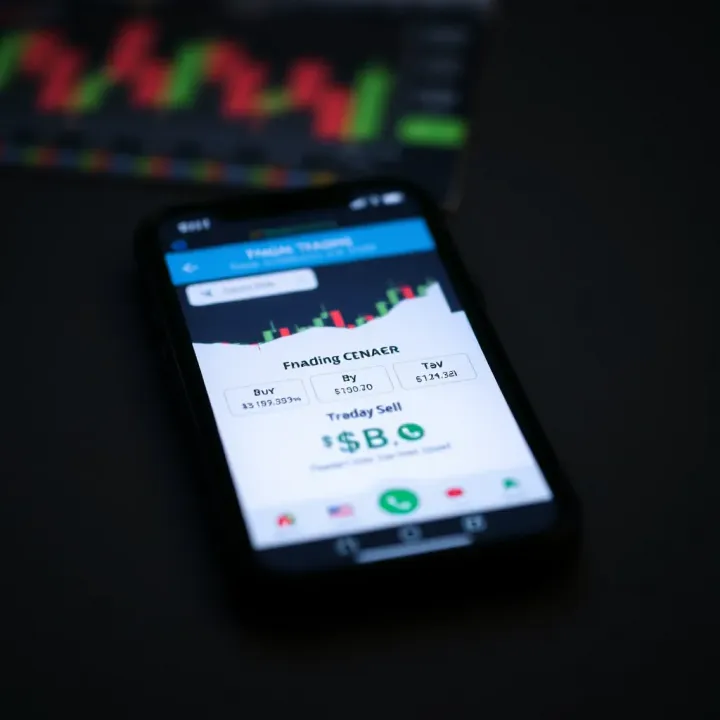
📈 Discover how to pick the best trading app in Pakistan with focus on security, easy user experience, regulatory compliance, and key features tailored for investors.
Based on 7 reviews