
Understanding Binary Fission: How Single Cells Reproduce
Explore binary fission 🦠, the simple cell division process used by many organisms. Learn how it works, where it's common, and why it matters in nature 🌿.
Edited By
Daniel Hughes
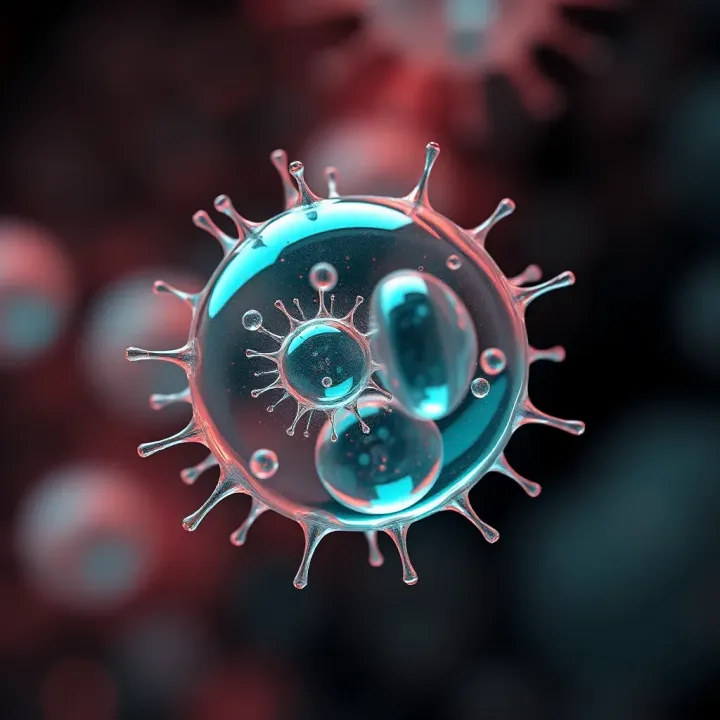
Binary fission is one of the simplest and fastest methods of asexual reproduction, commonly used by single-celled organisms such as bacteria, amoebae, and some algae. Unlike sexual reproduction, this process does not involve the fusion of gametes or mixing of genetic material. Instead, a parent organism splits into two nearly identical daughter cells.
The process plays a critical role in the survival and growth of microbial populations. In everyday terms, think of a bacteria cell just copying its own blueprint and then dividing quickly, doubling the population in a very short time. This rapid multiplication helps microbes adapt quickly to changing environments, which is especially important in ecosystems as well as in medical settings when dealing with infections.
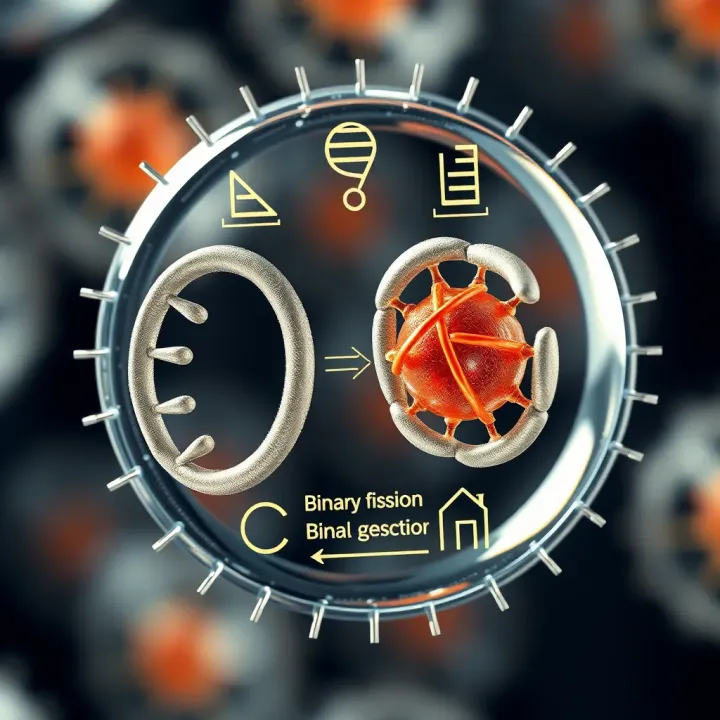
Binary fission is a straightforward reproduction technique but fundamental in shaping microbial life and influencing broader biological dynamics.
The basic steps include:
DNA replication: The organism duplicates its single circular chromosome to ensure each daughter cell has an exact copy.
Cell growth: The cell enlarges, elongating to prepare for division.
Chromosome segregation: The two DNA copies move to opposite ends of the cell.
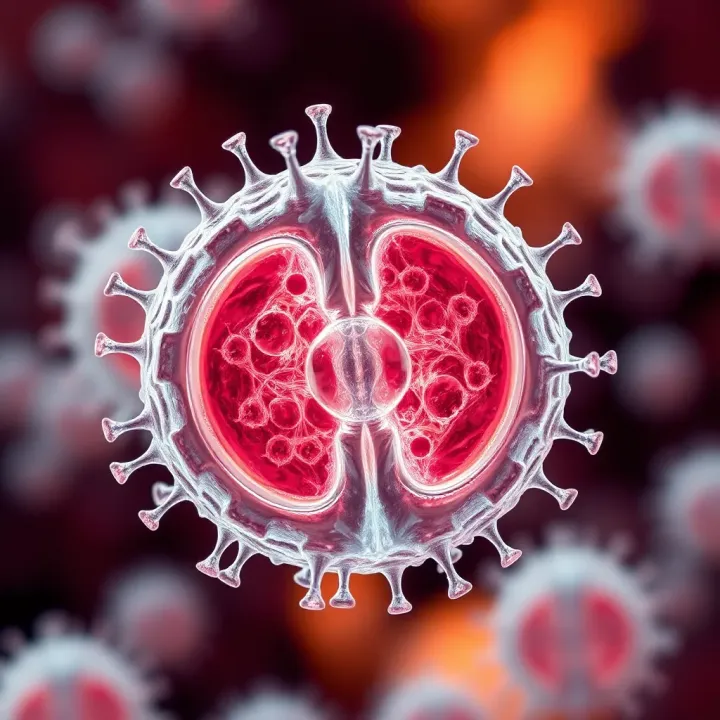
Cytokinesis: The cell membrane pinches inward at the centre, splitting the cell into two new cells.
This entire cycle can take as little as 20 minutes in some bacteria, making it one of the fastest reproductive methods.
Escherichia coli (E. coli), a common gut bacterium, reproduces by binary fission.
Amoebae duplicate through a similar process, ensuring their survival in freshwater habitats.
Quick population growth with minimal energy investment.
No need to find a mate, which is useful in isolated or stable environments.
Lack of genetic diversity makes populations vulnerable to diseases or environmental changes.
Errors during DNA replication can pass mutations directly to offspring.
Understanding binary fission helps in areas like microbiology, medicine, and biotechnology, where controlling microbial growth or utilising bacteria for production is crucial. For traders and investors, comprehending microbial growth patterns can even be relevant in sectors such as pharmaceuticals or agriculture, influencing market decisions.
Understanding binary fission is key to grasping how many single-celled organisms reproduce rapidly and sustain their populations. This process plays a vital role in ecosystems and medical fields, especially in managing bacterial infections. Knowing how binary fission works helps investors and analysts in biotechnology and pharmaceuticals anticipate challenges related to bacterial growth or the development of antibiotic resistance.
Binary fission is a straightforward method through which a single organism divides into two identical halves. Unlike sexual reproduction that requires genetic contribution from two parents, binary fission involves one organism simply splitting into two offspring. For example, a bacterial cell will replicate its DNA and then divide its cytoplasm, producing two new bacteria. This quick replication means bacterial numbers can double in a matter of minutes or hours, a factor important for understanding infection spread or fermentation processes.
Binary fission differs from mitosis and meiosis, which are common in multicellular organisms. Mitosis also creates identical cells but involves more complex stages suited for animals and plants, helping in growth and repair. Meiosis, on the other hand, creates genetically varied cells for reproduction. Binary fission is simpler and faster since it skips many of the steps seen in mitosis, making it efficient for unicellular life forms.
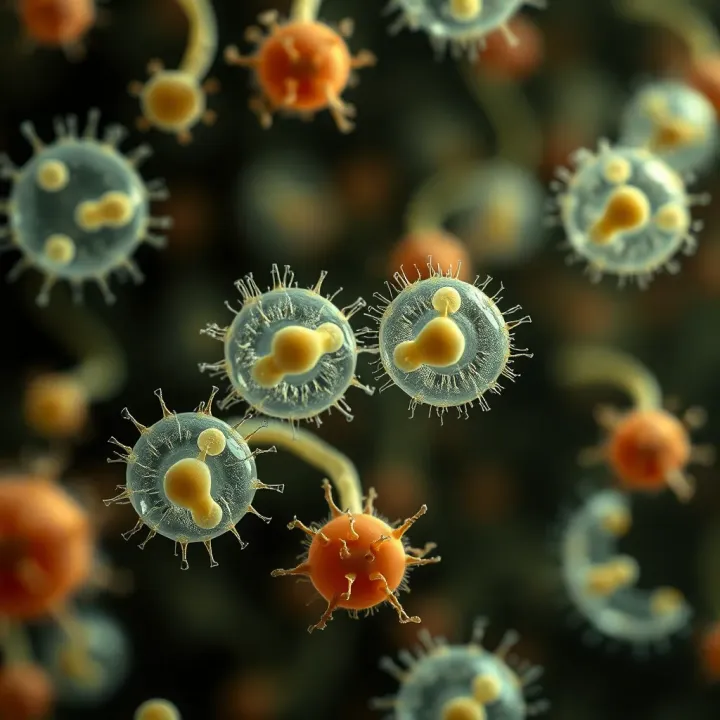
Bacteria, such as Escherichia coli, reproduce primarily through binary fission, allowing millions of these microbes to appear in just hours under ideal conditions. Protozoa like amoebas also use binary fission, modifying it slightly according to their cellular structure. These organisms contribute to nutrient cycles and sometimes cause diseases, so their reproduction rate is relevant for public health and environmental management.
Besides bacteria and protozoa, some unicellular algae like Chlorella and fungi such as yeast also reproduce via binary fission. In these organisms, binary fission helps sustain the population in aquatic and soil environments, contributing to oxygen production and organic matter decomposition. Recognising this reproduction method helps researchers monitor ecological health and manage industrial applications like fermentation.
Binary fission's simplicity and speed make it the backbone of reproduction for many unicellular organisms, impacting ecology, medicine, and industry alike.
Understanding the biological process of binary fission is vital to grasp how single-celled organisms reproduce quickly and efficiently. This process ensures survival and proliferation of species like bacteria and certain protozoa under various environmental conditions. Breaking down this process into its key stages and involved cellular structures reveals the practical mechanics behind this asexual reproduction.
Replication of genetic material is the initial stage where the organism duplicates its DNA. This ensures each new cell inherits an exact copy of the genetic information necessary for functioning. For bacteria like Escherichia coli, DNA replication begins at a specific point and proceeds bidirectionally, allowing rapid completion. This step is essential because any errors can lead to mutations, affecting survival or drug resistance.
Following DNA replication, segregation of chromosomes occurs. The duplicated DNA molecules move apart to opposite ends of the cell, preparing for division. This precise separation relies on cellular machinery to avoid genetic imbalance. In bacteria, the chromosome attaches to the cell membrane to assist this movement, a feature that highlights the integration of structural components in binary fission.
The last stage involves the division of cytoplasm and cell membrane, called cytokinesis. The cell membrane pinches inward, creating a septum that eventually splits the parent cell into two daughter cells. This division must coordinate with DNA segregation to ensure each new cell functions independently. The speed of cytokinesis impacts how fast bacterial populations can expand, which is crucial in both environmental contexts and infection scenarios.
The bacterial chromosome plays a central role in binary fission by carrying all essential genetic instructions. Unlike in more complex cells, bacterial chromosomes are usually circular and loosely arranged in the cytoplasm. This simplified organisation allows faster replication and segregation, aiding swift reproduction. For instance, in pathogenic bacteria, rapid chromosome duplication underpins quick colonisation in a host.
The function of the cell wall and membrane is equally important. While the cell membrane facilitates the segregation of chromosomes through attachment points, the rigid cell wall provides structure and protects the cell during division. Its ability to remodel permits the formation of the dividing septum. In Staphylococcus aureus, for example, the resilience of the cell wall helps it survive antibiotic stresses during rapid binary fission.
Binary fission’s efficiency depends not just on genetic replication but also on how cellular structures coordinate, ensuring each daughter cell is fully equipped to thrive.
By understanding these biological steps and structures, traders, investors, and analysts studying microbial growth or pharmaceutical impacts can better predict bacterial proliferation and resistance patterns, which directly influence medical and economic decisions.
Binary fission varies slightly across different groups of organisms, reflecting their unique cellular structures and lifestyles. Understanding these variations helps explain how single-celled life thrives in diverse environments, from soil to human hosts. This section focuses on bacteria and protozoa, the most common groups where binary fission plays a vital role in reproduction.
Bacteria reproduce rapidly by binary fission, which allows a single cell to split into two genetically identical daughter cells. This process happens in just about 20 minutes in favourable conditions, like in a warm nutrient-rich environment. Because bacteria lack membrane-bound organelles, the division is straightforward: the chromosome replicates, the cell grows, and then splits.
This rapid reproduction fuels bacterial growth, which has major practical implications. For example, a single infectious bacterium can multiply quickly, causing an infection to worsen within hours. This explains why some diseases progress fast and why treating bacterial infections early is crucial.
The speed at which bacteria reproduce through binary fission also affects antibiotic treatment strategies. Since the population grows exponentially, effective antibiotics must target bacteria before they multiply beyond control. Otherwise, infections can become resistant or harder to treat, a challenge frequently seen in clinical medicine.
Protozoan binary fission differs from bacteria primarily because protozoa are more complex eukaryotic cells. They have a nucleus and other organelles, so their division involves splitting both the nucleus (mitosis) and the cytoplasm (cytokinesis). This makes the process longer and more intricate than in bacteria.
For instance, an amoeba reproduces by binary fission, often responding to environmental stress or food availability. Paramecium, another protozoan, divides by transverse binary fission, splitting sideways. These examples highlight how protozoa adapt binary fission to fit their cellular organisation and lifestyle.
Protozoan binary fission impacts ecosystems by controlling population sizes and food web dynamics. Amoebas help recycle nutrients by feeding on bacteria, so their reproduction rate influences soil and water health. Similarly, paramecia serve as food for larger organisms, making their reproductive patterns important in freshwater habitats.
Binary fission is not just a straightforward cell division; its variations across organisms explain differences in reproduction speed, ecological roles, and medical challenges associated with microbial growth.
By studying these examples, readers gain insight into the practical significance of binary fission beyond textbooks — from infection management to ecosystem balance.
Binary fission is a straightforward and rapid way for single-celled organisms to multiply. While it offers clear benefits, there are important drawbacks too. Understanding these advantages and disadvantages sheds light on why binary fission remains common but also highlights its limitations in biological and medical contexts.
Speed and efficiency of reproduction are among the strongest advantages of binary fission. This process allows organisms like bacteria to double their population in a very short time, sometimes within 20 minutes under ideal conditions. For example, Escherichia coli (E. coli) in a nutrient-rich environment can quickly colonise a host or environment, which is why infections caused by such bacteria can escalate swiftly. This rapid reproduction is essential for microbial survival, especially when competing for resources or responding to environmental changes.
Beyond speed, the simplicity of the process is another crucial benefit. Binary fission does not require the complex mechanisms of sexual reproduction, such as finding a mate or producing specialised reproductive cells. Instead, a single parent cell divides directly into two genetically identical daughter cells. This simplicity means fewer errors during reproduction and less energy used, enabling microorganisms to focus resources on growth and adaptation. For instance, many soil bacteria exploit this simplicity to thrive despite fluctuating environmental nutrients.
One major downside is the lack of genetic diversity. Since binary fission produces genetically identical offspring, populations are clones. This uniformity limits adaptability because if an environmental pressure such as antibiotics or a sudden temperature change hits, the whole community is at risk. For example, if a bacterial strain is vulnerable to a specific antibiotic, every individual cell is likely to be affected, limiting survival options compared to sexually reproducing organisms that benefit from gene mixing.
Closely related to this is the vulnerability to environmental changes. Organisms relying on binary fission often struggle with sudden or harsh shifts in their surroundings. Unlike species that can shuffle genes and potentially develop resistance or new traits quickly, binary fissionary populations face extinction risks if conditions deviate sharply. For instance, a bacterial colony exposed to toxic chemicals or severe temperature swings may collapse entirely, as none of the offspring can offer novel adaptations.
While binary fission is a highly effective reproductive method for many single-celled organisms, its simplicity brings inherent risks, especially in unstable environments or where survival depends on genetic variation.
In summary, the speed and ease of reproduction through binary fission make it ideal for rapid population growth, but its uniformity and environmental sensitivity limit long-term survival and adaptability. These aspects prove essential when studying microbial populations and addressing medical challenges like antibiotic resistance.
Binary fission drives rapid population growth in many microorganisms, especially bacteria and protozoa, which forms the backbone of many ecosystems. When these organisms multiply swiftly through binary fission, they help maintain population levels that support food webs, particularly in soil and aquatic environments. For example, bacteria in the rhizosphere multiply quickly, aiding plant growth by fixing nitrogen and decomposing organic matter.
On top of population increase, binary fission influences ecosystem functioning by supporting balanced microbial communities. These microbial populations contribute to breaking down waste and recycling nutrients, which sustains plants and animals higher up the chain. In places like the Indus River or local wetlands, microbial population shifts caused by binary fission affect water quality and nutrient availability for aquatic life.
The impact of binary fission on nutrient cycles is substantial. Microbes reproduce sufficiently to ensure continuous processing of key nutrients such as nitrogen, phosphorus, and carbon. Their ongoing division feeds directly into soil fertility and organic matter turnover, crucial for agriculture and natural vegetation. Without this, nutrient cycling could slow, reducing crop yields and affecting biodiversity.
Moreover, microbes multiplying via binary fission adjust quickly to environmental changes, helping ecosystems recover from disturbances like floods or pollution. They break down toxic substances and recycle nutrients into forms available for plants. This microbial role in nutrient cycling supports Pakistan's farming systems and natural habitats.
Understanding bacterial growth through binary fission is central to managing infections. Bacteria like E. coli or Staphylococcus aureus multiply rapidly in the human body through this mechanism, which explains how infections can escalate quickly. Knowing the timing and conditions for binary fission helps doctors anticipate infection severity and progression.
Equally important is how binary fission informs antibiotic treatment strategies. Since bacteria reproduce fast, improper or incomplete antibiotic courses may allow some bacteria to survive and multiply, potentially causing resistance. Clinicians must consider bacterial division rates to choose effective dosages and treatment duration. For example, in tuberculosis treatment, lengthy antibiotic regimens counteract this rapid reproduction to ensure all bacteria are eliminated.
Controlling bacterial infections requires recognising that rapid binary fission means infections can worsen fast, and stopping them demands well-planned antibiotic use to avoid resistance.
Overall, understanding binary fission not only sheds light on microbial life and ecosystem health but also supports better healthcare strategies against infections common in Pakistan and worldwide.
Explore binary fission 🦠, the simple cell division process used by many organisms. Learn how it works, where it's common, and why it matters in nature 🌿.
Explore how binary fission works in single-celled life like bacteria, with key examples and its vital role in biology 🌱🔬 affecting organisms in Pakistan and beyond.
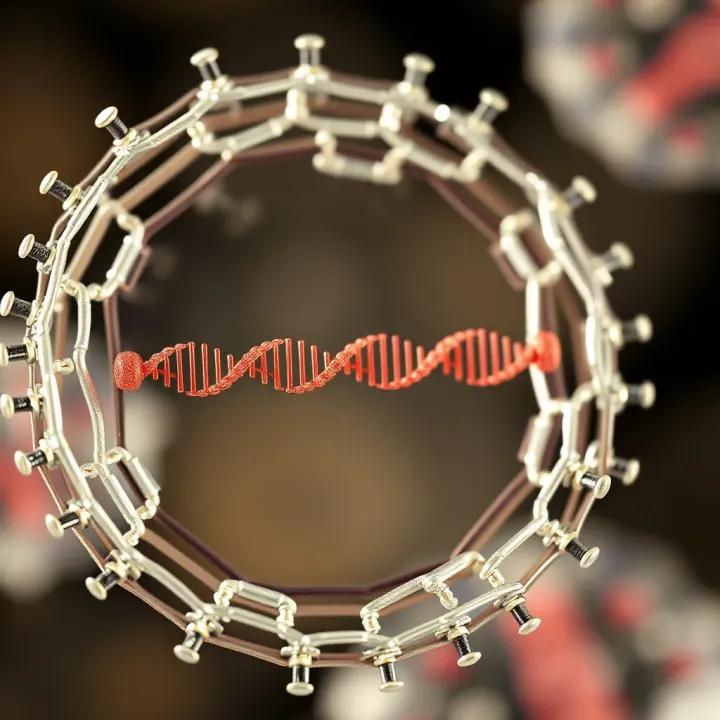
Explore how binary fission helps single-celled organisms reproduce 🔬 Understand its process, importance in biology & healthcare, and key differences from other reproduction types.
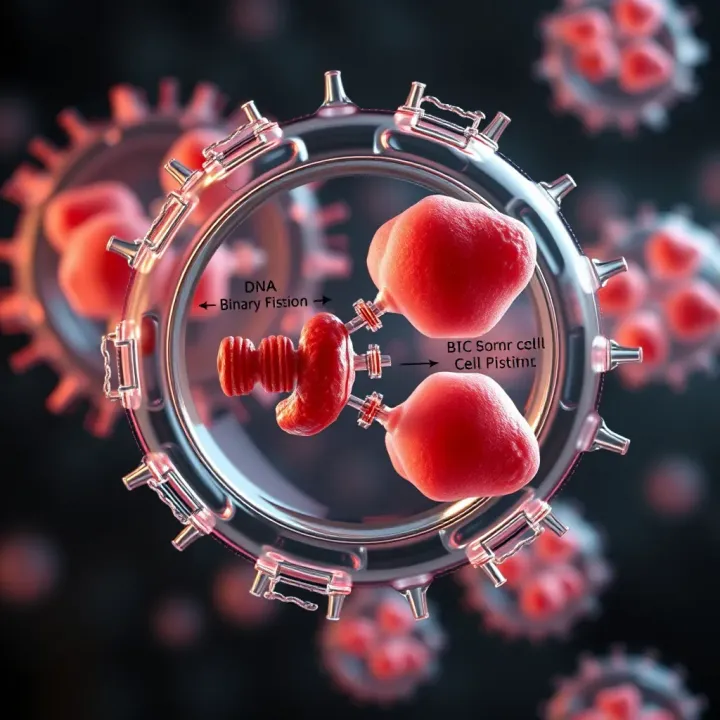
Explore how binary fission differs from mitosis, where it happens, and why it's vital for growth and reproduction in simple organisms 🧬🔬
Based on 15 reviews