
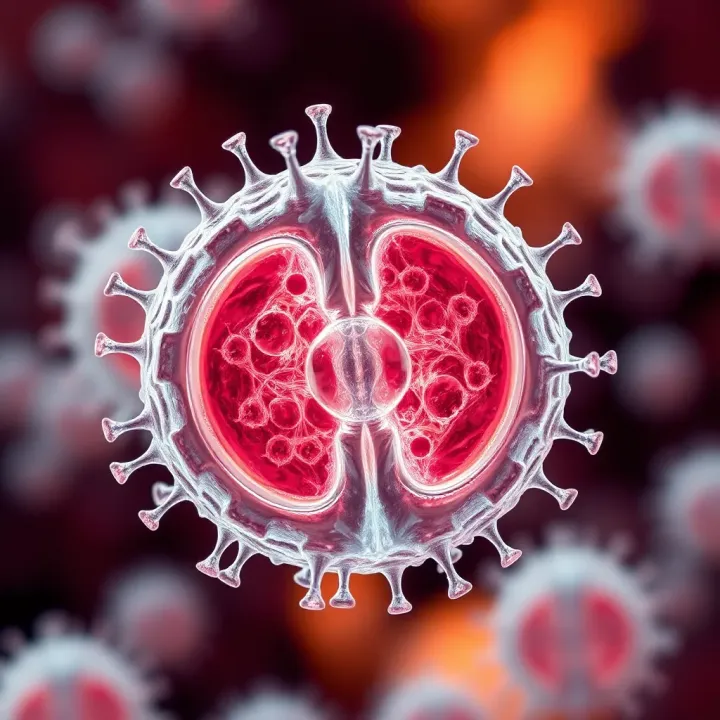
Understanding Binary Fission and Its Biological Role
Explore how binary fission works in single-celled life like bacteria, with key examples and its vital role in biology 🌱🔬 affecting organisms in Pakistan and beyond.
Edited By
Daniel Hughes
To get a solid grip on how life multiplies at the cellular level, it's key to understand the different ways cells divide. More specifically, binary fission and mitosis play huge roles in the world of biology, but they’re often mistaken as similar or even interchangeable.
This article aims to unravel what exactly binary fission is, how it stacks up against mitosis, and why knowing the difference actually matters. Whether you’re a student crunching for exams, an analyst monitoring biotech trends, or even someone just curious about how single-celled organisms multiply, this piece breaks things down without drowning you in complicated jargon.
By the end, you’ll have a clear idea about the mechanisms driving these processes, the kinds of organisms that use them, and how each method supports growth and reproduction in its own way. So, let’s get straight to the point and see what separates binary fission from mitosis—and why this distinction makes a world of difference.
Binary fission is one of the simplest yet most vital ways that life sustains itself, especially among microscopic organisms. For traders, investors, and analysts diving into biotech stocks or microbial research, understanding binary fission sheds light on how bacteria multiply rapidly, influencing everything from antibiotic resistance trends to fermentation industries. This section breaks down the essentials of binary fission, illustrating its significance and practical applications in biology and beyond.
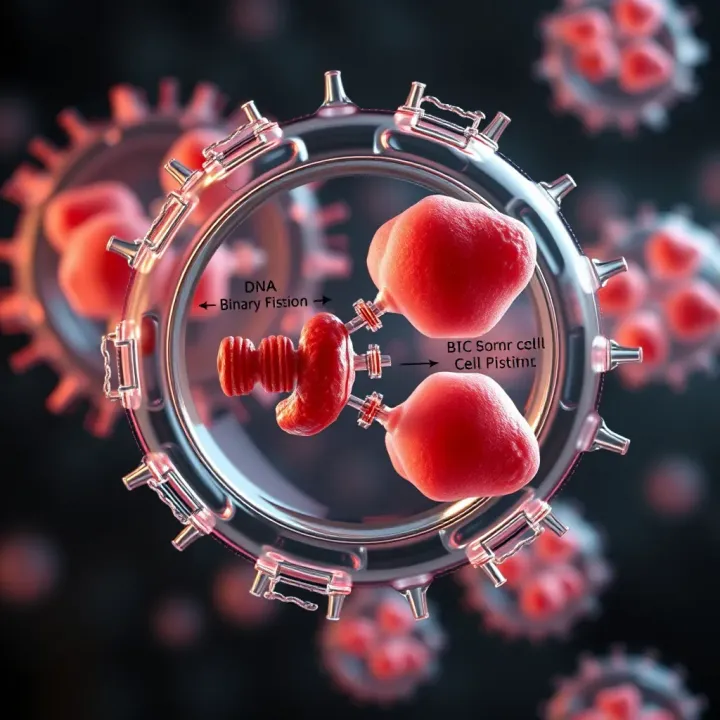
Binary fission is a type of asexual reproduction where a single organism divides into two equally sized daughter cells. It’s like a biological photocopier—quick and straightforward, without the fuss of mixing genetic material like in sexual reproduction. This process occurs mainly in prokaryotic organisms, such as bacteria, where the cell duplicates its DNA and splits itself cleanly in half. For investors backing biotech firms developing bacterial treatments or bioengineering microbes, knowing how binary fission works is crucial because it directly impacts population growth rates and genetic stability.
Binary fission’s hallmark traits include rapid division, simplicity, and cloning accuracy. The process doesn’t require complex machinery because prokaryotes lack a nucleus, so duplication and split happen swiftly—sometimes in under 20 minutes, like in E. coli under optimal conditions. This efficient reproduction means populations can explode in size, which is a double-edged sword: it’s great for industrial applications like yogurt production but also a headache for controlling infections. The main takeaway here is that binary fission ensures the daughter cells are genetically identical, making it predictable yet vulnerable to changes if mutations occur.
Prokaryotes—organisms without a true nucleus—are the primary users of binary fission. Since these cells have a simple structure, without membrane-bound organelles, binary fission suits their biology perfectly. It’s their go-to method for growth and survival. This includes a vast range of bacteria and archaea, which inhabit everything from soil to extreme environments like deep-sea vents. Understanding their reproduction is key for analysts studying bacterial population dynamics in ecosystems or clinical setups, influencing disease control strategies and environmental impact assessments.
Some common examples include Escherichia coli, a gut bacterium often studied in labs; Staphylococcus aureus, known for causing infections; and certain archaea that thrive in hot springs. These organisms multiply by copying their single circular chromosome, then splitting the cell, creating identical cells that can quickly populate a niche. For those interested in biotech sectors, these bacteria's rapid reproduction rates can affect product yields in fermentation processes, or how quickly resistance develops under antibiotic pressure.
In sum, grasping the concept of binary fission and its role in prokaryotic life forms gives a foundation to explore more complex cell division processes like mitosis, which will be discussed later. It sets the stage for understanding how life adapts, multiplies, and evolves through microscopic yet fundamental means.
Understanding mitosis is key when comparing how cells reproduce in different organisms. Mitosis is the way eukaryotic cells—those with a nucleus, like in plants, animals, and fungi—divide and multiply. For traders and analysts who might oversee biotech investments or students studying life sciences, knowing mitosis helps clarify how complex life forms grow, repair themselves, and sometimes develop diseases like cancer.
Mitosis isn’t just a number on a biology test; it’s the foundation behind how our tissues renew and how organisms maintain genetic consistency. This process guarantees that each new cell receives an identical copy of the DNA, ensuring stability across generations of cells.
Mitosis unfolds in distinct stages:
Prophase: Chromosomes condense and become visible under a microscope. The nuclear membrane starts to break down.
Metaphase: Chromosomes line up in the cell’s middle, preparing for separation.
Anaphase: The duplicated chromosomes (now called sister chromatids) pull apart toward opposite sides of the cell.
Telophase: Nuclear membranes reform around each set of chromatids, creating two nuclei.
Finally, cytokinesis happens, where the cell physically splits into two daughter cells. Each stage ensures DNA is accurately copied and divided, preventing genetic errors.
Understanding these stages helps biotech professionals and students predict and observe how cell division can be affected by drugs or environmental factors.
The main role of mitosis is to produce two genetically identical daughter cells from one parent cell. This is crucial for:
Growth: New cells pack in as an organism grows from a single fertilized egg.
Repair: Skin heals, blood cells regenerate, and damaged tissues get replaced.
Maintenance: Regular cell turnover keeps the body functioning smoothly.
Without mitosis, organisms would struggle to develop correctly or heal wounds. For example, without proper mitosis, liver regeneration after injury would be impossible.
Binary fission happens mostly in prokaryotes—like bacteria—that don’t have a nucleus. Their genetic material floats freely in the cell as a single circular DNA molecule. In contrast, mitosis occurs in eukaryotes, where DNA is tightly packed into chromosomes inside a nucleus.
This difference means mitosis involves complex steps to ensure chromosomes are duplicated and separated accurately, while binary fission simplifies the process by replicating a single DNA loop.
Mitosis takes place in eukaryotic cells—humans, plants, fungi, and many protists—while binary fission happens in prokaryotic cells, like bacteria and archaea.
This distinction is important when studying how organisms reproduce or respond to environmental changes. For instance, antibiotics target bacterial reproduction, which is binary fission, not mitosis.
Mitosis is more intricate because it involves a defined nucleus, multiple chromosomes, and structures like the spindle fibers to pull chromosomes apart. It follows a strict sequence of phases to ensure genetic stability.
Binary fission skips many of these steps. The cell simply copies its circular DNA, grows a little, and splits. The simplicity allows bacteria to reproduce rapidly, which is why infections can spread quickly without proper control.
Understanding these differences is essential for anyone working in medicine or biology-related fields, as they affect treatment strategies and research outcomes.
In short, grasping mitosis alongside binary fission clarifies why organisms vary so much in their growth and reproduction methods, and it highlights the sophistication eukaryotic cells possess compared to simpler prokaryotes.
Understanding the relationship between binary fission and mitosis is key to grasping how cells divide differently across life forms. This section sheds light on the distinct nature of these processes, emphasizing why binary fission isn’t just a simpler version of mitosis but a fundamentally different method appropriate for prokaryotic cells. For students, analysts, and anyone keen on biology or related fields, understanding this distinction clears up common confusions that could impact your grasp of cell biology and its real-world applications, such as antibiotic development or biotechnology.
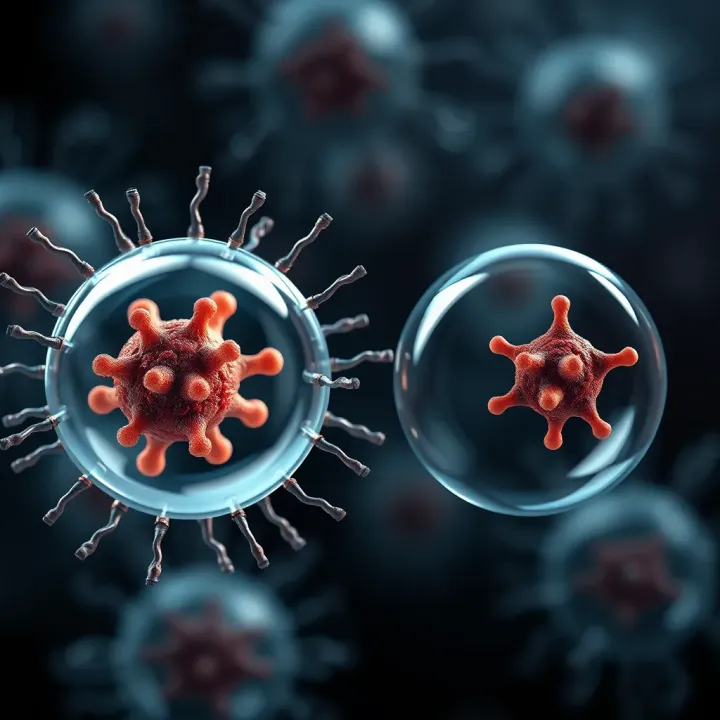
Binary fission does not involve mitosis because they operate under different cellular conditions and mechanisms. Mitosis is a complex process occurring in eukaryotic cells, involving the careful orchestration of chromosomes inside a defined nucleus, which splits into two daughter nuclei. Binary fission, on the other hand, happens in prokaryotes like bacteria, which lack a true nucleus. Instead, their DNA is replicated, and the cell simply divides in two without going through the stages typical of mitosis such as prophase or metaphase. This difference in complexity defines how the two processes are fundamentally separate.
For example, in Escherichia coli, the DNA is duplicated, and the cell elongates before splitting, all without any spindle fibers or nuclear envelope breakdowns involved – hallmark features of mitosis are absent here.
A common misunderstanding is to assume binary fission is just a basic or incomplete form of mitosis, which can lead to errors in interpreting microbiology facts. Many educational materials lump these processes together because they both result in cell division, but that overlooks their biochemical and structural distinctions. Misconceptions also include thinking all cellular division involves chromosomes lined up and split by spindle fibers, which is simply not the case for prokaryotic cells.
These confusions could create bigger problems for learners trying to understand topics like genetic variation or cell cycle regulation without a clear distinction between these mechanisms.
Prokaryotic cells do not have a membrane-bound nucleus, which is a defining feature of eukaryotic cells undergoing mitosis. This absence means the cell’s genetic material floats freely in the cytoplasm, organized as a single circular chromosome rather than multiple chromosomes enclosed within a nucleus. Without a nucleus or nuclear envelope, the elaborate steps seen in mitosis—such as chromatin condensation, nuclear envelope breakdown, and spindle formation—are unnecessary and irrelevant to prokaryotic division.
This difference is crucial if you consider strategies for targeting harmful bacteria. For instance, antibiotics like ciprofloxacin inhibit bacterial DNA replication tied to binary fission without affecting eukaryotic cells because their mitotic division is structurally distinct.
The binary fission process is straightforward: the circular DNA replicates, the cell enlarges, and then it constricts centrally to form two daughter cells. No complex chromosome segregation apparatus is involved. This simplicity means organisms that reproduce via binary fission can divide quickly under suitable conditions, leading to rapid population growth, as seen in Salmonella outbreaks.
The simplicity also reflects the evolutionary adaptation of prokaryotes to maximize reproduction speed with minimal cellular machinery. Unlike eukaryotes, they don't need to pause and align chromosomes, which saves time and energy.
Understanding these distinctions aids not just academic study but practical approaches in microbiology, medicine, and biotechnology, ensuring that treatments or experiments consider the unique traits of cell division methods.
Understanding how binary fission works is essential, especially for students or anyone interested in biology, because it reveals how simple organisms replicate quickly and efficiently. This process is central to the survival and rapid growth of prokaryotes, such as bacteria, which have significant implications for ecosystems and even human health.
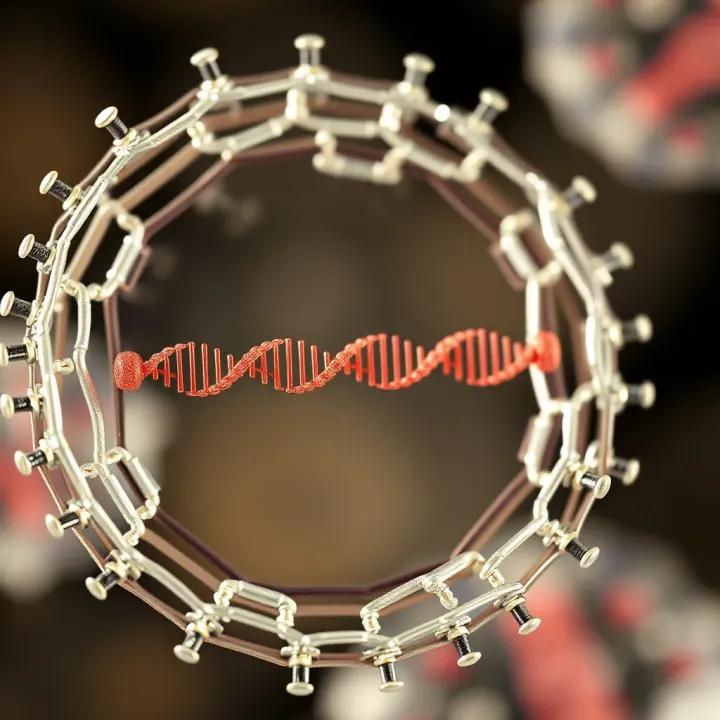
Binary fission starts with DNA replication, where the cell copies its single, circular chromosome. This is a crucial step because the exact duplication of genetic material ensures that each new cell inherits a complete set of instructions. Think of it like photocopying a single page to make two identical booklets. In bacteria like Escherichia coli, this replication begins at a specific point called the origin of replication and proceeds bidirectionally, allowing the chromosome to be copied accurately.
After the DNA has been duplicated, the cell grows larger and elongates. This growth phase is important because the cell’s volume needs to be sufficient to divide into two daughter cells without losing vital contents or function. During elongation, the duplicated chromosomes move to opposite ends of the cell, setting the stage for the next step. It’s like stretching a balloon evenly before tying it off in the middle.
Finally, the cell membrane pinches inward at the center, creating a septum that splits the cell into two separate cells. This division is facilitated by a ring-shaped structure called the FtsZ ring, which contracts to divide the cell precisely. Each daughter cell receives one copy of the chromosome, ending the cycle with two genetically identical offspring.
The rate at which binary fission occurs depends on multiple factors like nutrient availability, temperature, and the organism’s species. For instance, E. coli can divide as fast as every 20 minutes under optimal conditions, while other bacteria might take hours. This speed affects population growth directly—fast division means rapid colonization which might be good in some cases (biotech applications) but problematic in others (infections).
Environmental signals play a big role in when binary fission kicks off. Stress factors such as changes in pH, osmotic pressure, or nutrient shortages can slow down or halt the process. Conversely, when conditions get favorable—think warmth, moisture, and ample food—the cells resume dividing. This natural regulation helps bacteria survive tough times and boom when things look good again.
Understanding these steps and control mechanisms provides insights into how bacteria thrive and adapt. It also helps in designing strategies to manage bacterial growth in medical and industrial fields.
By breaking down the mechanism of binary fission, we've covered how straightforward yet effective this form of asexual reproduction is. This knowledge is key not only in biology but in fields like medicine and environmental science where bacterial control matters.
Binary fission plays a foundational role in the survival and expansion of many simple organisms. This process isn’t just a biological routine—it’s the engine pulsing life into countless ecosystems worldwide. By understanding how binary fission operates, we grasp how life thrives even in the most microscopic corners of nature.
Binary fission allows organisms like bacteria and archaea to multiply quickly. Unlike sexual reproduction, which involves complex mating rituals and time-consuming stages, binary fission cuts straight to the chase: one cell becomes two. In favorable conditions, some bacteria can divide every 20 minutes or so. This ability means populations can explode overnight, which is crucial when resources are abundant or when these microbes need to outcompete others.
Take Escherichia coli in the human gut, for instance. Its rapid division helps maintain a balanced microbiome swiftly, adapting to diet changes or infections. For traders or analysts following biotech markets, this reproductive speed highlights why certain probiotics or bacterial strains often dominate, impacting product effectiveness.
A key feature of binary fission is that daughter cells are genetic clones of the parent. This uniformity ensures stability and consistency in bacterial traits across generations, which can be both a strength and a limitation. On one hand, it means bacteria that are well-suited to an environment stay dominant, but on the other, it also limits adaptability to sudden changes since there is little genetic variation.
This uniform nature of offspring makes it easier for researchers and biotech firms to predict bacterial behavior, develop antibiotics, and engineer bacteria for specific tasks like waste breakdown or fermentation.
Though binary fission produces genetically identical cells, bacteria have found ways to survive fluctuating conditions. They can enter dormant states or produce spores, waiting out tough times. When conditions improve, rapid binary fission helps them bounce back quickly.
For instance, in soil, Bacillus subtilis forms hardy spores during drought but splits rapidly once moisture returns, seizing the chance to spread and thrive. This survival strategy is vital in ecosystems exposed to harsh environmental changes, supporting nutrient cycles and soil health.
Microbes dividing by binary fission play outsized roles in nutrient recycling, organic matter breakdown, and supporting higher life forms. Their reproduction rates influence everything from water quality to soil fertility.
In freshwater ponds, cyanobacteria populations can bloom rapidly through binary fission, affecting oxygen levels and food availability for fish and amphibians. These blooms, sometimes toxic, show how microbial reproduction directly impacts ecosystem balance.
Understanding binary fission sheds light on microbial population dynamics that matter not only to microbiologists but also environmentalists, agriculturists, and biotech investors.
In summary, the significance of binary fission stretches far beyond simple cell division—it shapes population growth, ecological balance, and even human health. For anyone studying biology or working closely with microbial systems, appreciating this process is key to making better decisions, whether in research, healthcare, or business.
Understanding how cells divide in prokaryotes versus eukaryotes is fundamental for grasping the bigger picture of how life proliferates at the microscopic level. These two types of organisms differ widely in structure and complexity, which naturally leads to differences in how they reproduce and maintain themselves.
For anyone studying biology or working in biotech, this comparison isn't just academic—it sheds light on everything from bacterial growth patterns to cancer development in humans. For example, when analyzing the rapid multiplication of Escherichia coli in contaminated water, recognizing how binary fission operates helps in predicting population surges. On the other hand, understanding mitosis can better equip medical professionals to identify abnormal cell divisions linked to tumors.
This section steps into the nitty-gritty, highlighting key cellular features and division methods in both prokaryotes and eukaryotes, helping to clarify their functional differences and practical applications.
Binary fission is the bread and butter method for cell division among prokaryotes like bacteria and archaea. In simple terms, a single cell duplicates its DNA and splits into two identical daughter cells. This process is straightforward but highly efficient—consider how Staphylococcus aureus can double its population in roughly 30 minutes under optimal conditions.
This rapid replication means bacteria can quickly colonize environments, influencing areas like infectious disease spread or wastewater treatment. For practical use, knowing the pace and conditions for binary fission aids industries such as fermentation or bioremediation by controlling microbial growth patterns.
Prokaryotic cells lack a nucleus and many organelles found in eukaryotes, which keeps their division process streamlined. Their genetic material floats freely in the cytoplasm, often organized in a single circular chromosome, making replication and segregation relatively uncomplicated.
This simplicity means prokaryotic cells can divide faster and with fewer steps, but it also limits genetic variation compared to eukaryotes. Understanding this helps in grasping why bacteria evolve through mutations rather than complex recombination events. For instance, this knowledge is crucial when developing antibiotics that target bacterial reproduction.
Eukaryotic cell division incorporates two major types: mitosis and meiosis. Mitosis results in two genetically identical daughter cells, pivotal for tissue growth and repair. Meiosis, meanwhile, creates gametes with half the chromosome number, essential for sexual reproduction.
For example, in human skin cells, mitosis replaces dead or damaged cells daily, maintaining skin integrity. Conversely, meiosis produces sperm and egg cells, ensuring genetic diversity in offspring. Grasping these distinctions is vital for fields like genetics or reproductive health.
One standout feature of eukaryotic division is the behavior of the nuclear membrane. During mitosis, this membrane disassembles to allow chromosome segregation and then reassembles around new nuclei. This complex choreography safeguards DNA and orchestrates accurate division.
This contrasts sharply with prokaryotes, where the nuclear region (nucleoid) is not compartmentalized. Understanding nuclear membrane dynamics helps explain why eukaryotic cell division is more time-consuming and sensitive to errors, relevant for cancer research and therapeutic interventions.
Recognizing these core differences in cell division is more than textbook knowledge—it underpins advances in medicine, agriculture, and biotechnology, making it a subject worth mastering for both students and professionals.
In nutshell, comparing cell division in prokaryotes and eukaryotes not only clarifies biological processes but also equips learners and specialists with insights applicable in diagnostics, treatment, and environmental management.
It's easy to get tripped up when talking about binary fission and mitosis, especially since both are about how cells divide. Many stumble over the subtle but important differences, which can lead to confusion not only in classrooms but in basic scientific conversations. Understanding these misunderstandings is key, whether you're a student trying to make sense of biology or a professional who needs practical clarity.
A big source of confusion comes down to terminology. Textbooks often gloss over the fact that binary fission is a straightforward form of cell division seen mainly in prokaryotes, whereas mitosis is a more complex process reserved for eukaryotic cells. Some sources mistakenly describe bacterial reproduction as mitosis, which is simply not true because bacteria lack a defined nucleus and do not undergo mitotic phases.
For example, when a popular science book says, “bacteria multiply through mitosis,” it muddies the waters. Binary fission involves DNA replication followed by splitting, but no spindle fibers or chromosomal alignment like in mitosis. Clarifying this helps avoid jumbling these distinct biological processes.
Accurate communication isn't just a fancy ideal—it directly impacts how well students and professionals grasp biological concepts. Miscommunication can cascade into bigger misunderstandings down the line, especially when studying more advanced fields like genetics or cellular biology.
Teachers and content creators should make it a priority to clearly separate these processes. Using precise language—explaining that “binary fission is different from mitosis because of the cell structure and division mechanism”—equips learners with the right foundation. This accuracy fosters trust in scientific knowledge and can even influence how medical or research professionals approach microbiological studies.
Distinguishing between binary fission and mitosis is more than just a detail—it's a cornerstone for understanding cell biology. When students confuse these processes, it can slow their grasp of how organisms grow and reproduce at the cellular level, especially between prokaryotes and eukaryotes.
For instance, recognizing that mitosis leads to genetically identical daughter cells through a carefully orchestrated series of steps prepares students for learning about more complex division processes like meiosis. Meanwhile, knowing that binary fission allows bacteria to multiply swiftly helps in subjects like microbiology and ecology.
Understanding the difference is practical, too. In medical microbiology, for example, knowing how bacteria reproduce via binary fission is vital for developing antibiotics or understanding how infections spread rapidly. Similarly, in cancer research, mitosis plays a critical role, so recognizing its mechanisms helps in targeting cancer cells.
Mixing up these processes is like confusing the gears of a bicycle with those of a car—both move forward but in completely different ways.
Getting these details right informs laboratory work, environmental studies, and even everyday problem-solving in science-related fields. So, it’s not just academic—it’s relevant to real-world applications where biology meets practical solutions.
Explore how binary fission works in single-celled life like bacteria, with key examples and its vital role in biology 🌱🔬 affecting organisms in Pakistan and beyond.
Explore how binary fission helps single-celled organisms reproduce 🔬 Understand its process, importance in biology & healthcare, and key differences from other reproduction types.
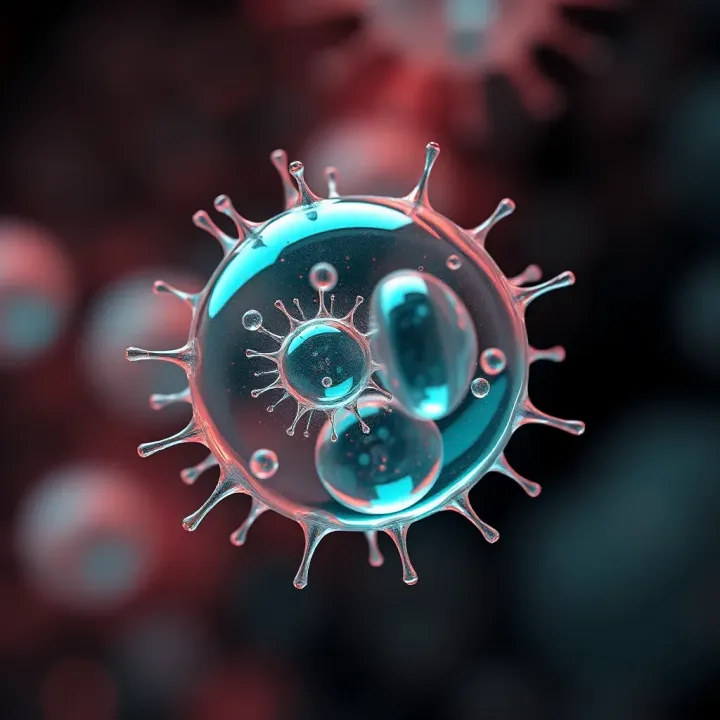
Explore binary fission 🦠, the simple cell division process used by many organisms. Learn how it works, where it's common, and why it matters in nature 🌿.

Explore binary classification in machine learning 📊 with clear concepts, key techniques, performance metrics, common algorithms, challenges, and real-world examples.
Based on 7 reviews