

Best Forex Brokers for Pakistani Traders
🔍 Discover how to pick top Forex brokers in Pakistan! Learn about regulations, fees, platforms & tips for safe trading to boost your Forex success.
Edited By
Isabella Turner
Managing risks in supply chains is vital for businesses in Pakistan, where challenges like load shedding, transport delays, and currency fluctuations can disrupt operations. A resilient supply chain keeps products flowing smoothly, preventing losses and ensuring customer satisfaction.
Understanding the types of risks is the first step. These include:

Operational risks: such as machinery breakdowns or labour strikes
External risks: like floods, political instability, or fuel shortages
Financial risks: currency devaluation affecting import costs
Supplier risks: delays or quality issues from vendors
An example is the widespread impact of loadshedding on warehousing and cold storage, which can damage perishable goods if backup power is inadequate. Similarly, disruptions at Karachi port due to strikes or customs delays can unsettle sourcing schedules.
To manage these, businesses often use a mix of strategic, operational, and technological approaches. Strategically, diversifying suppliers across regions reduces dependence on a single source. Operationally, improving inventory control balances stock availability with cost efficiency. Technological tools like ERP systems help track shipments and predict risks by analysing historical data.
Without effective risk management, companies face inventory shortages, added costs, and damaged reputations. Proactively identifying and mitigating risks safeguards business continuity.
Clear communication with suppliers and transporters is crucial to handle unexpected issues promptly. Regularly reviewing risk factors also ensures responses stay relevant as market or geopolitical conditions change.
This article will further explore practical strategies tailored to Pakistan’s business environment, giving you actionable insights to strengthen your supply chain’s resilience.
Understanding risk management in supply chains means knowing where things can go wrong and planning ahead to reduce those problems. In Pakistan, where factors like loadshedding, political changes, and transport delays disrupt trade, businesses that manage supply chain risks well avoid costly delays and maintain steady operations.
Supply chain risk involves any uncertainties or events that could interrupt the flow of goods and services from raw materials to final delivery. This includes things like supplier failures, natural disasters, customs delays, and fluctuations in fuel prices. For example, a power outage at a textile mill in Faisalabad can delay fabric delivery, impacting the entire supply network.
Risk management involves ongoing actions to identify, assess, and reduce potential problems before they happen. Crisis management happens after an unexpected disruption occurs, focusing on damage control and recovery. For instance, a company may regularly audit suppliers (risk management) but activate a special team to handle sudden strike-related transport blockades (crisis management). Both are necessary, but proactive risk management lessens the need for emergencies.
Supply chain disruptions directly affect production schedules, customer satisfaction, and costs. In Pakistan, frequent fuel shortages or sudden regulatory changes can stall shipments, leading to missed deadlines or higher warehousing expenses.
Businesses that anticipate and manage these risks maintain smoother workflows and save both time and money.
The automotive industry often faces delays in importing parts due to customs clearance issues, causing assembly line halts. Similarly, food processing firms sometimes suffer losses when perishable goods are held up by transport strikes or border closures affecting timely distribution. Textile exporters also experience order cancellations when supply disruptions prevent on-time delivery.
By understanding these real-life risks, companies can design better risk response plans tailored to local challenges, improving their competitive edge both within Pakistan and internationally.
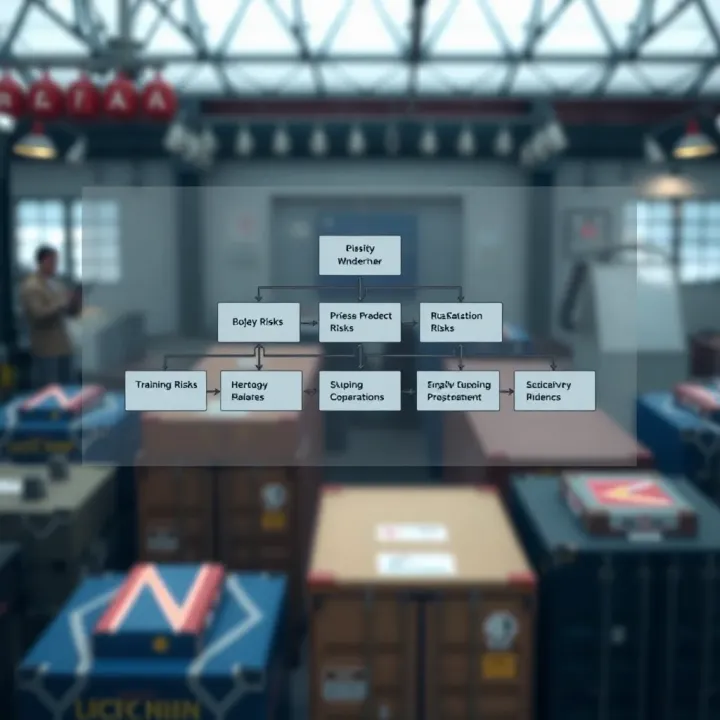
Knowing the common risks that affect supply chains helps businesses prepare and respond effectively. These risks can come from outside the company or from within its own operations. Understanding these challenges lets traders, investors, and analysts spot weak points early and plan accordingly.
Political changes can disrupt supply chains by altering trade policies, customs duties, or import/export restrictions. In Pakistan, sudden shifts in government regulations or embargoes might delay shipments or increase operational costs unexpectedly. For example, a new tax policy or import restriction announced by the government can affect how quickly goods move from ports to local markets.
Furthermore, political unrest or demonstrations around key transport routes can cause delays or damage to shipments. Businesses need to constantly monitor such developments and engage with local contacts to anticipate and react quickly. This kind of risk underlines why having multiple suppliers or alternative routes is a smart move.
Flooding, earthquakes, and extreme weather events are frequent enough in Pakistan to warrant serious attention. Monsoon floods disrupt roads and rail links, impacting the movement of goods especially in provinces like Sindh and Punjab. In 2022, monsoon rains caused severe delays to food and textile supply chains, pushing prices higher.
Climate change also increases unpredictability, making it harder for businesses to rely on historical patterns. This means contingency plans like inventory buffers and flexible transportation options are more important than ever.
Delays and errors within the company’s own processes can be just as damaging as external shocks. Inefficient warehouse management, lack of proper tracking systems, and poor coordination lead to stockouts or excess inventory, affecting cash flow and customer satisfaction.
For example, a Karachi-based importer might face hold-ups if customs paperwork is not prepared correctly or warehouse space is poorly utilised. These inefficiencies often escalate costs and harm business reputation.
Dependence on a few suppliers can expose businesses to risks like late deliveries or substandard products. Quality issues can cause production stoppages or returns, increasing waste and costs. Pakistani manufacturers sourcing raw materials from small-scale suppliers sometimes face consistency problems, which may disrupt entire production lines.
To manage this, companies need regular supplier audits and diversify their sources. Building strong supplier relationships helps ensure timely deliveries and maintains product standards.
Understanding both external and internal risks is key to managing a resilient supply chain. Spotting these issues early allows businesses in Pakistan's dynamic environment to act quickly and avoid bigger disruptions.
Keep an eye on political and regulatory trends regularly
Prepare for climate risks with flexible logistics
Streamline internal processes for smooth operations
Diversify and monitor suppliers to maintain quality and reliability
This awareness will help traders, investors, and analysts make better decisions and keep supply chains running smoothly under pressure.
Identifying and assessing risks in the supply chain is the foundation of effective risk management. Without a clear understanding of where vulnerabilities lie and how severe they might be, businesses cannot target their resources properly. In Pakistan, where frequent supply disruptions and unpredictable challenges like loadshedding or political unrest are common, this step becomes even more critical.
Mapping the supply chain means creating a visual or documented overview of every stage and player involved—from raw material suppliers to final delivery. It helps companies spot potential weak links such as single-source suppliers or transport chokepoints. Take a textile firm in Faisalabad, for example. By mapping, it can see that nearly all its denim comes from one supplier based in a flood-prone area. Knowing this, it can explore alternative sources or plan inventory buffers ahead of the monsoon season.
Because supply chains often span multiple regions and tiers, the mapping process should include all direct and indirect suppliers. This clarity enables managers to spot hidden risks like suppliers relying on unreliable subcontractors or longer transport routes vulnerable to delays.
Regular audits and performance checks provide concrete data on suppliers’ reliability, quality standards, and financial health. In Pakistan's competitive market, supplier inconsistencies can disrupt production or hurt product quality. Audits can uncover issues like delayed deliveries, non-compliance with contract terms, or quality lapses before they escalate.
For a food processing company sourcing spices from various regions, supplier reviews might reveal that one particular supplier struggles to meet quality certification requirements. This insight allows quick action such as additional training support or switching to better vendors, protecting the brand's reputation and compliance with regulations.
Quantifying how likely a risk event is, alongside the damage it could cause, forms the core of risk assessment. This dual approach lets businesses prioritise efforts against the most threatening risks. A Karachi-based electronics assembler may find that imported components' delays are quite frequent, but the stockpiled inventory lowers impact; meanwhile, local power outages might be less often but cause immediate suspension of assembly lines.
Understanding this balance helps decide where to focus monitoring resources or invest in mitigation. It also supports clear communication with stakeholders about where risks stand.
Not all risks carry the same weight — some demand urgent attention while others are manageable without immediate action. Prioritising risks means ranking them based on their combined likelihood and impact scores, then planning responses accordingly. For instance, a pharmaceutical company might prioritise cold chain disruptions higher than minor logistical delays due to their effect on product integrity.
This step optimises resources, so scarce budget or time is spent where it matters most. It also provides a structured approach when communicating about risk to shareholders, vendors, or regulators.
Mapping and thorough assessment turn abstract concerns into clear, manageable priorities that strengthen supply chain resilience against Pakistan's unique challenges.
By following these steps carefully, businesses can stay ahead of potential problems and maintain smoother operations despite external shocks and internal vulnerabilities.
Managing supply chain risks requires clear strategies that can reduce vulnerabilities and improve resilience. This section focuses on practical approaches Pakistani businesses can adopt to shield their operations from disruptions. Strategic supplier management, technology usage, and contingency planning all play vital roles in ensuring goods move smoothly despite challenges such as regulatory changes or power outages.
Supplier diversification means spreading your procurement among multiple suppliers instead of relying on just one. This approach reduces risk because if one supplier faces delays—due to political instability, logistics issues, or local labour strikes—you have alternatives ready to maintain supply. For example, a textile exporter in Faisalabad might source raw materials from Punjab and Sindh, avoiding total dependency on a single region.
Communication and partnership development strengthen trust and cooperation between buyers and suppliers. Regular updates, transparent sharing of challenges, and aligned goals help identify problems early and find swift solutions. Many Pakistani SMEs benefit from frequent video calls and occasional site visits to suppliers to prevent surprises and ensure quality standards remain consistent.
Use of ERP (Enterprise Resource Planning) and SCM (Supply Chain Management) software allows companies to coordinate procurement, production, and inventory data within one system. This integration provides visibility across the chain, enabling quicker responses to delays or quality issues. Pakistani firms using solutions like SAP or local ERP options observe better stock control and supplier performance insights.
Real-time data monitoring improves decision-making by tracking shipments, inventory levels, and supplier statuses as they happen. This is especially helpful in Pakistan’s complex logistics landscape, where delays due to customs clearance or transport strikes can occur unexpectedly. Using GPS tracking or automated alerts lets managers reroute orders or adjust schedules immediately.
Alternative sourcing plans involve identifying backup suppliers or markets before a crisis hits. This strategy is particularly relevant when dealing with imports, where exchange rate fluctuations can impact costs. For instance, a Karachi-based electronics importer may keep a second supplier in Malaysia ready if shipping from China is disrupted.
Inventory buffer and safety stock means holding extra stock to cover unexpected demand spikes or supply delays. While this ties up capital, many Pakistani agricultural exporters use it to protect against poor harvest seasons or transport strikes. Proper calculation of buffer levels ensures operations continue smoothly without excessive holding costs.
Effective risk mitigation depends on balancing proactive planning with flexibility. Being prepared with multiple suppliers, robust technology, and backup stocks helps businesses stay resilient amid Pakistan’s fluctuating market conditions.
🔍 Discover how to pick top Forex brokers in Pakistan! Learn about regulations, fees, platforms & tips for safe trading to boost your Forex success.

📈 Discover how to pick the best trading app in Pakistan with tips on fees, security, usability, and support to boost your investment confidence! 🇵🇰

Discover how to choose the best trading app in Pakistan 🇵🇰 with our clear guide on features, app comparisons, regulations, and tips for all traders.

Find the best forex trading broker in Pakistan! 🌟 Learn about regulation, platforms, fees & support to trade smarter and safer today. 📈💰
Based on 8 reviews