

How to Choose the Best Forex Broker in Pakistan
Choose the best forex broker in Pakistan! Learn about regulations, trading platforms, fees, account types, and customer support for safer trading 📊💼🇵🇰
Edited By
Rebecca Collins
When stepping into the forex market in Pakistan, picking the right broker isn't just a detail—it's the backbone of your trading success. The forex scene here is bustling, but not every broker suits every trader. From newbies just testing the waters to seasoned pros aiming to sharpen their edge, the broker you choose shapes everything from your trading ease to your financial safety.
This guide will break down the must-know factors to zero in on the broker that fits your style and goals in Pakistan's unique market environment. We'll touch on things like regulation, which safeguards your money; trading platforms, where you’ll actually do your deals; costs that quietly eat into your profits; and customer support, because when things go sideways, you need help fast.

Picking a broker without the right info can feel like wandering through a bazaar blindfolded — you might end up with more hassle and less profit than you bargained for.
So, whether you're logging in from Lahore, Karachi, or anywhere across Pakistan, this walkthrough is designed to help you trade smarter and more securely. Get ready to break down the process into clear steps, and avoid the typical pitfalls that many traders run into.
Knowing what forex brokers actually do helps traders decide who to trust with their money. Whether you're fresh to the game or have been around for a bit, understanding the broker’s role can make or break your experience. They’re not just middlemen; these brokers open the door to the complex forex market and provide the tools and support needed to trade effectively.
Imagine trying to navigate a bustling bazaar without a guide—confusing, right? Forex brokers act as the guide, helping you buy or sell currency pairs at the right price and time. Without them, individual traders would struggle to access the massive and fast-moving forex market.
At the core, brokers act as the bridge between the trader and the broader forex market. When you decide to buy or sell currencies, the broker executes these orders on your behalf. This means they ensure your trades reach liquidity providers such as banks and financial institutions.
For example, if a Pakistani trader wants to buy USD against PKR, the broker matches this order with someone selling USD or accesses the interbank market to fulfill it. This service makes it possible for individual traders to participate effortlessly without dealing directly with massive financial institutions.
Forex markets operate 24 hours, moving across global financial centers. Brokers offer platforms that connect traders directly to this market. This means the trader sees real-time exchange rates, can place orders instantly, and reacts to market news without delay.
The access isn’t just about opening an account; it’s about equipping traders with timely data and execution power. Whether it’s through MetaTrader 4, MetaTrader 5, or proprietary software like FXTM’s Trading App, the broker provides the gateway into this ever-active market.
One standout service brokers provide is leverage, allowing traders to control larger positions with a small deposit. For instance, with a leverage of 1:100, a trader puts down $100, controlling a $10,000 position. This magnifies gains but also increases risk, so understanding it is vital.
Margin is the minimum capital held by traders to open these leveraged positions. Brokers calculate and call for margin requirements, and if the trade goes against the trader, they may request additional margin (a margin call) or close positions to prevent losses beyond the trader’s capital.
Forex brokers come mainly in two types: dealing desk (DD) and no dealing desk (NDD). Dealing desk brokers, also known as market makers, take the opposite side of a trader's position. They may profit directly from the trader’s losses and often set fixed spreads.
No dealing desk brokers, on the other hand, act more like facilitators—they send orders directly to liquidity providers without meddling in trade execution. This tends to result in tighter spreads and less conflict of interest but can include commissions or variable spreads.
For Pakistani traders, knowing this difference helps avoid brokers who may manipulate pricing or execution. A reputable no dealing desk broker like IC Markets tends to offer more transparent pricing.
Market makers create their own market by quoting both buy and sell prices. This can mean faster order fills but occasionally might include slippage or re-quotes during volatile periods.
ECN (Electronic Communication Network) and STP (Straight Through Processing) brokers connect traders directly to other participants in the forex market. They typically offer better pricing and faster execution, reflecting true market conditions. However, these brokers often charge a small commission per trade.
Choosing between these types depends on a trader’s style and priorities. For instance, day traders looking for quick scalps might prefer ECN brokers like Pepperstone, while beginners might find market makers easier to understand and use.
Picking the right broker type can mean the difference between a smooth trading day and a frustrating one. It's worth taking a moment to consider how your broker executes your trades behind the scenes.
When it comes to forex trading in Pakistan, understanding regulation and security is not just a nice-to-have—it's absolutely necessary. Without the right safeguards, your hard-earned money can be at risk from unscrupulous brokers or faulty platforms. Traders often overlook this, lured by flashy ads or low spreads, but a broker’s regulatory status is the best bet in making sure your funds are protected and trades are handled fairly.
Regulations set clear rules that brokers must follow—think of it as the rulebook of the forex marketplace. Without it, there’s no referee calling fouls or watching for foul play. In Pakistan, where the forex market is rapidly growing, it’s even more important to stick to brokers who are regulated by trustworthy authorities. This ensures some level of accountability and transparency, keeping rogue players at bay.
Having said that, security isn't limited to just regulation. It includes how brokers manage your deposits, protect your data, and provide clear terms. For instance, a broker that segregates client funds from its own accounts minimizes the risk of losing your money if anything goes south with the firm. So, keeping an eye on these factors can save you from headaches down the line.
A big concern for any Pakistani trader is whether their money is safe with the broker. Regulated brokers are generally required to keep client funds separate from their operational accounts. This segregation means that even if the broker runs into trouble, your funds remain untouched and can be returned. For example, brokers regulated by the UK's Financial Conduct Authority (FCA) have to follow strict rules in this regard. Without such protections, your money could get tangled in the broker's financial issues—something no trader wants to face.
Regulation pushes brokers to operate openly about their working practices. This includes disclosing fees, spreads, leverage limits, and terms of service clearly. Transparent brokers don’t bury their costs in fine print or surprise clients with hidden charges. Imagine signing up for an account only to find out later your trading costs are way higher than expected. Regulatory bodies require brokers to avoid such nastiness, ensuring you know exactly what you’re signing up for.
Unfortunately, the forex world has its share of scams, with many fake brokers targeting Pakistani traders online. Regulators act as a filter, helping you spot legitimate companies amidst the noise. Choosing a broker without a recognized license is like walking blindfolded—you never know when the rug might be pulled out. For instance, scams often promise unrealistic returns or pressure you into fast decisions. Properly regulated brokers avoid these tactics because they are under close scrutiny.
The FCA (UK), ASIC (Australia), and CySEC (Cyprus) are some of the reputable regulatory agencies internationally recognized for their rigorous standards. Brokers licensed by these bodies are usually safer bets, offering better client protections and higher operational standards. For Pakistani traders, opting for brokers regulated by at least one of these agencies means you’re dealing with firms subjected to regular audits and compliance checks.
The Securities and Exchange Commission of Pakistan (SECP) plays a pivotal role locally but is still developing its footprint in forex regulation. Some brokers might operate under SECP supervision, offering a layer of local oversight that can be more accessible for dispute resolution. However, since forex trading is a relatively new market here, the SECP’s influence might be limited compared to international regulators. Still, a broker recognized by SECP can provide another indicator of legitimacy.
Choosing a broker regulated internationally often means better protection standards than solely local oversight. International regulators tend to have more resources, longer experience, and stronger enforcement mechanisms. However, brokers regulated locally may offer easier communication and customer service tailored to the Pakistani market. It’s a balance—traders should consider brokers with dual regulation or at least ones that meet international norms, ensuring a safer and smoother trading experience.
When vetting forex brokers, never overlook the regulatory badge—it’s your first defense against fraud and mishandling.
By focusing on these regulation and security considerations, Pakistani traders can move forward with greater confidence, knowing their broker has their back as well as the market’s best interests at heart.
Selecting the right forex broker isn’t just a matter of picking the one with the flashiest ads or the lowest spreads. It boils down to specific features that directly affect your trading efficiency and security, especially if you are trading from Pakistan. Understanding key broker characteristics helps avoid unpleasant surprises and ensures smooth operatons with your trading funds.
Spreads and commissions are the bread and butter of trading expenses. Spreads refer to the difference between the buy and sell prices of a currency pair, and in many cases, it determines how much you pay each time you open a position. For instance, brokers like IG or OANDA offer tight spreads on major pairs like USD/PKR, often as low as 1 pip in favorable market conditions. Lower spreads mean lesser cost per trade, which in turn protects your profits.
Commissions come into play mostly with ECN or STP brokers who provide direct market access. Here, instead of marking up the spread, these brokers charge a flat fee or a percentage per lot traded. For example, Pepperstone charges about $3.50 commission per 100,000 units traded. Knowing when and how your broker charges can save you money and help you plan your trades more effectively.
Swap fees and hidden charges are less obvious but no less important. Swap fees apply if you hold positions overnight, either crediting or debiting your account depending on the interest rate difference between currencies. Brokers like XM clearly show swap rates before opening trades so you can avoid nasty surprises. Hidden charges might include inactivity fees or withdrawal fees, which can sneakily eat into your balance. It’s wise to read the fine print or check with customer service about any extra costs.
A smooth trading experience starts with easy-to-use software. Desktop and mobile apps are your gateways to the forex market, so they should be intuitive and reliable. MetaTrader 4 and MetaTrader 5 remain popular for their balance of simplicity and powerful features, but brokers like FXTM have attractive custom apps that cater specifically to Pakistani users balancing desktop and mobile use.
Charting tools and indicators let you analyze market trends and make timely decisions. Quality brokers provide advanced chart types, technical indicators, and drawing tools. For example, ThinkMarkets integrates Autochartist for pattern recognition, a handy feature especially for beginners or traders looking to confirm their analysis quickly.
Fast order execution speed is non-negotiable. Every second counts in forex trading, and delays can lead to slippage—an unwanted difference between your intended trade price and the executed price. Brokers using ECN or STP models generally offer quicker execution than dealing desk brokers. Always test this on a demo before committing funds.
Brokers typically offer different account types: standard, mini, and micro, to suit various trading budgets and styles. A standard account might require a higher deposit, like $500 or more, but it suits experienced traders aiming for larger volume trades. Mini and micro accounts, popular with brokers like InstaForex, accept as low as $10 deposits, providing a playground for beginners or cautious traders to get started without risking too much.
Understanding the suitability for different trader levels is crucial. Beginner traders benefit from lower minimum deposits and simplified platforms, while pros might prioritize access to more complex tools, deeper liquidity, and better spreads. For example, a novice could start with a micro account on a broker like FBS before moving to a standard account as they gain confidence.
Remember, picking the right forex broker is like choosing a car: you want something reliable, efficient, and tailored to your needs—not just the flashiest set of features. Make sure these key aspects match your trading style and goals before signing up.

Understanding how deposits and withdrawals work with a forex broker is just as important as knowing the trading platform or fees. For Pakistani traders, smooth and reliable payment options can make or break the trading experience. After all, you want to access your profits quickly and fund your account without hassle. A broker that offers diverse, secure, and locally convenient payment methods helps you avoid delays and extra charges.
Bank transfers remain a staple for many Pakistani traders due to their security and traceability. However, these can sometimes take several business days to process, especially with international banks involved. Credit and debit card payments offer quicker deposits, often instant or within a few hours, which is great when the market’s moving fast. Not every broker accepts cards from Pakistani banks, so it’s wise to confirm availability beforehand. Plus, keep an eye on any additional fees charged by issuers or brokers when using cards.
E-wallet services like Skrill and Neteller have gained popularity because they speed up transactions considerably. For Pakistani traders, local payment options such as JazzCash and Easypaisa are increasingly integrated with forex brokers, offering quicker funding and withdrawals directly in local currency. This avoids the hassle of currency conversion and reduces transaction costs. Given the rise in digital wallets in Pakistan, finding a broker supporting these can make trading smoother and more accessible, especially for beginners.
Cryptocurrency deposits and withdrawals are becoming a notable trend in forex trading, particularly for users wanting fast, low-cost transactions without traditional bank delays. Coins like Bitcoin and Ethereum allow near-instant transfers that bypass many conventional banking restrictions faced in Pakistan. However, it's essential for traders to be cautious with crypto's volatility and to verify that the broker supports this payment method safely. Using cryptocurrency can be practical but requires extra diligence and understanding of the associated risks.
Fast withdrawal processing is key when you want quick access to your funds. Some brokers process withdrawal requests within 24-48 hours, while others may take up to a week or more. Pakistani traders should check this carefully since delays can disrupt trading plans or financial needs. For instance, if you rely on bank transfers, factor in extra time because international wire transfers can be slower and affected by holidays or banking hours.
Be aware that many brokers set minimum and maximum withdrawal amounts. Sometimes you might face fees on smaller withdrawals or charges based on the payment method. For example, credit card withdrawals can involve both broker and card issuer fees, which quickly eat away at profits. Pakistani traders should weigh these charges against the speed and convenience of the method. In some cases, making fewer but larger withdrawals might save money. Always review the broker’s terms to avoid surprises.
Quick access to your money and low fees shouldn’t be taken lightly. Choosing the right deposit and withdrawal methods tailors your trading experience to your personal needs and speeds up decisions in live markets.
In summary, knowing the payment options available for Pakistani traders, including local conveniences and emerging methods like crypto, helps you pick a broker that suits your trading style and financial habits. Always double-check processing speeds, limits, and fees before committing to a broker.
Customer support and educational resources play a key role in choosing the best forex broker, especially for traders in Pakistan who may face unique challenges like time zone differences and language barriers. Excellent support ensures that traders can get timely help when things go sideways or when they have questions about trading platforms and processes. Meanwhile, solid educational materials equip traders to sharpen their skills, understand market dynamics, and make well-informed decisions.
Availability during Pakistani trading hours: This is not just a nice-to-have but a must for those trading forex. Brokers who offer customer support during Pakistan Standard Time (PST) allow traders to get prompt help without frustrating delays. Think of it as having a bridge during the busiest trading hours; delays in addressing issues can cost you dearly in the fast-moving forex market. For example, brokers like IG and FXTM provide round-the-clock support, covering Pakistani working hours, making them strong contenders for traders in Pakistan.
Support in Urdu and English: Language can be a big barrier, especially for beginners who may struggle with technical jargon in English. Brokers offering support in both Urdu and English make the trading experience more comfortable and reduce the risk of misunderstandings. For instance, a query about withdrawal procedures or margin requirements gets resolved faster and with less confusion if support staff are fluent in Urdu. This dual-language support also reflects a broker’s understanding of its market and dedication to service.
Webinars and tutorials: A broker that provides up-to-date webinars and step-by-step tutorials offers real value. Live webinars give traders a chance to interact, ask questions, and even learn from others' experiences. Tutorials, both video and written, can cover topics ranging from chart reading to risk management. Take Tickmill, for example; their extensive webinar schedule often includes sessions tailored to South Asian market timings, helping Pakistani traders stay on top.
Demo accounts for practice: Nothing beats hands-on practice. Demo accounts let traders test strategies in a risk-free environment with real market conditions. It's like taking a test drive before buying a car — crucial for avoiding costly mistakes. Any serious broker, like XM or Pepperstone, offers these accounts without hoops or commitments, enabling traders to gain confidence and understand the trading platform inside out.
Market analysis and daily news: Staying updated with the latest market trends and economic events is fundamental for success. Brokers that provide daily market analysis and news summaries give traders a leg up by simplifying complex information into digestible insights. Daily briefs can highlight how, say, Pakistan’s trade balance or monetary policy changes might sway the forex pairs that Pakistani traders are interested in. Plus500 and AvaTrade are known for regularly updated market analyses accessible within their platforms.
When choosing a forex broker, never underestimate the power of good customer support combined with rich educational resources. They make the difference between a frustrating experience and a smooth trading journey.
By prioritizing brokers that excel in these areas, Pakistani traders can minimize confusion, improve skills, and ultimately enhance their chances of success in the forex market.
Choosing a broker with a solid reputation is just as vital as considering fees or platform features. Reputation speaks volumes about reliability, fairness, and the overall experience you might expect. In Pakistan’s growing forex scene, where brokers vary widely in quality, evaluating reputation helps you separate genuine firms from those that might disappear as quickly as they appeared.
Looking into broker reviews and reputation can save you from future headaches, including delayed withdrawals, poor trade execution, or even outright fraud. Traders often learn the hard way, but a bit of research upfront can keep you on firm ground.
Forums such as Forex Peace Army or Reddit’s r/Forex, along with social media platforms like Facebook or Twitter, are treasure troves of straightforward client opinions. Pakistani traders often share their wins and woes here in real-time, giving an unfiltered look at brokers’ behavior.
Pay attention to patterns rather than isolated complaints—one unhappy trader is normal, but if you spot regular grumbling about withdrawal delays or poor customer service, that’s a red flag. Also, engage in conversations to ask direct questions. Just remember, not every angry post tells the full story; some are sparked by misunderstandings.
Sites like Trustpilot and Myfxbook compile broker reviews sourced from a broad audience, often verified to prevent fake feedback. This balanced feedback helps confirm if a broker walks the talk on promises like tight spreads or fast execution.
Cross-reference multiple review sites to get a rounded picture. While a broker may have a few not-so-great ratings, their overall score and number of reviews provide a better idea. Combining this with client experiences from forums gives you a solid base to make a choice without relying solely on the broker’s own claims.
Transparency reveals how much a broker trusts its clients. The straightforwardness of terms around fees, margin calls, or order execution explains a lot. Brokers should openly display these on their websites in clear language—no fine print labyrinths.
For example, look for clear explanations about spreads, commissions, and rollover fees. If a broker buries these details or uses vague wording, be cautious. Transparency avoids surprises that could cost you both time and money.
Checking whether a broker has faced regulatory penalties or warnings is critical. For Pakistani traders, knowing if the broker has been flagged by authorities such as the FCA (UK), ASIC (Australia), or even Pakistani regulators can be lifesaving. Regulatory action hints at past problems such as mismanagement or client complaints.
This information is usually public and can be found through watchdog reports or official statements by regulators. A clean record doesn’t guarantee perfection, but any red flags should make you think twice before proceeding.
Remember, a forex broker’s reputation and transparency act like the foundation of a house—solid base means your trading experience is less likely to collapse under pressure.
Taking the time to evaluate broker reputation and reviews will provide you peace of mind and shield you from unexpected trouble in the unpredictable forex market. It’s definitely worth the effort before you commit your hard-earned money.
Technology is the backbone of modern forex trading, especially for traders in Pakistan, where quick access and reliable execution can make a huge difference. Brokers that offer advanced tools and intuitive platforms not only provide convenience but also empower traders to make smarter decisions. Without the right tech, even the best strategies can fall flat because delays, glitches, or limited analysis capabilities might cost you opportunities.
The key here is to look for brokers whose technology suits your trading style and needs. For example, if you rely heavily on technical analysis, a platform loaded with customizable charting tools will be a boon. Meanwhile, if you prefer trading on the go, strong mobile apps are essential. Pakistani traders should also consider how tools like automated trading or custom indicators can give them a leg up in a fast-moving market.
Custom indicators let traders tailor their analysis to what really matters to them. Unlike the basic indicators baked into all platforms, custom indicators can be programmed or selected to track very specific market behaviors or patterns. For instance, a trader focused on the volatile Pakistani rupee might use custom volatility filters to avoid whipsaw signals. This precision helps in spotting trends or reversals that generic indicators might miss.
By using brokers that support these custom tools, you can create a trading experience that’s not only personal but potentially more profitable. Think of it like having your own set of specialized glasses to see market details others might overlook.
Automated trading support is another game-changer. This technology allows you to set predefined rules and let the system execute trades automatically according to your plan. It's great for staying disciplined, especially in a market that never sleeps — which is the case with forex. Pakistani traders can take advantage of automated scripts to respond instantly to market movements without the emotional toll of manual trading.
Platforms like MetaTrader 4 and MetaTrader 5 have built-in support for automated strategies, making it easy to start without deep coding skills. Yet it’s crucial to test these strategies via demo accounts to avoid nasty surprises.
In a country where many traders rely on smartphones due to limited access to desktop setups, app performance is key. A broker's app needs to be fast, stable, and packed with essential features like real-time quotes, easy order management, and quick deposit/withdrawal options. Slow or glitchy apps can cause missed trades or costly delays, so choosing a broker with a well-reviewed, optimized mobile app should be high on your list.
Take FXTM’s mobile app, for example, which supports not only basic trading but also detailed charting and live news updates. This level of functionality on your phone means you can stay connected to the market anytime, anywhere.
Notifications and alerts are lifesavers for active traders. These features notify you about price levels, economic news, or account changes without needing to stare at your screen all day. For Pakistani traders juggling other commitments, alerts via the mobile app bring flexibility and peace of mind.
Good brokers let you customize alert settings extensively; for example, you can receive push notifications for when USD/PKR hits a target price or when a trade order is executed. This immediacy helps keep your trading responsive and reduces the risk of missing critical moves due to distractions.
Remember, effective technology isn’t just about flash – it’s about reliability and helping you trade smarter. Whether it’s robust charting software or a powerful mobile app, these tools should fit naturally into your trading routine rather than complicate it.
Leverage is a double-edged sword in forex trading, especially for traders in Pakistan. It allows you to control larger amounts of currency than your actual investment, which can amplify gains but also multiply losses. Grasping the details of leverage options and the risks involved is essential to avoid costly mistakes and make informed decisions. For example, if you use 1:100 leverage, a small 1% move against you could wipe out your entire investment quickly if you’re not careful.
Most brokers catering to Pakistani traders offer leverage from 1:50 up to 1:500. The higher end might seem tempting – think about turning $100 into a $50,000 trading position – but this can be very risky. Many experts suggest sticking to lower leverage, like 1:50 or 1:100, especially if you’re new. This way, you avoid getting caught off guard by sudden market swings that can drain your account faster than you expect.
Regulations play a big role in dictating how much leverage brokers can provide. Globally recognized bodies like the FCA (UK), ASIC (Australia), or CySEC (Cyprus) have strict limits to protect traders, usually capping leverage around 1:30 for major currency pairs. Pakistani authorities don’t yet regulate forex trading heavily, so it’s important to choose brokers regulated by these agencies. Otherwise, you might face brokers offering sky-high leverage with little protection, akin to walking on thin ice without supervision.
When your trades start moving against you, brokers monitor your margin (the money set aside to cover losses). If the value of your account drops so much that it falls below the required margin, the broker issues a margin call, asking you to add funds. If no action is taken, a stop out occurs, and the broker automatically closes your trades to limit further losses. Picture it as a safety net kicking in to prevent your balance from going negative, but it can also force you out of a trade prematurely.
One of the simplest yet most important tools to manage risk is the stop-loss order. This lets you set a specific price at which your trade will automatically close to stop further losses. For instance, if you bought USD/PKR at 160 and want to cap your loss at 1%, you set a stop-loss at around 158.4. This way, if the market heads south, you’re not left holding the bag. It’s a straightforward strategy to protect your capital, especially when leverage can turn small price moves into significant gains or losses.
Remember: Leverage doesn’t create risk out of thin air – it magnifies the risk already there. Using it responsibly with clear risk management can mean the difference between success and blowing your account.
In summary, understanding the leverage limits available, the regulatory landscape influencing those limits, and how to manage the risks with margin calls and stop-loss tools is a must for Pakistani forex traders. This knowledge helps you trade with confidence rather than recklessness, keeping your investment as guarded as possible while aiming for those profits.
Before putting your hard-earned money on the line, it's vital to test how a forex broker actually performs in real scenarios. This step helps Pakistani traders avoid costly mistakes by verifying the broker’s claims about trading conditions, platform reliability, and financial transactions. Testing a broker isn't just about making sure they look good on paper — it’s about feeling confident that your trades will execute smoothly and your funds are safe.
Demo accounts are a handy tool for traders to experience the broker’s platform without risking actual cash. They simulate real market conditions with virtual money, allowing you to see how the platform handles order execution, chart updates, and spreads during different market phases. For instance, you can observe how the broker's platform behaves when major economic data drops or during volatile sessions like the London-New York overlap.
Using a demo account can reveal if there are any glitches or delays that might cause frustration in live trading. Also, it gives a clear picture of the user interface and tools available, which is essential before committing funds. Pakistani traders should take advantage of demo accounts by spending enough time—usually a few weeks—to get accustomed to the platform and its quirks.
A demo account isn’t just for getting familiar with the platform; it’s also the ideal place to test multiple trading strategies safely. Whether you prefer scalping, swing trading, or long-term position holding, running your plans in a demo setting lets you see how they perform under various market conditions.
For example, if you want to test a breakout strategy during the volatile Asia trading session, the demo lets you practice entry and exit points without the pressure of losing real money. This trial-and-error process is invaluable for Pakistani traders, especially beginners, because it helps identify what works and what doesn’t without financial consequences.
Once you feel confident from demo testing, the next step is to make small live trades. This practical move checks the broker’s real-time performance because demo environments don’t always reflect actual trading conditions perfectly. Pay attention to execution speed — the time it takes for your order to be processed — and slippage, which is the difference between the expected price and the price at which the trade is executed.
For instance, you might plan to buy USD/PKR at 280, but the order executes at 280.05. Small slippage can be normal, but large or frequent slippage could mean trouble when trading larger volumes. Pakistani traders should try multiple small trades at different times to observe consistency.
Testing the broker’s financial procedures is just as important as testing its trading environment. Make a small deposit through your preferred payment method—such as a bank transfer or EasyPaisa—and note how long it takes to reflect in your trading account.
Equally, initiate a withdrawal to confirm if the broker processes it promptly without excessive fees or unnecessary delays. For example, a broker promising 24-hour withdrawals but taking a week is a red flag. In Pakistan, where banking and local payment methods can have unique timelines, confirming these procedures firsthand prevents surprises later on.
Never underestimate the value of these small trial steps. They minimize risk and give you real, hands-on insight into the broker’s capabilities.
Testing a broker isn't a one-shot deal but a process that can save you bucks and headaches over time. By combining demo practice and small live trades, you get a clearer picture of how your chosen broker serves you beyond fancy ads or glowing reviews.
Choosing a forex broker isn't just about picking the one with the flashiest website or the lowest spreads. Many traders jump headfirst into a relationship with a broker without fully vetting their options, and that leads to trouble down the road. This section highlights the common pitfalls to dodge, so you don’t find yourself stuck in a bad deal or worse, face financial loss. Knowing what to avoid is just as important as knowing what to look for, especially when navigating Pakistan's unique trading environment.
One of the biggest mistakes traders make is overlooking the regulatory status of their broker. A broker operating without proper licensing or oversight from recognized bodies can put your money at serious risk. Regulatory agencies, such as the Financial Conduct Authority (FCA) in the UK, Australian Securities and Investments Commission (ASIC), or Pakistan's Securities and Exchange Commission, enforce strict rules designed to protect traders’ funds and ensure fair trading practices.
If a broker isn't regulated, you could face issues like unsecured funds, unfair trading conditions, or difficulties withdrawing money. For instance, some unregulated brokers have been known to vanish with clients’ deposits or manipulate prices. Always check for a valid license and be skeptical if a broker is vague about their regulatory details.
Never compromise on regulation—it’s your first shield against fraud and malpractice in forex trading.
It's tempting to pick a broker just because they advertise the lowest spreads or zero commissions. However, trading costs are just one piece of the puzzle. Sometimes, brokers with ultra-low fees hide other costs like high swap rates, withdrawal fees, or wide slippage, which can quietly eat into your profits.
Moreover, extremely low costs might signal subpar services or outdated trading platforms. For example, a broker offering low spreads but with sluggish order execution could cause you to miss key market opportunities. Balancing cost with quality services, such as reliable trading platforms, fast execution, and a transparent fee structure, leads to a smoother trading experience.
Always read the fine print and compare what’s included in the cost, so you don’t pay more than it seems upfront.
Forex trading can get complex, and when problems pop up, you want quick, clear, and helpful support. Many traders make the mistake of ignoring customer service quality, thinking they won’t really need it. But issues like platform glitches, delayed withdrawals, or account setup questions can stall your trading if not handled promptly.
Look for brokers who offer support that works during Pakistani trading hours and communicate fluently in Urdu or English. A broker like FXTM or XM is known for responsive customer service tailored to Pakistani traders, including multiple contact channels such as live chat, phone, and email.
Poor support can leave you stranded, especially during market volatility when timely decisions are crucial. A supportive broker can make the difference between a frustrating experience and a smooth trading journey.
In short, don't judge a broker just by costs or spread figures. Factor in their licensing, service reliability, and support responsiveness to make a sound choice.
Wrapping up your broker search and trading strategy isn’t just about picking the right platform — it’s also about staying sharp and steady in the ever-changing forex market. These final tips help Pakistani traders build a solid foundation that lets them trade smarter and keep their heads cool.
Being in the loop on market shifts is like having a weather forecast before a long outdoor trip — it helps you plan your moves better.
Keeping up with economic headlines has real teeth when trading forex. For instance, if the State Bank of Pakistan announces a surprise interest rate change, the PKR might jump or drop sharply. Knowing this early means you can adjust your positions accordingly — maybe close out a losing trade before it worsens or jump on a new opportunity. Economic indicators such as inflation rates, GDP numbers, and employment data from the U.S. or China also sway forex markets big time, so following sources like Bloomberg or Reuters can be a game changer.
Politics often plays spoilsport or hero in the forex market, so it’s crucial to stay aware. If tensions flare up between Pakistan and India or if there's a change in trade policies, the PKR can react swiftly. International events like Brexit, U.S. elections, or Middle East conflicts may also rattle currency pairs you trade against. A good practice is to keep an eye on trustworthy regional news outlets and international coverage to catch these developments. With early awareness, you can hedge risks or switch trading tactics before market storms hit.
Even with the best broker and market info, trading goes south when emotions take the wheel. Managing your mindset isn’t some soft skill — it’s a crucial part of a winning trader’s toolkit.
Ever felt like chasing losses or entering a trade because you "just know" it's your shot? Trading on impulse leads to mistakes. For example, during sudden market drops, some Pakistani traders might panic-sell at a loss, missing the rebound. Techniques like deep breathing, taking short breaks after losing trades, or setting strict stop-loss orders help avoid emotional decisions. Treat your trading like a business — stay calm and don’t let fear or greed rule your choices.
Writing down a clear trading plan and following it religiously can save you from a world of trouble. This means setting entry and exit points, risk levels, and position sizes beforehand. Suppose you decided never to risk more than 2% of your account on a single trade, but on a hunch, you trade larger during a volatile session — that’s when trouble starts. Consistency builds discipline, cutting down impulsive actions. Reviewing your plan regularly and tweaking it based on lessons learned keeps you on the right course, especially in a tricky forex environment.
In short, great trading isn’t just about knowing the charts or finding the cheapest broker. It's about integrating solid market knowledge with emotional control and sticking firmly to your plan. For Pakistani traders navigating forex, these habits can make all the difference between success and frustration.
Choose the best forex broker in Pakistan! Learn about regulations, trading platforms, fees, account types, and customer support for safer trading 📊💼🇵🇰
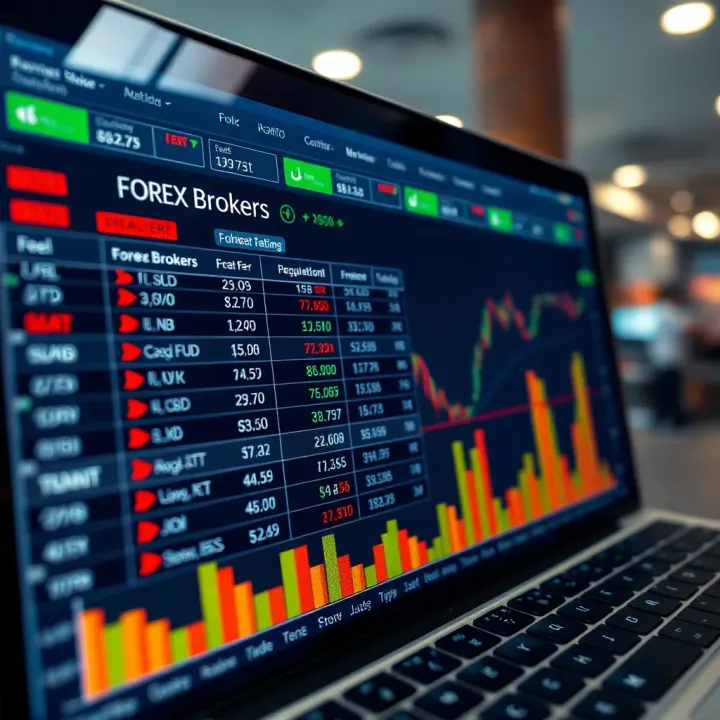
Find the ideal forex broker in Pakistan 🇵🇰 by considering regulation, fees, platforms, and support. Stay safe while trading and avoid common mistakes! 💹

🔍 Discover how to pick top Forex brokers in Pakistan! Learn about regulations, fees, platforms & tips for safe trading to boost your Forex success.
📱 Looking for the best forex trading app in Pakistan? Explore security, usability, regulatory checks, and fees to make smarter trading decisions! 💹
Based on 13 reviews