
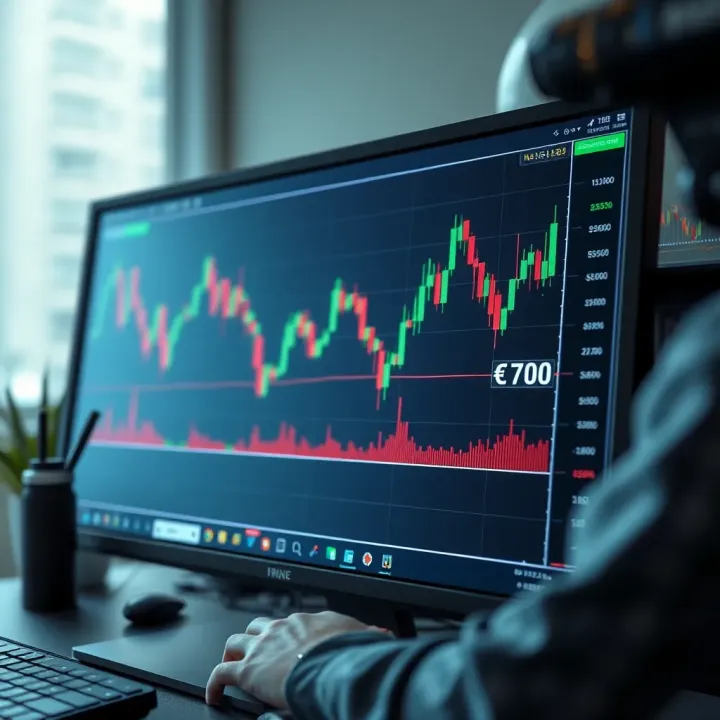
Understanding Forex Trading Simulators in Pakistan
Explore how forex trading simulators give Pakistani traders a chance to sharpen skills and trade confidently without risking PKR. Learn top tools & tips 📈💹
Edited By
Amelia Scott
News events play a major role in shaping forex market movements, especially for Pakistani traders who track currency pairs like USD/PKR and EUR/PKR closely. These events create volatility as they affect the supply and demand for currencies in real time.
Forex markets respond most strongly to key economic indicators such as inflation rates, interest rate decisions by central banks like the State Bank of Pakistan (SBP), GDP growth figures, and employment data. For example, if Pakistan's inflation rises above the SBP’s target, traders may expect a hike in the policy rate, strengthening the rupee. Conversely, weak economic data often weakens the local currency due to concerns over growth.

Geopolitical developments also matter a lot. Political instability, tensions with neighbouring countries, or changes in trade policy can trigger sharp currency movements. In Pakistan’s context, elections, policy reforms, or any disruption in CPEC projects often impact market confidence and currency flows. Forex traders monitor such news closely to adjust their positions.
News influences not only price moves but trader psychology, which can lead to herd behaviour and amplified market swings. Understanding the sentiment behind news is as crucial as the news itself.
Pakistani forex traders rely on both local and global news because international events such as US Federal Reserve announcements or oil price fluctuations often ripple through emerging market currencies including the rupee. Watching economic calendars and news feeds from credible sources helps them anticipate volatile sessions and opportunities.
Track SBP monetary policy updates and Pakistan’s macroeconomic data releases regularly.
Keep an eye on regional political news and diplomatic developments.
Use economic calendars tailored for Pakistani markets.
Combine technical analysis with news to gauge market reactions more precisely.
By integrating news analysis with strong risk management, forex traders in Pakistan can improve their decision-making and better navigate unpredictable market moves.
News plays a vital role in shaping the forex market’s daily movements. For anyone trading currency pairs, especially those involving the Pakistani Rupee (PKR), understanding how different types of news impact prices can offer a real edge. Market dynamics shift almost instantly when important information hits, affecting trader decisions and currency valuations.
Economic data releases provide concrete insights into a country’s economic health. Reports like inflation rates, GDP growth, unemployment figures, and trade balances help traders assess a currency’s strength. For example, a higher inflation reading in Pakistan might prompt the State Bank of Pakistan to consider interest rate adjustments, which can boost the PKR’s value. Conversely, weak GDP growth figures from Pakistan could trigger selling pressure on the rupee.
Traders keenly watch such economic indicators because they offer quantifiable evidence about economic conditions, directly influencing forex prices. Being prepared for these releases helps traders adjust positions and hedge risks efficiently.
Geopolitical developments—including elections, diplomatic tensions, or conflict—can unsettle forex markets quickly. In Pakistan’s context, announcements of political instability or changes in government policies often lead to volatility in the PKR/USD or PKR/EUR pairs. For instance, tensions along the border or changes in diplomatic relations with key trading partners usually impact trader confidence, causing sharp moves.
These events are less predictable than economic data but can cause abrupt shifts that form critical opportunities or risks for forex traders.
Central banks wield immense influence over forex markets through their policy decisions and statements. Announcements by the State Bank of Pakistan regarding interest rate changes or liquidity provisions often trigger immediate reactions in the PKR exchange rate. For example, a hike in the policy rate typically strengthens the rupee by attracting foreign investment, while a cut might weaken it.
Besides the numerical decisions, the language used in central bank speeches or press releases can signal future moves, prompting traders to adjust their strategies quickly.
Forex markets don’t wait for actual data—they often price in expectations days or weeks ahead. When news deviates from these expectations, traders act swiftly to correct positions. For instance, if the inflation rate in Pakistan surprises markets by rising more than forecasted, traders may rush to buy PKR on hopes of a rate hike, causing rapid appreciation.
Understanding the consensus or “market whisper” is crucial for anticipating such swift moves and avoiding being caught unprepared.
Trader psychology plays a huge part in how forex markets respond to news. If positive news about Pakistan’s economy spreads, it might trigger herd behaviour where many traders buy PKR simultaneously, amplifying its strength. Conversely, fear or uncertainty can lead to rapid sell-offs.
This collective sentiment can magnify price swings beyond what fundamentals justify, so recognising sentiment shifts can help traders time entries and exits better.
News releases often coincide with bursts of higher liquidity and volatility. Major news events attract more traders, increasing market depth but also causing bigger price swings. During such times, spreads may widen, and slippage can occur, affecting execution quality.
For example, during the announcements of State Bank of Pakistan’s monetary policy, Pakistan forex pairs experience heightened volatility. Traders must adjust risk management tools like stop losses and trade sizes to navigate these changes successfully.
Keeping an eye on how news affects liquidity and volatility helps you avoid nasty surprises and spot profit opportunities in forex trading.
By understanding these aspects of news impact on forex market dynamics, traders in Pakistan can make better-informed decisions and adapt their strategies to fast-changing conditions.
Economic indicators serve as a compass for traders, showing the health of a country’s economy and influencing currency values. For traders interested in the Pakistani Rupee (PKR), understanding these indicators helps anticipate market swings and make informed decisions. These figures signal the potential direction of the PKR against other currencies, particularly greenback pairs.
Inflation and Consumer Price Index (CPI)
Inflation measures how quickly prices are rising for everyday goods and services, and the Consumer Price Index (CPI) tracks this change over time. When inflation rises sharply in Pakistan, the purchasing power of the PKR often drops, leading to depreciation in forex markets. For example, a CPI report released by the Pakistan Bureau of Statistics showing a 10% inflation rate usually triggers a sell-off of PKR as traders expect the currency to weaken.
Monitoring CPI helps traders prepare for possible volatility. If inflation exceeds the State Bank of Pakistan’s (SBP) target range, the central bank may intervene by adjusting interest rates, affecting currency flows directly.
Interest Rate Decisions by State Bank of Pakistan
The SBP's interest rate decisions are central to forex trading strategies around PKR pairs. Higher interest rates generally attract foreign investors seeking better returns, boosting demand for the PKR. Conversely, a rate cut can lead to capital outflows and currency depreciation.
For instance, if SBP raises the policy rate from 9% to 10.5%, traders will likely see a stronger PKR due to increased foreign investment inflow. This shift often follows inflation reports or global economic pressures. Therefore, watching SBP announcements closely around their scheduled meetings is vital for timing trades.
Trade Balance and Current Account Data
Pakistan’s trade balance—the difference between exports and imports—directly impacts the PKR’s value. A trade deficit means Pakistan is importing more than it exports, raising demand for foreign currency, thus weakening the PKR. On the other hand, a surplus strengthens the currency by increasing export earnings.
Similarly, current account data include income from abroad, remittances, and investment flows. For example, a surge in remittances from overseas Pakistanis often supports the PKR's stability. Traders watch quarterly reports from the State Bank and Pakistan Bureau of Statistics to gauge these trends, often using them to predict medium-term currency moves.
US Dollar Strength and Federal Reserve Policies
Since the PKR is often compared against the US Dollar (USD), shifts in USD strength have a cascading effect. When the US Federal Reserve hikes interest rates, it generally strengthens the dollar worldwide. This makes PKR pairs like USD/PKR prone to rise, indicating a weaker PKR.
For instance, during a Fed rate hike cycle, foreign investors may pull money out of emerging markets, including Pakistan, seeking safer returns. This adds pressure on the PKR. Thus, local traders keep a close eye on Federal Reserve announcements and the US economic outlook.
Crude Oil Prices and Their Effect on PKR
Pakistan is a net importer of crude oil, so fluctuations in global oil prices influence the country’s import bill significantly. Higher oil prices increase Pakistan’s import costs, worsening the trade deficit and weakening the PKR.
For example, if crude prices surge by 20%, Pakistan may require more dollars to pay for oil imports, leading to greater demand for USD and downward pressure on the PKR. Oil price reports from OPEC and international markets are vital signals for traders focusing on PKR currency pairs.
Political Stability in the Region
Political events can swiftly alter investor confidence and impact exchange rates. Stability in Pakistan and neighbouring countries encourages foreign investment and supports the PKR. Political turmoil or conflict risks capital flight and sharp depreciation of the rupee.
A case in point is election periods or diplomatic tensions with India, which typically lead to increased PKR volatility. Traders watch news about government stability, policy direction, and regional peace efforts to anticipate currency reactions.
Economic indicators and regional factors together create a complex web affecting PKR rates. Staying updated enables traders to navigate forex markets with greater confidence and precision.
Using news effectively in forex trading isn’t just about reacting quickly; it’s about understanding the story behind the numbers and events, knowing which pieces of news affect your currency pairs, and planning your trades accordingly. In Pakistan, where economic indicators and geopolitical shifts often cause sharp currency movements, combining news analysis with proven strategies can lead to smarter, more informed trades.
Interpreting Economic Reports is key for forex traders because such reports indicate the health of an economy. For instance, when Pakistan's Consumer Price Index (CPI) shows a sudden rise in inflation, traders might expect the State Bank of Pakistan (SBP) to increase interest rates, which usually supports the Pakistani Rupee (PKR). Understanding these connections helps traders anticipate currency moves rather than just responding to price changes. Watching releases like inflation data, unemployment rates, or trade balances provide clues about economic strength and future central bank moves.
Assessing Central Bank Statements requires attention to the tone and details beyond headline interest rate decisions. The SBP’s announcements often include hints about future monetary policy, economic challenges, or external pressures like the US dollar strength. For example, if the SBP warns about rising inflation or weak exports, traders might expect PKR depreciation even if rates hold steady. Reading between the lines of these statements allows traders to position themselves well ahead of actual policy changes.
Evaluating Geopolitical Developments is essential since political stability heavily affects forex markets in Pakistan. Sudden political upheavals, security concerns, or international relations impacts can cause volatility. For example, any news about trade negotiations or foreign aid packages can swiftly influence the PKR's strength. Traders should keep an eye on local and regional developments alongside global forces like US-China tensions, which can indirectly sway investor confidence.
Confirming Price Patterns with News Events means validating technical signals by checking for supporting news. For example, a breakout above resistance on the USD/PKR chart gains more reliability if it coincides with a positive economic report. This dual confirmation helps avoid fake moves and strengthens traders’ confidence in their entries.
Managing Stop Losses During News Releases is vital because news spikes often cause wider price swings and slippage. Traders should either widen stop loss limits temporarily or avoid tight stops during major news like SBP rate announcements to prevent getting stopped out prematurely. Alternatively, placing stop losses based on volatility analysis rather than fixed points helps protect capital without cutting trades short unnecessarily.
Avoiding False Breakouts involves being cautious about initial price moves after news releases, which can quickly reverse. For instance, the PKR might suddenly strengthen after a trade surplus announcement but then pull back as market participants digest full details. Waiting for a candle close or a retest of breakout levels helps avoid losses from these temporary price jolts.
Using news smartly in forex means blending it with technical signals and risk management. This combination gives Pakistani traders an edge in a market that shifts fast based on local and global information.
Trading forex around major news events comes with heightened risks mainly due to increased market volatility. Sudden news can cause sharp price movements, which often lead to wider spreads and slippage. Understanding these challenges helps traders protect their capital and make informed decisions.
Spreads—the difference between the bid and ask prices—usually widen sharply during news releases. This widening makes entering and exiting trades more expensive, especially for retail traders with small margins. Slippage occurs when orders are filled at prices worse than expected, which is common in fast-moving markets like during State Bank of Pakistan’s interest rate decisions or key US economic data. For instance, a trader expecting to buy Rs/USD at 280 may instead get filled at 281 due to a sudden sprint triggered by news, impacting profits negatively.
News-driven volatility also complicates timing. Jumping in immediately after a headline can backfire, as markets often overshoot their initial reaction before settling. A smarter approach is waiting for price stabilisation after the surge or confirming signals from technical patterns. For example, Pakistani traders following the Pakistan Bureau of Statistics inflation report might wait for a clear reversal signal before placing trades rather than rushing straight away.
Limit orders can help lock in entry prices even when spreads widen, but they risk not getting executed if the market moves too fast. Stop losses are crucial to prevent large losses when slippage occurs, but traders must place them carefully to avoid being prematurely stopped out on noise. During volatile times, using wider stops or trailing stops aligned with market conditions reduces the chance of unnecessary exit while still managing risk.
Strong discipline is vital. Traders should prepare strategies in advance for scheduled news releases and avoid impulsive moves. Sticking to pre-defined risk limits and trade sizes guards against emotional overtrading. For example, deciding whether to trade or stay out during the SBP monetary policy announcement itself prevents on-the-spot confusion.
News can trigger fear or greed, pushing traders towards poor choices. Developing emotional control helps in reacting objectively to price action rather than panic-selling or chasing losses. Rational decisions typically yield better long-term results in forex trading, especially in nerves-testing scenarios like volatile oil price announcements affecting PKR.
Reviewing previous trades around news releases helps traders understand their weaknesses and improve strategies. Keeping a trading journal with notes on timing, entry-exit decisions, and emotions experienced enables gradual skill enhancement. Over time, this self-awareness turns news events from hazards into trading opportunities.
Managing risks around news requires combining technical tools with emotional readiness. Those prepared best recover from shocks and capitalise on shifts effectively.
Reliable news sources are the backbone of successful forex trading, especially for those dealing with currency pairs involving the Pakistani Rupee (PKR). In forex, timely and accurate information can mean the difference between profit and loss. Traders need to trust the data they receive because false or delayed news could lead to poor decisions and costly mistakes. Staying updated through credible sources helps you anticipate market moves and adjust strategies accordingly.
The State Bank of Pakistan (SBP) regularly publishes monetary policy statements, inflation reports, and economic surveys that directly influence PKR exchange rates. For example, an interest rate decision by SBP can cause immediate volatility in forex pairs like USD/PKR or EUR/PKR. Traders who monitor these releases closely can better time their entries and exits. SBP’s website and official announcements remain the most trusted sources for insights into Pakistan’s monetary measures.
The Pakistan Bureau of Statistics (PBS) provides critical economic data such as GDP growth rates, inflation figures, and trade balance statistics. These numbers give traders a broader picture of the country's economic health. For instance, if the trade deficit widens significantly, it might weaken the PKR as more foreign currency leaves the country. Keeping a tab on PBS reports helps traders assess the fundamental factors driving PKR movements.
Pakistani financial dailies like Business Recorder, The Express Tribune Business, and websites such as Profit by Pakistan Today offer timely updates and expert analysis on economic events and forex markets. These outlets often explain complex news in simpler terms and alert traders to upcoming events. They can also spotlight regional political developments or policy changes that may not be immediately obvious from raw data.
Global news agencies like Reuters, Bloomberg, and CNBC provide a steady stream of economic, geopolitical, and market news that impacts all forex markets, including PKR pairs. Their coverage includes Federal Reserve announcements, international trade disputes, and commodity price shifts such as crude oil, which is vital for Pakistan’s economy. Keeping an eye on these agencies helps traders understand broader forces affecting forex beyond local boundaries.
Economic calendars list upcoming data releases and events with specific times, allowing traders to plan trades around high-impact news. For example, a Federal Reserve interest rate decision or Pakistan’s inflation report timing is crucial to decide when to open or close positions. Using a reliable economic calendar helps avoid surprises and manage risk effectively during volatile periods.
Many forex brokers in Pakistan offer real-time news feeds, expert commentaries, and technical analysis tools integrated into their trading platforms. These features provide immediate access to market-moving news and technical signals without switching between websites. Brokers like IG, Saxo Bank, and local authorised dealers often offer proprietary tools that can give traders an edge in reacting faster to news.
Without trustworthy news sources, trading forex, particularly in volatile markets like the PKR, becomes a guessing game. Use a mixture of local reports, international feeds, and broker resources to stay ahead and trade smartly.
Explore how forex trading simulators give Pakistani traders a chance to sharpen skills and trade confidently without risking PKR. Learn top tools & tips 📈💹
Learn forex trading in Pakistan 🇵🇰 with a practical guide on market basics, reliable platforms, risk management, key strategies, and tips for successful trading 📈
Find the best forex trading platform for Pakistani traders 🇵🇰. Explore key features, security, costs, and support to match your trading style with ease 💹.
📱 Find the best forex trading app in Pakistan with our guide! Learn about top apps, key features, regulations, and safe trading tips to boost your skills. 🇵🇰
Based on 11 reviews