
Best Trading Apps in Pakistan: A Practical Guide
📱 Discover the best trading apps in Pakistan! Compare top platforms, learn key features, understand local regulations, and get tips for trading success.
Edited By
Isabella Wright
Forex trading is gaining traction among Pakistani investors looking to diversify their portfolios and tap into the global currency market. At its core, forex trading involves buying and selling currencies to profit from fluctuations in exchange rates. Unlike stocks or commodities, forex operates 24 hours a day during weekdays, offering flexibility but also demanding vigilance.
Understanding basics such as currency pairs (like USD/PKR or EUR/USD), pips, and lot sizes is essential. For example, when the USD/PKR rate moves from 285.50 to 285.60, that 0.10 change is referred to as 10 pips. This fundamental knowledge helps traders gauge market movements and calculate potential gains or losses.
Pakistani traders face specific challenges, including regulatory restrictions and limited access to some international brokers. The State Bank of Pakistan (SBP) regulates currency dealings within Pakistan, so traders should ensure any platform they choose complies with local rules to avoid legal issues. Many prefer using PTA-approved platforms for seamless transactions.
Equipped with the right tools, such as a reliable trading platform, strong internet connection, and access to real-time market data, beginners can enter the market confidently. A popular choice in Pakistan includes MetaTrader 4 and 5, well-known for ease of use and charting features.
Remember, successful forex trading demands discipline and continuous learning. No matter your initial capital, understanding the market flow and managing risk helps prevent significant losses.
To get started effectively:
Familiarise yourself with key terms and concepts
Open a demo account to practice without risk
Research and select regulated brokers operating in Pakistan
Develop a solid trading plan with clear entry and exit points
Taking these steps lays a strong foundation for those keen on forex trading in Pakistan, helping you navigate this fast-moving market with greater confidence and less guesswork.
Understanding the basics of forex trading is essential for anyone looking to enter this fast-moving market. In Pakistan, where economic conditions and currency fluctuations impact daily life, knowing how forex works can help traders and investors make informed decisions and manage risks better. This section lays the foundation, explaining key concepts and how they relate to practical trading.
The foreign exchange market, or forex, is where currencies are bought and sold. Unlike the stock market, forex operates 24 hours a day across global financial centres such as London, New York, and Tokyo. This continuous market allows traders in Pakistan to participate almost round the clock, adjusting quickly to changing economic conditions.
Currencies trade in pairs, for example, USD/PKR or EUR/USD. You don’t buy a currency on its own; instead, you buy one currency while selling another. This means every trade involves two currencies, reflecting how much one is worth in terms of the other.
Forex trading holds significant importance for Pakistan. Besides retail traders, businesses dealing in imports, exports, and remittances closely watch forex rates because currency swings affect costs and profits. For instance, a sudden depreciation of the rupee can increase import costs, impacting everything from petrol prices to electronics.
Currency pairs are the building blocks of forex trading. The first currency is called the base, and the second is the quote. For example, in USD/PKR, the USD is the base, and the PKR is the quote. The pair shows how much PKR is needed to buy one USD. Understanding these pairs helps traders speculate on currency value changes and hedge against risks.
Every forex pair has two prices: the bid and ask. The bid price is what buyers are willing to pay, while the ask price is what sellers ask for. The difference between these is the spread, which affects trading costs. For example, if USD/PKR bid is Rs 280 and ask is Rs 282, the Rs 2 difference is the cost you pay to enter a trade.
Liquidity plays a big role in forex. It refers to how easily you can buy or sell a currency without causing big price moves. Major pairs like USD/EUR or USD/PKR have high liquidity, making them attractive for Pakistani traders due to smoother transactions and narrower spreads.
Market hours also matter. Pakistan Standard Time (PKT) aligns partly with the London market and overlaps with Asian sessions. This timing means traders here have opportunities to catch key market moves during local day hours rather than odd times, though care is needed during low liquidity hours to avoid price gaps and volatility.
Forex trading offers Pakistanis a way to engage with global finance, manage currency risks, or seek profit through careful speculation, but understanding these basic elements is the first step to navigating the market confidently.
Grasping fundamental concepts forms the backbone of successful forex trading, especially for traders in Pakistan. Understanding currency pairs, leverage, and analytical methods helps you spot opportunities and manage risks better. This section covers essential ideas that traders need before hitting the market.
Currency pairs fall into two main categories: major and minor pairs. Major pairs always include the US dollar (USD) and represent the most traded currencies worldwide, like USD/EUR and USD/JPY. Minor pairs exclude the USD but involve other significant currencies, such as EUR/GBP or AUD/NZD. Pakistani traders mostly focus on majors and some minors, as they offer better liquidity and tighter spreads.
The base and quote currency explain the pair’s price structure. The base currency comes first and is the currency you’re buying or selling. The quote currency follows and represents how much of that currency you need to buy one unit of the base. For example, in USD/PKR, USD is the base, and PKR is the quote. If USD/PKR quotes 280, it means 1 USD buys 280 Pakistani rupees. Knowing this helps you understand profit or loss directly in familiar currency terms.
Reading price movements involves tracking changes in currency pair rates over time. A rising price means the base currency is gaining strength versus the quote. For instance, if USD/PKR moves from 270 to 280, the dollar has appreciated against the rupee. By following these shifts, you can decide when to enter or exit trades based on your market outlook.
Leverage lets you control a large position with a smaller amount of money. Suppose you have Rs 50,000 but trade with 1:100 leverage; this means you can enter trades worth Rs 5 million. While leverage can boost profits, it also increases the risk of significant losses. Pakistani traders need to use leverage carefully because the market can move fast.
Margin is the money you must keep in your trading account to open or hold a position. It’s like a security deposit. Pakistani brokers often set margin requirements depending on the currency pair and leverage used. For example, a 1% margin means you need Rs 50,000 to control Rs 5 million. You must ensure your account always meets margin levels to avoid forced liquidation.
Spread represents the cost of trading; it’s the difference between the bid (selling) and ask (buying) price of a currency pair. Lower spreads mean lower transaction costs. For Pakistani traders, choosing brokers offering tight spreads, especially on popular pairs like USD/PKR, can improve trading profitability.
Technical analysis uses charts and indicators to predict price movements by studying past data. Common tools include moving averages, RSI (Relative Strength Index), and support/resistance levels. Pakistani traders widely apply technical analysis due to easy access to trading software like MetaTrader 4 or 5.
Fundamental analysis evaluates economic factors affecting currencies, such as inflation, interest rates, and political developments. For instance, if the State Bank of Pakistan raises interest rates, the PKR typically strengthens. Tracking such news helps traders anticipate currency trends more holistically.
Combining both methods works best. Technical analysis can suggest precise entry and exit points, while fundamental analysis provides context for why prices move. For example, if economic data points to rupee depreciation, technical signals might confirm the trend, building trader confidence to act.
Understanding these core concepts allows you to approach forex trading in Pakistan with a clearer, informed mindset, reducing guesswork and improving decision-making consistently.
Starting forex trading in Pakistan requires clear understanding of local market conditions and practical steps to enter this fast-moving market confidently. Setting up properly from the get-go helps avoid costly mistakes, especially given Pakistan's unique currency challenges and regulatory environment.
Choosing the right broker is the first crucial step. Look beyond low spreads and flashy ads; check for a broker's reputation among Pakistani traders, ease of deposit and withdrawal in PKR, and customer support responsiveness. For example, brokers offering partnership with Pakistani banks or popular payment methods like JazzCash and Easypaisa simplify transactions.
Additionally, confirm the broker's trading conditions: leverage options suited for Pakistani traders (typically capped by local regulations), transparent fee structure, and execution speed. It's wise to pick brokers that allow low minimum deposits, so you can start small and grow gradually.
MetaTrader 4 (MT4) and MetaTrader 5 (MT5) remain popular due to their simplicity and wide broker support. They give Pakistani traders access to crucial forex tools like real-time charts and technical indicators. For mobile users, platforms such as TradingView or brokers' proprietary apps offer on-the-go access.
Platforms that support Urdu or provide educational resources tailored to Pakistani markets give an added advantage. For instance, many new traders prefer platforms with integrated tutorials and local customer service, making the learning curve easier.
Verify the broker's regulatory licences, preferably from recognised bodies like the Financial Conduct Authority (FCA) or Cyprus Securities and Exchange Commission (CySEC). While Pakistan's own Securities and Exchange Commission of Pakistan (SECP) currently doesn't regulate forex brokers directly, choosing licensed brokers ensures funds protection.
Avoid unregulated operators promising unrealistic returns. A secure broker uses encryption for data protection and keeps client funds in segregated accounts. Pakistani traders should only use brokers with clear terms of service and accessible customer support to resolve disputes swiftly.
Most brokers offer several account types: standard, mini, and micro accounts. Beginners in Pakistan often start with micro accounts allowing small trades and lower risk exposure. Choosing an account in USD is common, but some brokers now offer accounts denominated in PKR, which helps avoid conversion fees.
Understand the minimum deposit, spreads, and swap charges associated with each account type. For example, an account with variable spread might save you costs during active market hours but could increase fees in quieter times.
Opening an account requires identity verification to comply with international Anti-Money Laundering (AML) rules. Pakistani traders will need to submit a scanned copy of their Computerised National Identity Card (CNIC) along with proof of address and sometimes bank statements.
This process usually takes 24–72 hours, depending on the broker. Keeping your documents ready means you can start trading sooner. Failure to complete verification can delay withdrawals or even block accounts.
Depositing funds is often challenging due to PKR's limited convertibility. Many Pakistani brokers and international ones accept bank transfers, credit cards, or locally popular mobile wallets like JazzCash and Easypaisa.
When using international brokers, funds in PKR will convert to the trading account currency (usually USD), which involves exchange rates and possible fees. Choose brokers that offer transparent rates and low-cost deposit methods to avoid unnecessary losses.
Setting up your trading account carefully, with attention to local PKR options and broker reliability, lays a sturdy foundation for successful forex trading in Pakistan.
By carefully selecting a broker and understanding account setup, you avoid common pitfalls and position yourself for steady growth in forex trading. These early steps might seem small but have a lasting impact on your trading journey.
Mastering effective trading strategies and solid risk management is the backbone of long-term success in forex trading, especially for Pakistani traders navigating a market full of volatility and unpredictable movements. Without a clear plan and understanding of risk limits, even skilled traders can face heavy losses. Applied wisely, these strategies help you stay disciplined, manage your capital well, and avoid emotional decisions that often lead to mistakes.
Setting realistic goals is about defining what you want to achieve from forex trading, be it steady monthly income or learning to read charts effectively. If you dream of doubling your Rs 50,000 trading capital every month, you’re setting yourself up for disappointment and risky behaviour. Instead, aim for modest, achievable targets like 5-10% growth per month to keep expectations grounded and avoid reckless trades.
Choosing suitable timeframes depends on your daily routine and trading style. If you can watch the market during office hours in Karachi or Lahore, shorter timeframes like 15 minutes or 1 hour may suit you well. For others juggling job and family, daily or 4-hour charts help capture bigger trends without constant monitoring. Picking timeframes that fit your lifestyle helps prevent rash decisions and supports consistent trading.
Record keeping and reviewing trades is essential but often overlooked. Maintain a trading journal logging entry and exit points, reasons for trades, profits or losses, and emotional state. Reviewing your journal weekly or monthly reveals patterns, such as repeatedly entering trades on hunches or exiting too early. This habit sharpens your strategies and builds discipline, critical in the unpredictable forex market.
Trend following and breakout strategies rely on catching momentum when price moves consistently upwards or downwards. For example, if the USD/PKR pair breaks above a resistance level repeatedly, a trader using breakout strategy might buy, expecting further rise. This approach works well when markets show clear direction but can falter in choppy conditions common during news releases or geopolitical tensions affecting the rupee.
Scalping basics focus on quick, small profits from tiny price movements. Scalpers in Pakistan usually trade major pairs like EUR/USD or GBP/USD during London or New York sessions because of high liquidity and tighter spreads. Since trades last seconds or minutes, scalp traders need sharp focus and reliable platforms to execute buy/sell orders instantly. While potentially profitable, scalping requires discipline and comes with high transaction costs.
Using stop-loss and take-profit orders protects your capital and locks in gains automatically. For instance, setting a stop-loss at 50 pips below your entry limits losses if the market goes against you. A take-profit order at a reasonable target like 100 pips helps secure profits without watching the screen constantly. These tools are critical in Pakistan’s forex environment, where sudden political or economic news can trigger swift moves.
Position sizing means deciding how much of your capital to risk on each trade. Many traders lose big by risking 10-20% of their account on one trade. A wiser rule is to risk 1-2% per trade so a few bad trades don’t wipe you out. For example, with a Rs 100,000 account, risking Rs 1,000 to Rs 2,000 per trade keeps you in the game longer and lets you learn from mistakes.
Avoiding over-leveraging is crucial because high leverage magnifies both profits and losses. Pakistani traders often get tempted by offers up to 1:500 leverage, but this can blow up your account within hours. Realistic leverage of 1:10 to 1:50 balances potential returns and risk, letting you control positions sensibly without gambling.
Understanding market volatility and news impact prepares you for sudden price swings. Events like SBP announcements, rupee devaluation, or unexpected loadshedding can cause sharp moves. Knowing the economic calendar and avoiding trading during high-impact news can save you from large losses. Alternatively, some traders use these events to their advantage, but only with strict risk limits and experience.
Consistently applying effective strategies with solid risk rules helps Pakistani forex traders protect capital and improve chances of profitable trades over time.
Success in forex demands more than knowing market basics—it requires planning, practical strategies, and managing risks with discipline. This foundation keeps you steady amid the market’s ups and downs, paving the way for growth and confidence in your trading journey.
Continuous learning is vital in forex trading, especially for Pakistani traders facing a dynamic market with fluctuating economic factors and currency movements. Using credible resources and effective tools not only sharpens your trading skills but also boosts confidence. This section explains practical resources and learning tools that can help you keep improving.
Books and online tutorials offer convenient ways to grasp forex basics and advanced topics. Books like Currency Trading for Dummies or Forex for Ambitious Beginners provide clear explanations suited for any level. Online tutorials, often available on platforms like YouTube or specialised forex education sites, allow learners to study at their own pace. These materials cover subjects ranging from understanding charts to executing trades, which are essential steps for Pakistani beginners who want a strong foundation before risking real money.
Local and international forex courses provide structured learning with expert guidance. In Pakistan, many institutes in Karachi, Lahore, and Islamabad conduct forex training sessions tailored to local market conditions. These courses often offer real-time market analysis, case studies, and practical assignments. Additionally, international online courses by reputable sources like Babypips or Forex Academy bring global perspectives and trading strategies that Pakistani traders can adapt. Considering cost and credentials when choosing courses is key to ensure value for money.
Webinars and seminars relevant to Pakistan keep traders updated with the latest market trends and policy changes affecting the PKR and regional currencies. Financial experts, brokers, and experienced traders regularly host these events in major cities or online. For instance, seminars discussing the impact of SBP interest rate decisions or FBR tax regulations on forex trading prove valuable. Joining such events broadens your understanding of how local economic events influence forex markets.
Demo accounts are essential tools allowing you to practice trading in a risk-free environment. Pakistani brokers like FXTM or Exness offer demo accounts with virtual funds, letting you test strategies without financial pressure. Regular use of demo accounts helps you familiarise with platform features, order types, and price movements before going live.
Simulations to test strategies give traders a chance to evaluate different approaches based on historical data and live market conditions. By simulating trades, you get feedback on what works and what doesn’t, helping you refine your risk management and timing. For example, practising a scalping strategy during volatile PKR/USD sessions is possible without real losses.
Transitioning from demo to live trading requires discipline and a clear plan. It’s common to feel overconfident after success in simulations; however, real money involves emotional pressure. Start with small trade sizes, keep strict stop-loss orders, and gradually increase exposure as you gain experience. This step demands patience and realistic expectations to avoid early setbacks.
Peer interaction provides insights beyond textbooks and courses. Discussing ideas, sharing mistakes, and learning from others’ experiences create a supportive environment that helps you grow. Active participation sharpens your analytical skills and keeps you motivated.
Popular Pakistani forex groups and forums like those on Facebook or WhatsApp bring together local traders who exchange tips, news, and broker reviews. These platforms help you stay connected to what’s happening in Pakistan’s unique forex trading scene, including challenges like PKR volatility and local regulations.
Staying updated with market news and analysis is non-negotiable for effective trading. Following reliable Pakistani financial news outlets and analysis platforms ensures you know about important announcements, like SBP policy changes or geopolitical developments that impact currency values. This proactive approach helps you react quickly and adjust your trading strategy accordingly.
The key to sustained success in forex trading lies in continuous learning, practical experience, and staying connected with the trading community. Using the right resources and tools turns challenges into opportunities, especially for Pakistani traders navigating a fast-changing market.
📱 Discover the best trading apps in Pakistan! Compare top platforms, learn key features, understand local regulations, and get tips for trading success.
Explore top trading apps 🌐 designed for reliability and user-friendliness! Get key tips to pick the best platform for investors in Pakistan 🇵🇰.
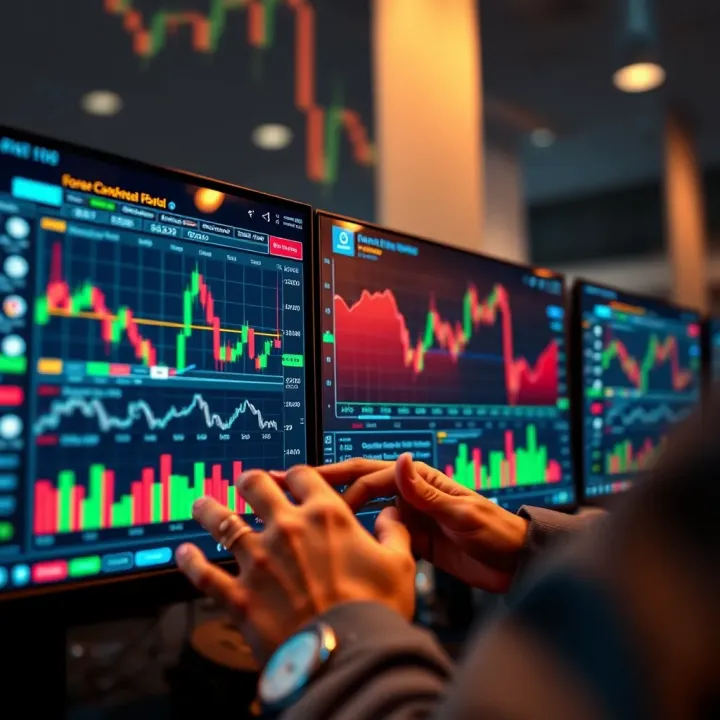
Find the best forex trading platform for Pakistani traders 🇵🇰. Explore key features, security, costs, and support to match your trading style with ease 💹.
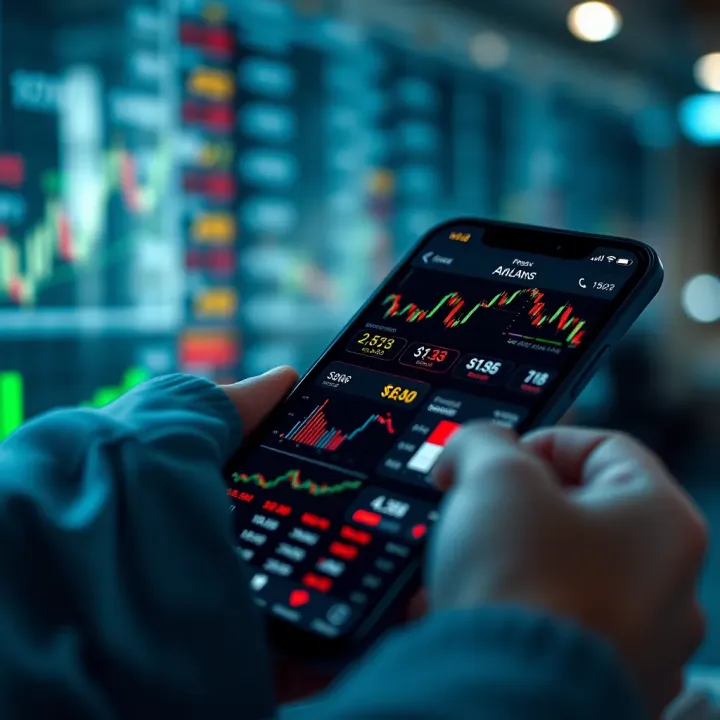
📱 Find the best forex trading app in Pakistan with our guide! Learn about top apps, key features, regulations, and safe trading tips to boost your skills. 🇵🇰
Based on 12 reviews