
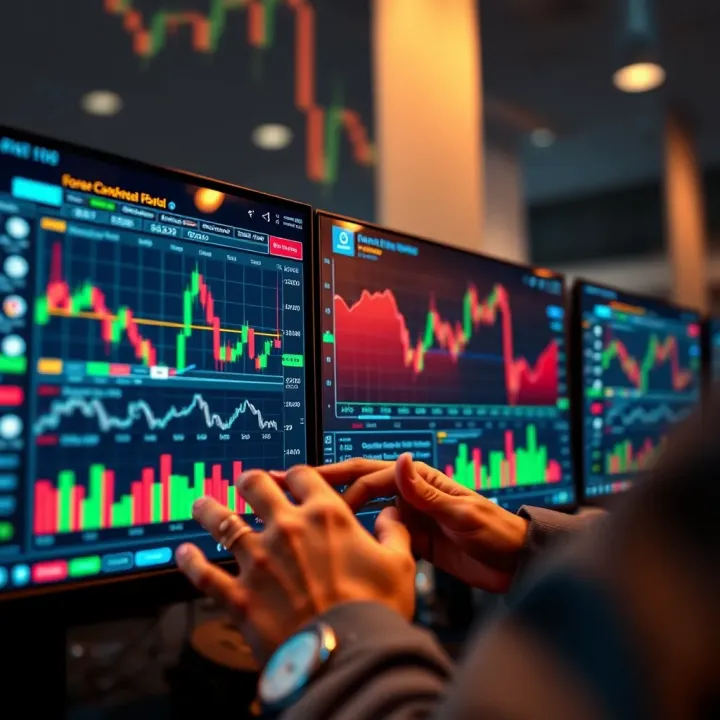
Best Forex Trading Platforms for Pakistani Traders
Find the best forex trading platform for Pakistani traders 🇵🇰. Explore key features, security, costs, and support to match your trading style with ease 💹.
Edited By
Daniel Hughes
Forex trading has caught the attention of many Pakistanis looking to diversify income or build financial skills. However, the challenge lies in finding reliable and practical Urdu resources tailored to the local market. Beginners often struggle with jargon-heavy English materials that don’t address Pakistan's specific legal and trading environment.
Fortunately, there are several Urdu forex trading books available for download that focus on essential topics like market analysis, risk management, and broker selection, designed with Pakistani traders in mind. These books break down complex strategies into clear, actionable steps so you can better understand currency pairs, leverage, and trading platforms.

Understanding forex basics and terminology
Identifying trading opportunities based on charts and patterns
Managing risk to protect your capital
Regulations relevant to Pakistan, including Forex’s legal status and requirements by the State Bank of Pakistan (SBP)
Selecting trustworthy brokers registered with the Pakistan Telecommunication Authority (PTA) and SECP
Using Pakistani platforms like JazzCash or Easypaisa for account funding
Learning forex trading through local language materials reduces confusion and helps you avoid common pitfalls many newcomers face, especially around regulatory compliance and broker scams.
To get started, look for eBooks from reputable Pakistani financial educators or institutions offering Urdu guides with practical examples. Downloading these resources and studying them carefully equips you to enter the forex market with confidence.
By understanding both market mechanics and local rules, you not only trade smarter but also protect yourself from illegal schemes or fraudulent agents.
Begin your forex trading journey today by investing time in Urdu books that speak directly to Pakistan's economic landscape and trading community.
Finding trustworthy forex trading books in Urdu is key for Pakistani traders who want to build solid foundations without wasting time on poor or misleading material. Reliable books not only explain concepts clearly but also offer practical advice tailored to our local market conditions. Knowing where to get these resources ensures you invest in knowledge that genuinely helps you trade smarter.
Pakistani educational websites often host forex trading guides translated or written originally in Urdu. These sites, affiliated with universities or recognised trading institutes, offer credible materials vetted by experts. For example, platforms linked with commerce departments or financial training centres provide books that cover basics as well as in-depth strategies relevant to Pakistan’s economic environment.
Forex trading forums and communities are active spaces where traders share links to books, discuss editions, and recommend trusted authors. Groups on social media or dedicated trading forums based in Pakistan are useful for detecting which books suit beginners versus advanced learners. Members often point out books that explain forex nuances using local currency examples and common broker terms used here.
Official broker and trading academy portals provide downloadable content for clients, including Urdu books. Brokers like FXTM Pakistan or academies such as the Pakistan Institute of Forex Trading add credibility by offering free ebooks or courses on their sites. These resources usually align well with actual trading platforms and law, helping traders bridge theory with practice immediately.
Verifying the author’s credibility prevents falling prey to uncertified writers or self-published guides lacking solid experience. Look for books authored by professionals with a track record in forex education or trading success within Pakistan or internationally. Checking authors' profiles or credentials saves you from unreliable content often circulating online.
Checking user reviews on reputable forums or platforms shows real feedback from fellow traders. Positive reviews suggesting clear explanations, practical tips, and updated editions indicate quality. Conversely, complaints about outdated data, unclear language, or superficial coverage signal you should look elsewhere.
Using official channels for downloads means sticking to authorised websites of educational institutions, respected brokers, or known Forex academies instead of random file-sharing sites. Official sources ensure you get the latest, legal version free from viruses or tampering, protecting both your device and learning experience.
When searching for Urdu forex books, prioritise quality over quantity. A few well-chosen trusted books will serve better than many unreliable ones.
By focusing on these trusted sources and careful evaluation, Pakistani traders can build a robust understanding of forex trading through Urdu materials that truly add value.
Forex trading Urdu books break down essential ideas that every trader must grasp before putting their money on the line. These concepts provide clarity about how the forex market operates, how to analyse price movements, and how to manage risks effectively. For Pakistani traders, understanding these basics in their own language makes these often complex topics more accessible and easier to apply.
Currency pairs and pips are the building blocks of forex trading. A currency pair like USD/PKR shows how much one US dollar costs in Pakistani rupees. Prices move in tiny steps called pips (usually the fourth decimal place in major pairs). For example, if USD/PKR moves from 280.00 to 280.10, that’s a 10-pip change. Knowing this helps traders measure profit or loss clearly.
Leverage and margin explained is another key part. Leverage lets you control a large trade with a small deposit — say, 50:1 leverage means putting down Rs 2,000 to trade Rs 100,000 worth currency. But leverage magnifies gains and losses both, so understanding how much margin your broker requires and how leverage impacts risk is vital. Without this, you might wipe out your account faster than expected.
Trading hours and market sessions guide you on when the market is most active. Forex runs 24 hours, five days a week, divided into sessions like London, New York, and Tokyo. Each session has different volatility and currency pairs that move more. For instance, USD/PKR might be more volatile during European and US sessions. Knowing when to trade saves you from chasing unnecessary movements or trading during low liquidity periods.
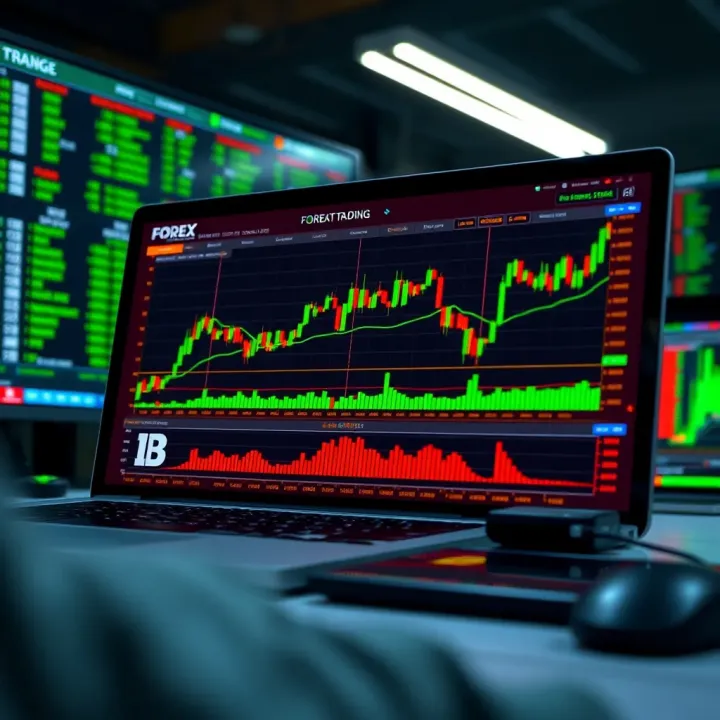
Reading charts and indicators teaches you how to spot trends and reversals. Urdu books introduce popular charts like candlestick charts and indicators like Moving Averages, RSI, and MACD. These tools help predict price directions based on historical data. For example, a trader may use RSI signals to avoid buying when a currency is overbought.
Economic news impact on currencies explains how events affect exchange rates. When Pakistan’s inflation data or US Federal Reserve policy decisions come out, forex rates react sharply. Urdu guides often emphasise learning the calendar of economic releases and interpreting headlines, so traders can avoid surprises or catch opportunities.
Risk management strategies are crucial for long-term success. These books cover setting stop-loss orders, limiting trade size, and diversifying trades. For example, risking only 1-2% of your capital on any trade helps preserve your account during losing streaks. Pakistani traders especially benefit from this approach due to the volatile forex environment.
Understanding these concepts in Urdu not only builds confidence but also helps bridge the gap between theory and practical trading in Pakistan’s unique market.
Using Urdu Forex books effectively requires a clear plan and active engagement with the material. This approach turns theoretical knowledge into practical skills that Pakistani traders can apply in real market conditions. Below are ways to make the most out of these resources, combining study methods with hands-on practice.
Start by setting achievable goals tailored to your experience level. For example, a beginner might aim to understand basic concepts like currency pairs and pips within two weeks, while an intermediate trader might focus on mastering technical indicators over a month. Clear goals prevent feeling overwhelmed and help maintain steady progress.
Simply reading chapters is not enough; pairing theory with practice is essential. For instance, after learning about leverage and margin, try to calculate margin requirements using sample data from Pakistani forex brokers. This connects textbook knowledge directly to the trading environment you will face.
Make a habit of noting down what you learn after each study session. Later, review these notes to reinforce understanding. Revisiting complex topics such as risk management strategies will strengthen your grasp and help avoid costly mistakes later.
Pakistan-based brokers like RupeeFX and Alpari offer demo accounts that allow you to trade without risking real money. Using these accounts helps familiarise you with trading platforms in a low-pressure setting, building confidence before investing actual funds.
Apply concepts from Urdu books by placing trades on demo accounts. For example, if you read about support and resistance levels, try to identify these on your demo charts and execute trades based on them. This practice deepens your understanding and sharpens decision-making.
After simulated trades, review what went right or wrong. If a trade failed due to poor timing or ignoring news events, note that and adjust your strategy accordingly. This reflection accelerates learning and discourages repeating errors when real money is involved.
Making Urdu forex books a living resource rather than just reading material turns you into a more thoughtful, prepared trader. Combining study with demo trading balances knowledge with practical skills needed in Pakistan's forex market.
The forex trading landscape in Pakistan comes with its distinctive challenges and opportunities. Urdu trading books often stress the importance of understanding the local legal framework, broker selection, and compliance requirements. Knowing the environment helps traders avoid pitfalls like unregulated platforms or scams common in the sector.
The State Bank of Pakistan (SBP) plays a key role in regulating currency exchange and ensuring that forex trading activities align with Pakistan’s monetary policies. While SBP does not officially allow forex speculation by individuals, it does regulate authorised dealers and banks that facilitate currency exchange. Urdu books emphasize that traders should be aware of these limits to avoid legal trouble.
SBP also issues periodic guidelines to curb money laundering and ensure safe forex dealings. For example, traders are encouraged to use formal banking channels for forex transactions to maintain transparency.
PTA oversees internet and telecommunication services in Pakistan, which directly affects how online forex platforms operate. Due to heavy monitoring of online transactions, the PTA blocks access to many unregistered or non-PTA-approved forex trading websites to protect consumers from fraud.
For practical trading, understanding PTA's role helps local traders choose platforms accessible in Pakistan, ensuring uninterrupted trading without running into blocked sites.
PTA-approved brokers meet certain safety and regulatory standards, reducing risks like sudden account freezes or withdrawal issues. Urdu forex books often highlight the benefits of checking the broker's PTA status—it assures the trader that the broker operates legitimately within Pakistan’s framework.
For instance, using a non-approved broker might lead to issues when transferring funds from PKR accounts, as PTA might restrict or block transactions.
Choosing between local and international brokers depends on factors like regulation, service quality, and payment options. Local brokers tend to be more familiar with Pakistani rules and offer PKR accounts directly, easing deposits and withdrawals.
International brokers may offer wider instruments and advanced tools but might lack direct PKR support, leading to currency conversion fees and delays. Urdu books recommend weighing these pros and cons carefully.
Having a PKR-denominated trading account simplifies currency management. It avoids constant conversions between PKR and USD or other currencies, saving on forex charges.
Pakistani traders benefit from brokers that accept local bank transfers, JazzCash, or Easypaisa for funding accounts. This is a practical feature often stressed in Urdu trading guides.
Good broker customer service and positive user reviews from fellow Pakistani traders are practical indicators of trustworthiness. Urdu books advise to research online reviews, social media feedback, and forums to spot brokers that respond promptly to queries and solve deposit or withdrawal issues efficiently.
Scenarios where a trader’s withdrawal gets delayed or queries remain unanswered are common red flags discussed in detail in these resources.
Choosing a reliable broker and knowing regulatory boundaries protects you from fraud and legal hassles, making your trading journey smoother in Pakistan.
Remember, forex books in Urdu not only teach strategies but also prepare traders for Pakistan’s unique market realities, which is crucial for sustainable trading success.
Continual learning is essential for staying successful in forex trading, especially in a market as dynamic as Pakistan’s. Beyond Urdu books, traders benefit from engaging with additional resources like online courses, webinars, and community support. These provide fresh insights, practical updates, and opportunities to clarify doubts, making the learning process ongoing rather than one-time. For Pakistani traders, having access to these resources in Urdu ensures language isn’t a barrier to mastering forex strategies.
Several platforms now offer forex trading courses in Urdu, both free and paid. Free courses, often available on local education websites or YouTube channels, introduce basics like currency pairs, leverage, and market psychology. Paid courses usually dive deeper, covering advanced technical analysis, algorithmic trading, and psychological discipline. Websites like TradeAcademyPakistan and PakForexMentor provide structured lessons tailored to Pakistani traders, some including downloadable resources and quizzes.
Live webinars and Q&A sessions are a popular way to stay updated. They allow interaction with experienced traders and experts in real time, which lets you ask questions that books can’t anticipate. These sessions often focus on recent market trends, economic developments relevant to rupee trading, or new tools and platforms launched locally. For example, a webinar discussing SBP policies’ impact on forex can clarify how those changes might affect your trades immediately.
Engaging in Facebook groups and Telegram channels dedicated to forex trading in Urdu helps you connect with peers who share similar challenges and goals. These groups serve as platforms to share trading tips, review brokers, and discuss market movements specific to Pakistan's context. Members often post analyses, alert others about scams, or recommend reliable sources. Being part of such communities also helps newcomers overcome isolation and fast-track their learning through collective experience.
Local trading clubs and meetups are another avenue to enhance your skills. Cities like Karachi, Lahore, and Islamabad regularly host meetups where traders come together to discuss strategies, exchange resources, or invite guest speakers from the industry. Attending these face-to-face sessions helps build confidence, network with professionals, and gain insights that may not be available online. They also foster mentorship opportunities, which can be valuable for beginners needing guidance on broker selection or managing risk.
Continuing forex education in Urdu, through courses, live events, and community support, is vital for Pakistani traders aiming to adapt to market changes and trade with confidence. Don't rely on books alone; dive into these resources to sharpen your skills regularly.
Find the best forex trading platform for Pakistani traders 🇵🇰. Explore key features, security, costs, and support to match your trading style with ease 💹.
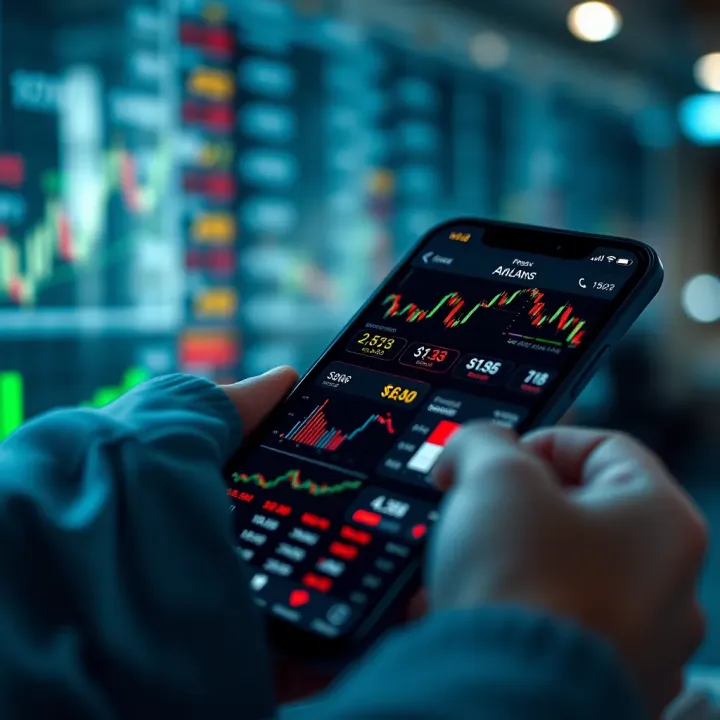
📱 Find the best forex trading app in Pakistan with our guide! Learn about top apps, key features, regulations, and safe trading tips to boost your skills. 🇵🇰
📱 Looking for the best forex trading app in Pakistan? Explore security, usability, regulatory checks, and fees to make smarter trading decisions! 💹

📱 Explore top forex trading apps in Pakistan! Learn their features, usability, security tips, and how to pick the best mobile platform for trading success.
Based on 7 reviews