
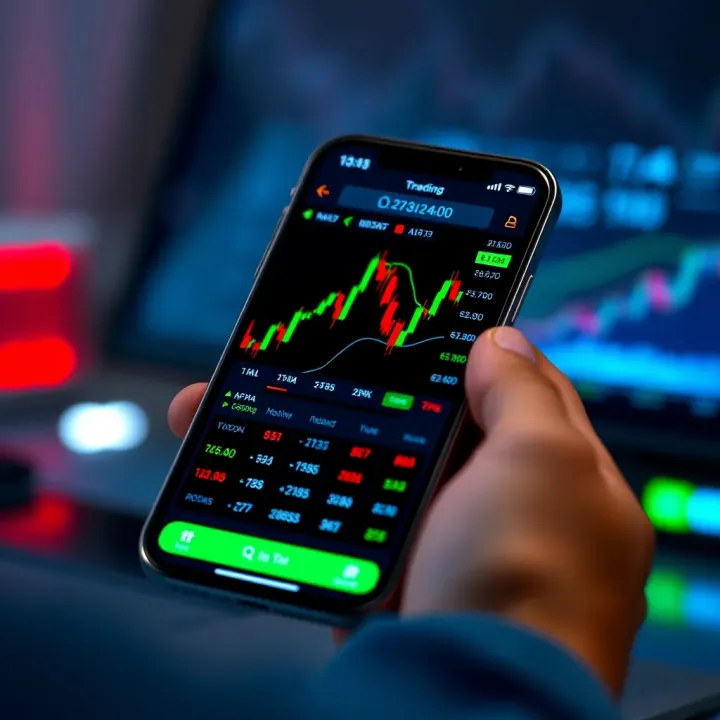
Guide to Forex Trading Apps for Pakistani Traders
📱 Explore top forex trading apps in Pakistan! Learn their features, usability, security tips, and how to pick the best mobile platform for trading success.
Edited By
Isabella Hughes
Forex trading has become a popular avenue for many in Pakistan looking to diversify their income or build wealth. But picking the right app to trade on isn't as simple as just downloading the first one that pops up. The app you choose directly affects how smoothly your trades go, how safe your money stays, and how much control you have over your investments.
In this guide, we’ll cut through the noise to help you find a forex trading app that fits the Pakistani trader's needs. From features like usability and security to things that really matter like regulatory compliance and cost structures, we’ll cover the essentials so you don't get stuck hunting in the dark.
Why stress? Knowing what to look for can save you headaches and potentially some hard-earned cash. Whether you’re a newbie testing the waters or a seasoned trader scanning for a better platform, understanding these points helps you avoid apps that might be slick but fall short where it counts.
At the end of the day, a good forex app should offer a balance between reliable tools, clear fees, and local support, making your trading experience not just possible but practical and productive. In the following sections, we’ll break down each aspect with examples relevant for traders based here in Pakistan, keeping the advice grounded and actionable.
Choosing a forex trading app isn't just about picking something flashy or popular. It boils down to understanding what features truly help you make smarter, faster trading decisions. In Pakistan's fast-evolving market, having the right app at your fingertips can mean grabbing opportunities before they slip away.
A good forex app should offer more than simple buy and sell buttons. It needs to provide real-time data, reliable order execution, insightful charting tools, and up-to-date economic information—all in a package that’s easy to use. For example, if you miss the latest rate changes because your app’s price quotes lag behind, you’re already at a disadvantage.
Beyond features, look for an app that fits your routine and trading style. A scalper needs lightning-fast execution and detailed charts, while a longer-term trader benefits from comprehensive market news and portfolio tracking. Recognizing what to expect upfront saves you from switching platforms mid-trade or renting space in a clunky interface.
Understanding these expectations sets the stage for selecting an app that will not only meet your needs today but adapt as your trading experience grows. Keep these core considerations in mind as we dig into the critical features and usability factors next.
Real-time price quotes: In forex trading, every second counts. Apps that provide truly real-time quotes let you act on the latest market conditions without delay. For instance, if the USD/PKR rate jumps due to breaking economic news, having instant updates helps you react quickly, possibly securing a better deal or avoiding losses. Ideally, look for apps that clearly display bid and ask prices and update automatically without manual refresh.
Order execution types: Different traders rely on various order types—market orders for immediate execution, limit orders to buy or sell at set prices, and stop orders to minimize losses. A robust app will support all these and give quick, error-free execution. For example, MetaTrader 5 offers multiple order types making it popular among Pakistani traders who want flexibility and full control over their trades.
Charting and technical analysis: Feeding your trading decisions with solid analysis tools is a must. Look for apps offering diverse chart types (candlestick, line, bar), a range of technical indicators (like RSI, MACD), and drawing options to mark trends or key support levels. These help you spot patterns or potential reversals—for instance, catching a head-and-shoulders formation that signals a market turn.
News and economic calendars: Global economic events heavily sway forex markets. Apps linked to reliable news feeds and updated economic calendars give traders an edge. Knowing when Pakistan’s central bank announces a rate decision or the U.S. posts non-farm payrolls helps prepare for sudden shifts. Apps like cTrader integrate such feeds directly, cutting down the hassle of checking multiple sources.
Ease of navigation: No one wants to wrestle with a cluttered or confusing app when market moves fast. The best trading apps have intuitive layouts where key functions—like order placement or chart switching—are just a tap away. Imagine trying to close a position quickly only to get lost in menus; avoid that by choosing apps praised for simplicity, like MetaTrader 4.
Customizable settings: Every trader has preferences. The ability to customize charts, alerts, order defaults, or even interface themes makes the experience smoother. For example, setting a custom alert that notifies you when EUR/PKR crosses a specific rate means you don’t have to stare at screens all day.
Mobile versus desktop functionality: Depending on your trading approach, you might rely on your phone, laptop, or both. Check that the app provides a consistent and full-featured experience across devices. Some apps falter when shifting from desktop to mobile, losing key features or slowing down. Pakistani traders who commute or work long hours find mobile apps particularly handy, but desktop platforms generally offer more detailed tools for in-depth analysis.
When picking a forex app, remember it's not just about bells and whistles. The right combination of real-time data, smart order options, solid tools, and user-friendly design can spell the difference between profit and frustration.
Taking the time to know what to expect sets a solid foundation before you dive into specific apps and detailed comparisons in the following sections.
When it comes to forex trading apps in Pakistan, security isn't just a box to tick — it's the backbone of a user's trading experience. Without knowing your money and personal info are safe, diving into the forex market could feel like walking on thin ice. Hence, assessing security and trustworthiness is a non-negotiable step before choosing any platform.
Traders should look beyond flashy interfaces and marketing promises. A secure app protects against hacks, fraudulent brokers, and data leaks, which can otherwise cost big time. In Pakistan, where online scams have made headlines, confirming an app’s trustworthiness reassures traders before they start investing.
Many local traders have learned the hard way that unregulated platforms can freeze funds without clear reasons, or delay withdrawals for weeks. Picking apps backed by proper regulations and up-to-date security protocols helps avoid such pitfalls.
Regulation serves as a watchdog to keep forex brokers accountable. When a broker is regulated, it means they must adhere to certain standards that protect clients’ funds and ensure fair trading. For example, they’re obligated to keep customer money separate from the company's own accounts—so your funds aren't at risk if the company faces financial trouble.
Besides financial safeguards, regulated brokers are required to practice transparency in pricing, order execution, and dispute resolution. This builds trust, especially with newcomers who might get overwhelmed by forex complexity. A solid regulated broker offers peace of mind: fewer surprises and clearer paths if things go south.
In Pakistan, the Securities and Exchange Commission of Pakistan (SECP) oversees the financial sector, including forex trading rules within the country. While many traders use international brokers, choosing those that comply with local regulations is wise to avoid legal headaches.
SECP requires brokers to obtain licenses and maintain operational transparency. Apps affiliated with SECP-regulated brokers usually provide better customer protection. Some examples include AAFX Trading and Falcon FX, which operate under licenses that align with Pakistani law.
Keeping an eye on SECP announcements about broker licenses can save you from falling into shady schemes.
Encryption acts like a lock on your data during transmission. Top forex trading apps use industry-standard encryption protocols like AES-256 and SSL/TLS to scramble sensitive information—such as login credentials and financial details—making it unreadable to hackers.
Without strong encryption, a third party could intercept your data on an insecure Wi-Fi network at a café or even during ISP routing. Always check if the app mentions using HTTPS connections and up-to-date encryption techniques.
Two-factor authentication (2FA) adds an extra security step beyond just your password. This often comes as a code sent to your mobile device or generated by an authentication app like Google Authenticator.
2FA significantly reduces the chance of unauthorized access if someone guesses or steals your password. Several forex apps popular in Pakistan, such as MetaTrader 5 and XM, support 2FA.
For example, a Pakistani trader once shared his story about how 2FA at his broker's app stopped a hacker from wiping his account, as the intruder couldn’t pass the second authentication layer.
Never overlook setting up 2FA, even if it’s a small hassle. It’s a proven shield against potential breaches.
Remember, no matter how great the app looks or its features shine, without solid security and trustworthy licensing, you're playing with fire. This section is crucial in helping Pakistani traders separate the wheat from the chaff in the crowded forex app market.
When it comes to picking a forex trading app in Pakistan, knowing what's out there can save you tons of headaches. Traders here deal with unique challenges, like variable internet speeds and specific regulatory environments, so the app's popularity isn't just about flashy features; it’s about reliability and suitability in this setting.
The most widely used apps tend to offer a blend of user-friendly design, solid security, and access to a range of markets. That’s why understanding popular platforms like MetaTrader 4 and 5, cTrader, and localized broker-specific apps is key — they set the benchmark for what traders can realistically expect.

MetaTrader 4 (MT4) and MetaTrader 5 (MT5) have been the go-to platforms worldwide for years, and for good reason. MT4, known for its straightforward interface, suits beginners and those dipping toes into forex. It supports custom indicators, one-click trading, and automated trading via Expert Advisors (EAs), which many Pakistani traders appreciate for hands-off strategies.
MT5 takes things a step further, offering more timeframes, an economic calendar right on the platform, and support for trading stocks and futures besides forex. Both apps run smoothly on Android and iOS, which is important if you’re hopping between devices.
Most major international brokers accessible to Pakistani traders, like XM, Admiral Markets, and FXTM, support both MT4 and MT5. This wide compatibility means you’re rarely stuck if you decide to switch brokers or try out new trading conditions. Just keep in mind, some brokers might push MT5 for more advanced features, but MT4 remains the bread-and-butter app in the local market, mainly due to its simplicity.
cTrader stands apart with its modern and sleek user interface, designed to please more technically inclined traders. One standout feature is its advanced charting capabilities including Level II pricing and depth of market tools that MT4 lacks.
It supports multiple order types, including market, limit, stop, and advanced order types that give traders tight control over executions. Auto-trading through cAlgo allows algorithmic trading, similar to MT4's EAs but with better performance and more flexibility.
This platform also boasts fast order execution speeds, an important aspect for scalpers and day traders who don’t want their trades getting stuck in the mud.
If you’re an intermediate to advanced trader who values a polished user interface and needs diverse charting tools, cTrader fits the bill. Pakistani traders who prefer algorithmic or automated strategies often favor it due to its efficient backtesting and coding environment. It's less popular among newbies who might find the initial setup a bit daunting.
Local brokerage firms in Pakistan, such as Nextbridge, Alpari Pakistan, and IG Securities, often provide their own trading apps tailored to the domestic market. These apps may incorporate local payment methods like EasyPaisa or bank transfers which international brokers won’t directly support.
Having a broker-specific app can mean faster customer support directly in Urdu or English and sometimes even integration with local news feeds or economic events that affect the Pakistani rupee and stock markets.
While these apps offer smoother deposit and withdrawal services locally and sometimes lower minimum deposit requirements, they often lag behind in advanced charting and tools seen in international platforms like MT5 or cTrader. There can also be limited access to global markets beyond forex pairs.
It's worth keeping in mind that choosing a broker-specific app means weighing convenience against the potential sacrifice in feature depth and liquidity.
In summary, Pakistani traders should consider their priorities — a well-known global app for advanced tools, or a local app for ease of payments and support — before making the call. This way, trading becomes less about wrestling with the platform and more about focusing on good strategy and market insights.
Choosing the right forex trading app isn't just about ease of use or security; the tools and resources it offers can really make or break your trading experience. A solid set of analytical tools and educational materials help traders, especially in Pakistan where market dynamics can be tricky, to make informed decisions rather than just guesswork.
Access to practical tools means you’ll spot trends, manage risks better, and fine-tune strategies without needing to jump between multiple platforms. And when those tools come paired with tutorials and support, it’s like having a mentor at your fingertips aiding your development.
Indicators and drawing tools are fundamental for anyone serious about forex trading. These tools let you mark up price charts with trend lines, draw support and resistance levels, and apply technical indicators like Moving Averages, RSI, or MACD. For example, if you’re watching the USD/PKR pair, drawing a Fibonacci retracement can help identify key reversal points – a feature you want clearly available and easy to use.
Such tools enable traders to track price movement patterns without overwhelming complexity. The convenience of having a broad variety of indicators bundled in the app means quicker reactions to market shifts—a vital edge in forex. Additionally, customizable drawing options let you tailor your charts to your unique trading style, avoiding clutter and allowing focus where it counts.
Backtesting capabilities gives you the chance to test your strategies against historical market data before risking real money. This feature essentially acts like a trial run, showing how a particular setup would have performed under past conditions. Say you’ve figured out a strategy for trading the EUR/USD during news releases; backtesting helps you confirm its reliability and spot potential pitfalls.
Not all apps offer extensive backtesting, but for the ones that do, it can save traders from costly errors. It helps refine strategies, identify strengths or weaknesses, and build confidence. In Pakistan, where market timing during event releases like the State Bank announcements can be crucial, having reliable backtesting is huge.
In-app learning resources are vital, especially for newcomers to forex trading. They can range from glossaries explaining common terms, step-by-step walkthroughs for placing trades, to interactive quizzes that test your market knowledge. For instance, apps like MetaTrader include basic tutorials, while others such as XM or IG provide more in-depth educational modules right inside the platform.
Having these at hand prevents the trap of entering trades blindly or relying heavily on external sources. When the learning curve feels steep, an app providing clear, straightforward lessons can be your best friend, guiding you through complex concepts without jargon.
Webinars and customer support also play a significant role in enhancing the learning process. Many forex platforms organize live sessions where seasoned traders discuss market trends or demonstrate strategies. Being able to ask questions in real time or receive personalized help through customer support means you get tailored advice—not just a generic FAQ.
In Pakistan’s growing forex community, accessible webinars help traders stay updated on global and local economic events affecting currency pairs. For example, a webinar focused on the impact of Pakistan’s monetary policy on the PKR can provide timely insights that might not be easily digested elsewhere.
Investing time to explore these educational and technical features before committing to an app can save both money and frustration, setting you up with tools that grow alongside your trading skills.
Understanding the costs involved in forex trading is just as important as picking the right app. If not careful, trading fees can eat into your profits faster than a Karachi traffic jam wastes your time. Costs like spreads, commissions, and additional charges may seem small individually but can add up quickly, especially if you trade frequently. For Pakistani traders, knowing these fees upfront helps avoid nasty surprises and ensures the app fits within your budget and trading style.
Spreads are the difference between the buying and selling price, and this is where brokers often make their first cut. A fixed spread means the gap stays the same regardless of market conditions. This setup offers predictability, which some traders prefer, especially beginners or those working with tight budgets. However, fixed spreads can be a bit wider than the tightest variable ones, acting like a built-in cushion for brokers.
Variable spreads fluctuate according to market volatility and liquidity. During busy market hours, these spreads can tighten up, making trading cheaper, but during off-hours or sudden news events, they can widen—and sometimes widen dramatically. Imagine the difference like weekday versus weekend taxi fares; sometimes, it’s a walk in the park, and other times, it’s a steep climb up the hill.
For example, if you’re using MetaTrader 4 with a broker like FXTM in Pakistan, you might see spreads ranging from 0.1 pips during London/NY overlap (peak hours) to as high as 3 pips during quieter hours. Knowing these variations helps you plan your trades better and avoid costly trades during volatile times if on a variable spread account.
Some brokers charge a separate commission fee on top of spreads, especially for accounts offering raw or ultra-low spreads. Think of it like paying a toll fee for using a faster road. Commissions are often a fixed dollar or pip amount per trade size—for instance, $7 per standard lot round trip.
For traders in Pakistan, commissions can significantly affect strategies like scalping or day trading where many trades are opened and closed daily. Using a zero-commission account might seem appealing but often hides wider spreads—as the saying goes, there’s no free lunch. Before selecting an app, check if the commission fees are transparent and how they compare with the spread costs.
Bank transfer fees, currency conversion costs, and withdrawal charges can be sneaky drainers of your trading capital. Most brokers support multiple deposit and withdrawal options, including local banks, e-wallets like WebMoney, or international transfers.
For example, EasyPaisa or JazzCash support might come with minimal fees, whereas international wire transfers often have fees both ways, meaning Pakistan traders could lose more if not cautious. Always pick an app or broker with clear policies on these charges and preferably those offering free local transfers to save costs.
An often-overlooked fee is the inactivity or dormancy charge. Some brokers start charging you if your account sits idle for a few months—sometimes as low as $10 monthly. Over time, this can sneak up on you and eat away your deposited funds, especially if you're taking breaks between trades or learning the ropes.
Be sure to review the fine print regarding inactivity fees on your chosen trading app. If you plan infrequent trading, look for brokers that either waive this fee or have a long grace period.
Tip: Always do a small test run with deposits and withdrawals before committing to big trades, so you know exactly what fees to expect.
By carefully examining these costs and fees, Pakistani traders can avoid unnecessary charges and better manage their trading budgets. Being aware of spreads, commissions, and hidden fees empowers you to make smarter choices and keep more of your earnings where they belong—in your pocket.
When picking a forex trading app in Pakistan, a stable connection and smooth performance can't be shrugged off. Trading is fast-paced, and milliseconds can mean the difference between a profit or a loss. A shaky app or slow loading times will frustrate even the best traders. Here, we talk about why having a rock-solid app connection and fast performance matters, especially in Pakistan where internet speeds can be uneven.
Server reliability is essentially the backbone of any trading app. Imagine waiting to close a position but the app freezes because its servers are overloaded or crashing. That's a nightmare. Reliable servers ensure your trades execute without delays, orders are processed promptly, and data updates in real-time. For example, MetaTrader 4 tends to have very dependable servers across many brokers, which makes it a favorite among Pakistani traders who need their trades processed quickly during volatile sessions.
On the other hand, internet speed in Pakistan varies greatly—from slow rural connections to fast urban networks. Since forex trading apps depend heavily on timely data, slow internet can cause frustrating lags and missed opportunities. Traders should test their connection speeds at their usual trading hours and consider brokers with local servers or data centers nearby. Using a 4G or 5G service where available can also smooth out latency issues. Always check if the app can function efficiently on lower bandwidth; some lightweight apps do better here.
Mobile OS support matters because traders in Pakistan often rely on smartphones for on-the-go trading. Apps like MetaTrader 5 and cTrader are available for both Android and iOS, but some broker-specific apps might lag behind or only support one platform. Double-check your phone's OS version because certain features might not work on outdated systems. For instance, a trader using an older Android phone might find the app sluggish or some functions disabled.
On the desktop side, desktop versions and browser compatibility provide choices for traders who prefer a larger screen or more control over technical tools. Most popular platforms offer Windows and Mac versions, while web-based platforms let users trade from browsers like Chrome or Firefox without installing software. However, some apps might not support all browsers equally—sometimes Safari or Edge could have glitches, so it's smart to stick with what's proven to work well. Especially for Pakistani traders using public computers or shared devices, browser-based access can be a flexible option.
Ensuring your forex trading app is stable, fast, and works seamlessly across your devices can save you from a world of headaches and keep your trades running smooth regardless of when and where you trade.
In summary, keep these tips in mind:
Aim for apps with proven server reliability.
Test your internet speed regularly and consider upgrading if lag is common.
Choose apps that support both Android and iOS if you switch between devices.
Use desktop or browser versions that fit your trading style and hardware.
Getting these elements right sets a solid foundation for successful forex trading in Pakistan's sometimes unpredictable tech environment.
When it comes to forex trading, one size definitely does not fit all. The app you pick should match how you trade. Whether you’re a fast-moving scalp trader or someone who holds positions for weeks, the right app can make the difference between smooth trades and missed opportunities. In Pakistan, where internet conditions can be uneven and trading hours may overlap with other responsibilities, picking an app that fits your specific trading style is even more critical.
Quick order execution is the bread and butter for scalpers and day traders hunting for small profits throughout the day. A delay of even a second can turn a winning trade into a losing one. That means your app must communicate promptly with the broker’s server and confirm orders instantly. Think of it like a fast food drive-thru—if it’s slow, you lose the meal (in this case, profit). Apps like MetaTrader 5 and cTrader often shine here, providing rapid execution and minimal lag. While testing apps, keep an eye on order execution speeds, especially during peak market hours when Pakistani traders are active.
Advanced charting tools are another must-have for these quick-paced traders. They need the ability to spot patterns, support/resistance levels, and indicators without fussing with separate software. Look for apps that offer a variety of technical indicators (RSI, Bollinger Bands, MACD) and allow you to draw trend lines or annotate charts directly on your phone. MetaTrader 4 is a classic example that’s widely favored because it packs these features into a user-friendly package. Advanced charting helps day traders make informed snap decisions, cutting through market noise with clear signals.
Long-term traders don’t chase every tick but rather bet on big moves spanning days, weeks, or even months. For them, fundamental data access is vital. This includes economic reports, central bank announcements, and geopolitical news that can move currencies over time. Apps with real-time news feeds and economic calendars let traders in Pakistan stay ahead without scrambling through multiple sources. For example, MetaTrader 5 includes integrated news and an economic calendar, making it easier to plan trades around major events.
Portfolio management features are equally important for position holders who juggle multiple instruments or want a birds-eye view of their investments. Apps should let users track open positions, view profit/loss in real time, and set alerts for key price levels. Tools that support risk management, like setting stop losses or take profit levels easily, prevent big surprises later on. Some broker-specific apps in Pakistan provide tailored portfolio summaries with Pakistani Rupees as the base currency, adding convenience and clarity.
Choosing a forex trading app that aligns with your trading style not only saves time but can seriously impact profitability. Scalpers need speed and sharp tools, while long-term traders benefit from deep info and smart portfolio tracking.
Making this choice wisely lets you focus on the market, not the tech hiccups. Always test apps thoroughly with demo accounts to see how well these features fit your style before putting real money on the line.
Before diving headfirst into real trading with a forex app, putting it through its paces is key. Testing an app before committing money helps you get a feel for its reliability, usability, and features—things you can’t fully understand from brochures or ads. For traders in Pakistan, where internet speeds and local broker compatibility can vary, this step is even more important.
Testing lets you spot any red flags early on, such as delayed order execution or a confusing interface. It also gives you a chance to try out the tools available, like charting and news feeds, without the pressure of risking capital. Think of it like test-driving a car before buying it rather than snapping up the keys and hoping for the best.
Demo accounts and paper trading offer a risk-free playground to understand how a forex trading app works. For instance, Pakistani traders often find demo accounts practical as they can practice trading with virtual money reflecting real market conditions. This setup familiarizes you with placing orders, testing strategies, and navigating the platform without sweating about losses.
Simulated trading helps improve decision-making by replicating actual trading scenarios closely. A trader using MetaTrader 4’s demo, for example, can customize charts and test expert advisors without real financial exposure. This hands-on, no-risk experience is invaluable when learning the ropes or evaluating if an app supports your trading style.
Using a demo account first is a savvy step — it’s like rehearsing before the big show.
However, demo trading isn’t a perfect mirror. One big snag is emotional detachment; since no real money is at stake, your trading decisions might be bolder or less careful than in live conditions. This can create a false sense of confidence. Also, demo accounts sometimes don’t fully reflect live market slippage or order execution speed, which matters a lot for scalpers or day traders.
Additionally, occasionally demo platforms lag behind real-time data updates seen on live accounts. Traders in Pakistan might notice this especially during volatile sessions linked to global events. So, while demo accounts are a great starting point, they don't replace the experience and pressure of actual trading.
To bolster your testing process, checking user reviews of the forex app can offer real-world insights. Look for feedback on platforms such as Google Play Store, Apple App Store, and broker websites like FXTM or XM that serve Pakistani clients. These reviews often shed light on issues like app crashes, customer support quality, or hidden fees.
When evaluating reviews, prioritize detailed comments over generic praise or complaints. Verified purchase badges or active user responses can indicate trustworthy feedback. For example, a trader discussing glitches during Pakistani market hours provides more actionable insight than vague statements.
Another great resource is forex trading communities on sites like Forex Factory or local Facebook groups. These forums let traders exchange tips, share experiences, and warn each other about app quirks or scams. Social media platforms — think Twitter or Telegram groups focused on Pakistan’s forex scene — often host lively discussions about the latest app updates or broker deals.
Community experience can reveal nuances missed by official descriptions. To illustrate, a Pakistani trader sharing their struggles with withdrawal processes or mobile app bugs can help you avoid similar headaches. Don't hesitate to ask questions directly; many traders are happy to offer advice or suggest alternatives.
Listening to fellow traders can save you a lot of time and trouble when picking the right app.
By combining demo trading, careful review reading, and engaging with the trading community, you’ll be in a stronger position to choose a forex app that fits your needs and trading goals in Pakistan.
📱 Explore top forex trading apps in Pakistan! Learn their features, usability, security tips, and how to pick the best mobile platform for trading success.

📈 Discover how to pick the best trading app in Pakistan with tips on fees, security, usability, and support to boost your investment confidence! 🇵🇰
Explore top forex trading apps for Pakistan 🇵🇰. Learn about key features, security, user experience, and local insights to choose the best platform wisely 📊.
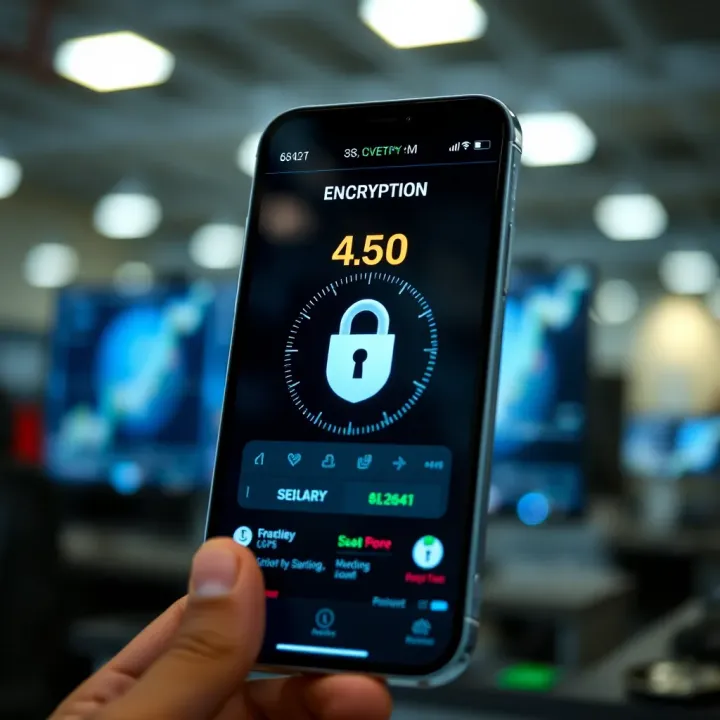
Discover how to pick the best forex trading app in Pakistan 🇵🇰 with tips on security, costs, features, and user experience for smart mobile trading 📱💹
Based on 13 reviews