
Best Forex Indicator for Effective Trading Analysis
Discover the best forex indicators like RSI, MACD & moving averages to refine your trading strategy 📈. Learn how to pick the right tools for better analysis and profits 💹.
Edited By
Isabella Wright
Forex trading runs round the clock, but not all hours are equal in activity. Since forex is a global market, it follows the business hours of major financial centres. Understanding these different trading sessions can help you spot when the market is most active and when it’s relatively quiet.
Three main forex sessions dominate: Asian, European, and North American. The Asian session opens first, including markets like Tokyo and Singapore, typically active from 5 am to 2 pm PKT. Next is the European session with London as its hub; it runs roughly from 11 am to 8 pm PKT. The North American session, centred around New York, overlaps partly with the European hours and usually operates from 3 pm to midnight PKT.
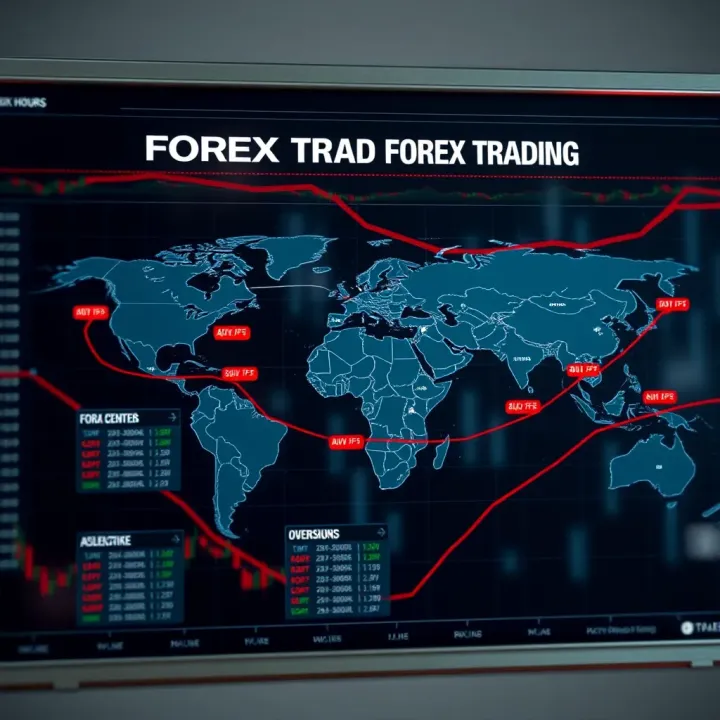
This overlap period, especially between London and New York sessions, presents the highest market liquidity and volatility. For Pakistani traders, these hours are prime opportunities since they offer tighter spreads and more trading possibilities.
Knowing when market activity peaks means you can plan your trades better, avoiding low-volume periods that bring erratic price moves and wider spreads.
Several factors impact forex trading hours:
Holidays: National holidays in major markets like the UK, US, or Japan can shrink trading windows or slow down activity.
Daylight Saving Time (DST): Though Pakistan doesn't follow DST, many forex centres do, shifting opening and closing hours by one hour during summer or winter.
By tracking these changes, you can adjust your trading schedule accordingly. For example, during summer, the London session starts an hour earlier in PKT due to DST.
In summary, understanding the timing and overlaps of forex trading sessions helps Pakistani traders choose the best trading windows. This knowledge enhances strategy, manages risk better, and ultimately improves market engagement.
Understanding forex trading hours is key for anyone serious about trading the currency market. The forex market operates 24 hours a day, but activity doesn’t stay constant. Knowing when different markets open and close helps you pick the most suitable times to trade, improving your chances of success.
Forex trading reflects the global economy. Currencies are bought and sold worldwide, from Tokyo to New York, so when one market closes, another opens somewhere else. This global spread allows investors and businesses across different time zones to trade at their convenience. For example, Pakistani traders can engage with Tokyo’s market late in the evening, and still be ready for London’s opening the next morning.
Unlike stock markets that have a single physical location, forex trading happens over-the-counter (OTC) through networks of banks, brokers, and financial institutions. There isn’t one central exchange regulating trading hours. This decentralised setup lets the market run 24/7 on weekdays, with only weekends mostly shut. It also means liquidity varies across hours depending on which financial centres are operating, impacting price movement and trade execution.
Currencies support international trade, investment, and tourism nonstop. Imports and exports, cross-border payments, and investment flows happen any time of the day. Because money keeps moving, forex trading doesn’t pause. For instance, a Pakistani exporter might convert dollar earnings into rupees in the Asian session, while a foreign investor adjusts their position during the New York session. This constant demand keeps trading alive.
The Asian session primarily revolves around Tokyo, opening around 5 am PKT and closing by 2 pm PKT. This session sets the tone for the day, with currencies like the Japanese yen (JPY), Australian dollar (AUD), and New Zealand dollar (NZD) moving actively. Pakistani traders often find this session quieter compared to European or US sessions, but it can present good opportunities if you focus on Asia-Pacific pairs.
London is the biggest forex hub worldwide. Its session starts at 12 pm PKT and runs till 9 pm PKT, bringing heavy market volume and volatility. This session overlaps with both the tail end of Tokyo's and the start of New York's sessions, causing sharp price movements. For Pakistani traders, this period often means narrower spreads and better execution, making it a prime time to trade major pairs like EUR/USD and GBP/USD.
The New York session runs roughly from 5:30 pm to 2:30 am PKT. It is important because the US dollar (USD) plays a central role in forex trading. Many economic reports and announcements that affect global markets come out during this session. Pakistani traders focusing on the New York session can take advantage of increased volatility in pairs such as USD/CAD and USD/JPY, especially during the overlap with London’s closing hours.
For forex traders in Pakistan, understanding these trading hours is not just academic—it's practical. You can time your trades better, manage risk around market openings, and increase opportunities by knowing when liquidity and volatility peak.
Understanding the operating hours and market behaviour of key forex centres is vital for traders. Each market—Tokyo, London, and New York—has unique trading hours, trading volumes, and price movements that influence global currency flows. For Pakistani traders, knowing these timings in Pakistan Standard Time (PKT) helps in planning trades to take advantages of liquidity and price swings.
The Tokyo forex market runs from 6:00 am to 3:00 pm PKT. This session kicks off when Pakistan is just starting the day, making it an accessible window for early risers or those planning trades before working hours. Since Tokyo is the major Asian forex hub, this session often sets the tone for the day ahead.
Volatility during the Tokyo session is generally moderate compared to London or New York, with liquidity centred on the Japanese yen and other Asian currencies like the Chinese yuan and Australian dollar. This session tends to have steady but less dramatic price movements. Traders focusing on currency pairs such as USD/JPY or AUD/JPY may find good entry points here before the European session starts.
The London market opens at 12:00 pm and closes at 9:00 pm PKT, overlapping with both the tail end of the Tokyo session and the start of the New York session. This overlap is crucial as it usually brings higher market activity. For Pakistani traders, the London session is convenient for afternoon and evening trading.
London handles the largest share of forex trading volume worldwide. This session often shows pronounced trends and higher volatility, making it attractive for day traders and swing traders. Currency pairs involving the euro, British pound, and Swiss franc typically experience significant moves here. Watching London’s market behaviour helps traders anticipate global shifts impacting their positions.
New York's forex session runs from 5:00 pm to 2:00 am PKT. This timing covers Pakistan’s late evening to past midnight, which may suit traders who prefer night trading or have other commitments earlier in the day. The overlap with London from 5:00 pm to 9:00 pm PKT results in highly liquid markets.
The New York session heavily influences pairs such as USD/CAD, USD/MXN, and USD itself since the US dollar is a major global currency. Market-moving economic releases from the US, such as Non-Farm Payrolls and Fed announcements, mostly fall within this session. Thus, staying alert during these hours provides Pakistani traders with opportunities to react to volatility spikes and adjust strategies accordingly.
Traders who align their activities with these market sessions, based on local PKT timings, gain a clearer edge through better timing and awareness of liquidity and volatility trends.
Tokyo Session: 6:00 am – 3:00 pm PKT
London Session: 12:00 pm – 9:00 pm PKT
New York Session: 5:00 pm – 2:00 am PKT
Matching your trading hours to these periods enhances your chances of optimising entry and exit points by utilising times of peak activity.
The forex market never sleeps, but liquidity and volatility surge when trading sessions overlap. These overlapping hours create unique opportunities for traders, especially those in Pakistan, looking to capitalise on higher market activity and tighter spreads. Understanding these overlaps helps identify when market behaviour intensifies, allowing for smarter trade timing.
The overlap between the London and New York sessions, typically from 1:30 pm to 5:30 pm PKT, is the busiest trading period globally. During these hours, the combined volume of traders from two major financial centres brings vast liquidity to forex pairs like EUR/USD, GBP/USD, and USD/CHF. This increased liquidity means tighter bid-ask spreads and generally smoother order execution.
For Pakistani traders, this window is often the most attractive for active trading. The volatility during this period can present sharp price moves, ideal for strategies depending on quick reactions. For example, news releases in the US often cause pronounced swings during this overlap, creating momentum trades.
The Tokyo and London session overlap is shorter and less liquid, roughly from 11:30 am to 12:30 pm PKT. Although smaller in scale, it still sees meaningful activity, particularly on Asia-Pacific pairs such as USD/JPY, AUD/USD, and NZD/USD. The liquidity during this time helps smooth price gaps between the quiet Asian hours and the active European session.
This overlap is useful for Pakistani traders focusing on Asian currency pairs or seeking early signals of London session trends. The lower volume compared to London-New York means wider spreads, so traders should be cautious but can find opportunities in initial trend setups.
Overlapping sessions bring heightened volatility, which many traders use to their advantage. Rapid price movements allow for profit in short time frames. For instance, scalpers and day traders often time their entries during the London-New York overlap to catch quick gains from breakout moves.
However, volatility cuts both ways. Sudden gaps or spikes can trigger stop losses or cause slippage. Traders must balance the potential for higher returns with the increased risk by preparing exit plans and size positions wisely.
The fluctuating market conditions during overlaps require strict risk controls. Wider price swings mean it's easier to face unexpected losses. Pakistani traders should set sensible stop-loss levels adjusted for the session’s volatility. Avoiding excessive leverage during these hours further protects capital.
Besides stop-losses, diversifying trades across pairs with different behaviours during overlap periods can reduce risk. For example, mixing trades in EUR/USD during London-New York overlap with USD/JPY during Tokyo-London overlap may smooth overall exposure.
Smart traders track overlap times to optimise entries, managing volatility with clear risk plans. Overlaps offer the best blend of liquidity and momentum but demand discipline and adaptability.
In summary, recognising when forex sessions overlap allows traders to exploit natural spikes in market activity. For Pakistani market participants, aligning strategies with these periods maximises chances for profitable trades while managing the risks that come with greater volatility.
Understanding the factors that affect forex trading hours helps traders anticipate market behaviour and make smarter decisions. Trading activity doesn’t stay the same every day; it shifts based on holidays, special events, and time changes in different parts of the world. For Pakistani traders especially, knowing these influences can avoid trading during sluggish times and manage risk better.
Forex markets need liquidity to function properly, but public holidays can cause major disruptions. For example, during Christmas or New Year holidays in Europe and North America, major forex centres like London and New York scale back or close. This means fewer participants and less price movement, making it harder to execute trades at favourable levels.
This is important for you as a trader because open positions held during these periods risk being exposed to sudden price gaps when markets reopen. Pakistan’s calendar of public holidays also matters, but global closures have a more noticeable effect due to the international nature of forex.
Even when markets are open on special days, liquidity often drops significantly. Less trading volume means wider spreads and increased execution risks. For instance, during Ramadan or Eid holidays in Pakistan, activity in the local forex market might slow down, while also coinciding with low participation in US and European sessions due to their own holidays.
Traders should be cautious during these times. The cost of trading rises, and price movements can become unpredictable. Adjusting your trading strategy to reduce position sizes or temporarily avoiding active trades can help manage this risk.
Not all countries observe daylight saving time (DST), and start and end dates differ where it is adopted. The US and Europe shift clocks forward or backward at different times, while many Asian countries, including Pakistan, do not follow DST.
This inconsistency creates a shift in market opening times relative to Pakistani time. For example, when the UK moves to British Summer Time (BST), the London session opens an hour earlier for Pakistani traders. This shifting window impacts when you should be active in the market and requires attention to stay aligned with main forex centres.
Because Pakistan Standard Time (PKT) remains constant at UTC+5, traders must adjust their schedules twice a year to account for DST changes abroad. For instance, during the summer months, London and New York sessions open earlier by an hour according to PKT.
Failing to adjust can mean missing key market moves or trading during less active times. Pakistani traders can benefit by noting DST start and end dates for major forex hubs, and planning trading hours accordingly to capture the best liquidity and volatility.
Trading schedules aren’t fixed; they shift with holidays and daylight saving changes. Keeping an eye on these factors can save you from unexpected risks and help you find the best time to trade.
By factoring in these aspects, Pakistani forex traders can better time their trades, avoid low-liquidity pitfalls, and respond to market conditions more effectively.
Navigating forex trading hours is more than just knowing the clock; it directly affects your chances of success. For traders in Pakistan, aligning your trading schedule with market activity can reduce risks and improve profit potential. Practical tips grounded in understanding these hours help you make smarter choices about when and how to trade.
Your day usually follows a fixed routine, with work or study occupying much of the time. Trading during live sessions when the market is most active might fall during odd hours, such as late at night or early morning in Pakistan Standard Time (PKT). Rather than forcing yourself to trade during difficult hours, it’s better to pick sessions that fit your daily schedule without sacrificing rest or focus.
For example, if you can only trade in the evening after work, prioritise the London-New York overlap session. This period generally runs from around 5 pm to 10 pm PKT, offering good liquidity and volatility to exploit. This way, you’re not fighting fatigue or distractions, and your decision-making remains sharp.
Certain sessions generate more trading volume and price movement than others. The London and New York markets are known for their significant activity, meaning spreads tend to be tighter and trade execution smoother. Concentrating on these sessions can lower trading costs and increase opportunities for profit.
While the Tokyo session is less volatile, it serves well for quieter trades or currency pairs related to the Asian market, such as JPY or AUD. However, if you want to avoid stagnant markets or wide spreads, focusing more on the London and New York sessions makes practical sense. Always check the timings for session overlaps to capitalize on periods with the highest liquidity.
Knowing when fee trading sessions open and close gives you a chance to plan your entries and exits more precisely. For instance, price actions tend to surge around London’s market open at 12 pm PKT due to fresh orders and news releases from Europe. Entering or exiting trades around these times may help capture clear trends or avoid unexpected reversals.
Conversely, avoiding trading just before a session closes, especially during the New York session, can prevent being caught in low liquidity periods. Ill-timed exits may cause slippage or force less favourable prices.
Spread is the difference between bid and ask price, and it widens when the market is less active or volatile. Trading during low-volume periods, such as public holidays or late-night hours in Pakistan, usually means paying higher spreads.
Slippage occurs when the executed price differs from the expected price, common during volatility spikes or thin liquidity. By aligning your trades with the main forex sessions—London and New York—you can minimise these costs. Regularly checking scheduled economic events and session overlaps helps manage risks linked to spreads and slippage.
Understanding your local trading hours and matching them with global market activity not only improves efficiency but also boosts your confidence in decision-making. Practical use of this knowledge will help you avoid unnecessary losses and seize better profit chances.
Discover the best forex indicators like RSI, MACD & moving averages to refine your trading strategy 📈. Learn how to pick the right tools for better analysis and profits 💹.
Find the best forex trading platform for Pakistani traders 🇵🇰. Explore key features, security, costs, and support to match your trading style with ease 💹.

📱 Find the best forex trading app in Pakistan with our guide! Learn about top apps, key features, regulations, and safe trading tips to boost your skills. 🇵🇰
📱 Looking for the best forex trading app in Pakistan? Explore security, usability, regulatory checks, and fees to make smarter trading decisions! 💹
Based on 15 reviews