
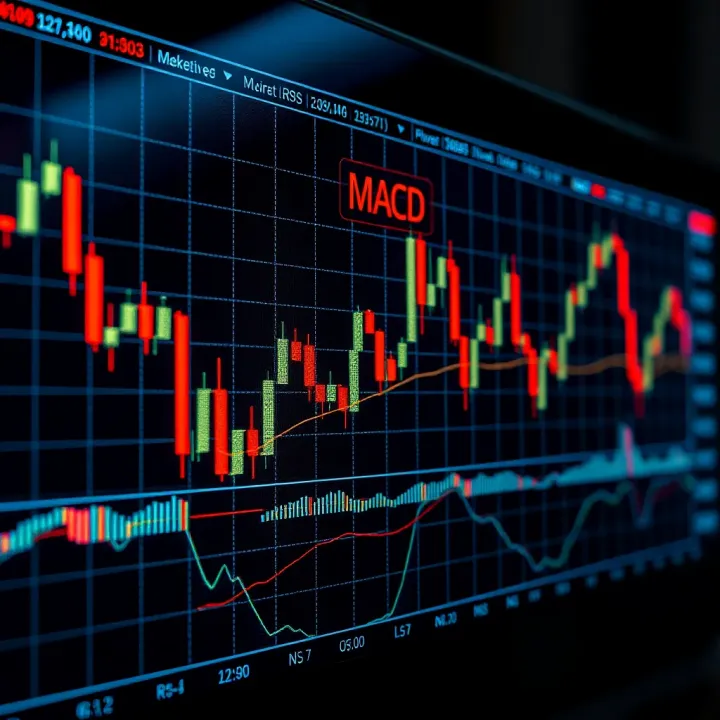
Best Forex Indicator for Effective Trading Analysis
Discover the best forex indicators like RSI, MACD & moving averages to refine your trading strategy 📈. Learn how to pick the right tools for better analysis and profits 💹.
Edited By
Amelia Scott
Forex trading, or foreign exchange trading, involves buying and selling currencies on the global market. For many in Pakistan, it presents an opportunity to grow wealth, especially with increasing digital access through platforms like MetaTrader and local brokers. However, whether forex trading is halal (permissible) or haram (forbidden) according to Islamic law is a topic of debate among scholars.
Islamic finance principles are clear about certain financial activities that involve interest (riba), uncertainty (gharar), and gambling (maysir). These elements, if present in forex trading, may render it haram. The key concern is whether the transaction complies with Shariah rules on immediate exchange and absence of excessive risk.

In a typical currency exchange, such as swapping Pakistani rupee (PKR) for US dollars (USD), the transaction is usually straightforward and allowed if settled immediately. However, forex trading often involves speculation, leverage, and delayed settlements, which complicate the ruling.
Islamic law permits currency trading when it's a spot transaction, meaning currencies must be exchanged on the spot without delay. This ensures no element of uncertainty or debt, aligning the trade with Shariah conditions.
Many Pakistani traders overlook the settlement timing and may engage in margin trading or hold positions overnight, involving interest charges (swap or rollover fees). These fees are considered riba, making the transaction haram unless the broker offers a swap-free Islamic account.
A few practical points to consider:
Immediate settlement: The currency exchange should happen instantly or within the same session.
No interest charges: Using Islamic accounts that do not impose swaps helps avoid riba.
Avoid speculation-based gambling: Trading should focus on real currency exchange, not mere betting on price movement.
Scholars differ in opinions, but many accept forex trading as halal if it strictly follows Shariah principles, especially regarding immediate delivery and absence of riba. Otherwise, it may be regarded as haram.
Understanding these nuances helps Pakistani investors make informed decisions that align with their faith, ensuring forex trading is approached ethically and transparently.
Understanding the fundamentals of both forex trading and Islamic finance is key for anyone trying to figure out if forex trading is halal or haram. These foundations provide the framework that helps distinguish permissible trading practices from those prohibited in Islam. Without this basic knowledge, it becomes difficult to evaluate the ethical and religious implications involved.
Forex trading is simply the buying and selling of different currencies. For example, if you believe the US dollar (USD) will strengthen against the Pakistani rupee (PKR), you might exchange PKR for USD now and sell it back later at a higher rate. This exchange is what creates profit potential. Practically, currencies are traded in pairs like USD/PKR, where the first currency is bought and the second is sold simultaneously.
Speculation is central to forex trading—it involves predicting currency price movements to earn profit. While speculation is a normal part of most financial markets, it can introduce risk and uncertainty. Traders don’t necessarily exchange currencies for trade or investment but to gain from price changes, which may create tension with Islamic principles that caution against excessive uncertainty and gambling-like practices.
Today, forex trading is mostly done via online platforms accessible worldwide, including Pakistan. These platforms allow traders to enter the forex market anytime, providing real-time data and quick execution of trades. While this opens opportunities, it also means traders need to be mindful about terms like leverage or rollover fees, which may contain interest (riba) and affect whether trading remains Shariah compliant.
Islamic finance strictly forbids riba, meaning any guaranteed interest on loans or investments. In forex trading, certain practices like swap or rollover fees charged overnight involve interest payments. This direct involvement makes such trades haram unless the broker offers a Shariah-compliant or Islamic account with no interest penalties.
Islam encourages trade but discourages unjust gains through interest, so understanding fees charged during trading is essential.
Gharar refers to excessive uncertainty or ambiguity in a contract’s terms. Contracts must be clear and fair to all parties involved. In forex, speculative trades with high unpredictability or deferred settlements can fall under gharar. Islamic law demands that trades should avoid such uncertainty, promoting transparency and immediate settlement to reduce dispute risk.
Islamic finance mandates that transactions be backed by tangible assets rather than mere speculation. This means it’s acceptable to trade currencies only if the exchange involves actual currency transfer and possession. In some forex dealings, purely speculative bets without asset exchange are considered invalid. This principle ensures that trade remains grounded in real economic activity rather than gambling on price shifts.
By knowing these foundations, traders in Pakistan can better assess whether their forex activities comply with Shariah, helping them avoid practices that may render their trading haram.
Forex trading, from the Islamic perspective, requires careful examination of certain conditions to determine its permissibility. Understanding these key considerations helps Muslim traders navigate the intricate balance between lawful gain and religious compliance. This section focuses on the essential rules related to currency exchange, speculation, and the use of leverage, all of which hold great significance within Shariah.

One of the primary principles in Islamic finance is that currency exchange must occur immediately, often called the "hand to hand" rule. This means when you exchange one currency for another, both currencies must be delivered on the spot without any delay. For example, if you sell US dollars for Pakistani rupees, you should receive the rupees at the same instant — no deferred payments or promised future settlements are allowed.
This immediate delivery eliminates uncertainty and speculation about whether the money will be received later, keeping trades clear and reducing gharar (uncertainty). Many Islamic scholars insist that delay in exchanging currencies turns the transaction into an interest or debt-based deal, which is considered haram.
Islamic law encourages exchange of currencies in equal value and prohibits selling currencies with differences in amount or value if the exchange is not immediate. This means you cannot agree to receive more currency later for a smaller amount now, because this involves riba (interest).
For instance, exchanging Rs 100,000 today for the promise of Rs 105,000 next week breaks this rule. To comply, the currencies exchanged must be equal in value at the time of the transaction. Forex trading that maintains this equality with instant settlement generally meets this condition.
Delayed settlement or deferred payments introduce gharar and riba risks. Such delays mean one party gives currency now but receives payment later, which is like lending with interest, forbidden under Islamic law.
Practically, many online forex platforms offer settlement periods of 1-2 days or more. This deferred settlement leads to debates among scholars. Muslims should verify if their broker allows immediate settlement to avoid entering potentially haram contracts. Being cautious here could save you from unintended religious compromises.
Gharar means excessive uncertainty or ambiguity in a contract. In forex, speculation—buying or selling currencies mainly to profit from price changes rather than genuine trade—creates gharar.
For example, if a trader bets on currency rates moving up or down without intending to exchange actual currencies, this is speculative and could be like gambling (maisir), which Islam prohibits. Excessive speculation can turn a marketplace into a risky environment, stripping away the ethical foundations of trade.
Leverage lets traders control large amounts of currency with only a small margin deposit. While this increases market exposure, it also involves borrowing money, which usually includes interest charges (known as swaps in forex).
Paying or receiving this interest is considered riba. Therefore, conventional leveraged forex accounts typically do not comply with Islamic rules. Many brokers offer "Islamic accounts" where swaps are removed, but traders should confirm that no interest is applied or hidden in fees.
Margin trading involves borrowing funds to increase trading size, exposing traders to greater losses and risks of debt. Such risks are problematic because the trader may end up owing more than their actual capital, leading to unjust enrichment or harm.
In Islamic trade, risking more than what you own, especially when dealing with credit, is discouraged. The unpredictable nature of forex markets combined with margin can create situations violating Shariah's emphasis on fairness and certainty.
For Muslim traders, understanding these conditions is vital to ensure that their forex trading practices stay within Islamic guidelines. Choosing spot trading with immediate settlement, avoiding leverage with interest, and steering clear of speculative behaviour safeguard both religious obligations and financial integrity.
The topic of forex trading's permissibility in Islam has sparked a variety of interpretations among scholars. Given the complexity of currency exchange in modern financial markets, differing fatwas help Muslims navigate trading while respecting Shariah principles. Understanding these varied viewpoints is crucial, especially for Pakistani traders who seek to align their investments with Islamic law without falling into confusion.
Certain scholars allow spot forex trading, where currency exchange happens immediately and in full. This standpoint sees spot trading as fulfilling the Shariah requirement of immediate exchange — meaning both parties hand over the currencies on the spot without delay. As a practical example, when a trader buys USD with PKR and receives the foreign currency right away, the transaction aligns with Islamic principles. This clarity benefits those who want straightforward, Shariah-compliant forex dealings without engaging in deferred settlements.
Immediate payment and possession take centre stage in this permissibility view. Traders should possess the currency they buy instantly, avoiding any credit or delay (known as bai-sarf). This concept ensures the trade remains free from riba (interest) and gharar (excessive uncertainty). For instance, brokers offering Islamic or swap-free accounts operate this way by cancelling overnight interest charges and allowing same-day settlement. This practical structure reassures traders that their activities remain halal provided they follow the immediacy condition.
Examples of acceptable forex practices include:
Trading on platforms that guarantee immediate currency delivery.
Avoiding accounts that use leverage or margin, which often involve paying or earning interest.
Engaging in spot trading rather than futures or options contracts, which complicate ownership and payment terms.
These practices align with scholars’ views that uphold transparency and ownership, letting traders stay within Islamic boundaries while participating in forex.
Some scholars raise concerns about the excessive speculation common in forex markets. They argue that frequent trading based solely on predicting price movements resembles gambling (maysir), which Islam prohibits. For instance, high-frequency trades aiming for quick profits from minor currency shifts increase uncertainty, which conflicts with Shariah’s avoidance of gharar. Traders engaging in such speculative behaviour risk practising haram activities, despite the currency itself being halal.
Another key objection is to interest-based transactions integral to many forex dealings. Leveraged accounts or rollover trades often involve paying or receiving swap fees, essentially interest charges hidden as costs, which violates the prohibition of riba. This issue becomes particularly relevant in Pakistan, where most retail forex platforms impose overnight interest, complicating compliance with Islamic law.
Many scholars also view certain forex trading styles as akin to gambling due to their uncertain outcomes. When traders engage without owning the currency or delay settlement, the deal resembles a bet, not a sale. This is problematic under Islamic contract rules, which demand clear ownership and certainty. Such uncertainty can lead to disputes on ethical grounds, causing these scholars to declare forex trading haram unless strict conditions are met.
In summary, the diversity of fatwas reflects the evolving nature of forex markets and Islamic jurisprudence. Traders must carefully assess their trading style, broker terms, and contract details to ensure compliance. Consulting knowledgeable scholars and choosing Shariah-compliant brokers can help avoid grey areas in forex trading.
This balanced understanding assists Pakistani traders and investors in making informed decisions, safeguarding their financial activities from falling into haram territory while possibly benefiting from halal opportunities in the forex market.
For Muslims interested in forex trading, practical guidance is essential to ensure their activities align with Islamic principles. Forex markets often involve complex terms and conditions, so it is crucial to identify features that comply with Shariah, avoid prohibited elements like interest (riba), and maintain transparency. This section focuses on how traders can evaluate brokers and adapt their trading practices to keep everything halal.
Not all forex brokers offer accounts that comply with Islamic law. Many brokers provide "Islamic accounts" that eliminate interest on overnight positions, which is vital because paying or receiving interest is prohibited in Islam. Traders should confirm if the broker offers this feature and whether any other aspects of the account adhere to Shariah standards, such as straightforward contract terms and absence of unethical trading practices.
In regular forex trading, positions held overnight often incur swap fees, which include interest components. To remain halal, Muslims must avoid interest-bearing swaps. Brokers may label these fees as "swap-free" or "no rollover" for Islamic accounts. However, sometimes hidden charges replace normal swaps, which may be considered unlawful. It's critical to review these terms carefully and, if necessary, seek advice from knowledgeable Islamic scholars or financial experts.
Opaque fee structures can hide elements forbidden by Shariah finance. Traders should demand clear details on all charges, including commissions, spreads, and administrative fees. Transparency helps avoid inadvertent involvement in gharar (uncertainty) or unfair transactions. A good broker will provide clear documentation and allow traders to access their fee breakdown easily.
Leverage amplifies gains and losses by borrowing funds, but it often involves paying or receiving interest on borrowed capital. Since riba is forbidden, Muslims must avoid trading on margin or leveraging unless the broker explicitly structures leverage free of interest. This practice helps limit exposure to prohibited interest and excessive gharar.
Islamic finance requires spot forex trades to settle hand to hand – meaning payment and delivery should occur immediately. Delayed settlements risk falling into the category of deferred debt transactions, which are not compliant. Platforms that facilitate real-time settlement or spot trading fit better with Islamic requirements compared to those offering delayed or futures contracts.
The intention behind trading matters under Shariah law. Forex trading should be conducted as a genuine trade for profit through exchange of currencies, not as mere gambling or speculative betting. Traders should base decisions on market fundamentals and economic indicators, reducing excessive risk-taking that borders on uncertainty or gambling.
Choosing the right broker and following halal trading practices helps Muslim traders navigate forex markets without compromising their faith. Proper due diligence combined with a clear understanding of Islamic principles builds confidence and compliance.
Deciding whether forex trading is halal or haram requires a careful understanding of both financial risks and Islamic legal principles. This balance is vital because forex trading involves not just profit-seeking but also adherence to Shariah rules that protect individuals from unfair gains or harm. Evaluating these factors helps traders act responsibly, ensuring their investments align with religious guidelines and avoid ethical pitfalls.
While forex trading offers chances to earn profits, engaging without proper care can lead to conflicts with Shariah, especially regarding interest (riba) and uncertainty (gharar). Trading on spot forex markets that allow immediate currency exchange can be halal if the transactions avoid delay and do not involve interest or margin trading. For example, a trader in Karachi purchasing euros with Pakistani rupees hand to hand, without deferred settlement or leverage, can pursue profits while staying within Islamic limits.
That said, traders should exercise caution because speculative practices and leverage might introduce elements prohibited in Islamic finance. Hence, potential gains come best with safeguards that ensure the trading activities remain ethical and compliant.
Applying Islamic investment principles means choosing forex trading methods that align with honesty, fairness, and transparency. Ethical approaches avoid excessive speculation that resembles gambling and steer clear of products imposing hidden charges or interest-based fees. Traders may prefer Islamic forex accounts—also called swap-free accounts—that do not charge overnight interest, ensuring actions comply with Shariah.
Besides, maintaining clear records and understanding broker terms help prevent unintentional involvement in prohibited transactions. These steps contribute to responsible investing that respects both financial goals and religious duties.
Given the complexity of forex trading rules under Islamic law, it is wise for traders to consult qualified Islamic scholars or Shariah advisory boards. These experts can provide tailored guidance based on the trader's circumstances, broker policies, and local market conditions. For instance, a trader unsure about a broker’s compliance can seek fatwas or opinions from scholars familiar with Pakistani financial context.
Scholarly advice supports making informed decisions that avoid risk of doubt or error, helping traders meet religious obligations while engaging in modern financial markets. It also offers reassurance by clarifying grey areas that generic online information might not cover.
Weighing the potential financial rewards against religious principles creates a responsible path for Muslims considering forex trading, ensuring their efforts remain both profitable and permissible.
Careful adherence to these considerations prevents mistakes that could invalidate gains or lead to unwanted ethical complications. By combining a clear understanding of Shariah with practical market knowledge, traders in Pakistan and beyond can navigate forex trading with confidence and conscience.
Discover the best forex indicators like RSI, MACD & moving averages to refine your trading strategy 📈. Learn how to pick the right tools for better analysis and profits 💹.
Find the best forex trading platform for Pakistani traders 🇵🇰. Explore key features, security, costs, and support to match your trading style with ease 💹.
📱 Find the best forex trading app in Pakistan with our guide! Learn about top apps, key features, regulations, and safe trading tips to boost your skills. 🇵🇰
📱 Looking for the best forex trading app in Pakistan? Explore security, usability, regulatory checks, and fees to make smarter trading decisions! 💹
Based on 13 reviews