
Choosing the Right Forex Trading App in Pakistan
Choose the right forex trading app in Pakistan with our practical guide 📱 covering features, security, regulations, and user tips for local market success.
Edited By
Sophie Bennett
Navigating the crypto market in Pakistan can be tricky, especially when picking the right trading app. The crypto scene here moves fast, with changes in regulations and technology shaping how people trade daily. Choosing a reliable crypto trading app isn’t just about flashy features – you need one that fits local needs while safeguarding your investments.
Security tops the list. Apps should offer strong two-factor authentication (2FA) and have a good track record of protecting users’ wallets and data. Since banking options are limited for crypto users in Pakistan, look for apps that support trusted Pakistani payment methods, like JazzCash or Easypaisa vouchers, or allow easy bank transfers through major banks like HBL or MCB.
Regulation is another key aspect. The State Bank of Pakistan (SBP) hasn’t formally legalised cryptocurrency trading, so the market lacks clear guidelines. That said, some platforms operate informally and serve Pakistani clients, but using them carries risk. You should only trade on apps that clearly state their compliance with international standards and protect customer funds reliably.
Ease of use is important especially if you’re new to crypto. Apps with clean interfaces, multilingual options including Urdu, and straightforward operation can save hours of confusion. Look for real-time price updates for major cryptocurrencies like Bitcoin and Ethereum, plus localised support so you aren’t stuck when issues arise.
Remember, no app can guarantee profits or shield you completely from market volatility. Use trading apps as tools, not as shortcuts to get rich.
When starting out, consider apps with demo trading features or low minimum deposits to learn without risking much. Also, check user reviews and experiences shared on Pakistani crypto forums or social media to spot red flags.
In a nutshell, finding the best crypto trading app in Pakistan means balancing security, local compatibility, user-friendliness, and transparency. This guide will help you spot these qualities and make smarter choices for your crypto journey here.
Understanding crypto trading apps is key for anyone interested in dabbling or investing in cryptocurrencies in Pakistan. These apps serve as accessible gateways that let users trade digital currencies right from their mobiles. Given the local market's unique challenges—like limited regulatory clarity and frequent loadshedding—knowing what a crypto trading app does, and how it operates, helps users make smarter choices and avoid pitfalls.
Definition and core functions: A crypto trading app is software designed to allow users to buy, sell, and manage cryptocurrencies from their devices. Mostly available for smartphones, these apps connect to crypto exchanges or wallets and offer real-time trading capabilities, portfolio tracking, price alerts, and sometimes educational resources. For example, a Pakistani trader using an app like Binance or Crypto.com can execute trades during market hours without needing a desktop or lengthy registration.
How these apps differ from traditional trading platforms: Unlike traditional stock trading platforms, crypto apps operate 24/7, reflecting the non-stop nature of cryptocurrency markets. Also, crypto apps focus on decentralized assets and often support peer-to-peer transactions, which traditional platforms don’t offer. This means that even if banks or brokers close during holidays or due to local issues, a crypto trader in Lahore can still access the market via their app.
Accessibility and convenience: These apps put crypto trading into your pocket—literally. You don’t need to visit an exchange or wait for market hours. With a stable internet connection anywhere in Pakistan, from Karachi to Gilgit, you can monitor prices and make trades on the go. This convenience is especially useful in cities facing frequent power outages since mobile data and battery use can keep you connected longer.
Real-time market data and trading: Crypto prices can swing wildly within minutes. Trading apps provide live price charts and updates, allowing you to react quickly to market changes. This immediacy is crucial if you want to capitalise on price dips or surges. Apps also let you set buy or sell limits that execute automatically, saving you from constantly watching the screen.
Integration with payment systems like JazzCash and Easypaisa: Many crypto apps in Pakistan have started supporting local payment gateways such as JazzCash and Easypaisa. This makes funding your crypto account or cashing out far easier without dealing with traditional bank delays or currency exchange hassles. For example, you can top up your crypto wallet via Easypaisa balance within minutes, avoiding international bank charges, which can be expensive and time-consuming.
Crypto apps tailored to Pakistan often align their services with local financial systems, making trading smoother and reducing barriers for everyday users.
In summary, grasping what crypto trading apps offer and how they adapt to local needs helps Pakistani traders pick the right tool for their investment goals while staying practical and secure.
When choosing a crypto trading app in Pakistan, understanding the key features is essential. These features directly impact your trading experience, security, and ability to manage investments smoothly. The app should not only be user-friendly but also support important local needs like PKR transactions and comply with Pakistan’s regulatory requirements.
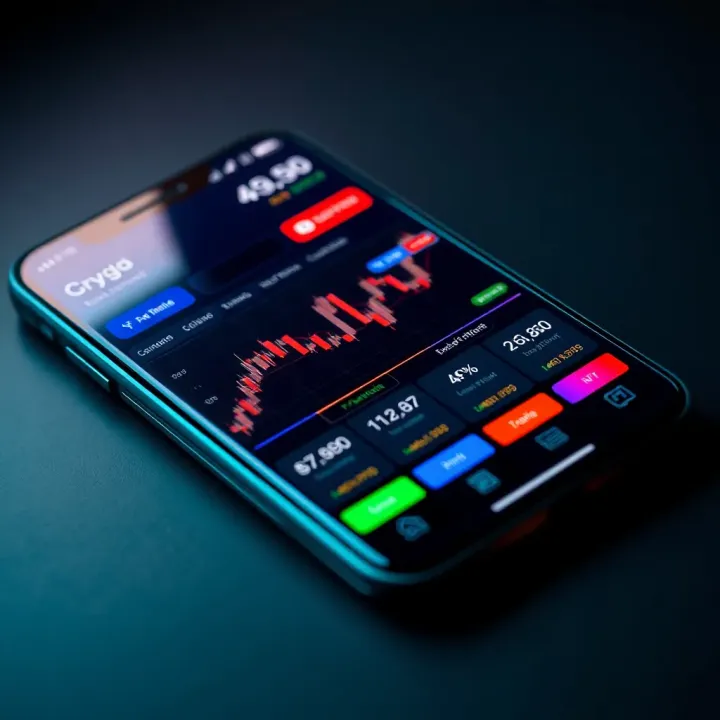
Ease of navigation plays a vital role in how effectively you can trade. A cluttered or confusing interface often leads to errors or missed opportunities. Look for apps where important functions like buying, selling, and checking balances are easy to find and use. For example, many popular apps arrange these features clearly on the home screen or menu, reducing the learning curve for new users. This ease is especially helpful when the market is volatile and you need to act quickly.
Mobile responsiveness and app speed matter because most Pakistani traders prefer using smartphones. A trading app that loads slowly or freezes can cost time and money, especially during high market activity. A well-optimised app performs smoothly on both Android and iOS devices, handling quick trades and real-time updates without lag. For instance, apps like Binance and Bitso have dedicated mobile versions that adapt well to various screen sizes and maintain performance even on slower 3G or 4G connections frequently used in Pakistan.
Many Pakistani users focus on popular coins like Bitcoin (BTC), Ethereum (ETH), and newer options such as Binance Coin (BNB) or Cardano (ADA). When assessing an app, check if it supports these cryptocurrencies along with stablecoins like USDT, which are vital for hedging during currency fluctuation. The variety of trading options, such as spot trading, margin trading, or futures, may also be important depending on your risk appetite.
Fiat currency support, particularly for the Pakistani Rupee (PKR), is a major consideration. Not every app allows direct deposit or withdrawal in PKR, which means users may face delays or extra currency conversion charges. Apps that integrate with local payment methods like JazzCash or Easypaisa simplify funding accounts and withdrawing profits. Direct PKR support helps avoid unnecessary exchange losses and makes trading smoother for users.
Two-factor authentication (2FA) adds a critical layer of security by requiring a second form of verification when logging in or confirming trades. Given the risk of hacking, especially in Pakistan where cyber fraud attempts have been rising, enabling 2FA through apps like Google Authenticator or SMS codes reduces the chance of unauthorised access.
Know Your Customer (KYC) requirements ensure the app complies with Pakistani laws and FBR guidelines. Apps request for your CNIC and sometimes proof of address to verify your identity. This process helps prevent illegal activities but can be a hurdle if the app’s verification system is inefficient. Choosing an app with a straightforward KYC process saves time and avoids account blocks.
Data encryption and wallet security are foundational for protecting your assets. Leading apps store user data securely and offer cold wallets—offline storage for cryptocurrencies—to reduce the risk of theft. Pakistani traders should prefer apps that clearly explain their security protocols and have a good reputation for keeping client funds safe in local forums or reviews.
When selecting a crypto trading app, balance convenience with strict security and local payment support to trade confidently in Pakistan’s evolving market.
By focusing on these features, traders, investors, and analysts in Pakistan can pinpoint an app that meets their needs—not just on paper but in real-life trading conditions and local regulations.
Understanding the legal and regulatory framework is essential when dealing with crypto trading apps in Pakistan. These rules affect the access, usage, and security of such platforms, and being aware helps avoid pitfalls and ensures compliance with local laws. The regulatory landscape is still evolving, so traders must keep informed to navigate safely.
The State Bank of Pakistan (SBP) plays a significant role in regulating financial activities, including cryptocurrencies. SBP has not recognised cryptocurrencies as legal tender, which means they do not endorse their use officially. However, it has issued warnings about the risks involved in crypto trading and has restricted banks from facilitating crypto transactions. At the same time, the Securities Exchange Commission of Pakistan (SECP) is monitoring developments closely, especially regarding security and fraud concerns linked to crypto platforms.
For a user, this means crypto trading apps must operate without direct banking support within Pakistan, limiting options for direct deposit or withdrawal using traditional bank accounts. Many platforms rely on mobile wallets like JazzCash or Easypaisa for transactions, but these also face restrictions. Staying aware of SBP and SECP communications helps users anticipate possible service interruptions or regulatory changes.
Beyond monetary regulators, the Federal Board of Revenue (FBR) has brought cryptocurrencies under the tax net. Users must report crypto earnings when filing taxes. It is vital to follow the latest FBR guidelines to avoid penalties. This includes keeping track of profits or losses from trading and declaring them honestly, as the government increasingly focuses on digital assets for revenue generation.
The current restrictions by SBP have led to limitations on app functionality. Many crypto apps do not support direct PKR deposits through bank transfers or mobile wallets fully regulated by Pakistani authorities. Users find themselves dependent on peer-to-peer (P2P) markets or international payment gateways without local backing, leading to delayed transactions or higher fees.
Moreover, these constraints force apps to operate in a legal grey area. Apps might suddenly get blocked or face operational hindrances if enforcement tightens. This instability can disrupt trades and cause financial losses if users are not cautious.
Legal risks for Pakistani users also arise due to unclear or evolving laws. While trading itself is not outlawed, investing in cryptocurrencies carries risks since authorities could impose stricter rules anytime. Users must ensure they comply with KYC (Know Your Customer) procedures, keep detailed records of transactions, and avoid unverified platforms. Ignoring these aspects might expose traders to fines or legal complications.
In short, Pakistani crypto users must balance the opportunities of trading with the need for vigilance concerning regulatory updates. Understanding legal boundaries helps protect investments and avoid unexpected trouble.
Keeping in touch with official updates from SBP, SECP, and FBR is a practical step that supports safer crypto trading in Pakistan. Besides, consulting financial or legal advisors specialising in cryptocurrency can provide tailored guidance based on changing laws.
Getting started with a crypto trading app in Pakistan involves clear steps to ensure smooth, secure, and compliant trading. Each step—from account creation to your first trade—matters, especially given local regulations and payment methods. This section breaks down the process so you can begin trading confidently.
Registering with valid CNIC is your first step. Pakistani apps almost always require a valid Computerised National Identity Card (CNIC) to create an account. This helps the platform verify your identity and comply with government regulations. For example, a leading app like Binance Pakistan requires CNIC submission during signup to link your profile with your official identity. This process protects both you and the platform against fraudulent activity.
Following registration, you'll need to complete the Know Your Customer (KYC) process. This involves uploading scanned copies or photos of your CNIC and sometimes proof of address, such as a utility bill. KYC is a mandatory step embraced by Financial Action Task Force (FATF) guidelines that Pakistan also follows through the State Bank and Federal Board of Revenue. It not only meets legal requirements but also secures your account by preventing identity theft and money laundering. Completing KYC usually takes a few hours to a couple of days, so plan accordingly.
Most Pakistani crypto apps support a few methods to fund your trading account. Bank transfers and mobile wallets like JazzCash and Easypaisa are common options. These platforms have become widely popular, offering quick, familiar methods to move money into your trading wallet. For instance, you can transfer Rs 50,000 from your Habib Bank Limited account or JazzCash wallet seamlessly. Using such mobile wallets is often faster than traditional bank transfers, especially outside normal banking hours.
Understanding your transaction fees and limits is crucial before you deposit funds. Each platform sets its own fee structures; some charge a small percentage on deposits or withdrawals, while others have flat fees. Limits also vary—for example, one app might allow a daily deposit limit of Rs 200,000, while another restricts it to Rs 50,000. These charges and caps directly affect your trading capacity and cost management, so read the terms carefully to avoid surprises.
Once your account is funded, the next step is choosing buy or sell orders. If you expect the price of Bitcoin to rise, you place a buy order to enter the market. Conversely, if you want to exit or profit from gains, you place a sell order. Pakistani traders often start with smaller trades to get familiar with market movement and order execution.
There are mainly two order types to consider when trading: market and limit orders. A market order buys or sells immediately at the best available price, ideal for quick execution but with less price control. Meanwhile, a limit order lets you set the precise price at which you want to buy or sell — your trade will execute only if the market hits that price. For example, if Bitcoin is at Rs 4.5 million, you can place a limit buy order at Rs 4.4 million to wait for a dip before purchasing.
Starting carefully with these order types helps manage risk and improve your trading strategy over time.
Taking these steps with awareness of Pakistan’s local crypto landscape will make trading smoother and safer. Next, you can explore advanced options as you gain experience.
When trading cryptocurrencies in Pakistan, safeguarding your account and assets is critical. Crypto markets operate 24/7, often with limited regulatory oversight locally. This reality makes adopting strong security measures essential to avoid theft, fraud, or loss. Following best practices not only protects your investment but also helps maintain confidence as the crypto ecosystem evolves.
Enabling two-factor authentication adds an extra security layer beyond just a password. Once enabled, after entering your password, you'll need to provide a time-sensitive code generated on a secondary device or app, like Google Authenticator or a text message. This prevents unauthorised access even if someone steals your password, a common risk considering phishing and data breaches. For instance, many Pakistani users have reported hacking attempts traced back to poor password management — 2FA blocks such attacks effectively.
For traders holding significant cryptocurrency amounts, using hardware wallets offers the safest storage option. These are physical devices that keep your private keys offline, away from internet threats. If you're holding coins worth several lakh rupees or more, storing them on software wallets or exchanges is risky, especially given the local scams reported in the past few years. Popular hardware wallets, like Ledger or Trezor, provide an extra shield since transactions require physical confirmation on the device. This is a must for Pakistani investors who prefer long-term holding over frequent trading.
Recognising phishing attempts is key to avoiding loss of funds or personal information. Phishers often send fake emails, messages, or create counterfeit websites that mimic popular crypto apps or exchanges. They trick users into entering their credentials or secret keys. In Pakistan, many scams come through WhatsApp groups or social media ads promising quick profits — always double-check URLs and never share your private keys. Remember, reputable apps will never ask for private keys or OTPs through email or chat.
Verifying the authenticity of your trading app before download protects you from fake or malicious apps. Download only from official app stores or verified platforms. Several fake crypto apps lure Pakistani users by promising low fees or bonus coins but are designed to steal data. Check app developer names, reviews, and update frequency. Using well-known and established apps reduces risk and ensures proper regulatory status. Always update your apps regularly to benefit from security patches.
Protecting your crypto investments starts with simple steps like strong authentication and cautious downloading. These small habits save you from big losses in the fast-moving crypto world.
Following these security tips allows Pakistani traders to focus on making informed decisions rather than worrying about fraud or hacks. A disciplined approach to safety is as important as understanding market trends.
Choose the right forex trading app in Pakistan with our practical guide 📱 covering features, security, regulations, and user tips for local market success.

Discover how to choose the best trading app in Pakistan 🇵🇰 with our clear guide on features, app comparisons, regulations, and tips for all traders.
Explore crypto trading platforms in Pakistan with this guide covering security, regulations, platform types, and tips to trade safely and effectively 🇵🇰💹🔐
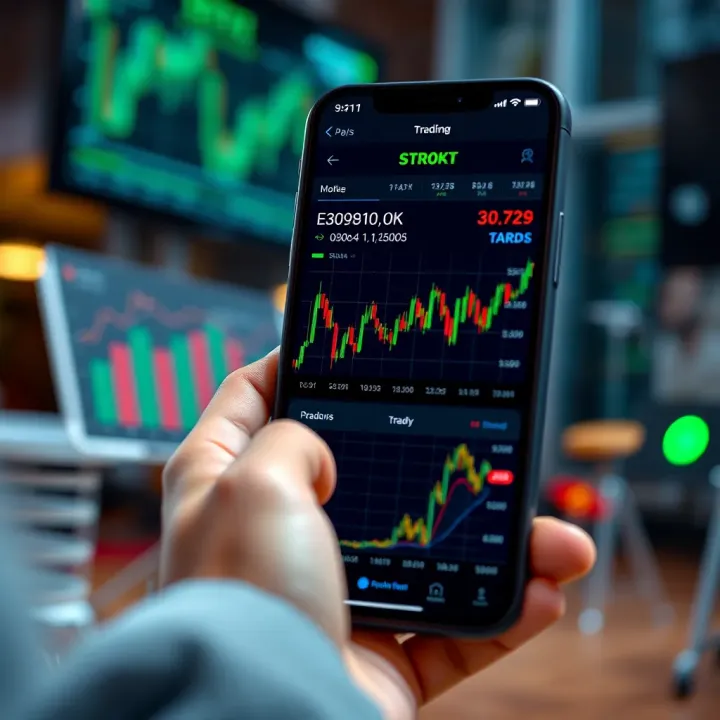
Discover how to pick the best stock trading app for Pakistani investors 📱💹 Compare costs, security, and user experience to trade confidently in local and global markets.
Based on 9 reviews