
Top Crypto Trading Platforms in Pakistan for 2024
Looking for the best crypto trading platforms in Pakistan? Discover top features, secure options 🔒, fees, and user-friendly tools for smarter trades today!
Edited By
Jack Reynolds
Cryptocurrency trading in Pakistan has gained traction, but it comes with unique challenges. Many people want to invest in Bitcoin, Ethereum, or other digital currencies, but navigating local platforms is not always straightforward. This section introduces the essential points you need to keep in mind before choosing a crypto trading platform.
Most crypto trading platforms allow users to buy, sell, and exchange various cryptocurrencies. However, Pakistani users face hurdles related to payment methods, regulation, and security. For example, popular global exchanges like Binance or Coinbase may not support direct PKR deposits or withdrawals. That’s where local or regionally friendly platforms come into play.
Key features to consider upfront include:
User Interface and Experience: Platforms with simple, clear dashboards help beginners avoid costly mistakes. Many Pakistani users prefer platforms with both mobile apps and web access.
Deposit and Withdrawal Methods: You want options like JazzCash, Easypaisa, or bank transfers. Platforms accepting these methods save you from complex workarounds.
Trading Pairs: Look for exchanges offering PKR trading pairs alongside major cryptocurrencies. This simplifies the process and can reduce fees.
Fees and Charges: Every platform charges differently. Check trading fees, deposit/withdrawal fees, and any hidden costs. For example, some exchanges may charge a flat fee, while others use a percentage-based approach.
Security Practices: The crypto world is vulnerable to hacks. Platforms providing two-factor authentication (2FA), cold storage for funds, and clear security policies offer added protection.
Regulatory Status: Crypto regulation in Pakistan remains ambiguous, though the State Bank of Pakistan (SBP) warns against direct dealings with cryptocurrencies. Still, some platforms comply with local laws or obtain necessary licences. Understanding the regulatory environment helps you avoid legal trouble.
Remember, no platform is entirely risk-free, especially in Pakistan’s shifting crypto climate. Always start with small amounts and prioritise platform reliability over hype.
In the sections ahead, we will dissect these points further, focusing on practical examples of platforms available to Pakistanis, how to ensure safe trading, and what regulations you should be aware of.
Understanding crypto trading platforms is essential for anyone looking to trade or invest in cryptocurrencies in Pakistan. These platforms are the gateways for buying and selling digital assets. Knowing how they operate helps you choose the right one and trade wisely. For example, a newcomer confused about where to start can pick a platform tailored to their needs and avoid common pitfalls.
Crypto trading platforms allow users to buy or sell cryptocurrencies like Bitcoin, Ethereum, or local favourites through a digital interface. Instead of meeting sellers or buyers directly, these platforms provide a convenient way to trade using Pakistan's preferred payment methods such as bank transfers or Easypaisa. The process is similar to exchanging foreign currency at a bank but happens entirely online and often in real-time.
Platforms work by matching buyers who want to purchase coins with sellers who offer them. This matching happens using an order book where buy and sell orders are listed. When prices align, the trade executes automatically, keeping the market active and prices fair. For instance, if you want to buy Bitcoin, the platform finds someone willing to sell at your offered price, and the transaction completes swiftly, reducing the need for manual negotiation.
Besides trading, these platforms offer charts and market data that show price movements over time. They help traders analyse trends and decide the best time to buy or sell. Local traders might track Bitcoin’s price against the Pakistani Rupee during Eid to estimate how much investment is worthwhile before festival shopping kicks in. Access to real-time data ensures decisions are based on current market conditions, not guesswork.
Centralised exchanges (CEX) like Binance and Coinbase hold users’ funds and handle the trading process on their own servers. They offer high liquidity, fast transactions, and user-friendly interfaces. Many Pakistanis prefer these because they support Urdu language and local deposit options. However, users must trust the platform to safeguard their funds.
Decentralised exchanges (DEX) allow trading without a middleman by linking buyers and sellers directly using blockchain technology. Platforms like Uniswap operate on this model, giving users control of their private keys. Though this reduces risks tied to central control, DEXs often have less liquidity and can be trickier for beginners in Pakistan to use due to complex interfaces.
P2P platforms connect buyers and sellers directly, enabling them to negotiate prices and payment methods. Local users often prefer P2P platforms when banks block crypto transactions. Platforms such as LocalBitcoins let traders agree on payment via bank transfer, Easypaisa, or even cash on delivery if trust is established. This method suits users who prioritise flexibility but also requires caution to avoid scams.
Getting familiar with the different types of crypto platforms helps traders pick the right approach matching their comfort, security needs, and trading goals in Pakistan’s unique market.
When selecting a crypto trading platform in Pakistan, focusing on key features can save you from future headaches. With so many options available, not all platforms offer the security, ease, and flexibility you need. Below are essential factors to consider for safe and convenient trading.
Two-factor authentication (2FA) adds an extra layer of protection by requiring two types of verification before you log in or approve transactions. Typically, this means entering your password along with a code sent to your mobile device. For Pakistani traders, where cyber threats are rising, 2FA is a must-have. It stops someone who steals your password from easily accessing your account.
Cold storage options mean your cryptocurrencies are kept offline, away from internet threats. Most reputable platforms keep the bulk of users’ assets in cold wallets, reducing the risk of hacking. Since many Pakistani traders deal with sizeable amounts sometimes worth lakhs, cold storage ensures your funds aren’t casually exposed to cyberattacks.
Encryption standards protect your data during transactions and account activities. Platforms with strong encryption ensure your information cannot be easily intercepted or tampered with, especially when using public Wi-Fi or less secure networks common in Pakistan. Look for platforms that mention AES-256 or TLS protocols, which are known for strong security.
Mobile app availability is vital in Pakistan’s mobile-centric world. Whether commuting in Islamabad or waiting at a dhaaba in Lahore, being able to check your portfolio and execute trades on the go is invaluable. Platforms offering dedicated, regularly updated mobile apps for both Android and iOS provide smoother, faster access than browser versions.
Ease of navigation matters a lot, especially for newcomers. Complex layouts with cluttered menus can confuse even experienced traders. A clean, intuitive interface that organizes market data, orders, and wallet balances in a straightforward way helps prevent costly missteps. Platforms that offer customisable dashboards improve user experience further.
Support for Urdu and English languages can be a big plus in Pakistan. While many users feel comfortable in English, having Urdu as an option helps brokers and students fully grasp trading terms without language barriers. This inclusion also signals a platform’s commitment to localising services for Pakistani clients.
Spot trading and futures provide different opportunities. Spot trading involves buying or selling cryptocurrencies instantly at current market prices. Futures trading allows speculating on price movements without owning the asset, useful for hedging but riskier. Pakistani traders should pick platforms that offer both options if they want flexibility.
Fee structures and transparency cannot be ignored. Look for platforms that clearly list trading fees, withdrawal charges, and any hidden costs. A platform charging 0.1% per trade might seem affordable, but if withdrawal fees are exorbitant, your profits will erode. Transparent platforms build more trust in Pakistan’s emerging crypto market.
Withdrawal and deposit options affect how smoothly you can move funds. Some platforms accept local bank transfers, JazzCash, or Easypaisa deposits, making it easier for Pakistanis to invest or withdraw without costly international transfers. Check the supported payment methods and timeframes before committing.
Choosing a platform is not just about flashy features—it’s about security, usability, and cost-effectiveness that fit your profile as a Pakistani trader.
Understanding the regulatory framework is essential for anyone engaging with cryptocurrency trading in Pakistan. This landscape shapes how platforms operate, how users interact legally with crypto assets, and what risks come with non-compliance. Given the dynamic nature of digital currencies, staying updated on local regulations helps traders avoid legal pitfalls and protects their investments.
The State Bank of Pakistan (SBP) has taken a cautious stance on cryptocurrencies. Since 2018, SBP has not recognised crypto assets as legal tender, meaning they do not support their use as official currency. More notably, SBP prohibits banks and financial institutions from facilitating transactions involving cryptocurrencies. This policy limits direct banking support for crypto trading and compels users to rely on peer-to-peer (P2P) platforms or foreign exchanges.
For example, since Pakistani banks cannot directly process deposits or withdrawals for crypto exchanges due to SBP policy, traders often face delays or must resort to informal payment methods like JazzCash or Easypaisa transfers. Understanding these restrictions helps users plan realistic fund management without expecting traditional bank services.
From a legal perspective, owning or trading cryptocurrencies is not explicitly illegal, but the lack of official recognition means protections are limited. Users should be aware that crypto trading falls into a grey area — no clear consumer rights or dispute resolution mechanisms exist specifically for digital asset transactions in Pakistan.
This legal uncertainty means traders must exercise caution, as recovering lost funds through legal channels can be challenging if a platform shuts down or scams occur. For instance, if a Pakistani user falls victim to fraud on an unofficial exchange, reporting it to authorities such as the Federal Investigation Agency (FIA) might be slow or ineffective due to limited crypto understanding.
Local crypto exchanges face considerable hurdles because of the regulatory environment. Many avoid collaboration with banks, relying instead on P2P networks or third-party payment providers. This structural limitation affects liquidity, deposit and withdrawal speeds, and overall trading experience.
Furthermore, exchanges operating without oversight risk closure or blacklisting by regulators. This fragility means users might find fewer local options compared to international platforms like Binance or Coinbase, which offer more robust services but require careful navigation given currency conversion and regulatory risks.
Trading on unregulated or foreign platforms not approved by Pakistani authorities carries real risks. These platforms might lack proper security measures, customer support, or transparency in fee structures. Users risk losing funds due to hacks, exit scams, or unfair trading practices.
For example, an unregulated exchange offering unrealistic returns could suddenly disappear overnight, leaving investors with no recourse. Even big international platforms sometimes suspend operations in certain countries due to regulatory pressure, disrupting users unexpectedly.
Investors and platforms must comply with anti-money laundering (AML) regulations to prevent financial crimes. Although Pakistan's AML framework is still evolving in the crypto space, many platforms adopt Know Your Customer (KYC) procedures to verify identities and monitor suspicious activity.
For traders, submitting CNIC details and tracking transaction history safeguards both them and the platform from legal trouble. Ignoring these measures might lead to account blocks or legal scrutiny, especially when dealing with large sums.
Given the regulatory gaps, personal security practices remain critical. Traders should use hardware wallets for long-term storage, enable two-factor authentication (2FA) on platforms, and stay alert to phishing attempts targeting Pakistani users.
Regularly updating passwords and avoiding public Wi-Fi when trading or transferring funds can reduce risk. Pakistani traders often share stories of losing funds due to careless practices. Having strong security habits complements external regulation to protect investments effectively.
Staying informed about Pakistan’s crypto regulatory landscape and practising caution isn’t optional—it’s vital for safe trading. Combining knowledge with secure habits can make all the difference in this fast-changing field.
Selecting the right crypto trading platform is essential for Pakistani users to navigate this complex and often volatile market effectively. The choice affects ease of trading, security of funds, and access to support—all critical areas to safeguard your investments and optimise returns. Not all platforms suit every trader’s needs, so understanding the specific features and realities of popular options helps you make a more informed decision.
Binance and Coinbase are among the most recognised global crypto exchanges. Binance offers extensive coin variety with deep liquidity, meaning you can buy or sell popular cryptos like Bitcoin, Ethereum, and local favourites quickly without major price shifts. Their mobile app works well in Pakistan, making trading convenient even during loadshedding hours if you have intermittent access. Coinbase, on the other hand, focuses more on beginner-friendly design and regulatory compliance. However, some features or coins might be limited in Pakistan due to local regulations.
While these platforms bring global reliability, their ties to foreign regulations can sometimes create friction with local banking systems or require additional identity verification steps. Still, many Pakistani traders use these platforms for their wide trading pairs and higher security standards.
Locally based platforms like Bitex, Urdubit, and Rain tend to provide better customer service attuned to Pakistani banking and legal issues. They often accept deposits through local banks or mobile wallets like JazzCash and Easypaisa, which eases the transfer of funds without hefty international fees or delays.
These platforms also tend to support Urdu alongside English, which helps users unfamiliar with complex English trading terms. However, these exchanges might have lower liquidity or fewer coin options than global players, which could affect trade execution speed and availability.
Peer-to-peer (P2P) platforms such as LocalBitcoins or Paxful let Pakistani traders buy and sell crypto directly between users. This can be useful when traditional exchanges impose restrictions or delays. P2P platforms often allow payment through local methods, including bank transfer, mobile wallets, or even cash in hand.
The downside is that P2P trading relies heavily on trust and proper due diligence. Since trades occur between individuals, the risk of scams or fraud is higher. Verified user ratings and escrow services provide some protection, but careful vetting and cautious transaction behaviour are vital.
Security should take precedence over convenience. A platform might offer a slick interface, but if it lacks strong two-factor authentication (2FA), cold wallet storage, or clear compliance with regulatory norms, your investment could be at risk. Platforms with a poor security record or weak encryption leave you vulnerable to hacks.
For example, some lesser-known apps in Pakistan offer quick sign-up and zero fees but fail basic security checks. It's better to choose a slightly more cumbersome platform with a strong security reputation than a hack-prone but fast platform.
Trading volume reflects how active a platform is, directly affecting its liquidity. Higher liquidity means you can buy or sell crypto quickly at a fair price. Platforms like Binance boast high daily volume, which lowers the risk of price slippage during transactions.
Local platforms may struggle to match these volumes, especially for less popular coins, leading to longer wait times and wider spreads. Assess your trading frequency and coin preferences before settling on a platform with sufficient liquidity for your needs.
Having reliable customer support can save you from significant losses during technical glitches or transaction issues. Many global platforms provide 24/7 support, but response times can vary and may not always cater to Pakistani time zones.
Local platforms, while often with smaller teams, provide more tailored support and understand local payment systems and regulatory environment better. Ensure the platform you're considering offers prompt, clear communication channels—whether through live chat, phone, or email.
Choosing the right crypto trading platform is a balance of security, usability, and local service. Evaluate your priorities carefully to trade confidently and safely in Pakistan's evolving crypto market.
When dealing with cryptocurrencies, especially in Pakistan’s evolving market, practising safe trading and managing risks is essential. Crypto's unregulated nature locally and the high price swings make it easy to lose money if you aren’t careful. Adopting smart safety steps protects your investments and reduces chances of falling victim to scams.
Using hardware wallets keeps your digital assets offline, making them less vulnerable to hacking attacks. Unlike keeping coins on exchanges or online wallets, hardware wallets store your private keys physically, so even if your computer gets a virus, your crypto will be safe. This is especially useful if you plan to hold crypto for long periods without frequent trading.
Regular password updates help guard accounts on exchanges or wallets. Using unique, strong passwords and changing them often prevents unauthorised access. This simple habit can stop hackers from breaking in, as leaked credentials from other sites often get tested on crypto platforms. Avoid predictable passwords or reusing those from banks or email.
Recognising phishing attempts is critical as scammers often trick users with fake websites, emails, or messages that look like official platforms. For example, a WhatsApp message claiming your Binance account has been locked might ask you to share your login details. Always double-check URLs, avoid clicking on suspicious links, and never share private keys or one-time passwords (OTPs). Such vigilance can save you from losing your whole portfolio.
Setting realistic expectations means understanding crypto prices can swing wildly day-to-day due to market sentiment or news. Thinking of crypto as a guaranteed way to get rich overnight leads to rash decisions and losses. Instead, plan for longer-term holding and trade only what you can afford to lose without hardship.
Knowing common scam tactics helps spot fraud early. Pyramid schemes promising high returns with referrals, fake initial coin offerings (ICOs), and impostor accounts on social media are frequent traps. For example, a bogus account may claim to offer doubling your investment via crypto giveaways. Be wary of unsolicited offers or promises that sound too good to be true—they usually are.
Importance of thorough research cannot be overstressed. Before using any platform or investing in tokens, read reviews, check community forums, and understand regulatory warnings from Pakistani authorities like the State Bank of Pakistan. Platforms with transparent operations and strong security records tend to be safer. This research lowers risks and helps you navigate Pakistan’s crypto trading scene confidently.
Staying cautious and informed will save you from many troubles in crypto trading. A little effort on safety today prevents big headaches tomorrow.
Looking for the best crypto trading platforms in Pakistan? Discover top features, secure options 🔒, fees, and user-friendly tools for smarter trades today!

Find the best forex trading platform for Pakistani traders 🇵🇰. Explore key features, security, costs, and support to match your trading style with ease 💹.
🚀 Find the best cryptocurrency trading platform in Pakistan 🇵🇰 with our guide on fees, security, coin options, and local regulations for safe trading.
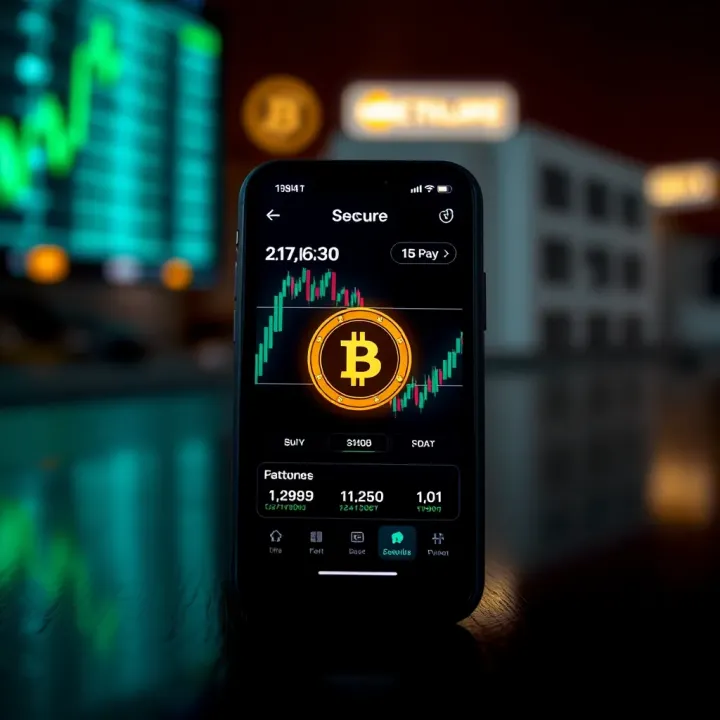
Discover top crypto trading apps in Pakistan 🇵🇰! Learn about features, security, fees, regulations, and tips to trade smart and stay safe 🛡️📱.
Based on 13 reviews