

Best Trading Apps for Pakistani Investors
📈 Discover how to pick the best trading app in Pakistan with tips on fees, security, usability, and support to boost your investment confidence! 🇵🇰
Edited By
Sophie Bennett
Finding the right online trading app in Pakistan can feel like searching for a needle in a haystack, especially with so many choices out there. Whether you're a seasoned trader or just starting out, picking an app that ticks the right boxes can make all the difference between hitting your goals or facing frustration.
This guide breaks down the essentials you need to know — from what features to watch for, to security measures you shouldn't ignore, and how local regulations shape your options. We’ll also talk about some common hurdles traders in Pakistan face, like connectivity issues or limited trading hours, and how the best apps help tackle these.
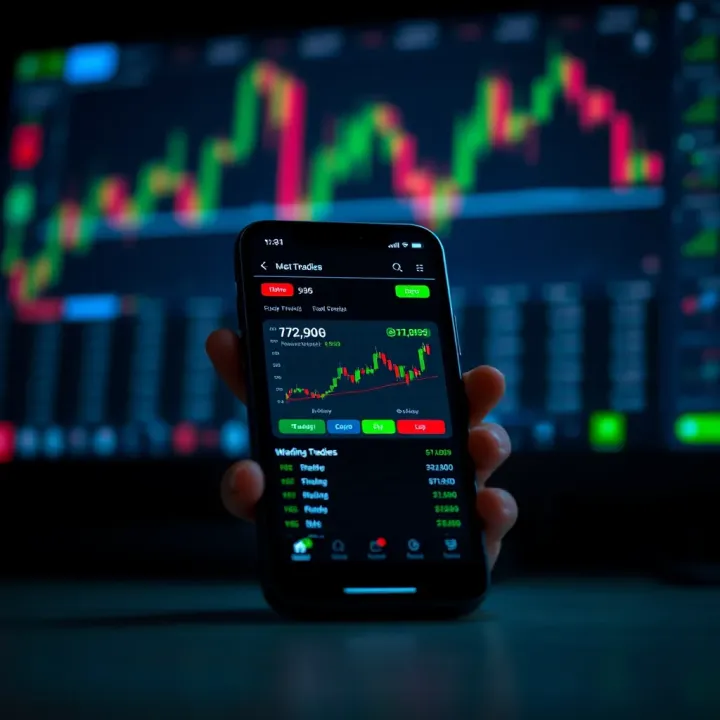
If you want to trade smartly and safely via your phone, the info here will help you make an informed choice without getting lost in tech jargon or flashy ads. We'll also give you a glimpse at some of the popular apps making waves in Pakistan's trading scene right now.
Picking a trustworthy trading app isn't just about cool features; it’s about finding a tool that fits your trading style, keeps your money safe, and works smoothly in the Pakistani market environment.
Let’s get started and cut through the noise so you can find the online trading app that truly works for you.
Online trading apps have reshaped how people buy and sell stocks, commodities, and currencies, especially in a market like Pakistan’s where mobile use is skyrocketing. Getting a solid grip on what these apps do is the first step for any trader or investor interested in making decisions on the go or from the comfort of their own home.
Besides convenience, understanding the purpose and core functions of trading apps helps users choose platforms that fit their trading style and financial goals. For instance, a day trader may require real-time alerts and detailed charts, while a long-term investor might value intuitive portfolio management tools. Knowing these aspects can save wasted effort and even money down the line.
At their heart, online trading apps provide users access to financial markets through a mobile phone or tablet. The basic tools typically include:
Order placement and management, allowing users to buy or sell assets quickly.
Real-time price updates, crucial for making timely trades.
Portfolio tracking, to monitor gains, losses, and asset allocation.
Market news and notifications to keep investors in the loop.
Some apps also offer advanced capabilities like technical analysis indicators, customizable watchlists, and educational content. For example, PSX’s own mobile app provides direct trade execution and detailed market summaries, whereas international platforms like IG offer forex trading alongside extensive charting tools.
A key factor many overlook is market access. Most Pakistani apps focus on the Pakistan Stock Exchange (PSX), allowing trading in local stocks, government securities, and mutual funds. However, several international platforms are open to Pakistani investors, enabling access to US stocks, commodities like gold and oil, and global indices.
This broader access diversifies investment opportunities and helps traders hedge against local market volatility. For example, if the Pakistani rupee weakens sharply, investors might find it useful to shift some assets to international stocks or commodities through apps that handle multi-currency accounts.
The old days of placing trades via phone calls or visiting brokerage offices are fading fast. Trading apps put the power in your pocket with live market data and instant trade execution. Whether you’re commuting in Karachi or waiting in a Lahore café, your portfolio is never out of reach.
Real-time access means you can react promptly to breaking news or market movements. For example, if there's news about a new government policy affecting the oil sector, you can quickly decide to buy or sell relevant stocks within minutes.
Trading apps often come with lower fees compared to traditional brokerage firms. Since there's less overhead and paper-based processing, commissions tend to be reduced or even waived on certain platforms. Apps like TickerPlant or RStockTrade are popular among Pakistani users because they offer competitive rates and transparent fee structures.
Lower costs can make a big difference, especially for small investors or frequent traders. However, it's important to watch for hidden fees like withdrawal charges or inactivity penalties that might sneak up later.
For many Pakistanis, using a trading app isn’t just about ease; it’s a practical choice that saves time, money, and taps into growing financial markets with fewer barriers.
Understanding the nuts and bolts of these apps, from core functions to market reach and cost benefits, equips traders and investors with the insights needed to select the right platform. This foundation will guide you through other critical aspects like security, regulation, and specific app features covered in the sections ahead.
Understanding the regulatory environment in Pakistan is crucial for anyone looking to choose the best online trading app. The landscape is shaped by strict rules and oversight, particularly because trading apps deal with sensitive financial transactions and personal data. Familiarity with licensing requirements not only ensures your money is safe but also that the app operates transparently and legally within Pakistan’s financial ecosystem.
Licensed trading apps signal that they follow criteria set by local authorities to protect investors from fraud and malpractice. This is especially important in Pakistan, where the online trading scene is expanding rapidly but still vulnerable to scams and unregulated providers. A well-regulated app reduces the risk of sudden shutdowns or unexpected losses, giving you confidence to trade without worrying about hidden pitfalls.
The Securities and Exchange Commission of Pakistan, or SECP, serves as the watchdog for financial trading activities, enforcing rules designed to maintain fair markets and protect investors. Regulatory compliance means the trading app meets all legal requirements, including proper licensing, transparency in fees, and secure handling of client funds.
For example, an SECP-approved trading app must regularly audit its systems and submit reports, showing it operates above board. This compliance acts like a safety net; if issues arise, the SECP can intervene to protect users. Hence, using an app without SECP oversight is like skipping seat belts — the risk is unnecessary and avoidable.
SECP oversees trading apps by enforcing registration, licensing, and continuous monitoring. This means apps must register as brokers or agents and obtain a license before operating. SECP also checks that the app’s technology meets security standards to safeguard user information and funds.
Beyond initial approval, SECP keeps an eye on app performance through audits and market surveillance to prevent unfair practices. They may issue fines or revoke licenses if an app violates rules. So, if an app proudly shows its SECP license number, it’s a good sign they are monitored and held to standards.
Before installing any trading app, users should verify if the app is officially licensed. The SECP website lists all authorized stockbrokers and their trading platforms in Pakistan. A quick check there can weed out suspicious services.
Look for these signs that confirm legitimacy:
Display of SECP registration number within the app or website
Presence of real company address and contact details
Positive reviews from recognized financial news sources and user communities
Transparent fee structures with no hidden charges
Apps that hide these details or provide unclear information should raise red flags.
The online trading space has its share of scams, ranging from fake apps to phishing schemes. Here’s what to watch out for:
Apps promising unrealistic returns with no risk — this is a classic bait
Unsolicited calls or messages pushing you to deposit large sums quickly
Apps not available on official app stores or only downloadable from unknown sources
Lack of verifiable corporate identity or licensing info
In Pakistan, many scams target less tech-savvy investors. Always stick to well-known and SECP-licensed apps like AKD Securities or JS Global Capital to avoid falling into trap. Never share sensitive details like bank passwords or CNIC numbers casually.
Remember: No legitimate platform will hurry you into decisions or request private info outside secure channels. If something sounds too good to be true, it probably is.
By understanding the regulatory environment, complying authorities, and how to spot licensed platforms, Pakistani traders can steer clear of shady operations. This vigilance is step one toward a safer, more confident trading experience.
Picking the right trading app isn’t just about flashy interfaces or catchy ads. For traders in Pakistan, carefully weighing key features is what separates a clunky app from one that genuinely helps you grow your portfolio. These features impact everyday usability, security, and how efficiently you can respond to market changes.
Before diving in, consider this: a good trading app acts like a reliable co-pilot, giving you real-time info, solid security, and enough tools to make smart decisions without feeling overwhelmed.
You don’t want to spend precious minutes hunting down buttons or struggling to place an order when the market's moving fast. Intuitive design means the app feels natural and simple—even if you’re not tech-savvy. Think about MCB Trade or JS Global’s apps: their clean layouts and clear buttons make trading less stressful. You want quick access to your portfolio, watchlists, and order placements, ideally with minimal taps.
The app should guide you, not confuse you with tech jargon or useless features. Good apps use straightforward menus, logical workflows, and helpful prompts that break down complex trading steps into digestible chunks.
Every trader’s style is different; some like watching certain stocks, others focus on commodities or forex. Customization lets you tailor dashboards, alerts, and watchlists so that your app reflects what matters to you.
Customizable widgets showing your preferred markets, notification settings for price changes, and adjustable chart types can make a big difference. For example, EasyPaisa Trade’s customizable alerts let you act quickly on market moves without being buried under irrelevant info.
A broad selection of tradable assets means more chances to diversify or jump on opportunities. Pakistani traders benefit from apps offering local stocks like KSE 100, but also commodities—like gold or oil—and forex pairs with USD, EUR, or PKR.
For instance, apps like HBL Konnect have expanded their instruments, giving users access to both standard stocks and niche commodities. This variety lets traders balance risk and align investments with economic trends affecting Pakistan and beyond.
Access to both Pakistan's local markets and global exchanges lets you hedge bets or tap into fast-growing sectors beyond borders. Platforms such as Interactive Brokers have extended offerings for Pakistani users looking to trade US stocks and forex, while local apps focus mainly on Pakistan Stock Exchange.
Keep in mind how easily funds can be moved between accounts or if there are restrictions on foreign currency trading—a common pain point for Pakistani investors dealing with currency conversions or international payment gateways.
Your trading app handles your money and sensitive info, so military-grade encryption shouldn’t be optional. Look for apps that use AES-256 encryption or similar standards to keep data under lock and key. This ensures that even if cybercriminals get through network defenses, your personal data is scrambled beyond use.
Securities firms regulated by SECP often implement strict protocols, but it never hurts to check app privacy policies and security certifications. Apps like Bank Alfalah’s digital trading platform emphasize encrypted transactions.
Passwords alone are weak links. Two-factor authentication (2FA) adds a second shield—think codes sent to your phone or apps like Google Authenticator. Even better, biometric options—like fingerprint scans or facial recognition—boost security while making login faster and smoother.
For Pakistani users, who might be trading on mobile devices prone to theft or loss, these layers of protection are vital. Apps bringing these features to the table tend to earn more user trust.
Nothing hurts a trader more than delayed info. Real-time data keeps you connected to minute-by-minute market moves, vital for day traders or anyone placing limit orders. Whether you’re eyeing a surge in TRG Pakistan’s stock price or a sudden drop in forex rates, up-to-date data avoids costly surprises.
Apps such as Al Meezan’s trading platform provide live streaming of market prices, ensuring traders don’t act on stale or delayed info.
Beyond raw data, smart apps pack in analysis tools—like candlestick charts, moving averages, RSI, or earnings reports. These help traders make sense of trends, identify entry/exit points, or assess company health.
For example, having access to Pakistan Stock Exchange’s official financials alongside customizable charting within the app lets users form stronger, evidence-based strategies instead of just guessing.
Choosing a trading app with the right features can turn the difference between a frustrating experience and a truly empowering one. Focus on usability, diversity of markets, security, and solid analytical tools to keep your trading game strong in Pakistan’s unique market environment.
Knowing which trading apps are popular in Pakistan helps investors find reliable platforms suited for their needs. These apps are tailored to serve Pakistani traders with features that match local preferences, regulations, and market demands. Understanding the key players in this space gives users an edge in selecting a trustworthy and efficient trading partner.
Local trading apps like Mettis Global and KSE-Trade are designed specifically for the Pakistan Stock Exchange (PSX). These platforms typically offer real-time market quotes, order placement, portfolio tracking, and access to research reports on domestic stocks. What sets them apart is the localized focus on Pakistani securities and integration with local brokerage accounts, simplifying trading for those new to online investing. Moreover, convenient deposit and withdrawal processes aligned with Pakistani banking systems make trading smoother. Customizable watchlists and news feeds related to Pakistan’s economy also help traders stay informed without leaving the app.
User reviews offer a peek into the actual experience of trading apps. Typically, apps like Hub Softech and PSX's official app score well for ease of use and quick order execution, but sometimes lag in customer service responsiveness is a complaint. Checking app store ratings for the latest version helps identify how an app performs in real-world scenarios—be it stability, speed, or feature updates. Pakistani users value apps offering Urdu language support to avoid confusion, so pay close attention to these aspects in reviews. Also, reviews often warn users about hidden fees or glitches during peak market hours, valuable insights for new traders.
Beyond the local market, platforms like Interactive Brokers and eToro provide access to global stock exchanges and forex trading for Pakistani users. These apps allow trading in U.S., European, and Asian markets with functionalities like fractional shares and forex pairs trading. This is a significant advantage for traders looking to diversify beyond PSX and tap into international opportunities, such as tech stocks listed on NASDAQ or commodities like gold and oil. However, users must check each platform’s accessibility in Pakistan and confirm whether local regulation permits these trades.
Funding international accounts from Pakistan requires care due to foreign currency controls and banking restrictions. Most global platforms accept transfers via wire, credit cards, or e-wallets like Skrill and Neteller. Pakistani traders should confirm deposit and withdrawal fees ahead, as some services may charge steep conversion fees or have slow processing times owing to cross-border transactions. For example, Interactive Brokers offers multiple local funding options and reasonable withdrawal timelines but requires users to comply with KYC rules strictly. Ensuring your chosen app supports hassle-free PKR to USD conversion or offers local currency wallets can save a lot of headaches.
When it comes to selecting between local and international trading apps, weighing factors like market access, ease of funding, and language support can make your trading smoother and safer in Pakistan’s unique financial environment.
Knowing the strengths and challenges of these apps puts you ahead in choosing the best fit, balancing local market insight with access to global financial opportunities.
When selecting an online trading app in Pakistan, understanding the costs, fees, and commission structures is essential. These factors not only impact your immediate expenses but can greatly affect your long-term profitability, especially if you trade frequently. Traders often focus so much on app features or ease of use that they overlook how hidden or complex fee arrangements can eat into their returns.
In Pakistan, the typical cost components on trading apps include brokerage commissions, spreads, and fees related to deposits and withdrawals. Getting a clear picture of these helps you set realistic expectations and budget accordingly. For example, even a seemingly low commission rate loses its charm if the app charges high withdrawal fees or inflates currency conversion costs. So keeping a close eye on all related charges, and not just one, saves traders from unpleasant surprises.
Brokerage commissions are the fees charged every time you buy or sell an asset, such as stocks, commodities, or forex. In Pakistan, most local apps charge anywhere between 0.1% to 0.3% per transaction on equities. For instance, a buy order of 100,000 PKR worth of stocks might cost you 150 to 300 PKR as commission. Forex and commodities trading may have different spreads—this is the small gap between the buy and sell price set by the broker and can fluctuate with market volatility.
Since spreads and commissions vary by instrument and broker, it’s wise to compare. For example, investing in the Pakistan Stock Exchange may have a narrower spread compared to trading international assets where currency conversion and extra market fees matter.
Some platforms have fees that aren’t obvious upfront. These might include inactivity fees if you don’t trade for several months or charges for withdrawing to certain bank accounts. Another common pitfall is fees on currency conversion for international trades, which can quietly add 1-2% extra cost.
To avoid being caught off guard, always review the fee schedule in detail. Also, check user reviews and forums like those for PSX traders where folks openly share experiences about unexpected charges. Transparency varies, so it pays to be cautious.
Most Pakistani trading apps support bank transfers, while many now accept popular e-wallets like JazzCash or Easypaisa. Transfers via local banks usually come with no or minimal fees, while e-wallet deposits can sometimes include a nominal charge.
Choosing an app that supports your preferred funding method makes life easier and could save costs. For example, if your app allows free JazzCash deposits, you might avoid extra bank transfer fees. However, if you want to fund your account in foreign currency for international trading, be prepared for additional costs related to currency conversion and international banking charges.
One other aspect that traders might overlook is the time it takes for your deposit or withdrawal to process. Some local banks might take a day or two to settle transactions, while e-wallets could be almost instant. Withdrawal limits are often set by apps and may require additional verification for large amounts.
It's best practice to plan your trades considering these time lags. If a sudden market opportunity pops up but your money is stuck in the withdrawal process, you'll miss out. Familiarize yourself with the app’s turnaround times and any restrictions to avoid frustration.
Ultimately, understanding the full picture of costs and fee structures on your trading app will help you make smarter trading decisions, minimize unnecessary expenses, and keep your trading journey smooth and profitable.
When you’re trading online, especially in a fast-moving market like Pakistan's stock exchange, every second counts. A slow or unreliable app can cost you money, while poor customer support can leave you stuck when you face problems. This makes technical stability and customer service two side-by-side pillars for an effective online trading experience.
Speed is king in trading apps — a delay of even a few seconds can ruin a trade if the app loads too slowly or freezes. Uptime, meaning how often the app stays online and accessible, also matters a lot. For example, an app like PSX’s official app or other popular broker platforms like MCB-Arif Habib have mostly high uptime but still sometimes encounter bugs or downtime during heavy trading hours. Good apps prioritize quick bug fixes; users notice when issues are addressed rapidly versus being ignored for days.
To keep your trading smooth, look for apps with reputation for reliability. User reviews often highlight if an app slows down or crashes during peak market times. This alone can save you from potential losses.
Many Pakistani traders use budget Android phones or mid-range devices with limited RAM and processing power. An app that runs smoothly on a flagship iPhone might trip up on a Lenovo or Samsung phone popular here. So, checking for compatibility across different devices is crucial.
Apps should also keep data usage light since many Pakistani users rely on limited mobile data packages. For instance, apps like InvestX emphasize optimized performance on lower-tier phones and slower networks.
The takeaway: pick trading platforms that work well on your current phone or computer, not just the latest models. Testing apps directly on your device before committing can avoid frustration down the road.
Even the best app can’t predict every hiccup. When a transaction doesn’t go through or your account faces issues, quick and effective help is golden. Pakistani traders often prefer brokers with 24/7 support or at least support available during market hours.
Responsive customer service means you don’t get stuck endlessly waiting on hold. For example, brokerages like JS Global and IGI Securities offer live chat and phone support that many users praise for resolving problems fast.
Not all traders are comfortable with English-only support. Having customer service options in Urdu or regional languages can significantly help users clarify doubts and avoid misunderstandings.
Multiple support channels – like phone, chat, email, and even WhatsApp – increase accessibility. Some platforms also use social media messaging to quickly respond to common queries.
Always choose trading apps or brokers that not only talk the talk but walk the walk with accessible, friendly, and multilingual customer support.
Together, solid technical stability plus quality customer care create a safety net. You trade confidently knowing your app won’t unexpectedly crash and that help is just a call or message away if things go sideways. For Pakistani traders navigating tricky market swings and spotty internet in some areas, this is non-negotiable.
Mobile trading has become the go-to way for many traders in Pakistan to keep up with market moves. With smartphones nearly in everyone’s hands, knowing how to use trading apps safely and efficiently is a must. These tips focus on protecting your investments and making the most out of the tools available directly from your phone.
Keeping your personal data safe while trading on mobile is non-negotiable. Apps store sensitive details like your account credentials, transaction histories, and sometimes even linked bank information. It’s smart to use strong, unique passwords and enable two-factor authentication whenever possible. Many Pakistani brokers’ apps, such as those from IGI Securities or MCB-Arif Habib Savings & Investments, offer biometric logins like fingerprint or face ID—take advantage of those features for extra protection.
Avoid sharing your login details with anyone or storing passwords in unsecured notes on your device. Regularly update your app to patch security loopholes. In practical terms, treating your trading app like a digital wallet—something you guard closely—can save you from potential hacks or phishing scams.
Public Wi-Fi at cafes, airports, or even local shopping malls might seem convenient, but it’s one of the riskiest places to trade online. Attackers can easily eavesdrop on data passing through these networks, making it simple to steal login info or inject malicious software.
Instead, use your mobile data connection which is generally more secure, or connect to a trusted VPN if you must use Wi-Fi. For example, many Karachi-based traders avoid using their local café’s Wi-Fi during trading hours and stick to secure, private networks. This cautious approach ensures your transactions remain confidential and less vulnerable to interception.
One way to stay ahead is by setting up alerts in your trading app. You can have notifications for price changes, market news, or when a specific stock hits your target. This is especially valuable for traders in Pakistan who might not be able to watch the screen all day but need to act fast on opportunities.
For instance, apps like PSX’s own mobile platform allow you to create real-time alerts for multiple instruments. Being prompt to market movements can mean catching a bullish move on oil shares or avoiding sudden dips in your portfolio. Make sure to customize these alerts to avoid getting bombarded with irrelevant notifications, which could lead you to ignore critical updates.
Smartphones today come packed with powerful charting capabilities, but using them effectively takes a bit of practice. Look for apps that offer interactive charts with zoom, multiple timeframes, and technical indicators like moving averages or RSI. These can help you quickly analyze trends and make informed decisions even if you’re on the move.
Similarly, integrating reliable news feeds into your app—such as from Bloomberg or Reuters—keeps you informed about market-driving events locally and internationally. For example, if the State Bank of Pakistan announces a change in interest rates, real-time news through your trading app can help you adjust your trades accordingly without delay.
Staying safe and smart on mobile trading isn’t just about having an app; it’s about knowing how to use it properly while protecting yourself every step of the way.
These practical tips aimed at Pakistani traders make mobile trading less daunting and more productive, helping you to navigate the vibrant but sometimes volatile market with confidence.
While online trading apps have opened up new opportunities for Pakistan’s traders, there are still some hurdles that can’t be ignored. These challenges range from payment glitches to tech limitations, and understanding them is critical to navigating the local market effectively. Recognizing these pain points helps traders avoid unnecessary headaches and make informed choices when picking their trading platforms.
Pakistani rupees (PKR) pose a unique challenge for traders looking to deal with international stocks or forex. Most global trading platforms operate primarily in USD, EUR, or other major currencies, so when you fund your account, your PKR needs to convert into these currencies. This conversion often comes with additional charges, fluctuating exchange rates, and processing delays.
For example, if you're trading on platforms like Interactive Brokers or Saxo Bank, your deposits from Pakistani banks might face conversion fees and less-than-ideal forex rates. These costs eat into your profits without you always realizing it. To mitigate this, some traders keep foreign currency accounts or use e-wallets like Payoneer that offer better currency exchange terms and faster processing speeds.
Pakistan’s banking regulations can sometimes complicate international transactions. Strict KYC (Know Your Customer) rules, limits on forex transfers, and delays in bank approvals may slow down funding and withdrawals. Sometimes, transactions get flagged for manual review, causing frustrating hold-ups.
If you try moving large sums out of your brokerage account, local banks might require additional paperwork or justification due to anti-money laundering laws. This process is particularly tricky when you're trading frequently or dealing on short notice. To avoid surprises, it’s wise to maintain clear communication with both your bank and brokerage, keeping all transaction documents handy. Also, choosing apps integrated with local banks like HBL or MCB can ease these restrictions.
Pakistan has seen rapid growth in internet access, but there’s still a big gap between urban and rural areas. Traders in cities like Karachi or Lahore enjoy high-speed broadband and 4G/5G mobile networks, allowing for real-time order execution and smooth app performance. However, those in less connected regions often struggle with slow or unstable internet, which can delay trade placements or cause app crashes during critical moments.
Imagine a trader in Quetta trying to execute a timely trade in a volatile market; lag or dropouts could translate into missed opportunities or losses. Using apps that listen to bandwidth availability and adjust data usage can help, but sometimes, upgrading to a reliable internet provider or mobile plan is the only fix.
Not all traders use the latest smartphones or computers. Many Pakistani users rely on mid-range or older devices, which might not support all the features or updates of modern trading apps. Some apps grow bulky with heavy charts, live data streams, and push notifications, which can overwhelm low-end devices, leading to slow loading times or even crashes.
If your phone struggles with heavy trading apps like MetaTrader 5 or Thinkorswim, consider lighter alternatives focused on essential functions, or use web versions when possible. Closing other apps and freeing up device memory before trading can also improve performance. Being mindful of your device’s capabilities helps avoid frustrating tech glitches during crucial trades.
Understanding these local challenges ensures you don’t get blindsided when trading. Awareness and preparation will save you time and money, letting you focus on making smart trading decisions rather than battling unnecessary roadblocks.
Starting trading through an online app might seem straightforward, but for many Pakistan-based users, it involves a series of important steps that determine the overall ease and success of their investment journey. Whether you’re a newbie or swapping from traditional brokerages to apps like PSX’s official app or international platforms accessible in Pakistan, understanding the process ensures you avoid confusion or costly missteps. This section covers what you need to get started and key actions like account verification and funding that keep your trades smooth and hassle-free.
Before you can dip your toes into the trading waters, most Pakistani trading apps will ask for several verification documents to comply with the Securities and Exchange Commission of Pakistan (SECP) regulations. Typically, you’ll need:
CNIC (Computerized National Identity Card): Your primary ID to establish your legal identity.
Proof of residence: Usually a utility bill or a bank statement that confirms your current address.
Bank account details: To link your trading account for deposits and withdrawals.
Photograph: Often a recent passport-sized picture.
These documents help protect against fraud and ensure that you are who you say you are. For instance, apps like AKD Trade or KTrade require uploading documents during signup and an e-KYC (electronic Know Your Customer) verification process that usually completes within hours.
Proper documentation is the first solid step in securing your trading account and facilitating smooth transactions later on.
The verification timeline can vary quite a bit. Some apps have automated processes that approve accounts within a few hours or even minutes, while others might take 1-3 business days depending on manual checks or workload. For example, apps linked with a major broker such as JS Global might offer near-instant verification, whereas smaller or new platforms may require longer.
During this waiting period, you often can’t deposit funds or place trades, so it’s best to plan accordingly. Also, incomplete or fuzzy document scans can cause delays, so double-check that you upload clear, legible files.
Once your account is verified, you need to load it with funds. Pakistani trading apps generally provide multiple options:
Bank transfers: Direct transfer from your bank account is common and secure but may take 1-2 business days.
E-wallets: Services like JazzCash or Easypaisa are sometimes supported for quicker deposits.
Cash deposits via authorized centers: Offered by few brokers, but less common nowadays.
For example, a trader using HBL Konnect to fund their PSX trading app might enjoy near real-time transfer compared to traditional bank transfers.
Always confirm the deposit methods supported by your chosen trading app to avoid surprises during the critical first funding step.
Before you start clicking "buy" or "sell," it’s useful to understand the main order types available in online trading apps in Pakistan:
Market order: You buy or sell immediately at the current market price. It's quick but might not guarantee the exact price you expect.
Limit order: You set a specific price at which you want to buy or sell. The trade executes only if the market hits that price. This offers control but may cause delays if the price doesn't reach the limit.
Stop order: A conditional order that triggers a buy or sell once a particular price level is achieved.
Most Pakistani platforms like Nation Online or MCBtrade include these basic types and easy tutorials so you can start confidently. Understanding these helps manage risks and improves your trading outcomes by executing trades on your terms.
Starting to trade using a mobile app in Pakistan is a doable step-by-step process. With verified accounts and funded wallets, you can take advantage of real-time market data and make trades swiftly, moving past the hurdles and jumping straight into growing your portfolio.
Trading online can be a smooth ride if you keep your guard up. With the growing use of mobile and desktop apps in Pakistan, it's more important than ever to adopt strong security practices. Trading apps deal with your hard-earned money, personal info, and financial data, so slipping up can expose you to hacks or scams.
Taking a few simple steps can protect you from major headaches and losses. For example, think of your trading account as a locked vault—if you lose the key, anyone can walk right in. So safeguarding login details, recognizing fraud attempts, and following smart habits are your best bets.
One thing that trips many traders up is phishing schemes. Imagine getting an email or message pretending to be from your trading app asking for your password or OTP. That’s a red flag. Scammers may also set up fake apps or websites mimicking popular platforms to steal your credentials.
Another common trick is pump-and-dump schemes in smaller stocks—where fraudsters hype stocks to fool traders and then sell off quickly. Fake customer support calls asking for transfers are also reported.
Knowing these tactics helps you stay sharp. If any offer sounds too good to be true or if someone pressures you for your credentials, take a step back.
Before installing a trading app, check if it's officially listed on trusted app stores like Google Play or Apple Store and if it’s licensed by SECP (Securities and Exchange Commission of Pakistan). Look out for apps with unusually low ratings or no user reviews.
Verify the app’s website URL carefully; scammers often build sites that are close to genuine ones but with minor spelling mistakes. Always download apps directly rather than from third-party links shared on social media or emails.
Make it a habit to cross-check updates or announcements from the legitimate broker or platform’s official channels. This keeps you in the loop on security alerts and prevents falling for fake versions.
Passwords are your first line of defense. Using complicated passwords mixing letters, digits, and symbols is a must. But changing them regularly—say every 2-3 months—adds a fresh layer of security, especially if you suspect any breach.
Avoid password reuse across trading apps and other platforms like emails or social accounts. A breach in one place can spiral out of control otherwise. Tools like password managers can help you remember complex passwords without writing them down or using easy stuff.
If you trade from a public or shared computer or even borrow a friend’s phone, always log out after your session. Many hacks happen because people forget this simple step and leave their account open for the next user.
Even on your own devices, logging out when you’re done minimizes risks from spyware or malware that might capture sessions. Consider setting auto-logout features if the app supports it to avoid manual slips.
Remember: Small habits like these keep your investment safe, the way locking your door keeps your house secure.
By staying alert to scams and practicing these safe habits, you make your online trading journey much safer and steadier in Pakistan’s growing digital market.
Looking ahead, the way Pakistanis trade online is set to change quite a bit. Keeping an eye on future trends helps investors and traders choose apps that won't just serve them today but will grow with them. It’s about spotting changes early so your trading setup stays efficient, secure, and user-friendly. Let’s break down some of the big trends shaping the market.
The surge in smartphone ownership has really opened doors for more people to try their hand at online trading. With affordable data plans and budget-friendly devices flooding the market, even folks outside the big cities are now stepping into the trading world. For example, areas like Multan and Peshawar have seen a jump in mobile internet users, which means more potential traders are connecting every day.
And with better connectivity, the apps traders use need to be nimble and light enough to run smoothly on devices that might not be top-of-the-line. This means developers are focusing on creating apps that don't hog storage or burn through data unnecessarily.
Alongside this, online financial literacy is finally gaining steam. Institutions and fintech startups are rolling out educational content tailored for Pakistani users — simplified courses, explainer videos, and hands-on workshops in Urdu and regional languages. This effort helps demystify trading jargon and equips newcomers to make smarter decisions rather than just following the crowd blindly.
"Getting your hands on an app is just the start. Understanding how markets swing and what moves affect your trades builds confidence and cuts risk."
AI-based analytics is no longer just a fancy add-on; it's becoming a staple in trading apps for good reason. In Pakistan, AI can crunch through heaps of market data fast, spotting trends and recommending actions before a person might see them. For instance, an app might use machine learning models that analyze KSE-100 patterns and provide personalized alerts suggesting the best time to buy or sell.
This tech doesn't replace traders but increases their edge, especially when combined with local market insights. Think of it as having a seasoned analyst whispering in your ear while you browse through your portfolio.
On the banking front, integration with Pakistani payment systems is smoothing out the bumps. Linking apps directly with banks like Habib Bank, MCB, or even mobile wallets like JazzCash and Easypaisa makes depositing and withdrawing faster and less of a headache. This reduces the time between deciding to trade and getting funds in place, which can be crucial when markets move quickly.
These improvements also help avoid those annoying delays or extra charges that previously discouraged many from trading. Streamlining finance operations within trading apps contributes to a more pleasant and trustable experience for Pakistani users.
By staying on top of these trends, traders in Pakistan can expect better accessibility, smarter tools, and smoother financial flows all wrapped up in apps built for their unique market.
Keeping pace with these developments ensures anyone venturing into the online trading arena in Pakistan isn't left behind or stuck using outdated tools that slow down their progress.
📈 Discover how to pick the best trading app in Pakistan with tips on fees, security, usability, and support to boost your investment confidence! 🇵🇰
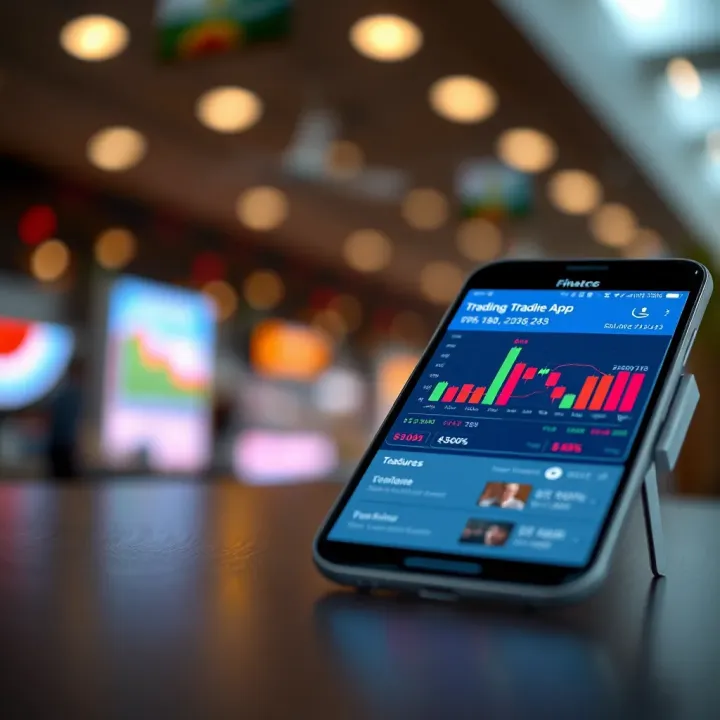
Looking for the best trading app for beginners in Pakistan? 📱 Discover top platforms, user-friendly features, costs, and legal tips to start trading confidently.
📱 Looking for the best forex trading app in Pakistan? Explore security, usability, regulatory checks, and fees to make smarter trading decisions! 💹
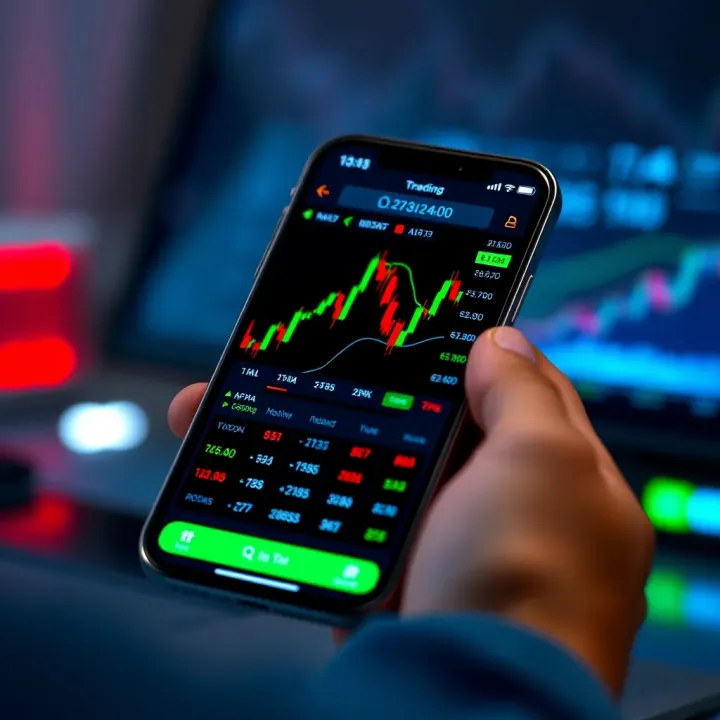
📱 Explore top forex trading apps in Pakistan! Learn their features, usability, security tips, and how to pick the best mobile platform for trading success.
Based on 5 reviews