
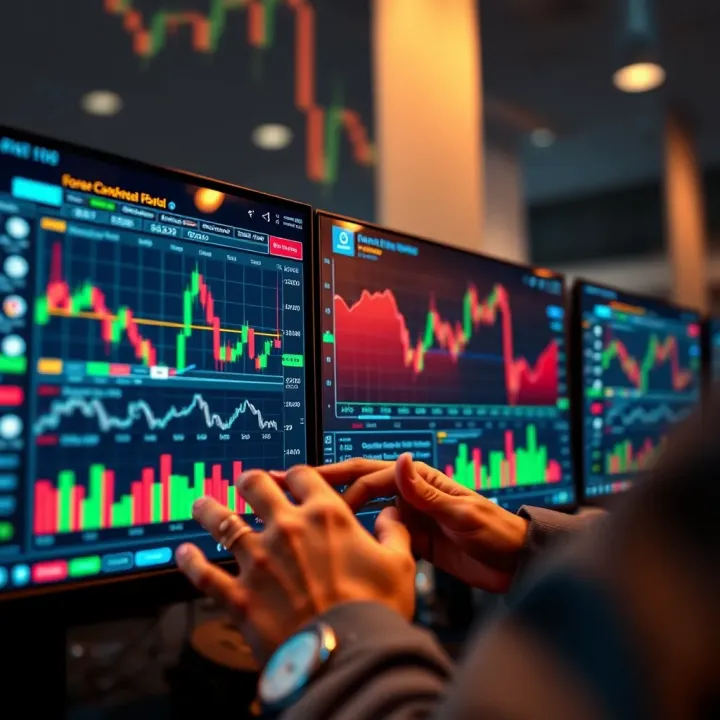
Best Forex Trading Platforms for Pakistani Traders
Find the best forex trading platform for Pakistani traders 🇵🇰. Explore key features, security, costs, and support to match your trading style with ease 💹.
Edited By
Oliver Mitchell
When it comes to forex trading, choosing the right platform is more than just picking a popular name. Pakistani traders face unique challenges such as local regulations, payment methods, and fluctuating exchange rates. This means the platform you go for should not only be reliable but also suited to these realities.
Security and regulation: Trading foreign currencies means dealing with risks beyond price movements, including fraud and data theft. Look for platforms regulated by respected authorities like the UK’s FCA or Cyprus' CySEC, which also accept Pakistani clients. Platforms unregulated by credible bodies should raise red flags.
Local deposit and withdrawal options: Since Pakistani banks and payment systems often restrict international transactions, platforms that support convenient local methods like JazzCash or Easypaisa, or even low-cost bank transfers, ease the process considerably.
Trading costs: Spreads, commissions, and overnight fees can pile up. Some platforms offer fixed spreads, which can help you plan costs better, especially if you’re trading in small lots.
Platform features and tools: Choose one offering a user-friendly interface, advanced charting tools, and fast order execution. For instance, MetaTrader 4 (MT4) remains popular here for its plugins and automated trading options.
Customer support: Given time zone differences and potential language barriers, test if their support is readily available and responsive, ideally offering Urdu or simple English assistance.
Selecting a forex platform that fits your trading style and local context not only protects your investment but also enhances your chances of steady gains.
By evaluating these practical aspects, you can avoid common pitfalls and pick a platform compatible with Pakistan’s specific financial and regulatory environment.
Choosing the right forex trading platform is a major step for any Pakistani trader hoping to make the most from the forex market. Understanding what these platforms do and the types available helps you avoid costly mistakes or being stuck with a tool that doesn't fit your needs. For example, a trader focusing on short-term scalping requires a platform with fast execution, while long-term traders might prioritise strong charting features.
Forex trading platforms provide the interface between you and the global currency markets. They let you open, manage, and close trades while offering access to real-time price data. Beyond this, they often include analytical tools such as charts and technical indicators, helping you spot trading opportunities. Platforms also handle risk management features, including stop-loss and take-profit orders, crucial for protecting funds.
Furthermore, these platforms communicate with your broker’s server to execute your trades. Without a reliable platform, orders can be delayed or even rejected, which directly affects your profitability, especially in fast-moving forex markets common during high-volatility times like the release of Pakistan’s economic data.
Desktop trading platforms install on your computer and have traditionally been the choice for serious traders. They offer comprehensive features, full charting capabilities, and the ability to run automated trading scripts or expert advisors. MetaTrader 4 and 5 are popular examples used in Pakistan. These applications work best with stable internet connections and provide a robust environment for detailed analysis.
One downside is they tie you to your computer. If you spend time travelling or cannot always access your desktop, this might limit your trading flexibility.
Web-based platforms run in your internet browser without requiring downloads or installations. This ease of access is great from any device and location, which fits the lifestyle of busy traders in Karachi or Lahore who may not have fixed desktops.
Platforms like TradingView or broker-specific web terminals allow you to place trades, follow charts, and manage orders instantly. However, some web platforms may not offer the full range of features found in desktop apps and can depend heavily on your internet quality.
Mobile apps bring forex trading to your pocket. They provide quick market access and allow you to monitor trades or execute orders even while on the move. Apps from brokers such as IG, AvaTrade, and FXTM are widely used by Pakistani traders.
Given Pakistan’s expanding smartphone user base and improving mobile networks, mobile trading has become essential, especially during market-moving news when you might be away from a computer. Although mobile apps may lack some advanced analysis tools, they usually cover the essentials and notify you of price alerts or margin calls.
Choosing the right type of forex platform depends on your trading style, internet access, and when and how you plan to trade. For many Pakistani traders, using a combination of desktop and mobile apps provides the best balance of power and convenience.
When selecting a forex trading platform, focusing on key features ensures you have the right tools to trade efficiently and safely. Pakistani traders must pay attention to how a platform performs in real-time, the ease of use, and the depth of analysis provided. These features directly affect how you manage risk and seize opportunities in volatile forex markets.
A clean and intuitive user interface is vital because it reduces the learning curve and prevents costly mistakes. For instance, novice traders in Karachi might struggle with cluttered platforms that display too many charts or confusing menus. Platforms like MetaTrader offer user-friendly layouts that Pakistani traders favour, allowing swift access to order types and market information. The ability to customise your dashboard for quick navigation between currency pairs or tools enhances your trading experience.
Forex markets move fast; delays can cost you precious pips. Reliable platforms should execute your trades instantly, without freezing or crashing during peak hours. Imagine a trader in Lahore trying to close a position during sudden rupee volatility, only to face delayed execution — the losses can mount quickly. Choose platforms with low latency and strong server support, ideally with data centres near Pakistan or at least in Asia. Look for brokers known in Pakistan for stable connections and round-the-clock customer service.
Effective charting tools break down price action with clarity. Pakistani traders often analyse trends using indicators like the Moving Average Convergence Divergence (MACD), Relative Strength Index (RSI), or Bollinger Bands. A platform with a wide selection of customisable indicators lets you tailor your strategy whether you prefer scalping or long-term trend following. For example, platforms such as MetaTrader 5 provide dozens of indicators, plus the option to add custom scripts, helping you spot entry and exit points quickly.

Automated trading tools, including Expert Advisors (EAs), can execute pre-programmed strategies without constant supervision. This feature suits busy Pakistani traders who cannot monitor the market during office hours or when dealing with loadshedding interruptions. EAs can manage trades on your behalf based on criteria you set, reducing emotional decision-making. Yet, it’s important to backtest these tools extensively on Pakistani market hours and currency pairs like USD/PKR to ensure they perform well in your trading environment.
Choosing the right combination of these features lets you trade smarter, adapting quickly to Pakistan's unique forex market conditions.
By weighing these key features carefully, you can pick a platform that not only matches your trading style but also handles the local realities, ensuring your efforts translate into better outcomes.
Security and regulation serve as the backbone for safe forex trading, especially for Pakistani traders dealing with foreign brokers and platforms. Without proper oversight, traders risk losing their deposits, falling victim to fraud, or having their data compromised. It's vital to understand which regulatory bodies a platform answers to and how they protect traders’ interests.
The Securities and Exchange Commission of Pakistan (SECP) is the main regulatory body overseeing financial markets in Pakistan. While SECP does not directly regulate forex brokers operating internationally, it sets rules for local financial institutions that may offer forex-related services. Pakistani traders should look for platforms or brokers registered with SECP, or at least those compliant with Pakistani law, as this provides a layer of security and legal recourse.
For example, if a broker claims to be based in Pakistan or offers local account support, verifying its SECP registration is wise. This helps avoid platforms that operate without proper clearance, which can result in blocked accounts or inability to withdraw funds since the activities could be deemed unofficial or illegal.
Most reputable forex brokers globally are regulated by international authorities like the UK’s Financial Conduct Authority (FCA), Australia’s Australian Securities and Investments Commission (ASIC), or Cyprus’s Cyprus Securities and Exchange Commission (CySEC). Pakistani traders benefit when choosing platforms overseen by these regulators because they impose strict rules on capital requirements, client fund segregation, and dispute resolution.
For instance, a trading platform regulated by FCA must keep client funds in separate accounts, reducing risks if the broker faces insolvency. Additionally, these regulators often require transparency in trading practices, protecting investors from price manipulation or unfair trading conditions. Checking a platform’s regulatory status on official regulators’ websites is an effective step to ensure legitimacy.
Forex trading platforms handle sensitive personal and financial information. Pakistani traders must prioritise platforms that use strong encryption technologies like SSL to protect data during transmission. Two-factor authentication (2FA) adds another security layer, preventing unauthorised access even if passwords leak.
Account security measures also include regular system audits and compliance with international data protection standards. Platforms that lack these protections expose traders to hacking risks and identity theft, which could result in financial losses or fraud.
Trading through unregulated or poorly regulated platforms carries significant dangers. Such platforms often lack transparency and may engage in unethical practices like price manipulation, delayed withdrawals, or refusing to return funds. For example, numerous reports have detailed cases where Pakistani traders faced difficulties withdrawing money from unregulated brokers operating offshore.
Besides financial loss, unregulated brokers offer no formal complaint mechanisms or legal protection. If a platform closes suddenly, traders might find no way to recover their deposits. Hence, sticking to regulated brokers shields Pakistani traders from these risks, ensuring safer and more reliable trading experiences.
Always verify a forex platform’s regulatory compliance and security features before investing any money. This approach helps protect your capital and personal data in the highly volatile forex market.
Security and regulation are not just formalities—they directly impact your ability to trade safely and confidently from Pakistan. Make them your top criteria when choosing a forex trading platform.
Understanding the costs involved in forex trading is vital for Pakistani traders who want to maximise their profits. While many focus on finding the most user-friendly or feature-rich platform, ignoring fees can eat into gains quickly. Knowing different cost components helps you pick a platform that suits your trading volume and style without surprises.
The spread refers to the difference between the buying (ask) and selling (bid) price of a currency pair. It acts as a direct cost to traders since you effectively start your trade at a small loss equal to the spread. Some platforms also charge commissions on top of spreads, especially if they offer tighter spreads themselves. For example, a popular platform might offer spreads as low as 0.1 pips on EUR/USD with $5 commission per lot, while another might have wider 1.2 pip spreads but no commission.
For Pakistani traders, the choice depends on trade frequency and typical volumes. Scalpers or day traders benefit from lower spreads and fixed commissions, while casual traders might prefer commission-free platforms with wider spreads. Always compare spreads for the pairs you trade most since they vary widely.
Transferring funds to and from your forex account might involve fees that add up over time. Many international brokers accept bank transfers, but Pakistani traders could face charges from local banks or international wire providers. Platforms supporting local payment methods like JazzCash or Easypaisa reduce such costs and processing times.
Withdrawals can be tricky if the broker charges heavy fees or forces minimum withdrawal limits. Traders should check whether currency conversion fees apply when moving PKR into USD accounts or vice versa. These charges may seem small once, but regular deposits and withdrawals magnify them.
Some platforms appear cheap but impose less obvious fees. These include:
Inactivity fees: Charges if you don’t trade for a set period, sometimes Rs 500 or more per month.
Swap or rollover fees: Costs for holding positions overnight, varying widely between brokers.
Platform usage fees: Some advanced charting or data access can come at extra cost.
Pakistani traders should dig through broker terms carefully. For instance, a platform may have no commissions or spreads advertised but charges high swaps affecting long-term positions. Always model your typical trading activity to estimate total costs, not just the advertised headline figures.
Selecting a forex platform without understanding all costs is like buying a car based on looks alone—you may regret it when the fuel bills arrive.
By paying attention to spreads, commissions, deposit/withdrawal fees, and hidden costs, Pakistani traders can avoid unpleasant surprises and keep more of their earnings in hand.
Choosing a forex trading platform that supports Pakistani payment options is vital for smooth financial transactions. If the platform doesn’t integrate well with local banks or payment systems, traders may face delays and extra costs when depositing or withdrawing funds. This can disrupt trading strategies and affect overall profitability.
JazzCash and Easypaisa have become household names in Pakistan for quick and reliable digital payments. Many forex platforms now support these wallets, allowing traders to fund accounts and withdraw profits directly without involving complex international transfers. For example, a trader in Lahore can add money instantly to their forex account using JazzCash’s mobile app, saving time and cutting down on transfer fees usually charged by banks.
These integrations also bring convenience, especially for those without easy access to formal banking services. Instead of visiting banks or waiting for international wire clearances, traders can rely on their mobile wallets to manage their forex funds swiftly. However, not all platforms accept these payment methods, so confirming compatibility beforehand is key.
Traditional bank transfers remain an essential payment method, especially for larger sums. Most Pakistani banks support domestic transfers easily, but international wire transfers can be tricky. Platforms must allow smooth transfers from major Pakistani banks like HBL, MCB, or UBL while keeping charges reasonable.
The issue arises when forex brokers use banks not well integrated with Pakistan's financial system, leading to delays or higher conversion fees. Traders should check whether the platform specifies preferred banks or partnerships with Pakistani banks to avoid unexpected hurdles.
Currency conversion affects how much you pay when funding your forex account or withdrawing earnings. Platforms that offer straightforward currency exchange rates or allow you to hold funds in PKR help reduce conversion costs. Mismanaged currency conversion not only eats into profits but can complicate accounting.
Before committing, compare how each platform manages forex charges. Some might use competitive conversion rates or waive fees, while others add hidden costs. For example, a Pakistani trader funding an account abroad through USD would want to know if the platform converts PKR straight away at a fair rate or if extra charges apply.
Always factor in payment methods and currency handling when choosing a forex platform because this directly impacts your trading capital and flexibility.
Selecting a platform that fits well with Pakistani banking and payment systems ensures you can focus on trading rather than wrestling with fund transfers and currency issues.
Selecting a forex trading platform that suits Pakistani traders goes beyond just technical features. Availability, localisation, and platform support tailored to local banking systems also matter. Understanding the popular platforms accessible in Pakistan helps traders pick options that combine global reliability with relevant services.
MetaTrader 4 (MT4) and MetaTrader 5 (MT5) dominate Pakistan’s forex trading scene for good reasons. MT4 has been the go-to platform for years due to its straightforward interface, extensive charting tools, and large community support, useful for traders learning technical analysis. MT5, the updated version, offers more advanced features like additional timeframes, economic calendars, and support for more asset classes.
Both platforms support automated trading through Expert Advisors (EAs), which let traders run algorithmic strategies—even while offline. This feature is quite handy for those in Pakistan juggling trading alongside other work. Most major brokers operating in Pakistan integrate these platforms, making deposit and withdrawal processes smoother by supporting local payment gateways such as JazzCash or Easypaisa.
That said, MT4 still holds an edge for traders focusing purely on forex, while MT5 appeals to those exploring futures, stocks, and CFDs alongside forex. Traders should ensure they download these platforms from official broker sites to avoid scams.
While MetaTrader remains popular, cTrader has been gaining ground. It offers a modern user interface with excellent charting flexibility and superior order execution features. Its ‘Level II’ pricing, showing a detailed order book, helps traders make more informed decisions on price movements—a feature missing in MT4/MT5.
Another plus is cTrader’s support for both manual and automated trading via cAlgo, which uses the C# programming language. This can be attractive to programmers looking for greater control over their trading bots compared to MetaTrader’s MQL language.
Other platforms such as NinjaTrader, TradingView, and even broker-specific proprietary platforms have also become options for Pakistani traders. These alternatives sometimes offer enhanced social trading or better integration with specific payment systems. However, users must verify regulatory compliance and payment facility compatibility with Pakistani banks.
Choosing the right platform means balancing user-friendliness, local payment support, and broker reputation. Practical experience with demo accounts on these platforms can give Pakistani traders an edge before risking real capital.
By focusing on platform availability in Pakistan coupled with practical functionalities, traders can avoid unnecessary friction and get straight to what matters—making smart trades efficiently.
Find the best forex trading platform for Pakistani traders 🇵🇰. Explore key features, security, costs, and support to match your trading style with ease 💹.
Explore the best forex trading platforms in Pakistan! Learn about features, costs, security 🔒, and local tips to pick the perfect platform for you 📈.
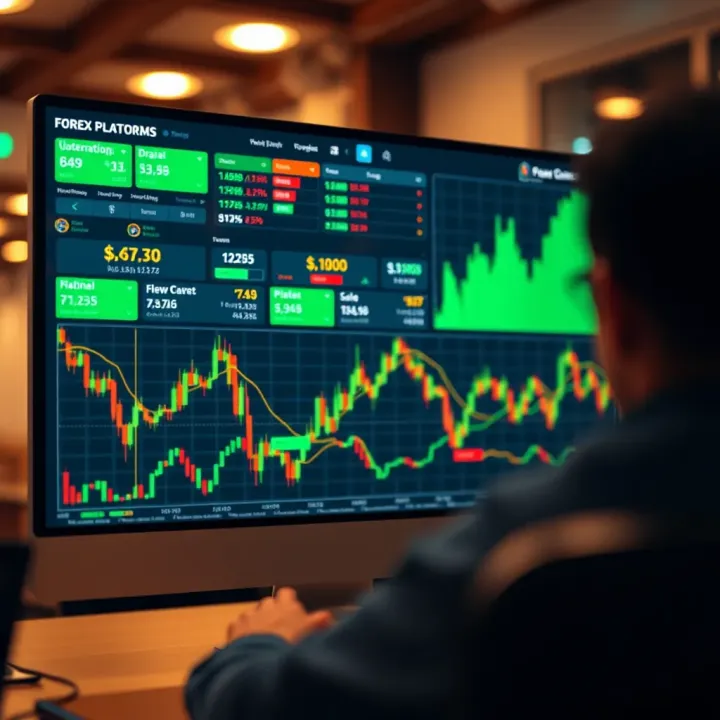
Find the best forex trading platforms in Pakistan 🇵🇰 with our detailed guide. Compare features, costs, reliability, and local factors to trade wisely 💹.
🚀 Find the best cryptocurrency trading platform in Pakistan 🇵🇰 with our guide on fees, security, coin options, and local regulations for safe trading.
Based on 9 reviews