

Understanding Binary Options for Pakistani Investors
Learn how binary options work in Pakistan 🇵🇰, including risks, legal issues, and practical tips for safe investing. Make informed financial decisions today 💼📊.
Edited By
Emily Harper
Non-binary gender challenges the traditional idea of male and female categories by recognising identities beyond this binary. Unlike the usual classification of people strictly as men or women, non-binary individuals experience their gender in ways that don’t fit neatly into these two options.
Understanding non-binary gender means recognising a spectrum that includes identities such as genderqueer, genderfluid, agender, and others. These terms reflect different experiences: someone genderfluid might feel more like a man some days, a woman on others, or something else entirely. Agender people may not identify with any gender at all.
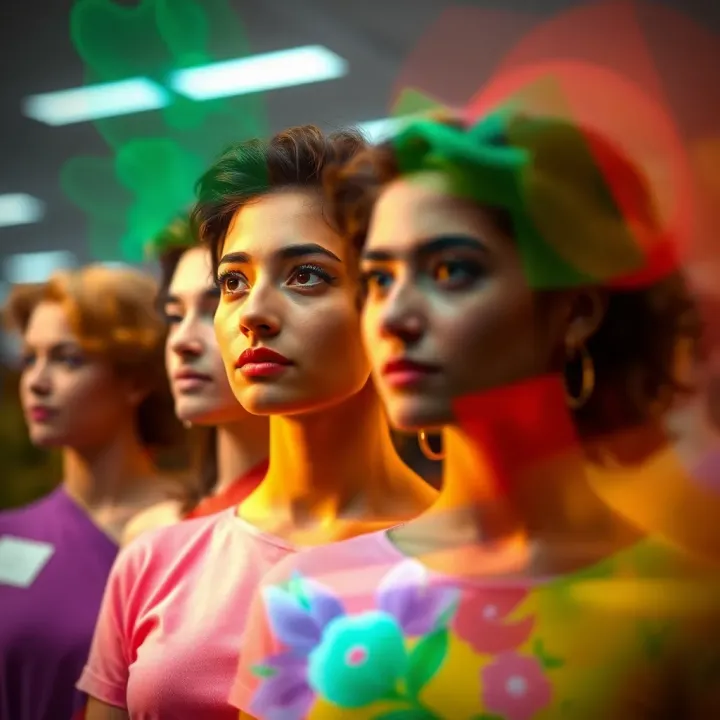
Non-binary identities assert that gender is not fixed but personal and diverse, representing a range of experiences and expressions.
This understanding has practical implications. For example, in workplaces or schools, recognising non-binary individuals might mean allowing the use of gender-neutral pronouns such as “they/them” or “ze/hir.” Increasingly, official forms and public services in Pakistan and beyond are updating to include options beyond "male" and "female," though progress varies.
In Pakistan, awareness of non-binary identities is limited but growing. Besides cultural and religious views shaping gender perceptions, transgender communities like Khawaja Sira or Hijras have been recognised legally under Pakistan’s Transgender Protection Act 2018. However, non-binary experiences differ and require their own awareness efforts.
Challenges faced by non-binary people include social stigma, lack of legal recognition, and difficulties in accessing healthcare sensitive to their needs. For outsiders, it helps to listen and respect chosen names and pronouns, promoting inclusion.
Key points to grasp:
Non-binary means outside the gender binary of male and female.
It covers a range of identities with different expressions.
Recognition and respect of pronouns and identities contribute to social inclusion.
Pakistan has some transgender protections, but non-binary understanding is still developing.
This section aims to lay the groundwork for deeper discussion on the cultural, social, and practical aspects of non-binary gender identities. Understanding these ideas better supports respectful communication and awareness in diverse Pakistani and global contexts.
Understanding non-binary gender is key to recognising the diverse experiences people have beyond the traditional binary of male and female. In Pakistan and globally, many find that these fixed categories do not fit their sense of self or expression. Defining non-binary gender helps in respecting identities, informing policies, and reducing social misconceptions.
When we talk about non-binary gender, we're discussing a spectrum where identities may partly or completely reject being labelled just male or female. Clear definitions allow workplaces, educational institutions, and healthcare providers to make environments welcoming and inclusive. For example, recognising pronouns beyond he/she or offering gender-neutral facilities benefits those who identify as non-binary.
Non-binary means a person does not identify strictly as male or female. Instead, their gender identity may blend elements of both, fall somewhere in between, or sit outside these terms altogether. It challenges the idea that gender must match the sex assigned at birth or fit within traditional roles. Non-binary people might prefer neutral pronouns like they/them or create personal terms reflecting their identity.
Understanding this concept is essential for traders, investors, and analysts dealing in human resources or market segmentation, as the inclusion of gender diversity affects workplace dynamics and consumer behaviour.
Genderqueer refers to a broad set of gender identities that reject conventional gender distinctions. Someone who identifies as genderqueer may feel that they do not fit the binary categories, or they may mix aspects of both male and female genders. This identity highlights the fluidity and freedom one has in defining how they present themselves. In practical terms, a genderqueer person might change their clothing style or pronouns freely, depending on what feels right at the moment.
Genderfluid describes people whose gender identity varies over time. One day they might feel more masculine, another day more feminine, or neither. This reflects a dynamic personal experience rather than a fixed label. For workplaces or social circles, acknowledging genderfluidity means respecting changing pronouns or gender expressions which may not conform to a static identity.
Agender individuals identify as having no gender at all or very little connection with traditional gender labels. Their identity can be understood as gender neutrality or absence of gender. This might mean they prefer neutral pronouns, avoid gendered clothing, or reject gender-related social expectations. Recognising agender people helps prevent misgendering and fosters respect for their unique identity.
Bigender people experience two gender identities, either simultaneously or switching between them. These identities usually include male and female but can also involve non-binary identities. This means a bigender person may present or feel differently depending on the context or time. In the Pakistani context, understanding bigender identities can aid in developing sensitive policies that accommodate multiple gender expressions within families, workplaces, and communities.
Clear definitions and respect for these identities ensure non-binary people feel seen and validated, which improves social cohesion and workplace harmony.
By grasping these terms, anyone engaging with diverse communities or managing inclusive policies will be better prepared to support non-binary individuals effectively.
Recognising non-binary gender identities across different cultures is vital to understanding how diverse societies view gender beyond the typical male-female divide. Examining these cultural perspectives reveals practical insights that challenge rigid gender norms and informs more inclusive approaches in policy, business, and social interactions.
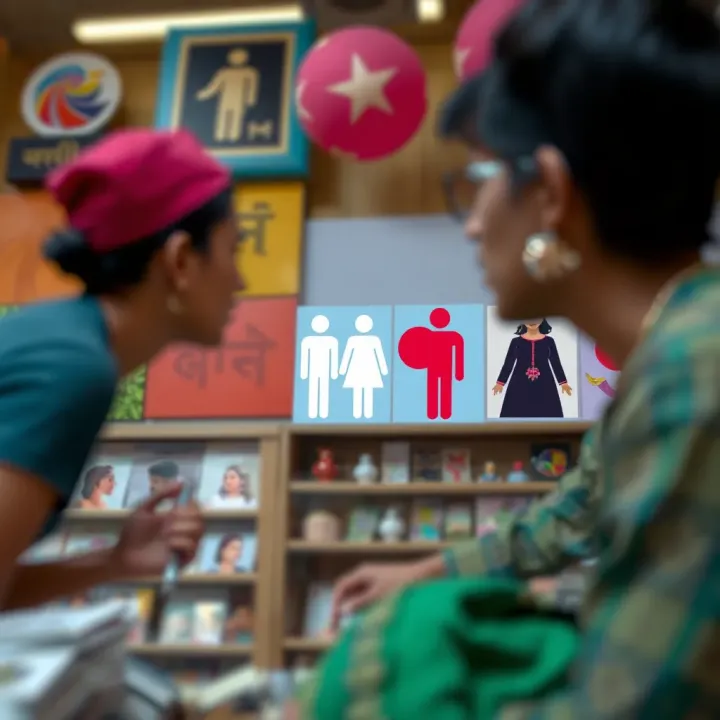
South Asia has a long history of acknowledging gender diversity, often through the culturally specific identities like hijras in Pakistan and India. Hijras are traditionally understood as a third gender, neither fully male nor female, with roles in society that include blessing newborns or performing at cultural ceremonies. Their presence reflects a social acceptance of gender that is fluid and multi-dimensional. However, in daily life, hijras often face marginalisation despite legal recognition in countries like Pakistan.
Understanding these identities is crucial for institutions aiming to serve the broader community fairly, such as banks or hospitals that may need to adjust documentation and service protocols. For example, recognising the hijra community's legal gender status on CNIC (Computerised National Identity Card) can help reduce barriers in accessing public services or employment.
Many indigenous societies around the world have recognised non-binary or third-gender roles historically. The Native American "Two-Spirit" people embody both masculine and feminine traits, often holding respected spiritual roles within their communities. In Samoa, the fa’afafine identify outside the traditional gender binary and contribute actively to family and social life.
These examples highlight that non-binary gender is not a new or Western construct, but a human reality with deep cultural roots. For investors and businesses operating in global or multicultural environments, appreciating this diversity aids in better market understanding, tailoring services, and improving community relations.
The hijra community remains the most visible non-binary group in Pakistan. Their gender identities challenge the strictly binary framework still dominant in many Pakistani social settings. While they have legal recognition under Pakistani law as a third gender, social acceptance varies widely, often influenced by urban or rural settings.
Respect and inclusion of hijras in public and private sectors can boost social cohesion and economic participation. For instance, some NGOs focus on empowering hijras with vocational training, helping overcome the cycle of poverty common in their communities.
Contemporary awareness of non-binary identities in Pakistan is growing, especially among younger generations and urban populations. Social media and advocacy groups are playing a role in educating the public and challenging stereotypes. Despite this progress, widespread misconceptions and discrimination persist, affecting education, healthcare, and employment opportunities for non-binary individuals.
Addressing these challenges requires concerted efforts from policymakers, educators, and corporate leaders to create inclusive environments. This might include sensitisation workshops, revising workplace policies to accommodate non-binary people, and ensuring anti-discrimination laws cover gender diversity.
Awareness of non-binary identities across cultures, including Pakistan’s own contexts, is key to fostering respect and inclusion. It also offers practical benefits in policy, business, and social service delivery, making society more adaptable and fair for everyone.
Legal recognition of diverse gender identities improves access to services.
Cultural understanding prevents misunderstandings and discrimination.
Inclusion supports economic participation and social stability.
Understanding these cultural nuances enriches our perspective on gender and equips us better to work in diverse environments, whether in finance, education, or social sectors.
Non-binary individuals encounter distinct social and legal difficulties that affect their daily lives profoundly. These challenges often stem from society’s tendency to view gender strictly within male or female categories. Understanding these issues helps policymakers, businesses, and communities create more inclusive environments for everyone.
In Pakistan, the Computerised National Identity Card (CNIC) system only recognises male and female genders. This binary classification excludes non-binary people, causing practical problems. For instance, non-binary individuals must choose a gender that doesn’t truly represent their identity, leading to discrepancies in official records.
This misalignment can complicate legal processes such as property ownership, inheritance claims, or marriage registration. Without accurate gender representation, non-binary people face obstacles proving their identity in courts or government departments, affecting their civil rights.
Accessing public services becomes challenging when official documentation does not match a person’s gender expression. For example, healthcare providers may misgender non-binary patients, affecting not only respect but also the quality of medical care. Schools and educational institutions often require gender classification, which can result in awkward or even hostile situations for non-binary students.
Additionally, public sector benefits and programmes sometimes rely on gender categories. Non-binary individuals may find these processes confusing or exclusionary, especially if forms and databases lack appropriate options. This barrier reduces their access to welfare and social support systems.
Workplaces in Pakistan generally lack policies that support gender diversity. Non-binary employees might hesitate to disclose their identity due to fear of bias, harassment, or career setbacks. Interviews and job applications often require gender disclosure, limiting opportunities.
Furthermore, the absence of restroom options and dress codes that accommodate non-binary identities can create uncomfortable or discriminatory environments. Companies that implement inclusive training and policies tend to see better employee morale and productivity.
In schools, non-binary students face misgendering, bullying, and lack of support, which can adversely affect academic performance and mental health. Educational curricula typically exclude discussions on gender diversity, leaving students uninformed and non-binary peers isolated.
Healthcare services also show gaps in understanding non-binary needs. Medical forms rarely include non-binary options, and many health professionals lack training on gender diversity. This gap can lead to misdiagnosis or refusal of appropriate care, affecting both physical and psychological well-being.
Highlighting these challenges is essential to fostering respect and equality for non-binary individuals. Awareness and legal reforms can make a significant difference in improving their quality of life.
By addressing social and legal barriers, Pakistan can move towards a more inclusive society where non-binary people can live authentically without fear or discrimination.
Support systems and resources play a vital role in improving the lives of non-binary individuals. For many, these resources provide a safe space to express their identity freely and seek guidance amid social challenges. This support also helps reduce isolation and empowers non-binary people to navigate personal, educational, and professional environments more confidently.
Numerous local NGOs in Pakistan focus on LGBTQ+ rights, offering vital support for non-binary people through counselling, legal aid, and community-building activities. For instance, organisations like the Naz Pakistan and Blue Veins provide platforms where non-binary individuals can connect with others facing similar experiences. These groups often organise meetings and events in cities like Karachi and Lahore, facilitating peer support that goes beyond immediate family or friends.
Support groups create a sense of belonging and encourage advocacy for non-binary rights within the broader society. They also work to raise awareness about the specific needs and challenges faced by non-binary identities, which remain misunderstood in many communities.
Online communities offer an essential alternative for those unable to attend physical support meetings, especially in more conservative or rural areas. Social media groups on platforms like Facebook, Twitter, and dedicated forums allow non-binary people to share experiences, ask questions, and access educational material anonymously.
These platforms also connect users with international resources, legal information, and health advice tailored to non-binary needs. This accessibility is crucial given that many Pakistani non-binary individuals may not have nearby in-person support.
Workshops designed for educators, healthcare professionals, and employers play a key role in creating inclusive environments. These sensitisation sessions educate participants about non-binary identities, appropriate language use, and ways to accommodate diverse gender expressions in daily interactions.
For example, some organisations conduct sessions in universities and corporate offices to reduce biases and improve support systems for non-binary people. These efforts help challenge stereotypes and promote respectful behaviour.
Positive media portrayals contribute significantly to normalising non-binary identities. Pakistani dramas, online web series, and documentaries that sensitively depict non-binary characters help break the silence surrounding gender diversity.
Increased representation also allows non-binary individuals to see themselves reflected accurately, fostering self-acceptance and encouraging wider societal understanding. Responsible media coverage can influence public opinion, creating space for policy discussions and legal reforms supporting gender diversity.
Support systems, whether in local communities or online, combined with education and media awareness, are pillars that help non-binary individuals live with dignity and acceptance in Pakistan's evolving society.
Learn how binary options work in Pakistan 🇵🇰, including risks, legal issues, and practical tips for safe investing. Make informed financial decisions today 💼📊.
Explore the concept of binary gender, its history, and impact on identity & society in Pakistan. Understand gender diversity beyond traditional roles 🌍👥
📊 Learn how to spot non-binary numbers by understanding binary numerals, common confusions, and their role in computing and digital communications in Pakistan.
🔢 Learn how binary subtraction works with clear examples and practical tips. Understand borrowing and two's complement methods used in electronics and computing.
Based on 8 reviews