
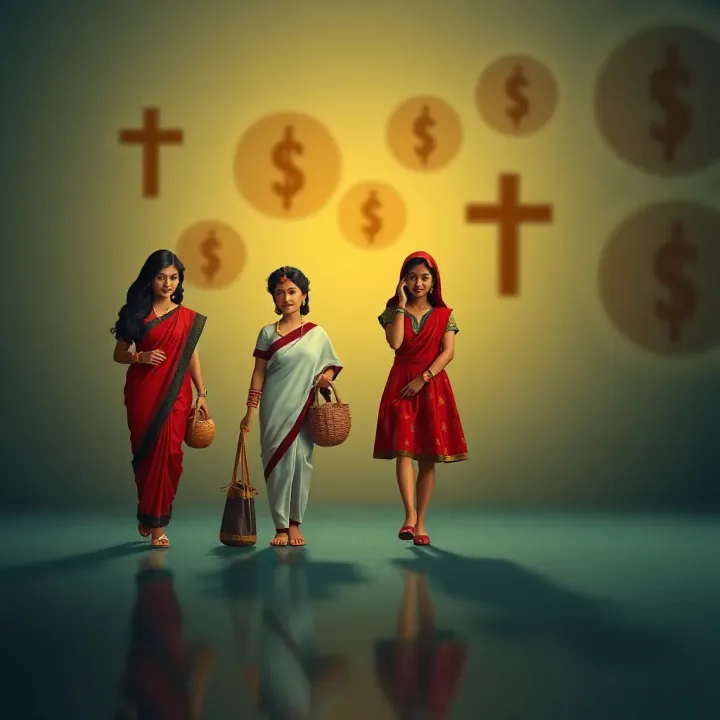
Understanding Binary Gender and Its Impact
Explore the concept of binary gender, its history, and impact on identity & society in Pakistan. Understand gender diversity beyond traditional roles 🌍👥
Edited By
Sophie Lawson
Non-binary is a term for gender identities that don’t fit neatly into the traditional categories of male or female. People who identify as non-binary may feel that their gender exists outside or between these binaries or changes over time. This challenges the common perception deeply ingrained in many societies, including Pakistan, where gender tends to be seen in black and white.
Understanding non-binary identity means recognising that gender is not simply biological but also a complex mix of personal identity, social roles, and cultural recognition. For example, some non-binary individuals might prefer gender-neutral pronouns like "they/them" instead of "he" or "she". Others may express themselves differently through clothing or behaviour that doesn’t align with traditional male or female norms.
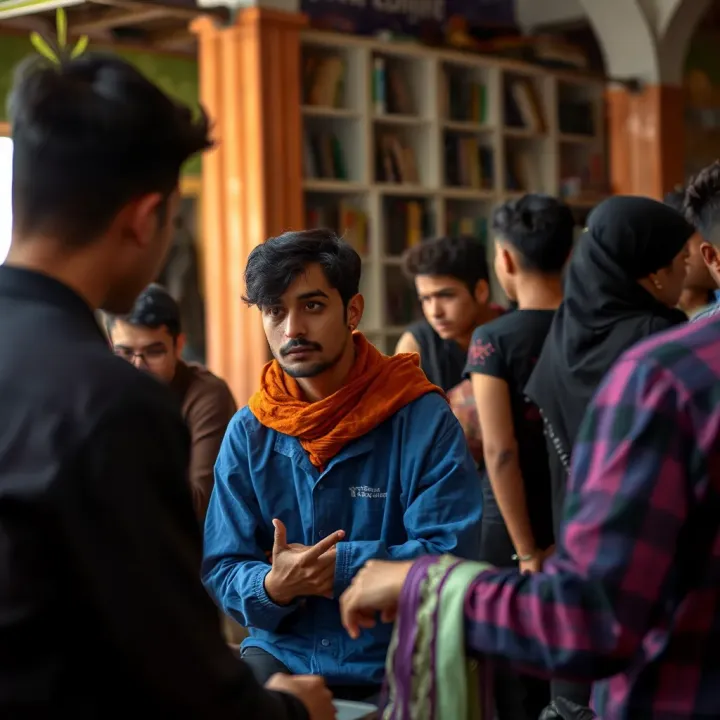
Non-binary identities appear in various forms:
Genderqueer: Rejects fixed gender categories altogether.
Genderfluid: Moves between different gender identities over time.
Agender: Does not identify with any gender.
Bigender: Identifies with two genders, either simultaneously or switching between them.
Pakistan’s cultural and legal systems pose specific challenges for non-binary individuals. Traditional laws, identity documents like the CNIC (Computerised National Identity Card), and social attitudes often lack recognition or accommodation for gender beyond male and female. This affects access to certain rights and social acceptance.
"Non-binary identity doesn't just rewrite personal understanding; it reshapes how society needs to accommodate the diversity of human experiences."
Social recognition of non-binary people is crucial for reducing stigma and promoting equal rights. While progress is slow, some Pakistani voices, especially among youth and activists, seek awareness and inclusion through education and policy change.
For traders, investors, and analysts interested in social demographics and market trends, understanding non-binary identities is increasingly relevant. The rise of more inclusive practices within workplaces, education, and media affects consumer behaviour and societal norms, impacting a range of industries.
In summary, non-binary is about seeing gender as a spectrum rather than a fixed point. Recognising this helps us better understand the diversity of human identity, especially in a society where male-female categories dominate social and legal life. This understanding sets the foundation for exploring the social and cultural dimensions of non-binary identities in the Pakistani context.
Understanding what non-binary means is key to recognising that not everyone fits neatly into male or female categories. This knowledge helps challenge traditional views on gender and fosters respect for diverse identities, which is especially important in Pakistan where gender roles are strongly defined. Clarifying this concept benefits individuals, educators, policymakers, and businesses by promoting inclusion and reducing misunderstandings.
Non-binary refers to gender identities that do not fit strictly within the male-female binary. Unlike conventional ideas that assign a fixed gender at birth, non-binary people might identify as somewhere in between, entirely outside, or fluctuating across gender experiences. For example, someone might feel partly male and partly female, or neither of those at all. This perspective broadens how we see gender beyond biological characteristics, recognising that identity is a personal, internal understanding.
Being aware of this helps prevent assumptions based on appearance or legal documents. In practical terms, it encourages workplaces and institutions to offer more inclusive options, like gender-neutral bathrooms or diverse forms that go beyond "male" or "female." Such steps reduce exclusion and support mental well-being.
Gender identity is different from biological sex, which is assigned based on physical traits at birth such as chromosomes, hormones, and anatomy. Biological sex is often labelled as male or female, but even this classification has complexities due to natural variations like intersex conditions.
A person’s gender identity is their innermost sense of self—whether they feel male, female, a mix, or neither. This internal identity might not match their biological sex. For example, a person assigned female at birth may identify as non-binary or male. Recognising this distinction is crucial when discussing gender rights and medical care, as it emphasises respect for individual identity rather than physical traits.
These terms describe types of non-binary identities. ‘‘Genderqueer’’ is a broad label for anyone rejecting traditional gender categories. ‘‘Genderfluid’’ people experience changes in their gender identity over time, sometimes feeling male, female, both, or neither. ‘‘Agender’’ means having no gender identity or feeling gender neutral. ‘‘Bigender’’ refers to those identifying with two gender identities simultaneously or fluctuating between them.
Understanding these terms helps to respect each person’s unique experience. For example, a genderfluid individual might want their pronouns changed depending on how they feel day by day, while an agender person prefers gender-neutral pronouns consistently.
Non-binary individuals often use personal narratives to explain their gender. Some might describe feeling invisible because society mainly recognises male and female. Others express relief and authenticity after adopting a non-binary identity. These varying accounts shed light on the emotional and social impact of living outside traditional binary norms.

Sharing these experiences increases empathy and informs policy changes. Knowing that non-binary identity involves a lived reality—different for each person—encourages more flexible practices in schools, workplaces, and healthcare systems to accommodate diverse needs.
Recognising and respecting non-binary identities isn't just about labels—it's about understanding and valuing people's authentic selves, which enriches our society as a whole.
Understanding gender identity and expression is essential for recognising the diversity within non-binary identities. This knowledge helps people see beyond the traditional male-female categories and appreciate how individuals experience their gender. For traders, investors, and analysts interested in social trends or consumer behaviour, awareness of gender identity informs more inclusive policies and marketing strategies. For example, acknowledging diverse gender identities can influence product design, workplace culture, or customer service approaches.
Gender identity refers to a person's internal sense of being male, female, both, neither, or somewhere along the gender spectrum. Sexual orientation, on the other hand, describes whom an individual is attracted to emotionally or physically. So, a non-binary person may be attracted to men, women, both, or neither—just as someone identifying as male or female might be. This distinction is important to avoid confusion when discussing gender diversity.
Understanding this difference helps reduce misunderstandings, which is especially useful in workplaces or learning environments. When companies in Pakistan embrace this clarity, they can create training sessions or policies that support both gender identity and sexual orientation respectfully, improving inclusion and employee satisfaction.
One frequent misconception is that gender identity and sexual orientation are the same. Many still assume non-binary identity implies a particular sexual preference, which isn't true. Another myth is that non-binary identities are 'trendy' or temporary phases rather than genuine, deeply felt experiences. These misunderstandings can lead to dismissive attitudes or discrimination.
Clearing up these misconceptions matters because they shape social attitudes and legal policies. For instance, employment discrimination against non-binary individuals often stems from a lack of awareness about their identity, not their sexual orientation. Educating people can reduce stigma and create equality.
Pronouns are a straightforward way non-binary people express their gender identity. Many prefer gender-neutral pronouns like 'they/them' instead of 'he/him' or 'she/her'. Others may opt for less common pronouns like 'ze/hir' or use their name in place of pronouns entirely. Recognising and using correct pronouns respects the individual's identity and fosters a safe environment.
Within Pakistani workplaces and educational institutions, respecting pronouns can be a practical step toward inclusion. Even simple actions like asking for preferred pronouns during introductions or in email signatures help affirm non-binary identities and prevent misunderstandings.
How a non-binary person dresses and behaves may differ widely, reflecting personal comfort and identity rather than conforming to traditional gender norms. Someone might combine elements typically associated with both genders or choose styles that feel neutral, such as loose kurtas or simple jeans and shirts.
For businesses and social groups in Pakistan, understanding this helps avoid stereotypes. A non-binary individual might feel comfortable in a shalwar kameez with accessories that mix masculine and feminine touches. By allowing freedom in dress codes and social interaction styles, institutions promote acceptance and reduce bias.
Recognising the difference between gender identity and expression enables meaningful support for non-binary people, improving social harmony and organisational effectiveness.
Social recognition of non-binary identities in Pakistan is still evolving, largely influenced by cultural norms and legal frameworks. Despite increased visibility in global discourse, many non-binary individuals face significant hurdles locally. Understanding these challenges is essential not only for advocacy but also for creating practical solutions that improve daily life for non-binary Pakistanis.
Pakistan has made notable legal progress concerning transgender rights, primarily through the Transgender Persons (Protection of Rights) Act 2018. This legislation allows transgender people to self-identify their gender on official documents and prohibits discrimination in education, employment, and healthcare. However, the law expressly mentions “transgender” without explicitly recognising non-binary identities, which limits practical recognition for those who do not identify strictly as male or female.
This gap means many non-binary people struggle to obtain CNICs (Computerised National Identity Cards) that reflect their gender identity accurately. As a result, they often face bureaucratic obstacles, such as mismatched documentation that affects travel, banking, and voting.
Socially, Pakistan remains largely conservative about gender roles. Many rural and urban communities view gender strictly within the binary framework of male and female. Non-binary individuals are often misunderstood or misclassified, with cultural stereotypes making social acceptance scarce.
For example, the hijra community enjoys some visibility and cultural recognition despite discrimination, but non-binary people outside this group frequently lack support or safe spaces. Family pressures and religious beliefs can intensify challenges, leading some to hide their identity to avoid social exclusion or violence.
Healthcare access presents major barriers for Pakistan’s non-binary population. Medical professionals usually adhere to a male-female gender model, making it difficult for non-binary patients to communicate their needs or receive respectful care. This is especially problematic during mental health consultations or hormone treatments.
Besides medical care, official documentation is another issue. Because the CNIC system currently lacks a category for non-binary genders, individuals face difficulties registering for government benefits, electoral rolls, and travel documents. This mismatch complicates everyday tasks like opening bank accounts or applying for jobs.
Education and workplace environments often reflect societal biases. Non-binary students occasionally face bullying, exclusion, or lack of proper facilities like gender-neutral washrooms. These conditions harm their academic performance and mental well-being.
In employment, non-binary people frequently encounter discrimination during hiring or within workplace culture. Many employers insist on traditional gender categories, causing non-binary applicants to hide their identity or suffer unfair treatment. This limits job opportunities and career advancement.
Addressing these challenges requires legal reform that explicitly includes non-binary identities and social initiatives to raise awareness about gender diversity. Only then can Pakistan build a more inclusive society where everyone’s identity is respected.
Support networks and resources play a key role in improving the lives of non-binary individuals, especially in a society where awareness is still evolving. These resources help provide safe spaces, information, and advocacy efforts necessary for social inclusion and personal well-being.
Several local organisations in Pakistan are working actively to support gender diversity, including non-binary identities. Groups like Gender Interactive Alliance (GIA) and the Naz Male Health Alliance offer legal aid, counselling, and community outreach specifically geared towards transgender and gender-diverse people. Their efforts extend beyond awareness raising to include direct support like healthcare access and protection against discrimination.
These organisations also serve as crucial hubs for networking and peer support. For many non-binary individuals, finding a community that understands their experience can be difficult due to cultural biases. NGOs fill this gap by organising workshops, support groups, and events that foster acceptance and self-expression.
Next to physical groups, online platforms have become important safe spaces. Social media pages, forums, and chat groups moderated by gender activists provide anonymity and accessibility for those who cannot openly express their identity. Such platforms allow individuals from smaller cities or conservative families to connect, share resources, and seek advice without fear of immediate backlash.
These virtual communities often feature educational content, personal stories, and updated information about rights and services. They empower non-binary individuals to gain confidence and stay informed even in restrictive environments.
Respecting pronouns and identity is a simple yet profound way allies can support non-binary people. Using the preferred pronouns consistently—whether they are they/them or others—shows validation and respect. This also helps normalise diverse gender expressions within families, workplaces, and educational institutions, which is crucial in Pakistani society where misunderstanding is common.
Accurate name usage is equally important. When allies make an effort to use chosen names instead of assigned ones, it affirms an individual's identity and reduces their feelings of alienation. Small actions like this significantly contribute to mental health and social confidence.
Besides personal respect, allies must also challenge stigma and discrimination publicly. Taking a stand against jokes, slurs, or exclusion linked to gender identity helps break down harmful stereotypes. Advocates can support inclusive policies in workplaces or schools, pushing for recognition and protection of non-binary rights.
Promoting open conversations about gender diversity and confronting misinformation also fosters a safer environment. Allies who actively participate in education and advocacy amplify the voices of non-binary individuals and contribute toward wider social acceptance.
Support and allyship are not just emotional gestures; they form the backbone of practical change for non-binary persons in Pakistan, where recognition and respect are still emerging.
Explore the concept of binary gender, its history, and impact on identity & society in Pakistan. Understand gender diversity beyond traditional roles 🌍👥
Learn how binary options work in Pakistan 🇵🇰, including risks, legal issues, and practical tips for safe investing. Make informed financial decisions today 💼📊.
📊 Learn how to spot non-binary numbers by understanding binary numerals, common confusions, and their role in computing and digital communications in Pakistan.
🔢 Learn how binary subtraction works with clear examples and practical tips. Understand borrowing and two's complement methods used in electronics and computing.
Based on 12 reviews