
Understanding Binary Division: Key Concepts Explained
🔢 Explore how binary division works, its differences from decimal division, practical examples, error checking, and key concepts for computer science learners!
Edited By
Laura Bennett
Forex trading is the act of buying and selling currencies to profit from changes in exchange rates. Unlike the stock market, forex operates 24 hours a day across global financial centres, making it one of the most liquid markets worldwide.
At its core, forex trading involves exchanging one currency for another. For example, if you believe the US dollar (USD) will strengthen against the Pakistani rupee (PKR), you might buy USD/PKR currency pairs. When the dollar rises against the rupee, you can sell back, earning the difference.
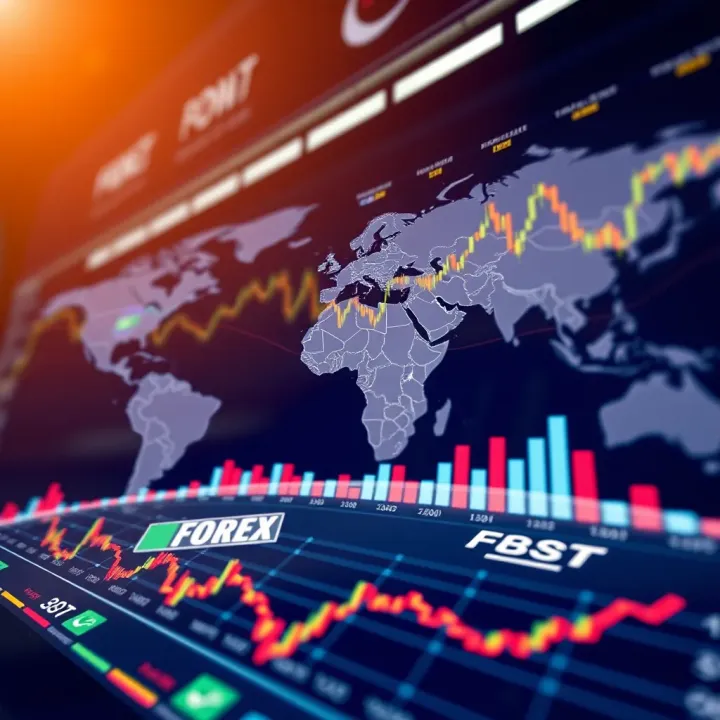
Currency Pairs: Trading takes place in pairs, such as EUR/USD, GBP/USD, or USD/PKR. Each pair has a base and quote currency.
Leverage: Brokers often provide leverage, letting traders control larger positions than their deposited amount, increasing both potential gains and risks.
Liquidity: The forex market handles over $6 trillion in daily transactions, allowing easy entry and exit at almost any time.
Volatility: Exchange rates fluctuate due to economic announcements, geopolitical events, and market sentiment, offering profit opportunities but also risks.
Successful forex trading requires understanding how global events influence currency movements and managing risks carefully.
In Pakistan, forex trading is gaining traction, especially among traders using online platforms licensed by the State Bank of Pakistan. The market reflects local economic factors like the rupee’s exchange rate, imports and exports, and remittance flows.
For beginners, it helps to start with demo accounts to practice without risking real money. Also, following reliable news sources alongside technical charts improves decision-making.
Ultimately, forex trading is about spotting trends, timing trades, and controlling emotions to avoid major losses. With proper knowledge and discipline, it can be a valuable tool within an investor’s portfolio.
Understanding what forex trading involves is key to navigating this vast financial market effectively. Forex trading means exchanging one currency for another with the aim of earning profit from the changes in exchange rates. This activity plays a critical role for businesses, investors, and governments worldwide, and is particularly relevant in Pakistan because of the Pakistani Rupee’s (PKR) volatility.
At its core, forex trading is about currency exchange, much like how you exchange Pakistani rupees for US dollars when travelling abroad. The difference is that in forex trading, participants buy and sell currencies not just to pay for goods or services but primarily to profit from price changes. This form of trade happens electronically, 24 hours a day, allowing traders worldwide to react instantly to market developments.
Compared to other financial markets like stocks or commodities, forex trading is unique due to its liquidity and global reach. While the stock market closes during weekends and national holidays, forex operates continuously from Monday to Friday because the market follows the opening hours of different financial centres like London, New York, and Tokyo. This continuous flow allows traders to respond to political events, economic data releases, or unexpected news anytime, making it more dynamic but also volatile.
In forex, currencies are traded in pairs. Each pair consists of a base currency and a quote currency. The base currency is the first one mentioned and represents how much of the quote currency is needed to buy one unit of the base currency. For example, in the USD/PKR pair, USD is the base currency and PKR is the quote currency. If the exchange rate is 280, it means 280 Pakistani rupees are required to buy 1 US dollar.
Commonly traded currency pairs include majors like EUR/USD (Euro/US Dollar), GBP/USD (British Pound/US Dollar), and USD/JPY (US Dollar/Japanese Yen). These pairs offer high liquidity and tighter spreads, making them popular among retail and institutional traders alike. In the local context, USD/PKR is widely watched because importers, exporters, and remittance receivers closely track it.
Exchange rate fluctuations in these pairs directly impact profits or losses for traders. For instance, if a Pakistani import business buys USD at Rs 280 and the rate rises to Rs 285, the company faces a higher cost in rupees. Traders who predicted this move can earn profit by buying USD early and selling after the rise.
These price changes are influenced by factors like interest rate adjustments by central banks, geopolitical events, or economic indicators such as inflation rates and employment numbers. For a trader in Pakistan, staying updated on State Bank of Pakistan (SBP) decisions and global economic news is essential to anticipate such fluctuations and make informed trading choices.
Forex trading runs nonstop for five days a week, thanks to its 24-hour market cycle. This continuous operation is key because currencies are always in motion, influenced by events in different parts of the world at various times. Major forex trading centres like London, New York, Tokyo, and Sydney open and close on a rolling schedule, allowing traders from across the globe to engage whenever it suits their local time.
For example, the London trading session typically opens at 3:00 pm PKT and closes at midnight. The New York session overlaps partly with London’s, starting at 8:30 pm PKT and going till 5:00 am. This overlap is often the busiest trading period due to increased liquidity and volatility, providing more opportunities for traders to enter or exit positions.
Time zones have a direct impact on forex market activity. When one major centre closes, another opens, keeping the market alive around the clock. However, some hours are quieter, with fewer participants and less volume, resulting in narrower price movements. Traders in Pakistan, for instance, might find the London session more active as it aligns conveniently with their day, while the Sydney session might be quieter since it runs in the early hours.
Understanding these time differences helps traders plan their strategies better. Being active during overlapping sessions could improve chances of making better trades due to higher volatility, but it also may increase risks. Hence, knowing when the market heats up or cools down is a practical edge.
Central banks and governments play a major role in the forex market by setting policies and intervening to stabilise their currency values. The State Bank of Pakistan, for example, may step in to manage sudden depreciation or inflationary pressures on the Pakistani rupee. This intervention shapes exchange rates indirectly but affects overall market sentiment and price trends.
Commercial banks and financial institutions dominate the trading volume. These institutions act as market makers, providing liquidity and facilitating large-scale currency transactions worldwide. In Pakistan, local branches of international banks play a role by offering forex services to businesses needing to trade imports or exports. Their activity ensures currency exchange rates reflect economic realities and global demand.
Retail traders and brokers represent individual speculators and intermediaries large and small. Thanks to online platforms, a growing number of Pakistanis actively participate through brokers offering access to global forex markets. Brokers provide leverage and trading tools, enabling retail traders to manage smaller investments. However, retail traders need to be cautious about risks, especially in such a fast-moving environment where sudden price shifts can cause losses.
The global forex market is a dynamic system where participants from governments to individual traders interact continuously. Understanding how these players operate helps in forming realistic trading expectations and strategies.
This wide mix of participants, from central banks to retail traders, combined with the 24-hour market cycle, makes the forex market unique and richly liquid. Keeping an eye on these elements builds a strong foundation for anyone serious about trading currencies.
Understanding the key features and risks of forex trading is essential for anyone looking to participate in this fast-paced market. Forex trading offers high liquidity and operates 24/7, which makes it attractive but also exposes traders to unique challenges. Being aware of aspects like leverage, volatility, and local regulatory conditions helps traders make informed decisions and avoid costly mistakes.
Leverage allows traders to control a large position in the forex market using only a small amount of their own capital, known as margin. For example, with 50:1 leverage, a trader can manage a position worth Rs 500,000 by investing just Rs 10,000. This feature can boost profits if the market moves in a trader’s favour, making it a popular tool among forex participants.
However, leverage works both ways. High leverage increases the risk of significant losses, sometimes exceeding the initial investment. A minor adverse price movement can wipe out the margin quickly, potentially triggering margin calls from brokers. It’s crucial to use leverage cautiously and understand the maximum exposure one can handle without jeopardising their entire capital.
Several factors cause price fluctuations in the forex market, such as economic data releases, geopolitical events, central bank policies, and global trade developments. For instance, unexpected changes in the State Bank of Pakistan’s monetary policy may lead to sharp moves in the Pakistani rupee against the US dollar.
Volatility affects trading decisions by offering opportunities as well as risks. Traders seeking quick profits may benefit during volatile periods, but they must adjust their risk management strategies accordingly. Setting appropriate stop-loss levels and position sizes becomes critical to minimise losses during sudden swings.
Pakistani traders face particular challenges due to regulatory and legal frameworks. While the forex market is globally accessible, trading foreign exchange locally requires compliance with State Bank of Pakistan rules, which restrict the use of unlicensed platforms. Ignorance of these can lead to penalties or legal complications.
Currency controls also limit how much foreign currency individuals can buy or sell, affecting trade volumes and liquidity. Restrictions on capital flows may result in higher transaction costs or delays when moving money internationally.
Moreover, Pakistan’s economic factors, like rupee devaluation, inflation, and political instability, add risk layers. These conditions may lead to erratic exchange rate behaviour, complicating analysis based on fundamentals or technical charts alone.
Successful forex trading in Pakistan demands not only market knowledge but also awareness of local rules and economic realities to manage risks effectively.
By combining cautious use of leverage, awareness of market volatility, and understanding local hurdles, traders can navigate the forex market more confidently and protect their investments from unexpected setbacks.
Forex trading strategies help traders navigate the market with a structured plan rather than relying on guesswork. Using tried and tested methods allows you to spot trading opportunities and manage risks better. Popular strategies mainly rely on technical and fundamental analysis, along with solid risk management to protect capital.
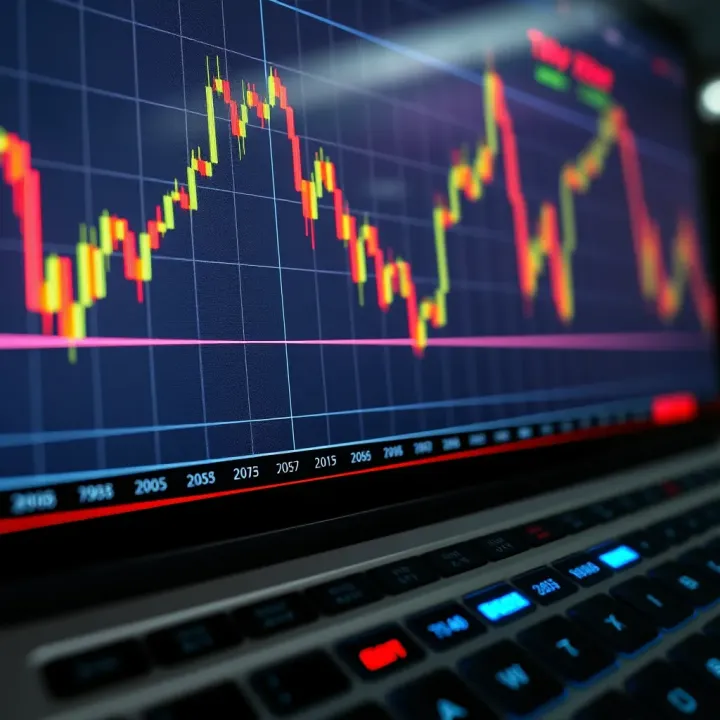
Technical analysis uses past price data displayed in charts to predict future market moves. Traders watch for patterns, trends, and key levels of support or resistance. For instance, a chart may reveal a repeated price level where the currency tends to reverse, signalling a potential entry or exit point.
Indicators play a key role here. They transform raw price data into signals or visual cues that help identify momentum or trend strength. Imagine an oscillator flashing when a currency is overbought—this might prompt a trader to sell before the price drops.
Common technical tools like moving averages simplify trend identification. A moving average smooths out price fluctuations by averaging data over a specific period. For example, a 50-day moving average shows the medium-term trend. When a short-term moving average crosses above a longer-term one, it can be a buy signal, hinting the currency might appreciate. These tools are particularly handy in Pakistan given our volatile PKR exchange rate, helping traders make sense of sudden shifts.
Fundamental analysis focuses on economic data and events that impact currency values. Key indicators include inflation rates, interest rates, GDP growth, and employment figures. For instance, if Pakistan's inflation rate drops, it could strengthen the rupee as it signals economic stability.
News and global events also shape prices quickly. Political changes, trade negotiations, or crises can cause sharp currency moves. When the US Federal Reserve changes its interest rates, the ripple effects can be felt worldwide, affecting forex pairs involving the US dollar. Being aware of scheduled news releases helps traders avoid surprises.
Setting stop-loss and take-profit levels controls losses and locks in gains automatically. A stop-loss order closes a trade if prices move unfavourably beyond a certain point, protecting your capital from big hits. For example, if you buy USD/PKR at 280 and set a stop-loss at 275, the trade closes if the price falls to that level, limiting your loss.
Managing trade size and exposure means not risking too much on a single trade. Many Pakistani traders limit their risk to 1-2% of their total capital per trade. By doing so, even a losing streak won’t drain their account. This approach creates room for longer participation in the market, vital for learning and consistent profits.
Good strategies combine both analysis and risk management to improve success rates. Always test your chosen methods on demo accounts before risking real money.
Using these approaches, you can build forex trading skills that are suited to local market realities while staying alert to global influences.
Forex trading has been gaining traction among retail traders in Pakistan, especially among the youth keen to diversify their income sources. Platforms like MetaTrader and local brokers offer access to global currency markets, making it easier for individuals to participate with modest capital. However, most retail traders in Pakistan approach forex trading as a side activity rather than a full-time career, partly due to the volatile nature of the market and lack of formal training.
The demand for forex trading is also linked to Pakistan's fluctuating economy. Many traders see it as a chance to earn profit by speculating on currency pairs involving the Pakistani Rupee (PKR). Due to the ongoing instability in PKR value, some investors hedge against local inflation by engaging in forex activities, though it carries high risk.
PKR exchange rate volatility strongly influences trading behaviour. Sudden shifts in the dollar to rupee rate, often triggered by trade imbalances, foreign debt repayments, or geopolitical tensions, create opportunities but also significant risks. For example, when PKR depreciates sharply, importers may rush to buy dollars on the forex market, affecting liquidity and spreading ripple effects to smaller traders.
Understanding these swings is crucial because forex traders must act fast to enter or exit positions. Ignoring volatility increases exposure to losses, especially when high leverage is involved. This makes forex trading in Pakistan a high-stakes game, requiring both market awareness and strict risk management.
The State Bank of Pakistan (SBP) plays a vital role in regulating forex trading activities. SBP closely monitors cross-border currency flows and enforces rules to protect the national financial system. It issues licences for authorised dealers and brokers, and regularly updates policies to prevent money laundering and illegal forex dealings.
However, not all forex platforms operating in Pakistan are authorised by SBP. This creates a grey area where many retail traders unknowingly use unregulated brokers overseas, risking scams and fund freezes. SBP's cautious stance aims to shield local investors but also limits access to some global platforms.
Therefore, there are restrictions on which forex trading platforms can legally operate in Pakistan. These platforms must comply with foreign exchange laws and fulfil reporting requirements. Traders are advised to verify if a platform holds SBP approval or works with authorised Pakistani banks.
Legal compliance also means following the anti-money laundering (AML) and know-your-customer (KYC) rules set by both SBP and the Securities and Exchange Commission of Pakistan (SECP). Brokers and traders must submit identity verification, transaction records, and tax filings according to the law. Failure to do so can lead to penalties or account closures.
Staying within legal frameworks not only protects your capital but also avoids complications with authorities that can disrupt your trading activities.
Integrating local payment gateways like JazzCash and Easypaisa has simplified the money flow for forex traders in Pakistan. These mobile wallets offer faster and relatively secure options for deposit and withdrawal, compared to cumbersome bank transfers. Traders appreciate the convenience of topping up accounts using JazzCash wallets linked directly to their CNIC numbers.
That said, mobile wallet transactions for forex are still subject to exchange controls. Limits on daily fund transfers and monitoring by the State Bank ensure transactions adhere to national currency regulations.
Bank transfers remain a dominant method for larger forex deposits and withdrawals. However, these go through formal channels with clearance processes meant to prevent illegal currency movements. The SBP's Exchange Control Department closely watches forex-related transfers to monitor foreign currency inflows and outflows.
Traders must provide accurate documentation and ensure their transactions match declared forex trading purposes. Non-compliance can result in frozen accounts or questioning from bank authorities.
By understanding these unique market conditions, legal guidelines, and payment systems in Pakistan, forex traders can better navigate the challenges and opportunities in this competitive arena.
🔢 Explore how binary division works, its differences from decimal division, practical examples, error checking, and key concepts for computer science learners!
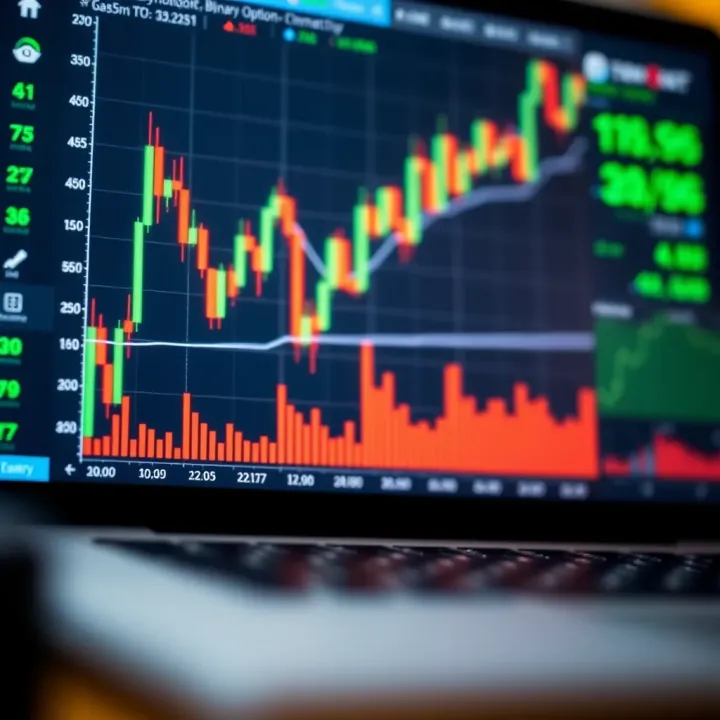
Learn how binary quotes shape binary options trading 🎯 Discover essential tips, reliable data sources & key factors for smart trading in Pakistan 🇵🇰
🖥️ Explore the binary system's basics, its impact on computing and math, plus real-world uses in digital tech and everyday gadgets in Pakistan.
Discover the basics of binary code, how it powers computing and digital devices in everyday life 🖥️🔢. Learn conversion methods and its key role in tech.
Based on 12 reviews