

Benefits of Risk Management in Business
Discover how effective risk management identifies hazards ⚠️, cuts losses 💰, boosts decisions ✅, ensures compliance 📋, and protects your business reputation 📈 in Pakistan.
Edited By
Henry Wilson
Project risk management is about spotting trouble before it strikes and handling uncertainty to keep projects on track. In Pakistan's fast-evolving business and infrastructure sectors, ignoring risks can cost projects dearly — from delays due to loadshedding to financial losses from currency fluctuations.
At its core, project risk management involves four main steps:
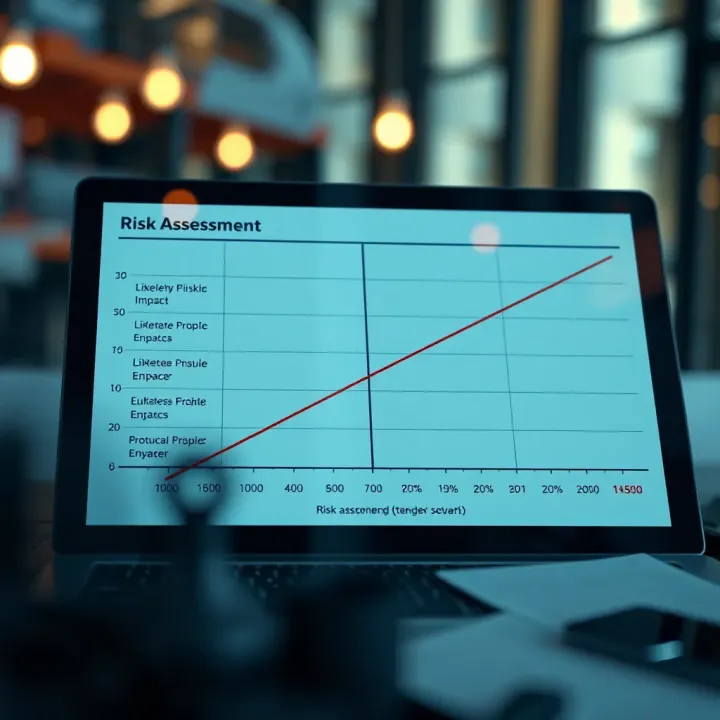
Identifying risks: Knowing what could go wrong, such as supply-chain hiccups caused by border delays.
Analysing risks: Assessing how likely these issues are and their potential impact.
Planning responses: Setting up ways to minimise or avoid harm, like arranging backup suppliers.
Monitoring and controlling: Keeping an eye on risks throughout the project and adjusting plans as needed.
Consider a real estate development in Lahore. The project manager must account for risks such as unexpected legal hurdles in land ownership or revised government zoning laws. By preparing risk mitigation plans early, like legal consultations or alternative site options, the team saves time and avoids costly court cases.
Effective risk management is not about eliminating risk altogether but being prepared to handle setbacks without derailing the entire project.
For traders and investors, understanding project risk management helps evaluate project viability accurately. Analysts can use risk data to offer better insights into stock picks tied to infrastructure or manufacturing projects.
In Pakistan's environment, risk factors often involve regulatory changes, currency volatility, security issues, and operational delays. Project teams must stay alert to these local realities while implementing global best practices.
This guide highlights practical techniques tailored to Pakistan's contexts to boost project success rates, protect investments, and manage uncertainties with confidence.
Project risk management is about spotting, analysing, and handling uncertainties that can throw a project off track. In Pakistan’s business and infrastructure sectors, understanding these risks helps avoid delays, budget overruns, and poor quality outcomes. When managers grasp the nature and extent of risks, they’re better equipped to make informed decisions and keep projects moving smoothly.
Projects face various risks, including financial, operational, technical, legal, and environmental. For example, a construction project in Karachi might encounter financial risks if currency fluctuations increase material costs. Technical risks could arise if new machinery fails during installation, while operational risks involve issues like labour strikes or unavailability of skilled workers.
Risk sources in Pakistan often stem from regulatory uncertainty, fluctuating energy supplies, and political instability. For instance, sudden changes in government taxes or import duties can inflate project costs unexpectedly. Frequent loadshedding affects work schedules, while security concerns in certain regions disrupt labour and material supply chains. Understanding these local risks is vital for realistic project planning.
Unmanaged risks often lead to missed deadlines and exhausted budgets. In infrastructure projects like motorway expansions, unforeseen land acquisition disputes or environmental clearances can hold work for months. Such delays usually translate into escalating expenses, as equipment rental, workforce payments, and other costs continue without progress.
On the other hand, proactively managing risks helps in spotting issues early and preparing solutions before they escalate. For example, a software development firm anticipating regulatory compliance risks can allocate resources for audits, avoiding last-minute halts. This approach saves money, keeps projects on schedule, and maintains stakeholder confidence.
Effective risk management transforms uncertainty from a threat into a manageable part of project execution, especially in challenging environments like Pakistan.
By identifying the types and sources of risks relevant to Pakistani projects, and recognising the severe impacts of neglecting them, project teams can develop practical strategies to deliver on time and within budget. This understanding forms the backbone of successful project risk management.
Understanding the key stages of project risk management is essential for delivering projects successfully. These stages help identify potential problems early, assess their impact, and plan effective responses. Managing risks carefully protects timelines, budgets, and project quality, which is particularly important given Pakistan's complex business environment where regulatory shifts and infrastructure challenges are common.
Brainstorming and expert consultation bring diverse perspectives together to discover risks that may not be immediately obvious. This collaborative approach encourages team members and consultants with sector-specific knowledge to share insights. For example, in a construction project in Karachi, brainstorming sessions with engineers and suppliers can reveal risks like material delays or regulatory inspections that might otherwise be missed.
Historical data and lessons learned involve reviewing past projects to identify risks that occurred previously. This method helps avoid repeating mistakes. Pakistani companies working on energy projects often consult reports from earlier ventures to anticipate risks related to power loadhedding or supplier inconsistencies. Such insights speed up risk identification.
SWOT analysis tailored for projects examines strengths, weaknesses, opportunities, and threats related to the specific project. This technique highlights internal challenges (like team capacity) and external threats (such as political instability). For example, a software development project might use SWOT to flag risks from limited skilled labour or sudden regulation changes in data privacy.
Qualitative methods: Risk probability and impact assess how likely a risk is to happen and what effect it could have. This visual and descriptive approach helps teams focus on risks that matter most without complex calculations. In Pakistan’s infrastructure projects, qualitative risk ranking is used regularly to understand probable problems caused by floods during monsoon.
Quantitative methods: Numerical risk assessment assign numerical values to risks, such as potential loss amounts or likelihood percentages. This precise approach supports data-driven decision-making. For example, a firm evaluating currency devaluation risk for import-heavy projects may calculate expected financial impact in PKR terms.
Prioritising risks based on severity means combining probability and impact to rank risks. Addressing the highest priority risks first ensures limited resources are used effectively. For instance, a telecom project may prioritise network outage risks over minor delays in non-critical equipment delivery.
Accepting, avoiding, transferring, or mitigating risks are standard strategies to decide how to deal with risks. Accepting minor risks avoids unnecessary effort; avoiding risks means changing plans; transferring risks involves insurance or contracts; mitigating means reducing impact. In Pakistan’s manufacturing sector, firms often transfer currency risks by forward contracts while mitigating supply chain risks by maintaining multiple suppliers.
Formulating contingency plans prepares alternatives to implement if risks actually occur, allowing smooth project continuation. This might mean earmarking extra budget for sudden material price hikes common in Pakistan or pre-arranging subcontractors in case of labour strikes.
Examples from Pakistani project scenarios illustrate these responses. For example, a road construction project near a flood-prone area developed contingency plans including material stockpiles and alternative routes. Another IT project transferred legal risk by outsourcing sensitive contracts to local lawyers familiar with regulatory compliance.
Tracking identified risks throughout project lifecycle keeps the team aware as situations evolve. Continuous monitoring alerts managers if new risks appear or existing ones worsen—essential during Pakistan’s frequent market or political shifts.
Updating risk registers and reports ensures documentation reflects the current status and informs decision-makers. Regular updates help keep communication transparent with stakeholders and demonstrate proactive management.
Escalation procedures and stakeholder communication set clear chains for raising urgent risk issues. Timely communication to clients, sponsors, or regulators allows quick responses, avoiding costly surprises. For example, in energy projects, escalating technical risks immediately to WAPDA officials may prevent delays.
Effective risk management depends not only on spotting threats but also on flexible, ongoing actions. Pakistani projects benefit greatly from disciplined risk stages fully integrated into their workflows.
Proper tools and documentation form the backbone of effective project risk management. They enable project managers, traders, investors, and analysts to keep risks visible, assess them clearly, and communicate updates systematically. Without well-maintained tools, risks can slip through unnoticed, causing delays and financial setbacks.
The risk register is a detailed document listing all identified risks throughout a project's life. It includes descriptions, risk owners, likelihood, impact, and response strategies. Maintaining this register regularly helps stakeholders track changes and ensures nothing is missed. For example, in an infrastructure project in Karachi, keeping the register updated helped calibrate responses as monsoon-related flooding risks grew.
The risk matrix complements the register by visually mapping risks based on their probability and impact. This tool helps prioritise where management effort should focus. By plotting risks in a matrix, project teams quickly identify high-probability, high-impact threats needing immediate action and those with low impact warranting acceptance. In investment projects, such a matrix aids brokers and analysts in deciding which opportunities carry manageable risks.
Risk matrices simplify complex data, making decision-making more straightforward. When a risk lands in the red zone (high probability, severe impact), it signals urgent mitigation or transfer, like insurance. Yellow or orange zones might trigger monitoring or contingency plans. Green zones often mean accepting the risk as is.
This visual guide helps all parties, especially in Pakistan’s fast-moving markets or volatile construction sector, avoid paralysis from too many risks and focus on what matters most. It also presents risk status clearly during client or stakeholder meetings, ensuring informed, confident decisions.
Today, risk management software streamlines documenting and analysing risks. Common global options include Microsoft Project, Primavera Risk Analysis, and RiskyProject. These tools allow automatic updates, real-time collaboration, and integration with project schedules. For traders and analysts in Pakistan, such software reduces manual errors and speeds up reporting.
Pakistani firms increasingly adopt both international and local platforms. Tools like Tally or SAP sometimes integrate risk modules relevant to finance and supply chain risks. Meanwhile, specialised apps developed within Pakistan focus on regulatory and market risks unique to the local context.
For instance, a construction company in Lahore might use Primavera alongside local compliance tracking software that alerts about NEPRA regulations or tax changes by FBR. This combination ensures risk management is dynamic and tailored to Pakistan’s changing environment.
Keeping risk documentation precise and up to date is as important as risk identification itself. The right tools make this feasible, boosting project reliability and investor confidence alike.
Managing project risks in Pakistan involves navigating a unique set of hurdles and applying tailored strategies. Understanding these challenges and adopting effective practices can help ensure smoother project delivery, especially in sectors like construction, energy, and finance, which form Pakistan’s development backbone.
Uncertainty due to regulatory changes often disrupts project schedules and budgets. Pakistan sees frequent shifts in policies surrounding taxation, environmental regulations, and import duties. For example, a sudden increase in customs duties on imported construction materials can inflate costs unexpectedly. Project managers need to anticipate such regulatory fluctuations, as delays in obtaining approvals or sudden rule changes can derail progress.
Infrastructure and resource constraints remain persistent challenges. Unreliable electricity supply, frequent loadshedding, and limited access to quality materials or skilled labour can slow down projects. For instance, many industrial projects in smaller cities depend on backup generators due to power cuts, increasing operational expenses. These constraints stress project timelines and budgets, requiring meticulous planning and contingencies.
Cultural and communication barriers within diverse project teams can obstruct risk management. Pakistan’s multifaceted society includes linguistic and regional variations that sometimes cause misunderstandings. Differences in communication styles between local workers and management can lead to overlooked warnings or misinterpreted risks. For example, a site engineer from Punjab may face challenges coordinating with suppliers or teams based in Sindh due to language and work culture differences. Effective risk management emphasises overcoming these barriers to improve clarity and trust.
Stakeholder engagement and clear communication help bridge gaps caused by cultural differences and regulatory uncertainties. Involving all parties—from contractors to local authorities—early in the project ensures risks are flagged promptly. Regular meetings using clear, simple language prevent misinformation. For example, a Karachi-based infrastructure project that held weekly briefings with local government offices managed regulatory approvals faster.
Regular training and skill development empower teams to handle risks proactively. Providing ongoing workshops on updated regulations, new technologies, and risk identification sharpens capability. Consider how a financial services firm in Lahore invested in training its project managers on FBR’s tax changes, enabling them to adjust their project budgets effectively.
Building flexibility into project plans equips teams to absorb unexpected shocks from resource constraints or regulatory shifts. Flexible timelines, budget buffers, and alternative suppliers form crucial safeguards. An energy project in the northern region that planned for multiple equipment vendors was able to avoid major delays when one supplier's delivery was held up due to policy changes.
Addressing project risks in Pakistan requires thorough awareness of local challenges combined with smart, adaptable strategies. Proactive risk management turns vulnerabilities into manageable tasks, enhancing the likelihood of successful project completion.
By focusing on these practical issues and responses, project managers, investors, and analysts in Pakistan can better prepare for uncertainties and improve project outcomes significantly.
Discover how effective risk management identifies hazards ⚠️, cuts losses 💰, boosts decisions ✅, ensures compliance 📋, and protects your business reputation 📈 in Pakistan.

Explore actuarial science and risk management 🧮. Learn key principles, risk assessment techniques, career paths, and real-world uses in finance and insurance 🇵🇰.

Master effective binary options trading strategies 📈 tailored for consistent success. Learn practical tips, risk management, and market insights for smarter trading.

Discover how binary images work, their creation, common uses, and techniques. Learn about challenges and real-world applications in tech and healthcare 🖤⚫️📊.
Based on 15 reviews