
Best Trading Apps for Beginners in Pakistan
Find the best trading app in Pakistan for beginners 👨💻. Compare ease of use, fees, security 🔒, markets, and educational tools to trade smartly 📈.
Edited By
Henry Mitchell
Forex trading has become increasingly popular in Pakistan as more people seek alternative income sources amid economic fluctuations. This guide offers a free, practical introduction specifically tailored to Pakistanis who want to understand forex basics and start trading confidently without prior experience.
Forex, short for foreign exchange, refers to buying and selling currencies in a global, decentralised market. Traders speculate on currency price changes to earn profits. The market operates 24 hours during weekdays, making it flexible for various schedules.
In Pakistan, forex trading is accessible through brokers licensed by the Securities and Exchange Commission of Pakistan (SECP) and overseen by the State Bank of Pakistan (SBP), though traders should stay alert about unregulated platforms.
Trading forex offers opportunities beyond traditional investment forms like stocks or real estate. With as low as a few thousand rupees, new traders can open accounts and access international markets. This makes forex trading attractive, especially with PKR's volatility against the US dollar.
Currency Pairs: You trade pairs like USD/PKR or EUR/USD, buying one currency and selling another simultaneously.
Leverage: Brokers offer leverage to control larger positions with small capital, but it increases risk.
Pip: The smallest price move, crucial for calculating profit or loss.
Spread: The difference between buy and sell price; lower spreads reduce trading costs.
Step-by-step forex fundamentals suited for Pakistani market context
How to pick a trustworthy local or international broker
Practical risk management to protect your investment
Trading platforms popular among Pakistani traders like MetaTrader 4 and 5
Legal and regulatory points to consider before trading
By following this course, Pakistani beginners can build a strong foundation and take measured steps toward becoming confident forex traders.
Grasping the basics of forex trading is the first step towards becoming a confident trader. It helps you avoid common pitfalls and prepares you for real market scenarios. For beginners in Pakistan, understanding these fundamentals means you can make smarter decisions, especially navigating the unique challenges Pakistani traders face, like exchange rate volatility and regulatory changes.
Forex trading, or foreign exchange trading, involves buying and selling currencies to profit from their changing values. People trade forex mainly to make gains from currency fluctuations or to hedge against risks linked to currency movements. For example, a Pakistani importer buying goods from the US may trade USD to PKR to manage costs.
The forex market operates as a global decentralised platform where currencies are exchanged worldwide 24/5. This ensures liquidity and flexibility for traders everywhere, including Pakistanis aiming to participate without geographic restrictions.
Most forex trades revolve around major currencies known as the ‘majors’. These include the US dollar (USD), Euro (EUR), Japanese yen (JPY), British pound (GBP), Swiss franc (CHF), Canadian dollar (CAD), and Australian dollar (AUD). For Pakistani traders, pairs involving USD and EUR are especially important due to import-export ties and remittance flows.
Trading these currencies typically offers lower spreads and better liquidity, which means costs remain manageable even for small investors. For instance, the USD/PKR pair will be influenced by local demand while USD/EUR reflects global trends.
The forex market isn’t just for individual traders. It includes central banks, commercial banks, multinational corporations, hedge funds, and retail traders. Each plays a role; central banks may intervene to stabilise their currency, while corporations manage currency exposure from their overseas business.
For Pakistani traders, understanding who moves the market matters. For example, a policy shift by the State Bank of Pakistan (SBP) might impact the PKR, causing ripple effects through the market that traders must anticipate.
Forex trading runs 24 hours a day from Monday to Friday, covering four key sessions: Sydney, Tokyo, London, and New York. The different sessions overlap, which affects market activity and volatility. For instance, the London session is one of the busiest, offering the best opportunities to trade EUR, GBP, and USD pairs.
Pakistani traders should watch the London and New York sessions closely since they align best with local trading hours and tend to have higher liquidity.
Currencies trade in pairs, with the first currency called the base and the second the quote. For example, in the EUR/USD pair, EUR is the base, USD the quote. The quoted price tells you how much of the quote currency is needed to buy one unit of the base. So, if EUR/USD is 1.10, it means 1 euro costs 1.10 US dollars.
Understanding these quotes helps you decide when to buy or sell. For example, if you expect the USD to weaken against the PKR after an SBP policy change, you might sell USD/PKR.
Leverage allows you to control a larger position with a smaller deposit, called margin. For example, 1:100 leverage means Rs 1,000 margin lets you trade Rs 100,000 worth of currency.
Though leverage can boost profits, it also increases risk and potential losses. Pakistani brokers often offer varying leverage levels, so choose based on your risk appetite. Remember, setting stop-loss orders is critical to protect your capital when using leverage.
Mastering these basics is your foundation for all further forex trading learning. Staying informed about market workings and local factors gives you a practical edge on your trading path.
Understanding the core concepts is the backbone of any effective forex trading course. These concepts prepare you to analyse market movements systematically and make informed decisions. For Pakistani beginners, grasping these fundamentals ensures your trading doesn’t depend on guesswork but on solid methods that have real-world application.
Reading price charts is the first skill every trader needs. These charts show how currency prices have moved over time and help you spot trends or reversals. For example, line charts give a quick overview while candlestick charts reveal more about daily buying and selling pressure. Knowing how to read these charts equips you to anticipate price moves instead of merely reacting to them.
Popular indicators and patterns complement price charts by offering signals about market momentum and possible turning points. Indicators like the Moving Average (MA) smooth out price data to highlight trends, while the Relative Strength Index (RSI) shows if a currency is overbought or oversold. Patterns such as “head and shoulders” or “double tops” indicate potential reversals. In practice, these tools help you avoid stepping into trades at the wrong time.
Support and resistance levels mark price points where the market has historically hesitated or reversed direction. For instance, if the PKR-USD pair consistently falls after hitting Rs 160, that is a resistance level. Traders use these levels to set entry and exit points, ensuring they don’t buy at the peak or sell at the floor.
The impact of economic indicators is vital. Reports like Pakistan’s GDP growth, inflation rate, unemployment figures, or trade balance can heavily influence the currency market. For example, higher inflation may weaken the rupee as it erodes purchasing power. Watching these indicators helps traders anticipate moves before the market price reacts fully.
Interest rates and currencies share a close relationship. When the State Bank of Pakistan increases rates, it often strengthens the rupee because higher returns attract foreign capital. Conversely, rate cuts may lower its value. Understanding this link lets traders predict currency trends based on monetary policy shifts.
News and geopolitical influences also sway forex markets significantly. Political instability, policy changes, or regional tensions can lead to sudden rupee volatility. For instance, announcements related to CPEC projects or remittance flows can impact currency demand. Keeping an eye on such events, especially local ones, gives traders a better chance to avoid surprises and manage their risk effectively.
Mastering these core concepts will build a strong foundation to approach forex trading in Pakistan with confidence and clarity. With both technical and fundamental analysis skills, you can make sharper, data-driven trading decisions rather than rely on luck or hearsay.
Choosing the right forex learning platform is a key step to setting yourself up for success. With so many free courses online, picking one that fits your learning style and goals makes all difference. For Pakistani beginners, it's especially important to find platforms that address local market conditions and regulatory considerations, helping you avoid common pitfalls.
Online video tutorials offer a flexible way to learn. You can watch lessons at your own pace and revisit tricky topics whenever needed. These tutorials often cover everything from basic concepts to advanced strategies. A good example is YouTube channels run by experienced traders who also explain how forex works in Pakistan's currency environment. This format suits learners who prefer visual and step-by-step demonstrations.
Interactive webinars provide live sessions where you can ask questions and get immediate feedback. Many Pakistani forex educators organise webinars on platforms like Zoom or Facebook Live, discussing recent market trends or specific trading techniques. These sessions help you stay updated and engage directly with instructors, which is helpful when you want to clarify doubts quickly or dive deeper into complex topics.
Ebooks and guides give you structured content you can study offline. These downloadable resources often include charts, examples, and exercises tailored to beginners. For instance, an ebook explaining the impact of SBP monetary policy on currency pairs would be quite relevant for local traders. This format benefits those who prefer reading at their own pace and retaining material through detailed notes.
Instructor reputation matters a lot. Check whether the course is led by traders with proven experience, possibly with a background in markets relevant to Pakistan such as the PKR/USD pair or local regulations. Trusted instructors often have verified profiles on platforms like LinkedIn or have been featured in Pakistani financial media.
Curriculum depth determines how well the course prepares you. Look for courses that balance theoretical concepts with practical strategies. A deep curriculum covers technical analysis tools, fundamental factors affecting forex, and risk management—all tailored to beginners. Avoid courses that are too shallow or overly complex without practical application.
User reviews offer insight from fellow learners. Pakistani traders often share their experiences on forums or social media, highlighting what worked and what didn’t. Pay attention to reviews mentioning real trading improvements, responsiveness of support, and up-to-date content reflecting current market conditions.
Picking a reputable, comprehensive, and locally relevant forex course can save you months of trial and error while building your confidence to trade responsibly.
Selecting the right learning platform combines your personal learning needs with careful assessment of course credibility. This careful choice is the foundation before moving on to actual trading steps.
Practical trading skills form the foundation of any successful forex trading journey, especially for beginners in Pakistan. Understanding how to choose a reliable broker, open an account, and fund it properly ensures your trading process runs smoothly without unexpected hurdles. These skills help protect your investment and save you from costly mistakes early on.
Choosing a broker licensed by a recognised authority adds security to your trading experience. In Pakistan, brokers approved by the Securities and Exchange Commission of Pakistan (SECP) or those regulated by international bodies like the Financial Conduct Authority (FCA) in the UK are generally more trustworthy. Regulatory oversight means brokers must follow rules to protect client funds and offer transparent services. For instance, brokers registered with SECP will comply with certain financial safeguards, which can reduce the risk of fraud.
Forex brokers offer various account types tailored to different trader needs, such as mini, standard, or VIP accounts. These differ in minimum deposit requirements, leverage options, and spreads. Beginners should look for brokers offering low minimum deposits—often as low as $10 or equivalent in PKR—so you can start trading without risking large sums. For example, a new trader might open a mini account with a deposit of Rs 20,000 to test strategies before committing more capital.
The trading platform is your gateway to the forex market, so it must be user-friendly and provide essential features like real-time charts, order execution, technical indicators, and news feeds. Popular platforms such as MetaTrader 4 (MT4) and MetaTrader 5 (MT5) are widely supported. Ensure the broker’s platform also supports mobile trading, which allows you to monitor and execute trades on the go—a crucial factor for active traders in Pakistan with varying schedules.
To open a forex trading account legally in Pakistan, you will need to submit your Computerised National Identity Card (CNIC) and a valid proof of address, like a utility bill or bank statement. This verification process complies with Anti-Money Laundering (AML) regulations and helps prevent identity theft. It also ensures your account is secure; brokers usually take 1-2 working days to process and approve accounts.
Funding your trading account has become easier with local fintech solutions. Most brokers allow deposits through JazzCash and Easypaisa, popular mobile wallets in Pakistan. These options make deposits quick and convenient without visiting banks physically. Bank transfers remain an option, suitable for larger amounts, but they take longer and may include higher fees. Choosing the right payment option depends on how quickly you want to start trading and the investment size.
Since many forex brokers operate primarily in USD or other major currencies, Pakistani traders must consider currency conversion costs when depositing PKR. Conversion fees and exchange rate spreads can reduce your trading capital slightly. For example, converting Rs 100,000 to USD might lead to a small loss depending on the broker’s exchange rate. Be sure to check the cost of withdrawals as well, as some brokers charge transaction fees. Minimising these extra costs keeps your initial capital intact for trading.
Starting practical trading skills with the right broker, easy account setup, and smooth funding methods protects your investment and creates a strong base for ongoing success in forex trading.
Understanding risk management and trading psychology is essential for anyone stepping into forex trading. Without protecting your capital and mastering your emotional responses, even the best strategies can fall apart quickly. In Pakistan, where forex markets often involve volatile currency pairs, applying these principles is crucial to avoid significant losses.
Stop-loss orders and position sizing help limit potential losses on any single trade. For example, if you buy USD/PKR expecting the rupee to weaken but the price moves against you, a stop-loss order automatically closes your position at a set loss level to prevent a bigger hit. Position sizing means deciding how much money to put into each trade, usually a small percentage of your total capital, so one bad trade doesn’t wipe out your account. Beginners often risk too much on one trade, but a better approach is risking only 1-2% of your capital per trade, which keeps you in the game longer.
Diversification means spreading your investments across different currency pairs or trading strategies. Relying solely on USD/PKR, for instance, can expose you to country-specific risks like sudden policy shifts or economic surprises. Including other stable pairs or less correlated trades can reduce overall risk. While diversification is less straightforward in forex than stocks, using it wisely can protect your account when one market behaves unexpectedly.
Dealing with losses is part of the trading journey that many newcomers find tough. Losses happen to every trader, even professionals; what counts is how you handle them. Accepting loss as a learning opportunity rather than a personal failure helps you improve your strategy and avoid knee-jerk reactions. For example, after a loss, review what went wrong without blaming external factors like rumours or bad luck.
Avoiding emotional trading decisions separates consistent traders from gamblers. When fear or greed take over, traders often make rash moves such as increasing trade sizes after a loss or exiting a winning position too early. Maintaining discipline by sticking to your trading plan prevents these costly errors. If you feel impatient or stressed, take a break rather than trade impulsively.
Keeping a trading journal is a simple yet powerful tool to improve your skills. Record every trade: entry and exit points, reason for trading, emotional state, and outcome. Over time, this helps identify patterns in your behaviour and strategy effectiveness. For instance, you might see that trades during certain hours or news events perform poorly for you, signalling when to be extra cautious. A detailed journal encourages accountability and continuous learning.
Managing risk and emotions is not just about protecting money; it’s about cultivating patience, discipline, and humility essential for long-term forex success.
Find the best trading app in Pakistan for beginners 👨💻. Compare ease of use, fees, security 🔒, markets, and educational tools to trade smartly 📈.
Looking for the best trading app for beginners in Pakistan? 📱 Discover top platforms, user-friendly features, costs, and legal tips to start trading confidently.
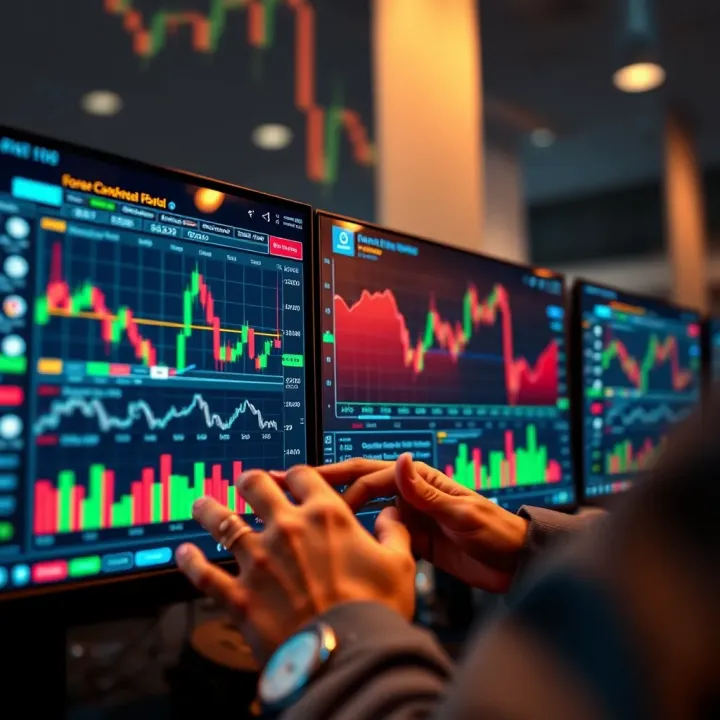
Find the best forex trading platform for Pakistani traders 🇵🇰. Explore key features, security, costs, and support to match your trading style with ease 💹.
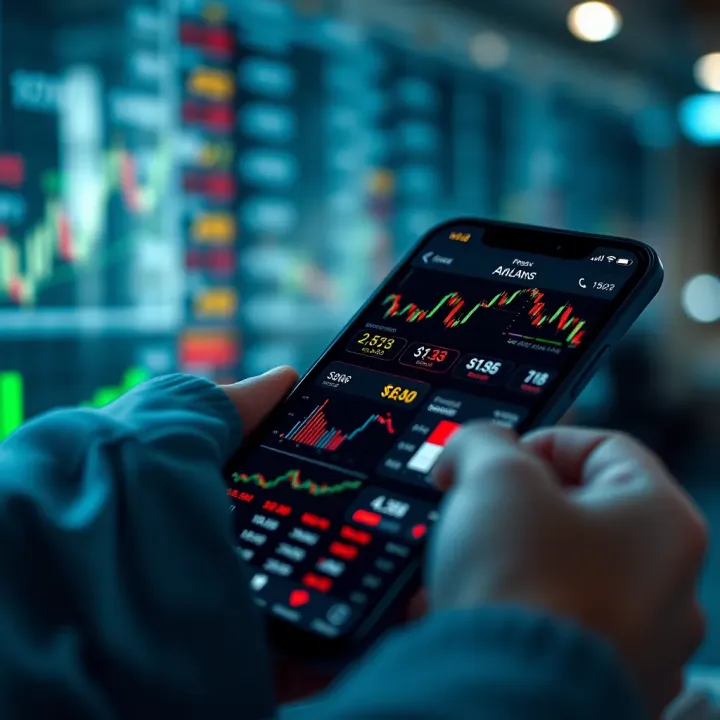
📱 Find the best forex trading app in Pakistan with our guide! Learn about top apps, key features, regulations, and safe trading tips to boost your skills. 🇵🇰
Based on 14 reviews