

Binary Search Explained with C++ Examples
🔍 Learn how binary search works in C++ with clear examples, tips, and common mistakes to avoid. Master this key algorithm for faster programming!
Edited By
Edward Clarke
Encountering the 'custom binary blocked by FRP lock' message on your Android device can be frustrating, especially when trying to flash custom firmware or enter recovery mode. This error stems from Android’s built-in security feature called Factory Reset Protection (FRP) lock, designed to safeguard your data and device against unauthorised access after a reset.
FRP activates automatically when a Google account is linked to the Android device, preventing anyone from simply resetting or flashing the device without verifying credentials. While this boosts security, it can also block legitimate attempts to modify software, especially if you don’t remember the original Google account details tied to the phone.

Important: Ignoring the FRP lock and forcing unauthorised firmware can lead to permanent damage or 'bricking' of your device, rendering it unusable. Careful steps and correct methods are essential to avoid this.
Android phones check the digital signature of firmware during installation or recovery. If a custom binary (like an unofficial ROM or kernel) is detected without proper authorisation, the FRP lock intervenes to stop the process and displays this error.
In practice, this means you cannot simply flash any custom ROM or unofficial software on many Samsung or other branded phones without first disabling or bypassing FRP, if that is even possible legally.
Users trying to install custom ROMs or recover their phones after failed updates
Repair technicians working on phones with unknown Google accounts
Second-hand buyers without prior owner credentials
Understanding this issue is crucial for traders, investors, or analysts dealing with tech stocks or smartphone marketplaces, especially in Pakistan where grey imports and second-hand devices are common.
By grasping the FRP lock mechanism and how the custom binary error arises, you can better assess risks before tampering with firmware. The next sections will detail safe and legal ways to address this problem while minimizing the chance of device damage or legal issues.
Understanding why the "custom binary blocked by FRP lock" error appears is key to addressing it effectively. This issue stems from Android’s security system designed to protect your device and data, especially if unauthorised software tries to install itself. Pakistani mobile users often encounter this glitch when experimenting with firmware updates or flashing custom recoveries. Knowing the causes can help avoid damage to your device or loss of access.
What is FRP and its security purpose
Factory Reset Protection is a security feature introduced by Google in Android 5.1 and later versions. Its purpose is to prevent thieves or unauthorised users from factory resetting and using a stolen device without the original Google account credentials. Once FRP is activated, after a factory reset, the device requires verification with the Google account previously linked.
How FRP activates on Android devices
FRP activates automatically when a Google account is added to your Android device and then a factory reset occurs through recovery mode or hard reset. The moment you reset, the system locks the phone until the linked Google credentials are entered. For example, if someone flashes a new firmware or resets the device without removing the Google account first, FRP will trigger and display security warnings or block further processes.
FRP in the context of Pakistani mobile users
In Pakistan, cheap and second-hand mobiles are common in grey markets. FRP acts as a deterrent to stolen device resale since a reset locks the phone without Google login. However, users who attempt unofficial firmware or flash tools without fully understanding FRP often get stuck at this lock. Moreover, limited official support sometimes leads users towards risky methods to bypass it, increasing chances of errors and bricked devices.
Definition of custom binary files and flashing
Custom binary files refer to unofficial firmware, recovery files, or kernel images modified or created outside the manufacturer’s certification process. Flashing is the process of installing these files on the device using specialised software like ODIN or Fastboot. People flash custom binaries to gain extra features, remove bloatware, or root their devices.
Risks of unofficial firmware or recovery tools
Using unofficial or mismatched firmware often leads to compatibility problems or security blocks. Pakistani users sometimes download files from unverified local websites or forums, risking corrupted flash or malware. Such flashing could corrupt the bootloader or trigger security systems like FRP, which then blocks startup to prevent unauthorised system changes.
Interaction between FRP lock and custom binaries
When flashing custom binaries, the device's security system checks the bootloader and signature of installed software. If the files do not match the official manufacturer’s signature, FRP lock activates as a fail-safe. This security check prevents tampered firmware from running. For instance, if a Samsung device in Pakistan tries to start after an unofficial flash, it may throw the "custom binary blocked by FRP lock" error to stop potential theft or malware threats.
To avoid this error, make sure you are aware of your device’s security features and use only compatible, official firmware whenever possible. This reduces the risk of locking yourself out or damaging the device unintentionally.
Identifying where the 'Custom Binary Blocked by FRP Lock' error typically shows up helps you understand when and why your Android device might suddenly stop responding during firmware modifications. This knowledge is particularly useful if you deal with device updates or repairs, whether as a mobile technician or an informed user. It highlights the moments when caution is needed to avoid hitting the FRP (Factory Reset Protection) barrier.
ODIN is a well-known flashing tool used mainly by Samsung device users to install stock firmware or recovery images. In Pakistan, many repair shops use ODIN to recover or update devices. However, if the device has FRP enabled and you flash unofficial or custom firmware, ODIN might trigger the 'Custom Binary Blocked by FRP Lock' error. This happens because the flashing process includes binaries not officially signed by the manufacturer, which the FRP lock detects and blocks to protect against unauthorised access.
This scenario is relevant when someone tries to unbrick their device with unofficial software or roll back firmware versions that are not recognised by the device’s security system. Frequent users of flashing tools must therefore ensure their device’s FRP status before proceeding.
Installing custom ROMs is popular among enthusiasts who want extra features or better performance beyond stock firmware. However, Android’s FRP lock can prevent this by detecting the presence of unsigned custom binaries. When the device detects that the system has been modified unofficially, it locks access, displaying the 'Custom Binary Blocked by FRP Lock' message and preventing further boot.
For example, a user in Lahore trying to install a custom ROM to improve battery life might suddenly find their phone stuck in a locked state, unable to proceed without bypassing FRP. This underscores the link between custom ROM attempts and FRP intervention.
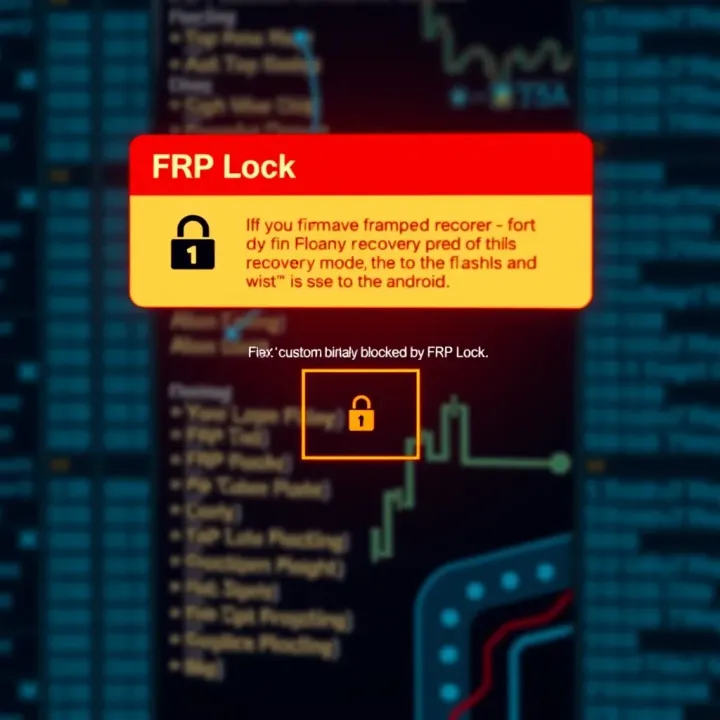
Interrupted or failed flashes often occur due to unstable power supply, faulty USB cables, or software glitches. If the flashing process stops halfway, the device may get stuck with partial or corrupted binaries. The FRP lock then reacts by blocking the device from booting, since the integrity of the system is compromised.
For instance, during loadshedding in Karachi, technicians may lose power mid-flash, resulting in bricked devices trapped by the FRP lock. This scenario stresses the importance of a stable environment when performing firmware updates.
Factory Reset Protection automatically activates after you perform a factory reset or hard reset. This is meant to stop someone from wiping your device and using it without permission if stolen or lost. Once reset, the phone demands the Google account credentials previously linked to that device during setup.
In many cases across Pakistan, users who buy second-hand mobiles without full account details face this lock, showing that a reset triggers the FRP lock immediately.
After reset, you must enter the original Google account to verify ownership. This step confirms that the person trying to access the phone is legitimate. Without correct credentials, the device stays locked.
Pakistani users sometimes forget the linked account details, especially if a reset was done quickly or if the mobile was inherited without prior info. This leads to frustration when they face the FRP lock.
A typical mistake that leads to the FRP error is neglecting to remove Google account credentials before performing a reset or flash. Many users skip this step, which causes the protection system to activate rigidly.
Another common error is using unofficial repairs or flashing tools without understanding the status of the FRP lock. This can result in unnecessary device lockouts that require advanced bypass methods. Being mindful of these mistakes helps prevent getting trapped by the FRP lock unexpectedly.
Understanding these common scenarios equips you to plan and execute device resets or firmware updates carefully, ensuring you avoid the 'Custom Binary Blocked by FRP Lock' error.
Bypassing or removing the Factory Reset Protection (FRP) lock is often necessary for users who get stuck during device flashing or after factory resets. Understanding practical solutions helps avoid bricking your phone and regaining access safely. This section covers official and trusted third-party options available to users in Pakistan, along with a step-by-step guide to navigate the process.
Using original Google account credentials is the most straightforward method. When FRP activates, the device requests the Google account linked prior to reset, ensuring only the rightful owner can regain control. Entering the correct email and password immediately unlocks the phone without complications. This method requires users to remember their login details, so keeping credentials updated is key.
If you forget your Google account password, you can use Google’s recovery process to reset it. However, this usually requires the registered recovery email or phone number. Without these, unlocking becomes difficult except through alternative methods.
Contacting authorised service centres in Pakistan offers a secure option for resolving the FRP lock. These centres have access to official tools and firmware compatible with your device model. They can also verify your ownership, helping avoid legal issues. Users are advised to approach recognised centres for brands like Samsung, Oppo, or Huawei rather than unverified repair shops.
Authorized technicians will typically require proof of purchase or CNIC to confirm ownership before proceeding. This approach ensures that any bypass complies with local regulations and protects you from fraud or faulty repairs.
Role of Samsung or manufacturer support in Pakistan is significant as these companies provide official software updates and authorised repair services that respect FRP security. Samsung, for instance, operates service centres nationwide, including Karachi, Lahore, and Islamabad, where you can request assistance to unlock your phone safely.
Manufacturer support also helps prevent data loss or permanent damage during unlocking. Instead of trying risky flashing techniques, leveraging official support minimises chances of bricking your device or facing warranty voids.
Several popular FRP bypass tools available locally can assist users who cannot access official support immediately. Apps like FRP Bypass APK, Samsung FRP Helper, and some PC-based software tools are used widely in Pakistan. These tools offer practical ways to bypass FRP but require careful use with exact steps.
However, many such software options circulate online without approvals, leading to risks.
Risks of unverified software and malware are a real concern. Downloading bypass tools from unreliable sources can introduce malware, potentially compromising your data or the entire mobile network. Some software might not work as promised, causing permanent device damage or exposing you to scams.
For example, some fake bypass apps might ask for unnecessary permissions or charge high fees while delivering no results. This is why due diligence is essential before use.
How to choose trustworthy sources involves verifying the tool's reputation on established tech forums or through Pakistani mobile repair communities. Look for recommendations from professionals, user reviews, and presence on reputable platforms.
Always download from official websites or stores when possible, and avoid software requiring suspicious activations or extra licenses. Consulting authorised technicians about safe software options can also prevent issues.
Preparing the device and requirements means ensuring your phone has sufficient battery (at least 50%), a stable internet connection, and a PC or laptop if needed. You should disable any antivirus temporarily since it could block bypass software. Also, note your device model and Android version, as this affects tool compatibility.
Having a USB cable and necessary drivers installed on your PC is equally important for smooth communication during bypass.
When executing the bypass process carefully, follow every step from tutorials made for your specific device. Skipping or rushing steps increases the chance of errors. For example, using ODIN for Samsung or toolkits for other brands must be done with verified firmware and no interruptions.
Pay attention to prompts and avoid restarting or unplugging the device mid-process. Patience here saves your mobile from being bricked.
After completion, checking device functionality post bypass is essential. Confirm that the phone boots normally, can connect to Wi-Fi, make calls, and access settings without FRP block. Testing apps and camera functions ensures no hidden faults remain.
If the device shows instability or customer data remains locked, you may need to repeat the process or seek authorised support to avoid permanent damage.
Approaching FRP lock removal with care, preferably through official means or trusted tools, protects your investment and keeps your data secure.
This practical knowledge arms you with the confidence to handle the 'custom binary blocked by FRP lock' issue wisely and safely.
Handling the 'custom binary blocked by FRP lock' issue demands caution. Skipping precautions often leads to device damage or legal troubles. This section highlights essential steps to avoid bricking your device and keep within legal boundaries.
Backing up data before procedure is vital. Before you try bypass methods or flashing, safeguard valuable files like photos, contacts, and documents. Although FRP bypass processes usually erase device data, many users neglect this step and lose crucial information. For example, backing up through Google Drive or a local PC copy can save you from headaches if the procedure goes wrong.
Recognising compatible firmware versions matters a lot. Flashing the wrong firmware or custom binary can permanently lock your device or make it unusable. It's common to see people downloading unofficial versions from questionable sources, which may not match the device's model or carrier. Always verify firmware compatibility—status can be checked on official Samsung or Huawei support sites to reduce risk.
Following manufacturer guidelines helps keep the device functional and secure. Manufacturers provide specific steps for resets, updates, and recovery which usually consider the FRP lock. Disregarding these instructions can trigger the ‘custom binary blocked’ error or void warranties. In Pakistan, where authorised service centres like Galaxy Care or Pioneer Mega often assist users, abiding by official advice avoids costly repairs.
FRP lock works as anti-theft protection. It ties the device to a Google account, making stolen phones harder to use or resell. This is especially important in urban centres like Karachi and Lahore, where mobile theft rates are higher. Understanding FRP’s security role discourages misuse of bypass tools.
Implications of bypassing on ownership proof are serious. Successfully bypassing FRP can erase proof of legitimate ownership, making it difficult to claim warranty or service support. For traders or brokers in Pakistan dealing with high-end phones, this impact extends to resale value as buyers prefer devices with clear ownership and no locks.
Legal considerations in Pakistan regarding device unlocking are increasingly relevant. While there are no explicit laws banning FRP bypass, illegal unlocking or tampering with devices may lead to issues under cybercrime or telecom regulations. Plus, unauthorised practises might void manufacturer warranties. So, proceed only with full rights to the device and ideally, with authorised assistance.
Taking proper precautions not only protects your device but helps you avoid legal troubles and financial losses. Handling FRP lock bypass responsibly reflects well on users and technicians alike.
By keeping these points in mind, you can tackle the 'custom binary blocked by FRP lock' issue confidently and safely, making your device use hassle-free and secure.
Avoiding the "custom binary blocked by FRP lock" error down the road not only saves time but also keeps your device safe from unnecessary headaches. By following some practical steps before updating firmware or resetting your device, you ensure smooth operations and reduce risks of getting stuck at verification screens. This approach is especially relevant in Pakistan, where access to official support might sometimes be limited or slow, making prevention the best cure.
Keeping Google account information accessible is essential before you perform any firmware updates or resets. Many users forget their Google credentials, which immediately triggers the FRP lock once the device restarts. For example, if you bought a mobile on Daraz or from a local market, always verify that you have the correct email and password linked to the device. Write them down or save them securely; otherwise, you risk locking yourself out completely. This habit alone can prevent wasted trips to service centres.
Avoiding unofficial firmware unless necessary is another key point. Flashing custom ROMs or unofficial firmware might seem tempting to get extra features or remove bloatware, but it often triggers the FRP lock or bricks the device if done incorrectly. Think of it like using unapproved engine parts in a car — it could void warranties or damage vital systems. In Pakistan, where many users try to flash phones at informal shops or without proper checks, sticking to official firmware updates provided by manufacturers or authorised centres is safer. Only expert users should attempt unofficial flashing, and then with full awareness of risks.
Regular device backups and updates also play a crucial role in preventing FRP issues later. Manufacturers periodically release updates that improve security and fix bugs related to FRP. Installing these updates directly from the settings menu ensures compatibility between firmware and FRP mechanisms. Plus, backing up data on cloud services like Google Drive or JazzCloud means your information stays safe if something goes wrong. For traders or analysts juggling multiple phones, regular backups prevent data loss during unexpected resets or lockouts.
Benefits of authorised repairs in Pakistan include guaranteed genuine parts, trained technicians, and warranty protection. When you face FRP lock or firmware errors, official centres like Samsung's customer service or Oppo's authorised shops in Karachi and Lahore provide reliable diagnosis and solutions. This approach reduces risks of permanent damage or fraud, common with unauthorised repair shops.
How official support prevents errors is by supplying verified firmware suited exactly for your model and ensuring flashing or reset procedures are done correctly. Official tools authenticate firmware integrity before installation, lowering chances of encountering the "custom binary blocked by FRP lock" issue. For example, Samsung's Smart Switch or official OTA (over-the-air) updates protect against corrupted files and incomplete flashes.
Accessing Pakistan-specific manufacturer support channels makes a difference, too. Many companies now offer local helplines, WhatsApp support, or online chat for troubleshooting. Knowing how to contact these services quickly helps avoid DIY fixes from unreliable sources. Plus, most manufacturers regularly update their Pakistan websites with guides tailored for common local issues, like FRP lock due to regional account configurations or network restrictions.
Prevention isn't just about avoiding hassle — it protects your investment, especially when your mobile device is key to business or studies. Keeping your Google credentials ready, steering clear of unofficial software, and trusting authorised service ensure your device stays in your control, not stuck behind a security lock.
By following these simple but important steps, you can avoid the frustration of the "custom binary blocked by FRP lock" message and keep your Android device running smoothly.
🔍 Learn how binary search works in C++ with clear examples, tips, and common mistakes to avoid. Master this key algorithm for faster programming!

🔍 Discover when binary search fails: unsorted data, specific structures, and limits. Learn better search methods for tricky cases in programming.

Explore binary multiplication 💻 from basics to circuits! Learn techniques, tackles overflow, and see real examples in computing systems. Perfect for enthusiasts!

📈 Learn how binary quotes work in trading, how to read them clearly, manage risks smartly, and make confident steps in binary options trading.
Based on 9 reviews