

Benefits of Risk Management in Business
Discover how effective risk management identifies hazards ⚠️, cuts losses 💰, boosts decisions ✅, ensures compliance 📋, and protects your business reputation 📈 in Pakistan.
Edited By
Emily Dawson
Risk management plays a vital role in business presentations, especially within Pakistan's fluctuating market environment. Whether you are a trader, investor, analyst, or student preparing for a project, understanding how to pinpoint and handle risks can save both time and money.
Every business faces different risks, ranging from financial instability and regulatory changes to supply chain disruptions and technology failures. For example, a textile company in Faisalabad might struggle with load shedding impacting production schedules, while a stockbroker in Karachi could contend with sudden market volatility due to geopolitical tensions.
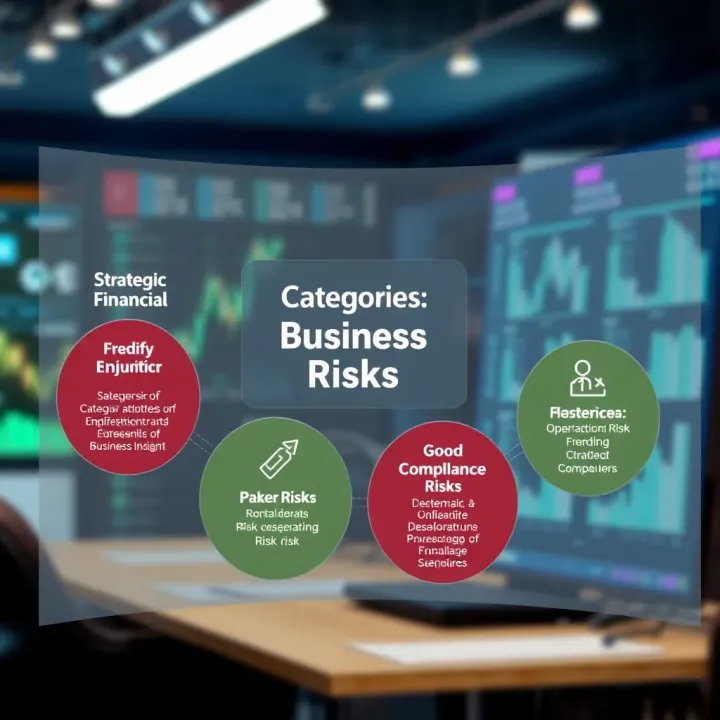
Clearly presenting these risk factors in your slides helps your audience grasp the challenges your business faces and how you plan to mitigate them. Effective risk management communication ensures decision-makers appreciate the seriousness but also the practical steps your team is taking to manage uncertainty.
Key points you should focus on include:
Identifying risks specific to your sector or region – for instance, import restrictions affecting manufacturing or fluctuating exchange rates impacting trading strategies.
Assessing the probability and potential impact – this helps to prioritise risks and allocate resources efficiently.
Outlining clear mitigation strategies – such as diversifying suppliers, hedging currency exposure, or investing in backup power solutions.
Using straightforward visuals like risk matrices or flowcharts to enhance clarity.
Presenting risk management with transparency and focus strengthens trust among investors and stakeholders.
This guide will equip you with practical tips to highlight risks convincingly while keeping your presentation engaging and easy to follow. This approach is especially useful when dealing with Pakistani audiences, where contextual examples add relevance and boost comprehension.
In the following sections, we’ll explore the types of risks you should consider, how to evaluate them effectively, and methods to communicate your findings through well-crafted PowerPoint slides tailored to Pakistan’s business landscape.
Understanding risk management is key for traders, investors, analysts, brokers, and students who want to navigate uncertainty in business effectively. It equips you with tools to spot potential problems early and handle them before they become costly. Clear knowledge of risk basics helps shape confident decisions, whether in stock trading or managing a business portfolio.
Risk management means identifying, assessing, and controlling threats that could harm an organisation's assets, income, or reputation. It goes beyond emergencies like floods or theft, covering financial market fluctuations, operational hiccups, and changing regulations. In the Pakistani context, for instance, a textile exporter could face currency instability risks alongside supply chain issues.
The main goals are to reduce negative impacts and ensure business continuity. It aims to protect resources from unexpected losses, optimise risk exposure, and support strategic decision-making. For example, a broker managing a client's investment on the Pakistan Stock Exchange (PSX) must balance portfolio risk to avoid heavy losses while pursuing reasonable returns.
These involve potential monetary losses due to factors like market volatility, credit defaults, or exchange rate swings. Pakistani investors often face currency risk because the rupee's value against the dollar can fluctuate sharply. Similarly, businesses depending on imports must watch out for rising costs that affect profitability.
Such risks arise from internal processes, systems, or human errors. For instance, a logistics company could suffer from transport delays caused by roadblocks or fuel shortages. Operational risks also include issues like system failures or fraud, which can disrupt normal business operations.
Damage to a company’s reputation can lead to loss of clients and revenue. This might result from poor customer service, product failures, or unethical practices. A Pakistani bank facing allegations of money laundering would confront enormous reputational risk, affecting customer trust and business stability.
These occur when a business fails to meet legal, regulatory, or tax requirements. Due to frequent changes in Pakistan’s regulatory environment, companies must stay updated. Non-compliance with Federal Board of Revenue (FBR) rules or Securities and Exchange Commission of Pakistan (SECP) guidelines can lead to penalties or operational restrictions.
Effective risk management starts with recognising these types early, helping you prepare appropriate responses and protect your business from surprises.
This understanding lays the groundwork for more detailed strategies and presentations on managing risk in diverse business scenarios.
Risk assessment forms the backbone of managing uncertainties in any business. It helps identify potential problems early and shapes the strategy to tackle them effectively. For traders, investors, and analysts in Pakistan’s dynamic market, proper risk assessment guides better decision-making and safeguards investments against unforeseen shocks.
The first step involves spotting possible risk factors that could impact your business or investment. Practical tools for this include SWOT analysis (highlighting strengths, weaknesses, opportunities, threats), brainstorming sessions, and scenario analysis. For example, a textile exporter in Faisalabad might use these techniques to identify risks like sudden currency devaluation or logistic delays due to seasonal floods.
Stakeholder involvement is critical here. Engaging team members, suppliers, customers, and even regulators ensures a well-rounded view of risks. Their insight often uncovers threats that data alone might miss. For instance, suppliers could warn about raw material shortages that aren't immediately obvious to management. Including them early in discussions aligns everyone and builds a collective responsibility toward managing risks.
Once risks are identified, they must be analysed to understand their nature and potential impact. Qualitative analysis categorises risks by likelihood and severity, relying on expert judgement and descriptive terms (like high, medium, low). Meanwhile, quantitative analysis uses numerical data and statistical models — such as value-at-risk (VaR) or Monte Carlo simulations — to assign specific probabilities and financial impacts. Traders might prefer quantitative data for precise risk monitoring, while start-ups often begin with qualitative assessments due to limited historical data.
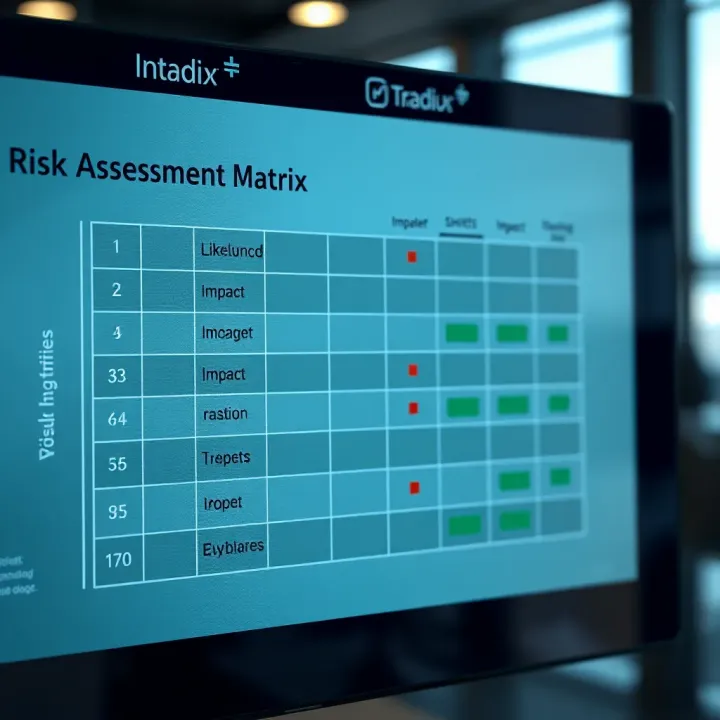
Risk prioritisation comes next. Resources are finite, so focus must go to risks that threaten the business most. This includes analysing factors like frequency, severity, and detectability. A risk matrix helps visualize these priorities clearly. For example, an energy company facing frequent loadshedding issues would prioritise mitigating power risks over less frequent market volatility. Prioritising risks lets managers allocate budget and manpower efficiently, ensuring critical threats don't go unattended.
Effective risk assessment not only safeguards assets but also sharpens your strategic view of the business environment, turning uncertainties into manageable challenges.
Steps to conduct risk assessments systematically improve the quality of your risk management practices, making your presentations more trustworthy and your decisions more confident.
Designing effective risk management strategies is a vital step for businesses aiming to protect their interests while pushing growth. It acts as a blueprint that directs how risks are handled, prioritised, and controlled. This process not only reduces potential losses but also strengthens decision-making and builds resilience against uncertainties.
Reducing risk impact involves taking steps to lessen the effects should a risk materialise. For instance, a textile manufacturer in Faisalabad may face supply chain risks due to transport delays. By identifying alternate suppliers or holding safety stock, the company can reduce disruption and maintain output. The value here lies in minimising financial and operational damage rather than eliminating risk entirely.
Preventive measures and controls are proactive actions designed to stop risks from occurring or escalating. These controls might include setting quality checks at multiple production stages or implementing strict cybersecurity protocols in a financial institution. Preventive actions help plug holes early, ensuring smoother workflows and preserving trust among customers and partners.
Insurance and outsourcing provide ways to shift risk to third parties. Pakistani businesses commonly use insurance policies to handle fire, theft, or business interruption risks. For example, a small retailer in Karachi may insure stock against damage from floods during monsoon season, transferring financial burden to the insurer. Similarly, outsourcing IT services to specialised firms can transfer technical risks, allowing the business to focus on core activities while relying on experts for critical systems.
When to accept risk depends on the cost-benefit analysis. Sometimes risks are minor or unavoidable, making acceptance the most practical option. A startup in Lahore might accept currency fluctuation risks instead of investing heavily in hedging instruments due to limited resources. The key is recognising which risks are affordable and manageable, ensuring the organisation remains focused and agile without overspending on protection.
Designing risk strategies is not about eliminating every threat but about making informed choices. Balancing avoidance, mitigation, transfer, and acceptance allows businesses to operate confidently even amid uncertainty.
By focusing on these elements, you can develop a risk management framework that fits local business challenges while helping you present your strategy clearly and convincingly in any professional setting.
Risk management presentations play a vital role in business decisions, especially for traders, investors, analysts, and brokers who deal with uncertainty daily. Clear communication of risks helps stakeholders grasp challenges and potential impacts without confusion. Effective presentations not only inform but also prompt informed discussions and timely actions, which can save businesses from costly mistakes.
Organising content logically means arranging your points in a sequence that makes sense to the audience. Start with an overview of risks, then move into assessment methods, and finish with management strategies. Logical flow helps your audience follow complex ideas without getting lost. For example, a presentation outlining financial risks should first explain what those risks are, then how they might affect cash flow, and finally the measures to control them.
Using data visualisation tools like charts, graphs, and infographics makes numbers and relationships easier to understand. Instead of listing raw financial figures, use bar charts to compare risk exposures or pie charts to show risk distribution among departments. Visual tools highlight trends and patterns instantly, which is especially useful when discussing volatile markets or complex operational risks common in Pakistani industries like textiles or agriculture.
Storytelling techniques turn dry risk data into relatable scenarios. Start by describing a situation or case study, such as how a Karachi-based exporter dealt with currency fluctuations, then explain the strategies used to manage risk. Stories keep your audience interested and help them remember the key points. This approach also humanises abstract risks, making them more tangible.
Incorporating relevant examples from Pakistani industries ensures your presentation connects with your audience’s experiences. For instance, mentioning supply chain disruptions due to loadshedding or regulatory changes affecting the cement industry makes your points more concrete and locally relevant. These examples demonstrate practical application and show you understand the local business environment.
Overloading slides with information dilutes the message and overwhelms the audience. Avoid cramming multiple charts, long paragraphs, or excessive data on one slide. Each slide should focus on one main idea. When details are important, use handouts or supplementary notes instead of cluttering slides.
Using jargon or complex language risks losing your audience, especially if they aren’t specialists. Simple, clear language is best. Instead of saying "mitigate operational vulnerabilities through agile frameworks," say "reduce operational risks by being flexible." Keep your presentation accessible to everyone involved, from students to seasoned analysts.
Clear, concise presentations with relatable examples and strong visuals significantly improve understanding and decision-making in risk management.
Organising your presentation with these tips ensures you communicate risks effectively, helping your audience make smarter, quicker choices.
In Pakistani business contexts, risk management must tackle specific local challenges that can impact operations and profitability. Tailoring strategies to these realities improves resilience and decision-making. This section highlights practical tips for managing risks common in Pakistan’s economic and regulatory environment.
Risks related to economic instability: Pakistan’s economy often faces fluctuations in inflation, currency value, and interest rates, which directly affect business costs and pricing. For instance, a sudden rupee depreciation can increase import costs, squeezing profit margins if businesses haven't hedged currency risks. Traders and investors should closely monitor State Bank of Pakistan (SBP) policies and foreign exchange market trends to anticipate such shifts. Maintaining flexible budgets and scenario planning helps firms adjust without major disruptions.
Impact of regulatory changes: Frequent changes in tax rules, import duties, and compliance requirements pose significant risks. These can disrupt cash flow or delay operations, especially for importers/exporters and manufacturing sectors. For example, FBR's sudden amendment in withholding tax rates can affect working capital needs. Businesses benefit from establishing ongoing dialogues with tax consultants and legal experts to stay updated, ensuring fast adaptation to new regulations and avoiding penalties.
Loadshedding and supply chain disruptions: Scheduled power outages remain a big hurdle for many Pakistani businesses, particularly in manufacturing and services relying on continuous electricity supply. Loadshedding impacts production schedules, increases costs due to backup generators, and may delay deliveries. Alongside, global supply chain issues caused by geopolitical tensions or shipping delays exacerbate these risks. Companies should diversify suppliers, invest in energy-efficient machinery, and schedule operations around power availability to minimise losses.
Using digital tools for risk tracking: Digital platforms like enterprise resource planning (ERP) systems or specialised risk management software can help Pakistani businesses monitor risks in real time. These tools track financial metrics, supplier performance, and compliance status, sending alerts for any anomalies. For example, a factory can receive notifications if raw material inventory dips below critical levels, preventing sudden shortages. Employing such digital solutions increases efficiency and allows timely responses to emerging risks.
Role of data analytics: Data analytics offers insights by analysing historical and current data to predict potential risks. Pakistani businesses can use sales trends, customer feedback, and market data to identify patterns signalling future challenges, such as decreased demand or rising costs. For instance, a retail chain analysing purchase data across cities can forecast which product lines may underperform during festive seasons affected by inflation. Analytical tools help firms make informed decisions, allocate resources wisely, and plan risk mitigation more precisely.
Managing risks effectively in Pakistan demands understanding local economic conditions and using technology to stay ahead. Combining practical awareness with digital tools equips businesses to protect themselves against uncertainties and maintain smooth operations.
By focusing on these locally relevant tips, businesses can improve their risk management practices and make stronger, data-driven presentations that resonate with stakeholders.
Discover how effective risk management identifies hazards ⚠️, cuts losses 💰, boosts decisions ✅, ensures compliance 📋, and protects your business reputation 📈 in Pakistan.

Explore actuarial science and risk management 🧮. Learn key principles, risk assessment techniques, career paths, and real-world uses in finance and insurance 🇵🇰.

Master effective binary options trading strategies 📈 tailored for consistent success. Learn practical tips, risk management, and market insights for smarter trading.

Discover how binary images work, their creation, common uses, and techniques. Learn about challenges and real-world applications in tech and healthcare 🖤⚫️📊.
Based on 6 reviews