

Benefits of Risk Management in Business
Discover how effective risk management identifies hazards ⚠️, cuts losses 💰, boosts decisions ✅, ensures compliance 📋, and protects your business reputation 📈 in Pakistan.
Edited By
Liam Foster
Pakistan lies in a region highly prone to natural hazards like floods, earthquakes, droughts, and landslides. Its geographic location and varied topography increase the risk of disasters that affect millions every year. For traders, investors, analysts, and students keen on understanding market stability and economic resilience, grasping Pakistan's disaster risk management system is essential.
Disaster risk management in Pakistan involves identifying the vulnerabilities, assessing potential hazard impacts, and organising resources to reduce losses. The country faces challenges such as limited institutional coordination, resource constraints, and insufficient community awareness, which often hamper timely response.

Effective disaster management requires not only government efforts but also active community participation and private sector engagement.
Pakistan's framework includes organisations like the National Disaster Management Authority (NDMA) and provincial counterparts. These bodies coordinate preparedness, early warning, and recovery operations. However, gaps remain in risk mapping and data sharing that restrict informed decision-making.
Practical measures focus on strengthening infrastructure resilience, enhancing early warning systems, and promoting disaster education at grassroots levels. For example, flood-prone districts in Sindh and Punjab have adopted community-based flood action plans to reduce damage.
Key strategies include:
Improving inter-agency coordination between federal, provincial, and local governments
Training community volunteers for first response
Integrating disaster risk reduction into development planning
Leveraging mobile technology for real-time alerts
Understanding disaster risks is vital for investors assessing local projects and markets. Delays or losses from disasters can affect supply chains, property values, and economic output.
In summary, Pakistan's disaster risk management is an evolving system adapting to the country's specific hazards and social conditions. Continuous improvements in policy, infrastructure, and community involvement can lessen impacts, ensuring economic activities remain stable and communities more resilient.
Understanding disaster risks in Pakistan is the foundation for any effective risk management strategy. The country faces a variety of natural hazards that strike with different frequencies and intensities, each demanding specific approaches to reduce damage and loss. For traders, investors, and policymakers, grasping these risks is essential to plan for continuity and resilience.
Pakistan lies on the tectonically active boundary between the Indian and Eurasian plates. This makes northern areas, especially Azad Jammu and Kashmir and northern Khyber Pakhtunkhwa, highly prone to earthquakes. The devastating 2005 Pakistan earthquake that claimed over 80,000 lives highlights the need for seismic risk understanding. Businesses and infrastructure in these zones require earthquake-resistant design and contingency planning to withstand sudden shockwaves.
Flooding is the most recurrent and costly disaster in Pakistan, primarily caused by monsoon rains and glacial melt. The plains of Punjab and Sindh, along with parts of Khyber Pakhtunkhwa, experience seasonal inundations that regularly disrupt agriculture and trade routes. The 2010 floods that displaced millions provide a grim example. Knowing flooding patterns helps in planning flood defences, improving drainage systems, and scheduling the agricultural calendar.
Drought remains a persistent threat, especially in Balochistan and parts of Sindh and southern Punjab. Erratic rainfall combined with high temperatures results in water shortages affecting crops, livestock, and urban water supply. For investors in agriculture and energy, understanding the drought cycle is key to mitigating losses and exploring water-saving technologies.
Landslides often follow heavy rains in hilly regions like Murree and Hazara, threatening roads and settlements. Heatwaves, increasingly frequent in Sindh's cities such as Karachi, cause health emergencies and strain electricity supply due to air conditioning demand. Urban areas additionally face risks from unplanned development, poor drainage, and traffic congestion that worsen disaster impacts.
Northern Pakistan’s mountainous terrain exposes communities to earthquakes, landslides, and flash floods. Meanwhile, southern areas like coastal Sindh and Balochistan deal with cyclones, sea intrusion, and drought. These distinct geographic vulnerabilities require tailored risk management plans. For example, northern infrastructure needs earthquake retrofitting, whereas southern coastal zones need robust flood and cyclone defences.
Poverty, low literacy, and inadequate infrastructure increase vulnerability in many parts of Pakistan. Poor households often live in fragile housing, lacking access to early warnings or relief resources. Traders and investors should consider these socioeconomic factors, as disasters hitting vulnerable populations can cascade into wider economic disruptions including labour shortages and supply chain delays.
Rural communities face direct impacts due to dependence on agriculture and limited emergency services. Urban centres bear risks from population density, slum settlements, and infrastructural stress. Karachi, for instance, experiences severe urban flooding due to clogged drains and encroachments. Understanding these contrasts helps in designing specific disaster response interventions for urban resilience as well as rural livelihood protection.
Disaster risk understanding is not merely academic; it shapes how Pakistan prepares for, responds to, and recovers from natural hazards affecting millions.
By recognising the types of hazards, their frequency, and the vulnerabilities of specific regions and communities, stakeholders can make informed decisions to minimise losses and sustain growth amid Pakistan’s challenging risk environment.
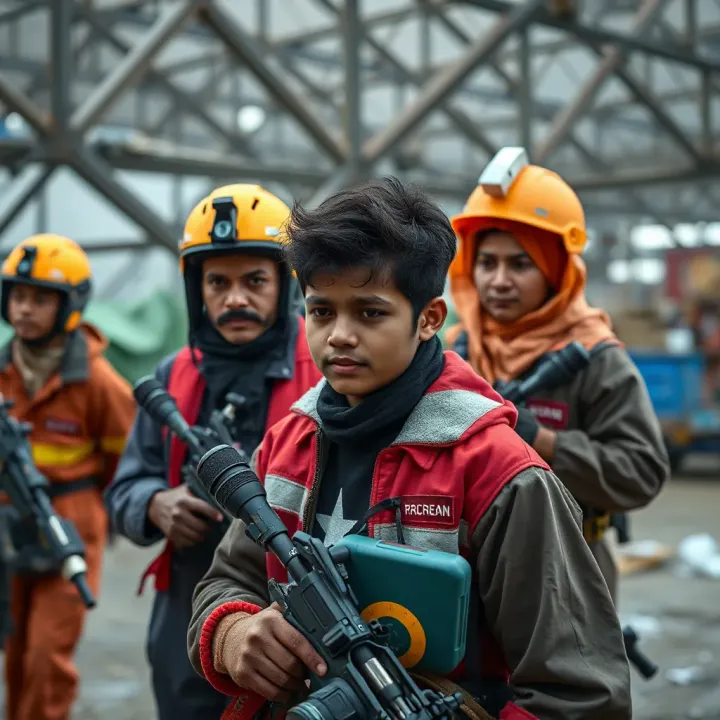
Effective disaster risk management in Pakistan relies heavily on strong institutional structures and an appropriate legal framework. These elements provide clear roles, responsibilities, and coordination mechanisms necessary for reducing disaster impacts and ensuring quick response.
The NDMA operates at the federal level, overseeing disaster management planning, coordination, and support across provinces. It sets national policies, develops disaster preparedness plans, and manages large-scale emergencies. For instance, during the 2010 floods, NDMA played a central role in coordinating rescue efforts and relief distribution among affected regions. Its role ensures consistency in approaches across Pakistan and facilitates efficient resource allocation when disasters strike.
PDMAs function at the provincial level to implement policies and plans in line with NDMA's guidance. They tailor risk assessments and preparedness strategies to the local context. For example, Punjab’s PDMA regularly updates its flood response plans according to river behaviour and urban vulnerabilities in Lahore. PDMAs also manage provincial emergency operation centres, which act as nerve centres during crises, coordinating directly with district administrations and NDMA.
Local governments form the backbone of disaster management on the ground. They handle early warning dissemination, mobilise community resources, and lead immediate response operations. Effective coordination between PDMAs and local councils is essential to cover remote areas prone to floods or earthquakes. This collaboration also supports community-based disaster risk reduction activities, increasing resilience at the grassroots level.
Passed in 2010, this Act legally formalised the disaster management structure in Pakistan, mandating NDMA and PDMAs’ roles. It provides a framework for disaster risk reduction, preparedness, response, and recovery. The Act obliges government departments to prepare contingency plans and encourages public-private partnerships for better resource mobilisation. Its enforceability means agencies are duty-bound to follow protocols, helping prevent ad-hoc or delayed responses.
The National Climate Change Policy complements disaster management laws by addressing hazards worsened by climate change, such as drought and severe flooding. It promotes risk-sensitive planning, ecosystem conservation, and sustainable resource use. Initiatives under this policy include afforestation projects in Khyber Pakhtunkhwa to reduce landslide risk and water management programs in Balochistan to combat drought. Aligning disaster management with climate action increases the country’s adaptive capacity.
Pakistan is a signatory to global protocols like the Sendai Framework for Disaster Risk Reduction and the Paris Agreement on climate change. Aligning domestic policies with these frameworks helps secure international support and promotes best practices. It also supports Pakistan’s commitments to improve risk governance and community resilience. For example, international assistance often includes technical expertise and funding conditioned on adherence to such frameworks.
Strong institutions backed by solid legal frameworks and international commitments establish a foundation that Pakistan needs to manage disasters effectively across its diverse geography.
National Disaster Management Authority (NDMA): Federal coordination and policy development
Provincial Disaster Management Authorities (PDMAs): Local implementation and tailored responses
Local Governments: Ground-level action and community outreach
Having these layers work in harmony increases Pakistan’s readiness and reduces vulnerabilities to natural hazards. This institutional network, reinforced by relevant laws and climate policies, forms the backbone of the country's disaster risk management system.
Disaster preparedness and early warning systems form the backbone of Pakistan’s ability to reduce the impact of natural hazards. These systems help save lives and limit economic losses by providing timely information and enabling swift response. Given Pakistan’s vulnerability to floods, earthquakes, and extreme weather, developing reliable early warning mechanisms is particularly relevant.
Floods are among Pakistan’s most frequent disasters, especially during the monsoon season. Agencies like the Pakistan Meteorological Department and Indus River System Authority work together to forecast rising river levels and issue alerts. Early warnings about possible flood risks give local authorities and communities a chance to prepare by securing homes, evacuating vulnerable areas, and organising relief supplies. For example, timely flood forecasts in Sindh in recent years have helped reduce casualties compared to past events.
Pakistan sits on several seismic fault lines, which makes earthquake monitoring essential. The Pakistan Meteorological Department maintains seismic stations across the country to track tremors and gather data in real time. Although early warning for earthquakes is still limited due to the sudden nature of quakes, ongoing investments in seismic networks aim to provide a few crucial seconds of alert to reduce injuries. Regions like Azad Jammu and Kashmir benefit from these monitoring efforts given past devastating quakes.
Pakistan’s weather patterns can change rapidly, affecting everything from agriculture to urban safety. Weather forecasting services provide daily bulletins on temperature, rain, and wind conditions. The Pakistan Meteorological Department also issues warnings for heatwaves, dust storms, and cyclones. These services support disaster preparedness by informing farmers, city officials, and the public to take proactive steps, such as adjusting irrigation or stockpiling essentials ahead of monsoon floods.
Educating communities about what to do before, during, and after disasters is key. Many schools across Pakistan conduct regular drills simulating earthquake evacuations or flood responses. Local disaster management authorities organise workshops where residents learn first aid, evacuation routes, and emergency contacts. These training sessions build confidence and make people less vulnerable when actual disasters strike.
Non-governmental organisations (NGOs) and civil society play a significant role in raising awareness and supplementing government efforts. Groups like the Edhi Foundation and Chhipa provide emergency response training and engage in community risk assessments. They mobilise volunteers during crises, assist relief distribution, and advocate for improved disaster policies. Without their grassroots connections, reaching remote or marginalised communities would be far harder.
Mass media and mobile technology greatly enhance disaster communication in Pakistan. Television channels and radio stations broadcast alerts and safety tips during emergencies. Social media platforms like Twitter and WhatsApp groups spread real-time updates, especially in urban centres. Furthermore, government apps and SMS alert systems now notify people about flood warnings or severe weather events directly on their mobiles. This instant communication proves invaluable for timely evacuation and preparedness.
A strong early warning system combined with community engagement drastically lowers vulnerability and improves resilience against Pakistan’s various natural hazards.
By focusing on these practical elements of preparedness and warning, Pakistan can better protect its people and economy from the heavy toll disaster events typically impose.
Effective response and recovery mechanisms are vital for reducing the impact of disasters in Pakistan. Given the country's susceptibility to floods, earthquakes, and droughts, timely action after an incident determines how quickly affected communities can regain normalcy. These mechanisms range from immediate rescue efforts to long-term rebuilding and resilience strategies, aiming to save lives and rebuild livelihoods.
Search and Rescue Operations: When disasters strike, search and rescue teams mobilise rapidly to locate and save survivors trapped under rubble or stranded in flooded areas. The National Disaster Management Authority (NDMA), alongside the Pakistan Army and paramilitary forces, plays a leading role here. For example, after the 2010 floods in Sindh and Punjab, coordinated rescue missions helped evacuate thousands from inundated villages. Equipment such as boats, helicopters, and trained dogs are essential in these operations, while local volunteers often assist due to their knowledge of the terrain.
Provision of Relief Supplies and Medical Aid: Once survivors are rescued, it becomes critical to provide immediate relief like food, clean water, shelter, and medical services. The government sets up temporary camps and health centres, but often faces challenges in reaching remote or heavily damaged areas. During the 2022 earthquake in Balochistan, relief supplies were airlifted to isolated communities by military aircraft. Medical aid teams work to prevent disease outbreaks and treat injuries, highlighting the urgent nature of post-disaster health care.
Coordination with International Aid Agencies: Pakistan frequently collaborates with international organisations such as the United Nations and Red Crescent to supplement its disaster response capacity. Effective coordination ensures that aid is distributed fairly and reaches highest-need areas without duplication or delays. For instance, during the 2014 floods in Kashmir, joint efforts between local authorities and international agencies improved logistics and resource management, making the relief effort smoother. This coordination involves regular sharing of information and joint planning.
Reconstruction of Infrastructure: Destroyed roads, bridges, schools, and hospitals need rebuilding to restore community functionality. Reconstruction goes beyond simply replacing damaged structures; it offers a chance to build stronger, disaster-resistant infrastructure. After the 2005 Kashmir earthquake, the reconstruction programmes included improved building codes and the use of earthquake-resistant designs, reducing risks for future disasters.
Rehabilitation of Affected Communities: Beyond physical rebuilding, restoring social and economic life is crucial. Rehabilitation includes restoring livelihoods, such as by distributing seeds to farmers or providing small grants for businesses to restart. Psychosocial support is also needed to help individuals recover from trauma. Successful rehabilitation strengthens the social fabric and reduces long-term vulnerability.
Building Resilience for Future Disasters: Recovery must go hand in hand with efforts to decrease future risks. This means integrating disaster risk reduction measures into development plans, promoting community awareness, and enhancing early warning systems. For example, communities in flood-prone areas of Punjab have started adopting raised house foundations and safer evacuation routes as part of resilience building. Such measures lessen dependence on external aid and empower locals to face hazards more confidently.
Well-managed response and recovery not only save lives but also lay the foundation for sustainable development, making disaster-affected areas stronger and better prepared.
In terms of investment, integrating modern technology, improving coordination among agencies, and engaging communities remain key for Pakistan to improve its disaster response and long-term recovery outcomes.
Addressing the challenges in disaster risk management is vital for Pakistan to reduce the impacts of natural hazards. Despite progress, obstacles like funding shortages and coordination gaps limit effectiveness. Yet, these hurdles also present opportunities for strategic improvements, which can make risk management more resilient and responsive. Understanding the common problems and exploring viable solutions helps policy makers, investors, and analysts identify where resources and reforms can deliver the best returns.
Resource Constraints and Funding Gaps
Pakistan's disaster management agencies frequently struggle with insufficient budgets. For example, many Provincial Disaster Management Authorities (PDMAs) lack adequate funds to invest in flood defences or emergency equipment. This scarcity hampers both preparedness and response, especially when disasters strike repeatedly in flood-prone or earthquake-sensitive zones. Limited finances also affect timely procurement of supplies and restrict community outreach programmes that raise awareness about risks.
Limited Technical Capacity and Training
Many districts face a shortage of skilled personnel trained in modern disaster management techniques. While NDMA develops national frameworks, local staff often lack hands-on experience in forecasting, evacuation protocols, and recovery planning. This gap reduces the efficiency of early warning systems and hampers effective mobilisation during emergencies. Training sessions are sometimes limited to urban centres, leaving rural and semi-urban areas vulnerable with unprepared volunteers and officials.
Coordination Issues Among Agencies
Disaster response requires smooth collaboration between government bodies, military, NGOs, and international partners. However, overlapping mandates and unclear communication channels frequently cause delays and duplication of efforts. Cases like the 2010 floods highlighted how poor coordination can lead to supply bottlenecks or missed rescue opportunities. Without clear leadership and defined roles, the overall disaster management capacity remains fragmented.
Investment in Technology and Infrastructure
Modernising infrastructure plays a key role in effective risk management. Improving flood barriers, seismic monitoring stations, and communication networks can boost early warning capabilities significantly. For instance, deploying advanced remote sensing and GIS tools enables targeted interventions in vulnerable areas. Investing in robust emergency shelters and transportation means ensures quicker evacuation and relief delivery.
Strengthening Community Engagement
Communities on the frontline should be active partners in risk reduction, not just passive recipients. Local knowledge combined with effective training empowers residents to respond swiftly before government intervention. Grassroots campaigns, school drills, and village committees foster a culture of preparedness and resilience. In Pakistan’s rural Punjab and Sindh, community-led flood response teams have proven their value in reducing casualties and damage.
Policy Reforms and Capacity Building
Clear policy frameworks that define responsibilities, funding flows, and accountability are essential. Revisiting disaster laws to integrate climate change adaptation and clear performance standards can enhance effectiveness. Furthermore, continuous capacity building through professional training and workshops will improve technical skills across all levels. A merit-based recruitment system and incentives for retaining trained staff can help sustain these improvements.
Tackling these challenges head-on with practical investment, community focus, and strong governance can transform disaster management in Pakistan. It’s not only about preventing losses but also about building a safer future for all.
Discover how effective risk management identifies hazards ⚠️, cuts losses 💰, boosts decisions ✅, ensures compliance 📋, and protects your business reputation 📈 in Pakistan.

Explore actuarial science and risk management 🧮. Learn key principles, risk assessment techniques, career paths, and real-world uses in finance and insurance 🇵🇰.

🔍 Discover how to pick top Forex brokers in Pakistan! Learn about regulations, fees, platforms & tips for safe trading to boost your Forex success.

📈 Discover how to pick the best trading app in Pakistan with tips on fees, security, usability, and support to boost your investment confidence! 🇵🇰
Based on 7 reviews